

Every new mother deserves support,yet many struggle in silence with postpartum depression,often unsure if it constitutes a disability. Understanding this complex issue is crucial for those affected and their families, as it can impact mental health resources, workplace rights, and overall well-being. let’s explore what you need to know.
Understanding Postpartum Depression: Signs and Symptoms to Watch For
Recognizing the Signs of Postpartum Depression
Did you know that approximately 1 in 7 women experiences postpartum depression (PPD) following childbirth? Despite being a common part of the postpartum experiance, PPD often goes unrecognized and untreated. Understanding it’s signs and symptoms is crucial for new mothers, their families, and healthcare providers to ensure timely support and intervention.
Postpartum depression can manifest in various ways, often leading to confusion as many mothers expect to feel solely joyful after the arrival of their newborn. However, the emotional rollercoaster can include feelings of sadness, anxiety, and even despair. Here are some key symptoms to watch for:
- Persistent Sadness: A profound sense of hopelessness that lasts more than a few weeks.
- Loss of Interest: Diminished interest in activities that were once enjoyable, including bonding with your baby.
- Changes in Appetite: Notable weight loss or gain, and also changes in eating habits.
- fatigue: Extreme tiredness that does not improve with rest, making it challenging to care for oneself or the baby.
- Difficulty concentrating: Struggling to focus or make decisions, which can hamper daily activities.
- Feelings of Guilt or Shame: Unwarranted guilt about not being a good mother or being unable to manage emotions.
- Thoughts of Self-Harm or Harm to the baby: These alarming thoughts are serious and require immediate attention.
Impact on Daily Life and Relationships
The implications of untreated PPD can extend beyond the individual to affect familial relationships and overall quality of life. It can create a cycle of strain, impacting the ability to bond with the baby and drawing partners, friends, and family into a web of stress.
| Symptom | Potential Impact |
|---|---|
| Persistent Sadness | Difficulty forming a connection with the baby, which can lead to attachment issues. |
| Fatigue | Inability to fulfill daily responsibilities, leading to feelings of inadequacy. |
| Difficulty Concentrating | Challenges in making decisions can increase parental anxiety and frustration. |
| Thoughts of Self-Harm | Serious risk requiring immediate intervention; affects overall family safety. |
It’s essential for new mothers and their support systems to remain vigilant for these signs. Early identification and intervention can pave the way for effective treatment, helping mothers reclaim their well-being and fostering healthier family dynamics. Remember, PPD is a health issue, not a personal failing, and seeking help is a proactive step towards recovery.
The Intersection of Mental Health and Disability: What does It Mean for You?

Understanding the Complex Relationship
When discussing mental health in the context of disability, it’s crucial to recognize that conditions like postpartum depression (PPD) can profoundly impact an individual’s daily life and functioning. While many peopel may view PPD through the lens of motherhood, its implications extend far beyond that. It challenges societal perceptions of disability and raises critical questions about support and accessibility. According to the CDC, approximately 1 in 8 women experience PPD, highlighting the urgent need to address this issue comprehensively.
The *Americans with Disabilities Act (ADA)* defines disability in a broad sense, encompassing conditions that significantly limit one or more major life activities. This classification is vital for individuals experiencing PPD as it influences access to treatment, accommodations at work, and protections against discrimination. If you or someone you know is experiencing symptoms that impede functionality—such as severe mood swings, anxiety, or intrusive thoughts—understanding these legal protections is paramount.
what This Means for You
The intersection of mental health and disability is not only a legal concern but a deeply personal one as well. Here are some key points to consider:
- Awareness of Rights: Understanding that PPD can qualify as a disability might provide some women access to services, workplace accommodations, or health benefits that they didn’t know they could seek.
- Seeking Help: If you believe you are experiencing PPD, reaching out for help should be your first step.This could involve consulting a healthcare provider or seeking therapeutic support.
- Support Systems: Building a network of support—whether through family, friends, or mental health groups—can significantly ease the burden of PPD. Sharing experiences and knowledge can foster resilience.
Practical Steps Towards Recovery
Navigating postpartum depression entails more than just understanding its status as a potential disability; it involves tangible actions you can take. Below is a simple guide to help you or someone you know manage PPD effectively:
| Action Step | Description |
|---|---|
| Consult a Professional | Seek a mental health professional who specializes in maternal health to evaluate your symptoms. |
| Join a Support Group | Connect with others facing similar challenges through local or online support groups. |
| Practice Self-Care | Incorporate mindfulness practices, such as meditation or yoga, to help manage stress and improve emotional well-being. |
| Educate Yourself | Read up on PPD to understand what you’re going through, which can be empowering and help demystify the experience. |
By fostering understanding and compassion regarding conditions like postpartum depression, we can work towards a more inclusive society where mental health is given the respect and attention it truly deserves.
Navigating Support: Resources for Those Facing Postpartum Depression

Did you know that nearly 1 in 7 women experience postpartum depression (PPD) after giving birth? This common yet frequently enough misunderstood condition can leave new mothers feeling isolated and overwhelmed. Understanding the resources available for navigating PPD is crucial for making informed decisions about care and support.
Understanding the Landscape of Support
For those grappling with the effects of postpartum depression, various resources can help pave the way toward recovery. Firstly, it’s essential to recognize that seeking help is a sign of strength, not weakness. Acknowledging your feelings and understanding that many others share similar experiences can provide comfort. Consider the following avenues for support:
- Healthcare Professionals: Consult your obstetrician, primary care physician, or a mental health specialist who understands postpartum issues.
- Support Groups: Joining a local or online support group can foster a sense of community and allow individuals to share experiences and coping strategies.
- Therapy Options: Cognitive-behavioral therapy (CBT) and talk therapy are effective treatments for managing symptoms of PPD.
- Helplines: National helplines like Postpartum Support International offer immediate assistance and guidance.
Educational Resources
equipping yourself with knowledge can empower your journey through PPD. Many organizations provide valuable information that can enhance your understanding of the condition and its implications. Below is a table listing key resources that can be helpful:
| Resource | Description | Website/Contact |
|---|---|---|
| Postpartum Support International | offers information and support networks for affected individuals. | postpartum.net |
| Mental Health America | Provides resources and screening tools for mental health disorders, including PPD. | mhanational.org |
| The Motherhood Collective | Connects mothers with local resources and community support. | themotherhoodcollective.org |
Each resource is tailored to provide not just information but also emotional and practical support. Engaging with these communities and utilizing their tools can make a significant impact on your mental health journey. Remember, just as every mother’s experience is unique, so too are the paths to recovery; finding the right resources can be the key to navigating postpartum depression effectively.
Legal Rights and Protections: Is Postpartum Depression Considered a Disability?
Understanding Postpartum Depression as a Disability
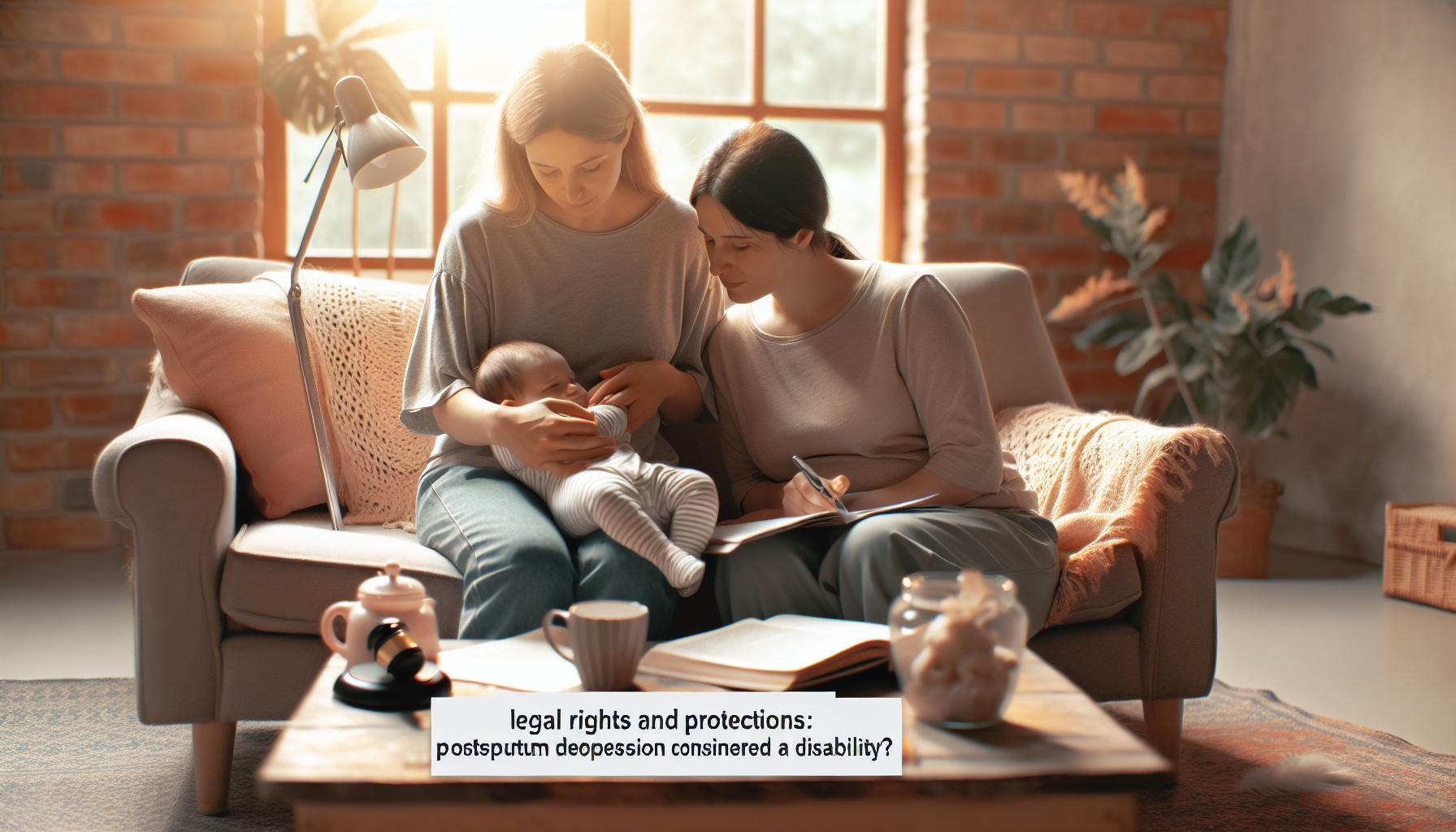
Postpartum depression (PPD) is not just a fleeting mood change after childbirth; it can be a profound psychological condition that affects a new parent’s ability to function and care for themselves and their baby. this raises an crucial question: Is postpartum depression considered a disability? The answer can vary depending on legal definitions and the specific circumstances of the individual affected.
In the United States, under the Americans with Disabilities Act (ADA), a disability is defined as a physical or mental condition that substantially limits one or more major life activities. Since PPD can significantly affect emotional well-being, daily tasks, and even interpersonal relationships, individuals suffering from it may qualify for protections under disability laws. Understanding these legal rights is crucial for anyone experiencing symptoms of PPD, as it can open doors to necessary accommodations, workplace protections, and support services.
Legal Protections Available
If you are experiencing postpartum depression, it is essential to know your rights. Here are some key protections and steps individuals may take:
- ADA and FMLA Benefits: The ADA can provide protection against discrimination in the workplace, while the Family and Medical Leave Act (FMLA) may offer you the right to take unpaid leave for medical conditions, including serious postpartum conditions.
- State Laws: Some states have specific laws that recognize PPD as a qualifying condition for disability benefits. It’s important to check your state’s regulations.
- Health Insurance: Many health insurance plans are required to cover mental health services, which includes treatment for postpartum depression.
Real-World Examples
Consider the following scenarios that illustrate how postpartum depression can be recognized and treated as a disability:
| Scenario | Actions Taken |
|---|---|
| A mother unable to return to work due to severe PPD symptoms. | Successfully applied for FMLA leave to seek treatment while retaining her job. |
| A new parent experiencing anxiety and difficulty with everyday functions. | Consulted a healthcare provider,received a diagnosis,and accessed therapy sessions covered by her health insurance. |
These examples highlight the significance of understanding both the condition itself and the legal landscape surrounding it. By recognizing postpartum depression as a potential disability, new parents can advocate for their needs and obtain vital support during this challenging time.
The Role of Healthcare Professionals: How to Seek Help and Guidance
the Need for support
Navigating the complexities of postpartum depression (PPD) can feel overwhelming, especially when new mothers are expected to manage a myriad of responsibilities alongside their emotional struggles. Healthcare professionals play an essential role in providing the necessary support and guidance during this critical period.the first step in seeking help is to understand the range of services available and how these experts can assist in the journey toward wellness.
- Primary Care Physicians: your first point of contact can often be your doctor, who can conduct assessments, recommend treatments, or refer you to specialists.
- Obstetricians and Gynecologists: These professionals have specialized training related to women’s health and can particularly address issues related to childbirth and postpartum health.
- Mental Health Professionals: Psychologists and psychiatrists can provide therapy options such as cognitive behavioral therapy (CBT) or medication management tailored for PPD.
- Support Groups: Connecting with others who are experiencing similar feelings can be invaluable. Healthcare providers can often connect you with local or virtual support systems.
Accessing Help: Practical Steps
Taking the first step to seek help may feel daunting, but establishing a clear plan can significantly reduce feelings of helplessness. here are some actionable steps to guide you:
- Start the Conversation: Begin by discussing your feelings with a trusted friend or family member. This person can help you articulate your experiences when meeting with a healthcare professional.
- Set an Appointment: Contact your healthcare provider to schedule a consultation. Make sure to mention any specific symptoms you’re experiencing, as this can inform your provider’s approach.
- Keep a Symptom Journal: Document your mood fluctuations, sleep patterns, and any triggers for your feelings of anxiety or sadness. This information can be crucial for effective treatment planning.
- Explore treatment Options: After discussing your situation with a healthcare provider, consider various treatment options—therapeutic, pharmaceutical, or a combination of both—based on their professional recommendation.
Understanding Your Rights
It’s important to recognize that postpartum depression can affect your overall well-being and functionality, raising the question, “Is postpartum depression a disability?” In many cases, PPD may qualify as a disability under the Americans with disabilities Act (ADA), allowing for reasonable accommodations in the workplace and access to healthcare resources. Here’s a quick overview of what to consider:
| Key considerations | Description |
|---|---|
| Diagnosis | A formal diagnosis from a healthcare provider is crucial for any disability claims. |
| Impact on Daily Life | Documentation of how PPD affects your daily functions (work, caregiving) supports your case. |
| Legal Rights | Familiarize yourself with your legal rights regarding disability benefits and workplace accommodations. |
By actively engaging with healthcare professionals and understanding your rights, you empower yourself in the journey toward managing postpartum depression.Each step brings clarity and direction,making it easier to navigate this challenging experience.
Creating a Supportive Environment: Encouraging Conversations About Mental Health
The Importance of Open Dialog
Did you know that nearly 1 in 7 women experience symptoms of postpartum depression (PPD) after giving birth? Despite its prevalence, many still struggle to talk about their feelings due to stigma and misunderstanding.Creating a supportive environment where discussions about mental health, and specifically PPD, can thrive is crucial in ensuring that new mothers feel safe and validated.
Strategies to Foster Discussions
Here are some practical ways to nurture an atmosphere of support and openness regarding mental health:
- Normalize Conversations: Incorporate mental health discussions into everyday conversations. Use phrases like “I’ve been feeling overwhelmed” or “It’s okay to ask for help” to encourage others to share their experiences.
- Educate Everyone: Provide resources and information about PPD to family members and friends. Knowledge about the signs and available treatments can demystify the condition and prompt understanding.
- Create safe Spaces: Establish groups or circles where individuals can speak freely about their experiences with PPD. This could be through parenting classes,community centers,or online forums dedicated to maternal mental health.
- Actively Listen: When a conversation does arise,listen without judgment. Show empathy and support, as simply being there can make a significant difference to someone suffering from PPD.
Real-World Examples
Consider a postpartum support group as a practical submission of these strategies.In such settings, mothers frequently enough share their stories, which allows others to relate and realize they are not alone in their struggles. Additionally, workplaces that offer mental health days and workshops focused on PPD can significantly reduce stigma, allowing those who might potentially be struggling to feel more comfortable seeking help.
Encouraging Professional Support
Understanding that postpartum depression can be a serious mental health issue, it’s imperative to encourage formal support alongside informal conversations. Encouraging mothers to seek help and providing them with lists of local therapists or support groups can empower them on their path to recovery.
| Resource Type | Description |
|---|---|
| Support Groups | Facilitated meetings where individuals can share experiences and learn from others. |
| therapists | Licensed professionals who can provide counseling and therapy tailored for postpartum depression. |
| Online Forums | Web-based platforms that allow mothers to discuss their experiences and seek advice anonymously. |
By cultivating an environment where conversations about postpartum depression are welcomed, understood, and normalized, we can support the mental health of new mothers and ultimately contribute to their well-being and that of their families.
Personal Stories: real-Life Experiences with Postpartum Depression and Empowerment
The Journey Through Darkness: Personal Insights
Many women experience a profound transformation after childbirth that can frequently enough clash with their expectations of motherhood. While joy and love are commonly celebrated, for some, the reality may include an overwhelming sense of despair. This emotional turmoil can manifest as postpartum depression (PPD), a condition that affects thousands of new parents each year. Understanding the depth of this condition through personal stories sheds light on the pervasive struggle and eventual empowerment many achieve.
- Sarah’s Story: After welcoming her first child, Sarah faced feelings of isolation and sadness that left her questioning her identity.“I felt like I was losing myself, not just as a mother, but as a person,” she recalls. Seeking help, Sarah joined a support group specifically for mothers dealing with PPD. Through shared experiences and open conversations, she found camaraderie and understanding, which helped pave the way to her recovery.
- Emily’s Experience: Emily, a self-described overachiever, felt immense pressure to be the ‘perfect mom’ after the birth of her daughter. Despite her accomplishments, she spiraled into depression. “Each day felt like a monumental effort,” she admitted. After reaching out to a mental health professional and accessing therapy, she learned coping strategies that empowered her to embrace both her senses of self and motherhood.
Navigating the Challenge: Steps Toward Empowerment
For those grappling with postpartum depression, these personal narratives highlight key strategies that can transform their journey from despair to empowerment. Here are actionable steps inspired by these experiences:
| Actionable Steps | Description |
|---|---|
| Seek Professional Help | Consulting a therapist who specializes in maternal mental health can provide tailored strategies for managing PPD. |
| Join Support Groups | Being part of a community can offer understanding and connection, providing a safe space to share feelings and fears. |
| Practice Self-Care | Engage in mindful practices such as yoga, journaling, or simply carving out time for hobbies to nurture your mental health. |
| Educate Yourself and Others | Understanding PPD can reduce stigma. Sharing knowledge with friends and family fosters a supportive environment. |
By sharing these personal stories, we illuminate not only the depths of postpartum challenges but also the paths toward healing and empowerment. Each story offers a message of hope and resilience that serves as a reminder that it is possible to reclaim joy and purpose on the journey to motherhood, redefining what it means in the face of postpartum depression.
Finding Healthy coping Strategies: Tips for Managing Postpartum depression
Understanding the Importance of Healthy Coping Strategies
Navigating the emotional landscape of postpartum depression (PPD) can often feel overwhelming. However, developing effective coping strategies can significantly alleviate the burden of this condition. Beyond acknowledging whether postpartum depression is a disability,focusing on actionable techniques can lead to greater mental resilience and overall well-being.
Practical Tips for Managing Postpartum Depression
Implementing healthy coping strategies is crucial for managing PPD. Here are several effective methods:
- Establish a Routine: Creating a daily schedule can provide a sense of normalcy.Incorporate time for self-care, including moments for mindfulness or relaxation.
- Stay Connected: Reach out to family,friends,or support groups. Sharing your feelings and experiences can alleviate feelings of isolation. Consider joining local or online PPD support forums.
- Engage in Physical Activity: Regular exercise can boost mood and energy levels. Whether it’s a brisk walk with your baby in a stroller or a home workout, find an activity you enjoy.
- Practice mindfulness: Techniques such as meditation or yoga can help ground your thoughts and emotions. Apps like Headspace or Calm are great for beginners.
- Prioritize Sleep: sleep deprivation exacerbates PPD symptoms. Sleep when your baby sleeps, and consider sharing nighttime responsibilities with your partner.
- seek Professional Help: Don’t hesitate to consult with a mental health professional.Therapy or counseling can provide tailored strategies for coping with PPD.
Creating a Supportive Environment
Building a nurturing environment can also enhance your coping abilities. Surround yourself with supportive individuals who understand PPD and can provide encouragement. It’s essential to communicate your needs clearly, whether you need practical help, emotional support, or time alone to recharge.
Here’s a simple table summarizing additional strategies:
| Strategy | Benefits |
|---|---|
| Journaling | helps process emotions and track triggers |
| Deep Breathing Exercises | reduces anxiety and promotes relaxation |
| Nutritious Eating | Improves mood and energy levels |
| Limiting Social Media | Reduces feelings of inadequacy and comparison |
Each of these strategies can empower you to manage postpartum depression effectively. Remember that recovery is a gradual process, and it’s perfectly okay to ask for help along the way. in understanding whether postpartum depression is considered a disability, recognizing the need for support is the first step toward healing.
FAQ
Is Postpartum Depression a Disability?
Yes, postpartum depression (PPD) can be classified as a disability under certain conditions. it is indeed recognized as a serious mental health disorder that can significantly impair daily functioning.
Under the Americans with Disabilities Act (ADA), PPD may meet the criteria for a disability if it substantially limits one or more major life activities. For instance,symptoms like severe mood swings,difficulty bonding with the baby,or persistent sadness can hinder a person’s ability to perform everyday tasks.
What is Postpartum Depression?
Postpartum depression (PPD) is a mental health condition that affects individuals after childbirth, characterized by feelings of extreme sadness, anxiety, and exhaustion.
Typically emerging within the first few weeks after delivery, PPD can interfere with a mother’s ability to care for her baby and herself.It’s essential to seek help, as appropriate treatment can lead to recovery and improved quality of life.
Can I qualify for disability benefits with Postpartum Depression?
Yes, you may qualify for disability benefits if PPD severely impacts your ability to work. Each case is evaluated on an individual basis.
To qualify, you often need to submit medical documentation demonstrating how PPD affects your daily life and work function. Consulting with a mental health professional can provide the necessary support to navigate this process effectively.
Why does postpartum depression occur?
PPD commonly results from a combination of hormonal, physical, and emotional factors. The dramatic hormonal shifts after childbirth can lead to mood swings.
Additionally, the stress of new parenthood, lack of sleep, and possible feelings of isolation can contribute to the onset of PPD. Understanding these factors is vital for prevention and treatment, as discussed in our article on postpartum mental health.
How can I cope with postpartum depression?
Coping strategies for PPD include seeking professional help,practicing self-care,and reaching out for support. Therapy and medications can be effective solutions.
Building a support network of family and friends who understand PPD’s challenges can also be beneficial. Remember, you’re not alone; many parents face similar struggles, and support can make a significant difference.
What treatments are available for postpartum depression?
Available treatments for PPD include therapy, medication, and support groups. Cognitive-behavioral therapy (CBT) is often effective.
Medication, such as antidepressants, can help manage symptoms for some women. Additionally, joining support groups can foster connection and provide shared experiences, offering hope and understanding throughout the recovery journey.
When should I seek help for postpartum depression?
You should seek help for PPD as soon as symptoms interfere with your daily life. Early intervention can lead to better outcomes.
Watch for signs like persistent sadness, withdrawal from loved ones, or difficulty caring for your baby. If you notice these indications,reach out to a healthcare professional as soon as possible for guidance and support.
In retrospect
As we wrap up our exploration of whether postpartum depression qualifies as a disability, it’s essential to recognize that you’re not alone in this journey. The insights shared here aim to demystify this complex topic, offering clarity and support to parents who may be grappling with postpartum challenges. Remember, seeking help is a sign of strength, and understanding your rights can empower you in advocating for yourself and your family.
We encourage you to delve deeper into resources that can provide additional support, whether through professional counseling, community groups, or informative literature. Your well-being matters, and by learning more, you take vital steps toward healing and empowerment.Together, let’s continue to foster a dialogue around mental health in parenthood, ensuring that every parent has the tools they need to thrive. Keep exploring, stay connected, and feel assured that brighter days are ahead.

