Category: Baby Food Recipes

Baby Food Recipes represent structured culinary and developmental formulations designed to deliver bioavailable micro- and macronutrients through stage-specific textures, wholesome organic ingredients, and zero refined sugars for optimal infant feeding.

Foundational Guides & Core Protocols

First Purees & Pouches

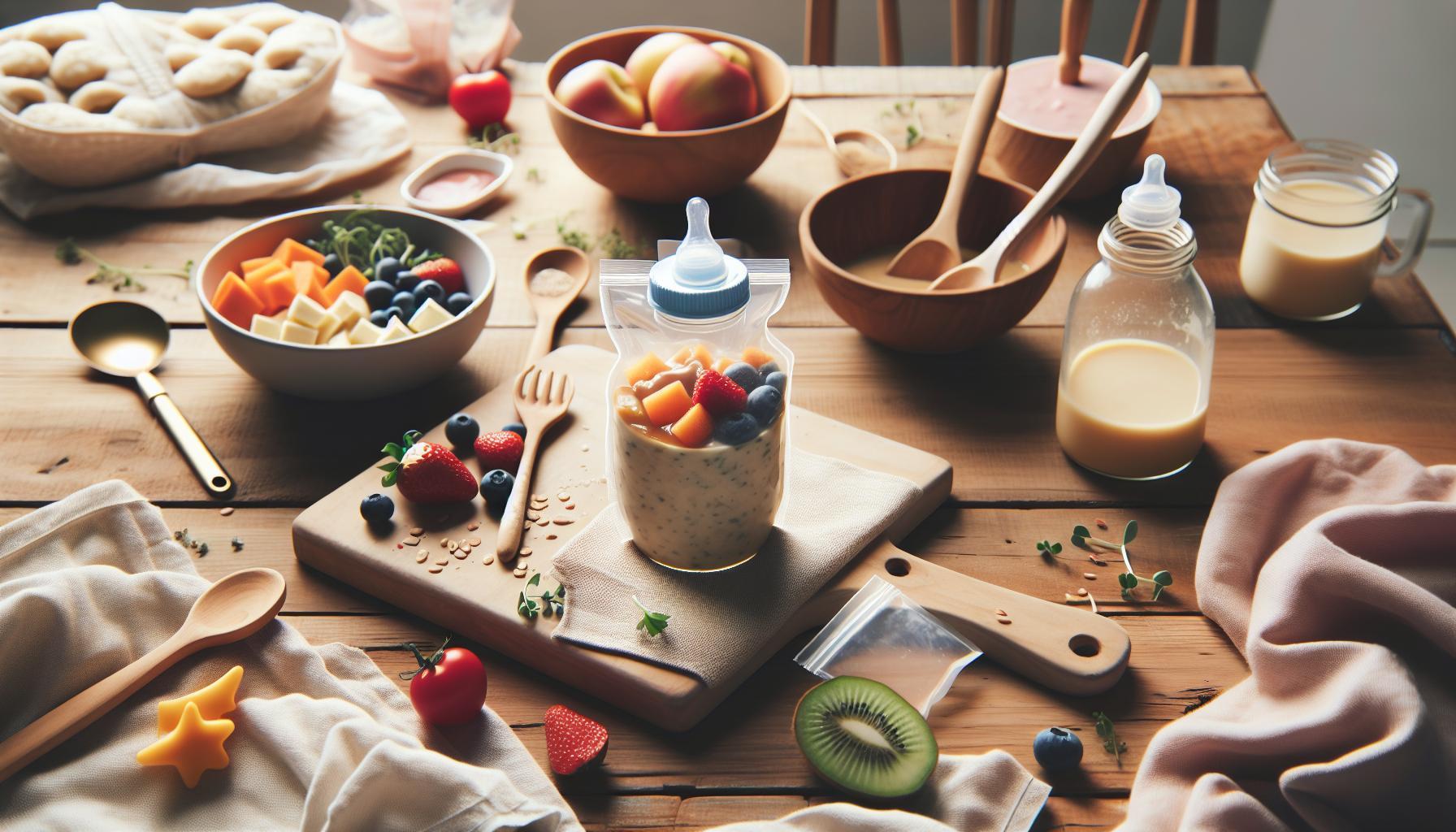
DIY Baby Food Pouches: Easy, Healthy & Budget-Friendly

Convenient batch-cooking protocols for wholesome organic fruit and vegetable purees stored in reusable silicone pouches.

Milestone Baking

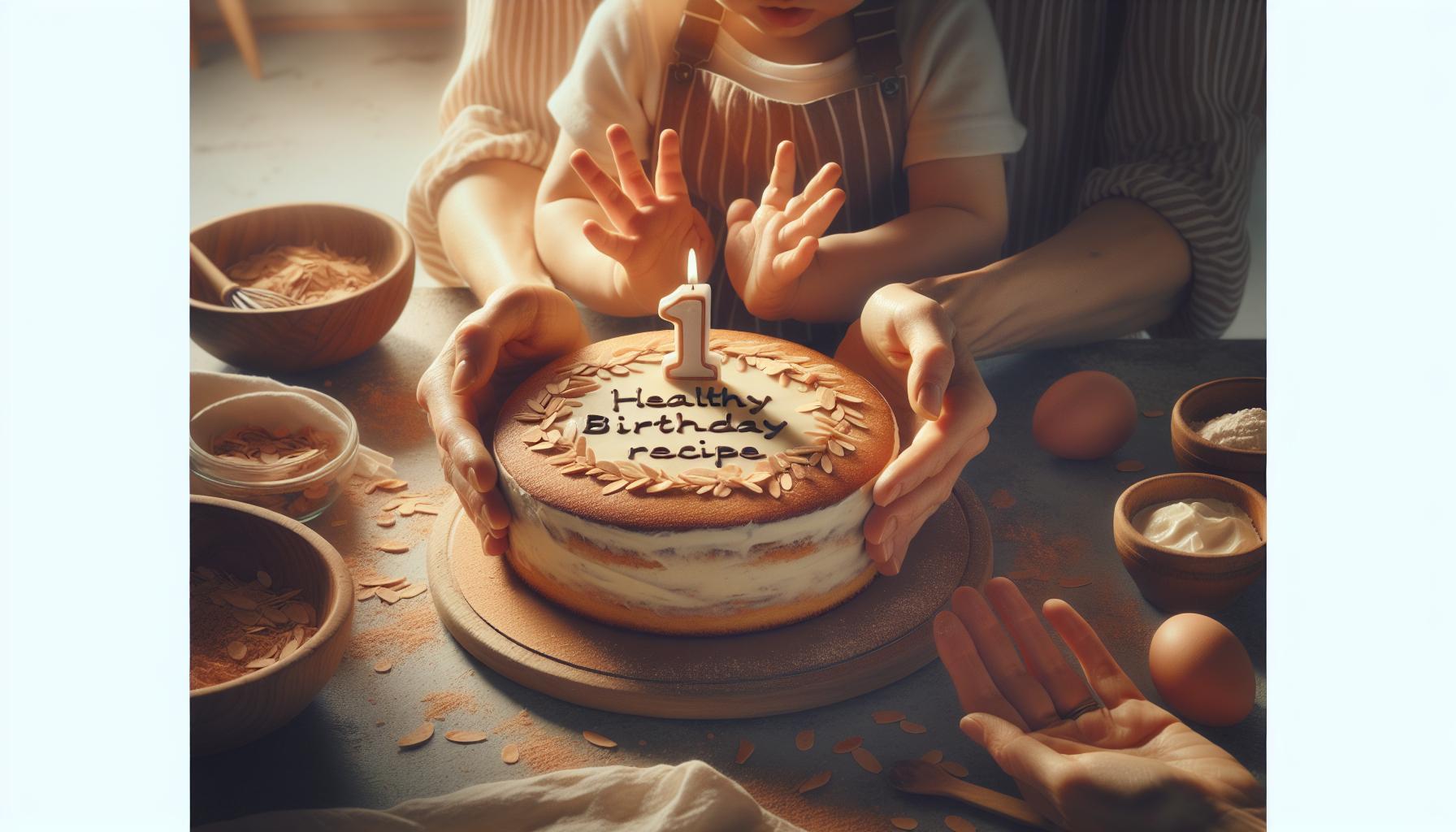
Healthy Birthday Cake Recipe for 1 Year Old

Naturally sweetened banana-apple smash cake recipe eliminating refined sugars and artificial additives.

Homemade Finger Foods

DIY Baby Puffs: Homemade Snacks Your Baby Will Love

Oat- and vegetable-based melt-in-the-mouth puffs supporting independent feeding and fine motor coordination.

Allergy Alternatives

Healthy First Birthday Cake Alternatives: Creative & Nutritious

Wholesome layered fruit towers, chia seed puddings, and grain-free smash cakes designed for sensitive digestions.

Nutrient Preservation, Batch Cooking & Puree Consistency Standards

Preparing homemade baby food grants parents absolute control over ingredient provenance, seasonal freshness, and texture calibration. Cooking techniques directly influence the retention of heat-sensitive micronutrients like Vitamin C, folate, and B-complex vitamins. Clinical nutritional testing demonstrates that light steaming preserves up to 85% of water-soluble vitamins compared to submerged boiling, where vital minerals leach directly into cooking water.

Batch cooking and hygienic storage protocols guarantee wholesome meal access without compromising infant safety. Freshly prepared purees should be transferred immediately into food-grade silicone freezing trays, flash-frozen at 0°F (-18°C), and stored in airtight glass or BPA-free containers. Each container must be labeled with the exact preparation date and consumed within 1 to 3 months to preserve essential fatty acid integrity.

Recipe TypeRecommended AgeCore IngredientsNutritional Benefit
Single-Vegetable Puree6–7 MonthsSteamed sweet potato, butternut squash, green peasBeta-carotene and dietary fiber for gentle digestion
Iron-Boosted Mash7–9 MonthsLentils, spinach, avocado, pureed pasture-raised chickenBioavailable iron and healthy fats for cognitive development
Texture Finger Foods9–12 MonthsSteamed carrot batons, soft banana bites, homemade puffsPincer grasp motor development and self-paced chewing
Allergy-Safe Smash Cake12+ MonthsOat flour, ripe bananas, unsweetened applesauceSugar-free celebration without gastrointestinal inflammation

Topic Directory & Practical Resources

Frequently Asked Questions

How long do homemade baby purees stay fresh in the freezer?

Homemade purees frozen in airtight silicone trays or freezer-safe containers retain optimal nutritional quality for up to 3 months. Once thawed in the refrigerator, consume purees within 24 to 48 hours.

Can I use cow’s milk in homemade baby food recipes before 1 year?

While whole cow’s milk should not replace breast milk or formula as a primary beverage before 12 months, small amounts can safely be used in baked goods or cooked purees starting around 6 months.

What natural sweeteners are safe for a baby’s first birthday cake?

Ripe mashed bananas, unsweetened applesauce, and pureed dates offer safe, nutrient-rich natural sweetness. Never use honey in baby recipes under 12 months due to infant botulism risk.