Dairy Free Egg Free Cake: Allergy-Friendly Baking Made Easy
Baking for your little ones with allergies doesn't have to be stressful. Dive into the world of dairy-free, egg-free cakes, …

Baby-Friendly Recipes provide carefully calibrated culinary formulas designed specifically for infants and young toddlers, prioritizing soft chewable textures, zero artificial additives, natural fruit sweetening, and common allergen alternatives.
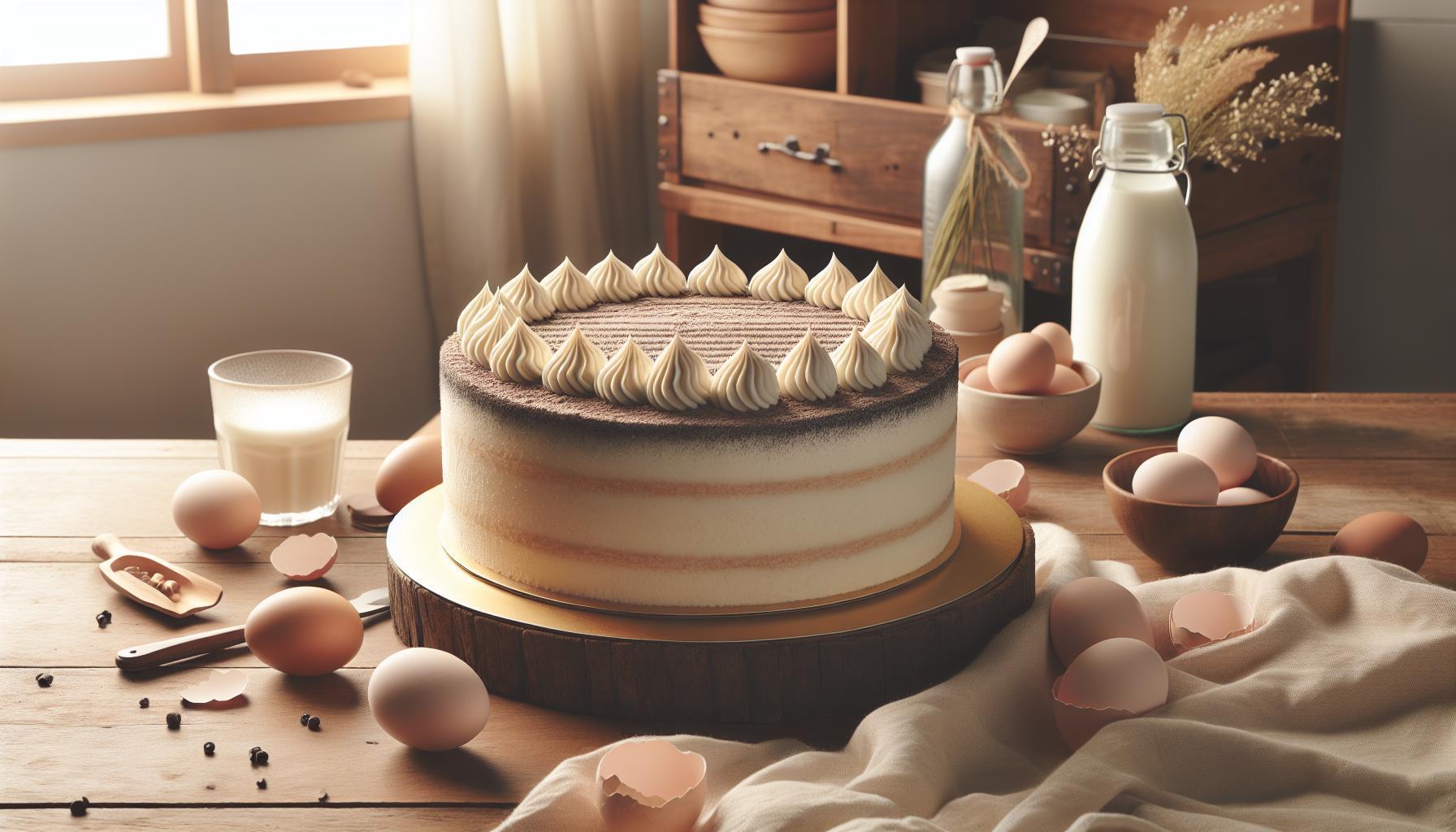
A tested double-allergen-free cake formulation that delivers soft crumb structure using clean, natural plant-based ingredients.
Petite 4-inch mini smash cake recipe designed to minimize food waste while offering complete ingredient control.
Certified organic grain-based cake recipe free from chemical preservatives, artificial colors, and cane sugars.
Non-toxic post-meal bath essentials to soothe sensitive skin after messy self-feeding exploration sessions.
Crafting meals specifically for babies requires deep awareness of infant oral motor anatomy and esophageal safety. Foods offered during early weaning must possess the appropriate mechanical consistency: soft enough to yield immediately between an infant’s gums or palate, yet structurally intact enough for small fingers to grasp without disintegrating into crumbly choking hazards. Hard, round, sticky, or tough foods—such as whole grapes, popcorn, raw carrots, and globs of thick peanut butter—must be strictly avoided or mechanically modified.
In baking for babies, replacing conventional white flour and refined granulated sugars with wholesome alternatives promotes healthy glycemic stability. Finely ground rolled oats, almond meal, and mashed bananas supply fiber, magnesium, and sustained energy without stressing developing metabolic pathways. Decorating cakes with whipped coconut cream or full-fat Greek yogurt colored with natural blueberry or beetroot juice replaces artificial petroleum-derived synthetic dyes.
| Age Milestone | Food Format | Texture Requirement | Key Safety Rule |
|---|---|---|---|
| 6–8 Months | Soft steamed spears, thick purees | Mashes completely with gentle tongue pressure | Length of adult index finger; never cut into small coin rounds |
| 8–10 Months | Soft-cooked patties, ripe fruit slices | Soft, tender, easily dissolved | Monitor baby sitting upright in high chair at all times |
| 10–12 Months | Bite-sized cubes, homemade baked puffs | Chewable with gums, easily swallowed | Encourage self-pacing; never force-feed |
| 12+ Months | Sugar-free mini smash cakes, toddler muffins | Moist crumb, naturally sweetened | Use natural fruit purees in place of honey or refined cane sugar |
Thick chilled coconut cream (scooped from full-fat canned coconut milk) or plain whole-milk Greek yogurt whipped with a dash of vanilla extract and pureed strawberries makes a fluffy, delicious, sugar-free frosting.
Ensure all solid foods are steamed until soft enough to squash between your thumb and forefinger with slight pressure. Cut foods into finger-length strips rather than small round circles that could lodge in an infant’s trachea.
Yes! Mild culinary herbs and spices like cinnamon, cumin, turmeric, oregano, and basil are safe and encouraged from 6 months. Avoid added salt and intensely spicy hot peppers like cayenne or chili powder.