Pediatric dietetics during the complementary feeding window (typically 6-12 months) is critical for the neurological development and the establishment of the infant microbiome. The introduction of solid foods requires precise knowledge of iron bioavailability, macro-nutrient density, and the immunological mechanics of food allergy prevention.The Pediatric Dietetics and Early Microbiome Engineering hub explores the nutritional science of infant weaning. Key attributes of a scientifically sound feeding strategy include recognizing the depletion of fetal iron stores, integrating heme and non-heme iron sources with Vitamin C, and utilizing Baby-Led Weaning (BLW) to develop oral motor skills and prevent tactile defensiveness. The value of this clinical approach lies in programming the child’s metabolic and immune systems for lifelong health.
Bioavailability and Allergen Introduction
We analyze the LEAP (Learning Early About Peanut Allergy) study, which revolutionized allergy guidelines by proving that early, sustained introduction of allergenic proteins drastically reduces the incidence of severe allergies. Our guides focus on the difference between soluble and insoluble fiber in the developing gut. By applying clinical nutrition to the highchair, parents can maximize cognitive and physical growth trajectories.
FAQ: Infant Nutrition
What is iron bioavailability? It refers to how easily the body can absorb and utilize the iron in food. Heme iron (from meat) is highly bioavailable, whereas non-heme iron (from spinach) requires Vitamin C for efficient absorption.
Why is early allergen introduction recommended? Exposing the infant’s immune system to allergenic proteins (like eggs or peanuts) through the gastrointestinal tract teaches the immune system tolerance, preventing it from mounting a dangerous allergic response later.
Food safety: Pathogen Control.
Treat your little one to homemade baby puffs—nutrient-packed snacks that are easy to make and delightful for tiny taste buds! …
Treat your furry friends to delicious pumpkin grain-free dog treats! Discover easy, nutritious recipes that will keep their tails wagging. …
Treat your furry friend to Coconut Flour Pumpkin Dog Treats, a delightful and nutritious snack that's grain-free! Packed with wholesome …
Baking for your little ones with allergies doesn't have to be stressful. Dive into the world of dairy-free, egg-free cakes, …
Is your little one spitting out food? You're not alone! This common behavior can stem from various causes, from developmental …
As parents, we want the best for our little ones, including safe products like Johnson & Johnson Baby Wash. Learn …
Creating a DIY baby gate for large openings is a practical solution that blends safety with style. This guide provides …
Cleaning baby bottles can feel daunting, but it doesn’t have to be! Discover our expert-backed tips for using your dishwasher …
Choosing the right elderberry remedy for your family can feel overwhelming. In this article, we’ll explore the benefits of elderberry …
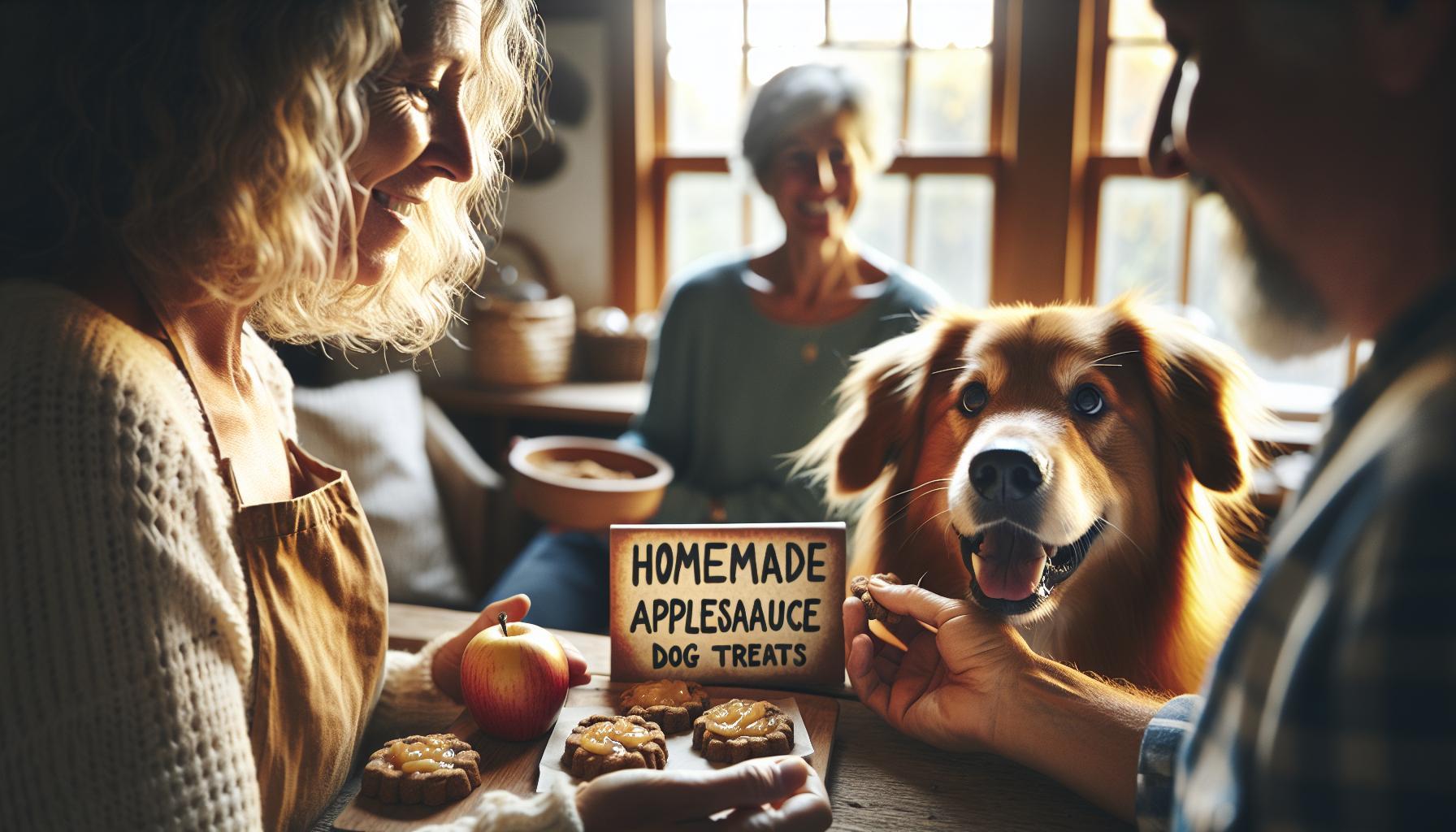
Treat your furry friend to homemade applesauce dog treats—wholesome snacks that combine essential nutrients with irresistible flavor! Easy to make, …