
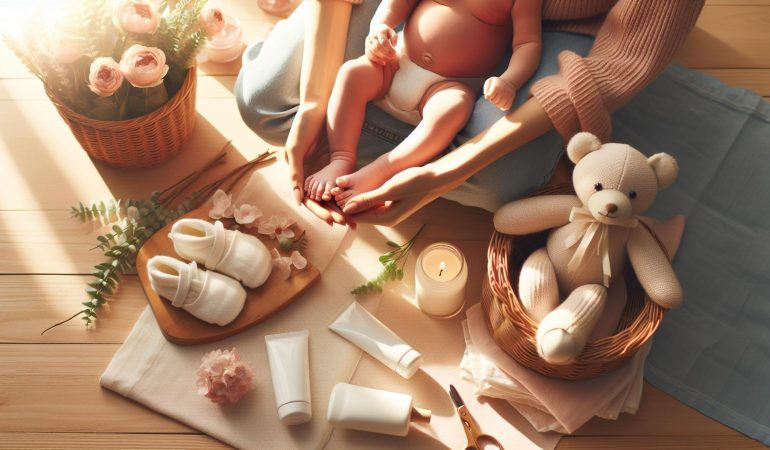
Navigating postpartum recovery is challenging enough without the added discomfort of ingrown toenails. Many new mothers encounter this painful condition due to hormonal changes and lifestyle adjustments. Understanding how to prevent and treat ingrown toenails is essential for maintaining foot health and overall well-being during this transformative time.
Understanding Ingrown Toenails: What New Parents Should Know
causes of Ingrown Toenails
Understanding what contributes to ingrown toenails is crucial for new parents, especially as they navigate the challenges of postpartum recovery. An ingrown toenail occurs when the edges of the toenail curve and grow into the surrounding skin, leading to pain, inflammation, and sometimes infection. The most common causes include:
- Improper Nail Cutting: Cutting toenails too short or rounding the edges can encourage the nail to grow into the skin.
- Footwear Issues: Tight shoes or socks can place pressure on the toes, exacerbating the risk of ingrown nails.
- genetic Predisposition: Some individuals might potentially be more prone to ingrown toenails due to the shape of their toenails or feet.
- Trauma: Injuries to the toenail, such as stubbing or dropping heavy objects, can trigger ingrown toenails.
Recognizing Symptoms Early
Being vigilant about signs and symptoms can make a significant difference in early intervention. Common signs of an ingrown toenail include:
- Redness and swelling around the toenail
- Pain or tenderness in the affected toe
- Presence of pus or fluid discharging from the site
- Difficulty wearing shoes comfortably
If you notice these symptoms in yourself or your partner after giving birth, it’s essential to seek guidance promptly from a healthcare professional to avoid complications.
Treatment Options
Treatment for ingrown toenails can vary based on severity, but several effective home remedies and professional treatments are available.Here are the most common approaches:
| Method | Description |
|---|---|
| Soaking in Warm Water | Soaking the affected foot in warm, soapy water can definitely help reduce swelling and relieve pain. |
| Cotton Wedge Technique | Gently placing a small piece of cotton between the toenail and skin can help the nail grow above the skin. |
| Over-the-Counter Pain Relief | Non-steroidal anti-inflammatory drugs (NSAIDs) can alleviate pain and reduce inflammation. |
| Medical Intervention | For chronic cases, a podiatrist may recommend surgical intervention to remove part of the nail. |
By understanding the causes, recognizing symptoms early, and knowing the available treatment options, new parents can navigate the complexities of postpartum recovery more effectively, ultimately avoiding the discomfort and complications that come with ingrown toenails.
Common Causes of Ingrown Toenails in Postpartum Women
Factors Leading to Ingrown Toenails in Postpartum Women
The journey into motherhood is often accompanied by significant physical changes, and one common ailment that many new mothers may face is ingrown toenails.This painful condition occurs when the edges of the toenails grow into the surrounding skin, leading to discomfort, swelling, and sometimes infection.understanding the causes can help in preventing this condition.
- Hormonal Changes: Postpartum hormonal fluctuations can affect the skin and nail growth. These changes can make toenails more prone to ingrowth as increased moisture and circulation may alter nail growth patterns.
- Weight Fluctuations: After childbirth, many women experience rapid changes in body weight. This can lead to altered foot structure and pressure on the toes inside shoes,which can push the nails into the surrounding skin.
- Footwear Choices: after giving birth, comfort often takes precedence over style.However, wearing ill-fitting shoes or sandals that do not provide proper support can exacerbate the risk of ingrown toenails.
- Improper Nail care: The time constraints of caring for a newborn can lead to neglect in personal grooming. Cutting toenails too short or rounding the edges can increase the risk of ingrown toenails.
Understanding the Risks
New mothers should also consider factors such as reduced mobility or injuries sustained during pregnancy and childbirth, which can contribute to foot problems, including ingrown toenails. It’s essential to pay attention to foot health during this transitional period, as small changes can lead to considerable discomfort.
To better illustrate these common causes, the following table summarizes how each factor may contribute to the risk of developing ingrown toenails:
| Cause | Impact on Toenail Growth |
|---|---|
| Hormonal Changes | Affects nail growth dynamics, can make them more pliable |
| Weight Fluctuations | Alters foot structure, increases pressure on toes |
| Footwear Choices | Contributes to improper toe alignment and pressure points |
| Improper Nail Care | Increases likelihood of nails growing into skin |
By being aware of these common causes, postpartum women can take proactive steps to prevent ingrown toenails and maintain their foot health during the postpartum period.
Expert-Recommended prevention Strategies for Healthy Feet
Understanding the Importance of Foot Care Postpartum
did you know that proper foot care is essential for new mothers,especially in preventing conditions like ingrown toenails? The postpartum period can bring changes in foot shape due to weight fluctuations and hormonal adjustments,making it crucial to adopt expert-recommended strategies for healthy feet. Here are some effective tactics to help maintain foot health and prevent ingrown toenails after childbirth.
Essential strategies for Prevention
Focusing on foot hygiene and footwear choices can make a significant difference in your overall foot health. Here are some expert tips:
- Choose Proper Footwear: Avoid tight-fitting shoes that can compress the toes.Instead, opt for breathable, supportive footwear that allows the toes to move freely. Look for shoes with rounded toes and ensure enough space for swelling, especially in the initial months postpartum.
- Practice Regular Nail Care: Keep toenails trimmed straight across instead of rounded at the corners. This helps prevent the nail edges from digging into the surrounding skin, a common cause of ingrown toenails.
- Maintain Foot Hygiene: Wash feet daily and make sure to dry them thoroughly, especially between the toes, to prevent moisture buildup that can lead to fungal infections or ingrown toenails.
- Monitor Foot Changes: Stay attentive to any discomfort or changes in your feet. If you notice signs of ingrown toenails or other foot issues, consult a healthcare professional promptly.
Creating a toe-Pleasant Environment
Having a supportive environment for your feet is just as crucial. Below is a simple table summarizing some additional environmental factors to consider:
| Factor | Recommended Action |
|---|---|
| Home Comfort | Wear soft slippers or open-toed sandals to reduce pressure on your toes. |
| Footwear Changes | Switch to supportive and cushioned shoes, especially if experiencing foot pain. |
| Foot Massage | Engage in gentle foot massages to improve circulation and relieve discomfort. |
By integrating these expert-recommended strategies into your daily routine, you empower yourself to combat the risk of ingrown toenails and other foot-related issues during the postpartum period. It’s vital not only to prioritize comfort but also to nurture your overall well-being as you embrace the joys and challenges of motherhood.
Home Remedies: Treating Ingrown Toenails Safely at Home
Did you know that the discomfort of ingrown toenails can substantially affect your daily life, especially during the postpartum period when your body is still healing? Luckily, there are safe and effective remedies you can try at home to alleviate the pain and promote healing.
Soothing Soaks
One of the most effective home remedies for ingrown toenails involves a simple soak.Warm water can definitely help reduce swelling and soften the skin around the toenail, making it easier to manage the pain.
- Ingredients:
– 1 cup of warm water
– 2 tablespoons of Epsom salt (optional) - instructions:
- Fill a basin or tub with warm water.
- Add Epsom salt and stir until dissolved.
- Soak your foot for 15-20 minutes.
- Gently pat dry and allow your foot to air dry fully.
Antiseptic Application
After soaking, applying an antiseptic can help ward off infection, which is crucial during the recovery process. Consider using over-the-counter options like hydrogen peroxide or witch hazel, which have natural antiseptic properties.
- How to Apply:
- Use a clean cotton ball to apply the antiseptic directly to the affected area.
- Let it dry before putting on socks or shoes.
Proper Nail Care
maintaining proper nail care is essential in preventing ingrown toenails from worsening. After the soak and antiseptic application, consider the following speedy tips:
- Keep your toenails trimmed straight across rather then rounded.
- Avoid cutting your nails too short, as this may encourage growth into the skin.
- Wearing well-fitted shoes can reduce pressure on the toenails, minimizing the risk of ingrown nails.
| Tip | Description |
|---|---|
| Moisturize | Apply lotion or oil around the nail area to keep the skin supple. |
| Footwear | Choose shoes with a wide toe box to prevent additional pressure. |
| Consultation | If pain persists despite home treatment, don’t hesitate to seek professional advice. |
By integrating these homemade remedies into your care routine, you can effectively manage ingrown toenails postpartum, easing discomfort and promoting faster healing.Remember, taking preventative steps and addressing issues early can significantly improve your comfort and overall wellness.
When to Seek Medical Advice: Recognizing Serious Symptoms
While many new mothers experience common postpartum challenges, some may face the painful issue of ingrown toenails. Recognizing when this condition may lead to more serious health concerns is crucial for prompt intervention and effective treatment. Even mild symptoms can escalate if left untreated, making awareness essential.
Identifying Red Flags
Ingrown toenails can often be managed at home with proper care, but certain symptoms warrant immediate medical attention. Here are some signs to look out for:
- Severe Pain: If the discomfort becomes debilitating and restricts daily activities, it’s time to consult a healthcare professional.
- Excessive Swelling: Noticeable swelling surrounding the toenail can signal an infection.
- Pus or Discharge: Any signs of pus or foul-smelling discharge indicate that the ingrown toenail may be infected.
- Fever: An elevated body temperature can be a sign of systemic infection and should prompt immediate evaluation.
- Persistent Symptoms: If symptoms do not improve after a few days of home treatment, seeking medical advice is essential.
When to Seek Professional Help
Consulting a specialist is particularly important for individuals with underlying health issues, such as diabetes or immune disorders, which can complicate even minor conditions like ingrown toenails. These individuals may require tailored treatment strategies to avoid further complications.
Practical Steps Before Your Appointment
If you find yourself needing medical advice, consider preparing for your appointment with the following:
- Document your symptoms, including duration and intensity.
- Note any self-care measures you’ve attempted and their effectiveness.
- Be ready to discuss your medical history, especially any conditions that may affect healing.
Understanding when to take action can make a significant difference in maintaining your health postpartum. If you’re unsure whether your symptoms warrant attention, err on the side of caution and reach out to a medical professional for guidance.
Foot Care Tips for New Moms: Comfort and Practicality
Prioritize Comfort in Footwear
Postpartum life can be hectic,and the tug of war between comfort and style often leaves many new moms with sore feet. It’s essential to choose footwear that provides support and accommodates any postpartum foot changes, such as potential swelling or changes in size.By selecting shoes that are both functional and stylish, moms can keep their feet happy while managing their new responsibilities.
- Choose Breathable Materials: Opt for shoes made from breathable fabrics to reduce moisture build-up, a common contributor to ingrown toenails. Natural materials like cotton or leather are ideal.
- Look for Adjustable Features: Shoes with adjustable straps or laces allow for a customized fit,accommodating any swelling throughout the day.
- Avoid Pointed-Toe Styles: Steer clear of shoes that easily crush your toes. Rather, select footwear with a wider toe box to give your toes ample space and prevent ingrown toenails.
Maintain Foot Hygiene
Taking the time to care for your feet is crucial during the postpartum period. Adopting a regular foot care routine can help prevent common issues like ingrown toenails,ensuring that you remain comfortable and pain-free while juggling your new roles.
- Regular Washing: Wash your feet daily using mild soap and warm water to remove dirt and sweat that can contribute to infections.
- Trim Nails Correctly: Cut toenails straight across rather than rounding the edges to minimize the risk of developing ingrown toenails.
- Moisturize: keep your feet moisturized to prevent dry skin, which can lead to cracking and other complications. Use a thick cream specifically formulated for feet.
Monitor Foot Health
Being aware of your foot health is paramount,particularly in the days and weeks following childbirth. Keep an eye out for any signs of distress, such as redness, swelling, or pain, especially around the toenails.
| Signs to Watch For | Potential Issues |
|---|---|
| redness around the toe | Possible ingrown toenail |
| Swelling or soreness | Pressure from tight shoes or ingrown toenail |
| Pain when wearing shoes | Improper shoe fit or nail issues |
By implementing these actionable foot care tips, new moms can not only prioritize their comfort and practicality but also proactively address and prevent issues like ingrown toenails postpartum.remember, taking care of your feet is essential for your overall well-being during this significant transition in your life.
Choosing the Right footwear During the Postpartum Phase
After childbirth, the postpartum phase can bring about significant changes in your body, including swelling and changes in foot size. One frequently enough-overlooked aspect is the impact of appropriate footwear on your comfort and overall foot health, especially when dealing with potential issues like ingrown toenails. Understanding the importance of choosing the right shoes can prevent discomfort and help you recover more effectively.
Why Proper Footwear Matters
During the postpartum period,many women experience foot changes due to hormonal fluctuations,water retention,and physical changes from pregnancy.Wearing the wrong type of shoes can exacerbate conditions like ingrown toenails, leading to further complications. Consider factors such as arch support, material, and heel height when selecting your footwear. The right shoes can aid in healing and provide necessary comfort during your daily activities.
Key Features to Look for in Postpartum footwear
- Roomy Toe Box: Shoes with a wide toe box can help prevent pressure on the toes, reducing the risk of developing ingrown toenails.
- Good Arch Support: Supportive shoes can alleviate pressure on the feet and improve overall alignment.
- Soft, Flexible Materials: Opt for shoes made from breathable and flexible materials to allow for swelling and movement.
- Low or Flat Heels: Avoid high heels during the initial postpartum phase as they can alter your center of gravity and lead to instability.
Practical Tips for Choosing the Right Shoes
When selecting footwear, here are some practical tips to ensure optimal comfort:
- Measure your feet regularly since women often find their foot size changes after pregnancy.
- Try on shoes later in the day when your feet are more prone to swelling for a more accurate fit.
- Look for adjustable straps or laces that can accommodate slight changes in foot size.
- Use orthotic inserts if necessary to provide additional support and prevent discomfort.
By taking these considerations into account and making informed choices, you can not only enhance your comfort but also support your overall foot health during the postpartum period.Remember,the right footwear can be an essential tool in preventing complications like ingrown toenails,making your recovery a bit smoother.
Embracing Self-Care: Prioritizing Your Well-being as a New Parent
The Importance of self-Care in the New Parenting Journey
Becoming a new parent is one of the most exhilarating yet overwhelming experiences in life. As you shift your focus to caring for your newborn,it’s easy to push your own needs to the back burner. However, neglecting your well-being can lead to stress and fatigue, making it challenging to care for your little one effectively. Self-care is not merely a luxury; it’s a necessity that helps ensure you are the best version of yourself for both you and your child.
To cultivate a robust self-care routine, consider implementing the following strategies:
- Prioritize Time for Yourself: Set aside a few minutes daily to engage in activities that recharge your batteries. Whether it’s a quiet cup of tea,a short walk,or even a favorite book,these small breaks can significantly enhance your mood and energy levels.
- Stay Active: Physical activity is a powerful stress-reliever.Incorporating gentle exercises like postpartum yoga or even a brisk walk with the baby in the stroller can boost your mood and improve your physical health, thereby reducing the risk of conditions such as ingrown toenails.
- Connect with Others: Social support is crucial during the postpartum period. Regularly connect with friends,family,or support groups. Sharing experiences and receiving encouragement can definitely help reduce feelings of isolation and promote emotional well-being.
- Establish Healthy Routines: Consistent routines for sleep, eating, and relaxation can create a structured environment that benefits both you and your baby. Focus on small adjustments that foster well-being,such as meal prepping for nutritious snacks that are easy to grab during the busy days.
Nurturing Your Body to prevent Postpartum Issues
Taking care of your physical health is particularly important postpartum, not only to prevent common ailments such as ingrown toenails but also to promote overall well-being. Here are some ways to keep your body in check:
| Self-Care Habit | Benefits |
|---|---|
| Regular Foot Care | Helps prevent ingrown toenails and maintains nail health. |
| Wearing Comfortable Shoes | Reduces pressure on feet, lowering the risk of ingrown toenails. |
| Moisturizing | Prevents dry skin and cracking, which can lead to additional foot issues. |
| Hydration | Aids in recovery and keeps skin healthy. |
Making self-care a priority in your journey as a new parent not only sets the foundation for a healthy lifestyle but also models healthy habits for your child. By taking the time to focus on yourself—mentally and physically—you’ll be better equipped to face the daily challenges of parenthood, ensuring that both you and your little one thrive.
Frequently asked questions
What are ingrown toenails postpartum?
Ingrown toenails postpartum occur when the nail grows into the surrounding skin,often causing pain and infection. this condition can be particularly frustrating for new parents, as it leads to discomfort while caring for a baby.
Additionally, hormonal changes and the natural swelling that occurs during pregnancy can contribute to toenail problems.New parents may also experience less time for foot care, increasing the risk of ingrown toenails. To learn more about foot care in the postpartum period, check out our foot care tips.
How can I prevent ingrown toenails postpartum?
Preventing ingrown toenails postpartum involves proper toenail care,such as trimming nails straight across and avoiding tight footwear. Taking these simple steps helps maintain healthy toenails during a hectic postpartum period.
Choosing shoes with breathable materials and enough room for your toes is also essential. Prioritizing self-care can feel daunting as a new parent, but finding small moments for foot maintenance can effectively prevent issues. For more tips,see our complete guide on postpartum foot care.
Why do ingrown toenails occur more frequently postpartum?
Ingrown toenails may occur more frequently postpartum due to hormonal changes and foot swelling during pregnancy. These factors can impact foot structure and nail growth.
Additionally, the physical demands of caring for a newborn can lead to less attention to personal foot hygiene. Remember that regular nail trimming and choosing the right footwear are crucial in avoiding this condition. Staying informed can definitely help you manage your foot health during this transformative time.
Can I treat ingrown toenails at home postpartum?
You can treat mild ingrown toenails at home postpartum by soaking your feet in warm, soapy water and gently pushing the skin away from the nail. this process can alleviate discomfort and promote healing.
Over-the-counter pain relievers can help with shoes if discomfort persists. However, if the ingrown toenail shows signs of infection, such as redness or pus, consult a healthcare professional immediately. Don’t hesitate to seek assistance, as timely intervention can prevent complications.
What symptoms indicate I need to see a doctor for ingrown toenails postpartum?
Consult a doctor for ingrown toenails postpartum if you experience *severe pain*, *swelling*, or *signs of infection*, such as pus or a persistent red streak. These symptoms indicate that the condition may require medical treatment.
In particular, if home remedies do not alleviate your symptoms, seeking professional advice is important. A doctor can provide treatment options that are safe for postpartum recovery, ensuring your overall health is prioritized.
how can wearing the right shoes help prevent ingrown toenails postpartum?
Wearing the right shoes helps prevent ingrown toenails postpartum by providing adequate support and space for the toes. shoes that are too tight can compress toenails, leading to improper growing directions.
Look for footwear made of breathable materials with a roomy toe box. Prioritizing comfort in your shoe choices can significantly reduce the risk of developing ingrown toenails. Regularly check your shoes to ensure they fit properly, especially during the postpartum period when your body may still be adjusting.
What other foot problems should I be aware of postpartum?
Postpartum, be aware of other foot problems such as *plantar fasciitis*, *flat feet*, and general foot pain. Hormonal changes can affect your foot health, leading to discomfort.
creating a foot care routine can help address these issues early on. Regular stretching, wearing supportive footwear, and staying informed about changes in your body can assist in keeping your feet healthy. For more detailed guidance, explore our section on postpartum foot health.
Key Takeaways
As we wrap up our exploration of ingrown toenails postpartum, it’s clear that this challenge, though frequently enough overlooked, can significantly impact new parents. Remember, prevention begins with simple habits — choosing the right footwear, keeping nails trimmed properly, and maintaining foot hygiene can go a long way in keeping discomfort at bay. If you do find yourself grappling with an ingrown toenail, rest assured that timely treatment options are available, from at-home remedies to professional care.
Your journey through parenthood is filled with unique trials and triumphs, and it’s completely normal to encounter bumps along the way — or in this case, discomfort in your feet! We encourage you to reach out to your healthcare provider if you have concerns, empowering yourself with the knowledge and resources needed to fully enjoy your precious moments.
We invite you to explore further topics that resonate with your parenting experience or share your insights and challenges. Together, we’re building a supportive community where we can navigate these ups and downs with compassion and understanding. Your well-being is critically important, and every step you take towards caring for yourself sets a positive example for your family.
Get our latest guides, news, and insights highlighted in your Google Search & AI Overviews.

