

Navigating nutrition after childbirth can be overwhelming for new parents,leaving many unsure of how to nourish themselves effectively during this critical time. With the right dietary guidance, new mothers can optimize recovery, boost energy levels, and support breastfeeding. This article explores essential strategies for eating well postpartum, helping to transform your wellness journey.
Understanding Your Nutritional Needs After Giving Birth
Did you know that the nutritional choices you make after giving birth can substantially influence your recovery and overall well-being? During the postpartum period, your body is on a remarkable journey of healing and adjustment, and proper nutrition plays a crucial role in supporting this process.
Replenishing Nutrients
After delivery, your body needs a variety of nutrients to recover and sustain your energy levels, especially if you are breastfeeding. Focus on the following nutrient-rich foods:
- Protein: Essential for tissue repair and recovery. Incorporate lean meats, eggs, beans, and legumes.
- Healthy Fats: Important for brain health and hormone regulation. Consider avocados, nuts, seeds, and fatty fish.
- Complex Carbohydrates: Provide sustained energy. opt for whole grains, fruits, and vegetables.
- Vitamins and Minerals: A pregnancy-focused multivitamin can help cover your bases,but be sure to include plenty of colorful fruits and vegetables in your diet.
A well-rounded diet not only aids in physical recovery but also enhances your mood and can definitely help prevent postpartum depression. Recent studies show that new mothers who prioritize thier nutrition report better emotional well-being and face fewer challenges during the early months of motherhood.
Hydration is Key
Staying hydrated is equally important, particularly for breastfeeding mothers. Dehydration can lead to fatigue and affect milk production. Aim to drink:
| type of Beverage | Recommended Amount |
|---|---|
| Water | 8-10 cups per day |
| herbal Teas | 1-2 cups per day |
| Broths | 1-2 cups per day |
Consider keeping a water bottle within reach at all times, and also include hydrating foods such as cucumbers, oranges, and watermelon in your diet.
Mindful Eating and Mental Health
Also, it’s essential to listen to your body’s hunger cues.Many new mothers experience fluctuating appetites. Engaging in mindful eating practices can help you connect with your nutritional needs. This means taking the time to enjoy your meals, recognizing what your body is telling you, and understanding that your needs may change daily.
Combining the insights and strategies from the *Postpartum Nutrition Book: Expert Advice on eating Well After Birth* can empower you to make choices that support both your health and that of your little one. By focusing on a balanced diet, staying hydrated, and practicing mindful eating, you can enhance your postpartum recovery and enjoy this transformative stage of life.
The Role of Macros: Balancing Proteins, Carbs, and Fats Postpartum
Did you know that balanced macronutrients are essential for recovery and energy levels during the postpartum period? Finding the right balance of proteins, carbohydrates, and fats can significantly impact your overall health, mood, and milk production if you are breastfeeding. Understanding the role of thes macros is pivotal for new mothers seeking guidance on nutrition after childbirth, as highlighted in the Postpartum Nutrition Book: Expert Advice on Eating Well After birth.
The Importance of Proteins
Protein is a key player in postpartum recovery, aiding in muscle repair and supporting the immune system. Women shoudl aim for about 1.5 to 2 times the standard protein intake during this period. Sources like lean meats, eggs, dairy, legumes, and nuts can definitely help meet these needs. For example, a simple meal could include grilled chicken, quinoa, and a side of black beans, providing a rich mix of protein and other beneficial nutrients.
The Role of Carbohydrates
While some may shy away from carbs after pregnancy, they are vital for replenishing energy stores, especially if you are active or breastfeeding.Aim for complex carbohydrates that provide sustained energy, such as whole grains, fruits, and vegetables.Consuming a variety of colorful produce not only fulfills your carbohydrate needs but also enriches your diet with essential vitamins and minerals.
Healthy Fats Matter
Healthy fats play an important role in hormone production and can help stave off postpartum depression. Include sources such as avocados, nuts, seeds, and fatty fish in your meals. Incorporating omega-3 fatty acids from foods like salmon or flaxseeds can also support brain health for both you and your baby, and may even boost mood.
| Macronutrient | Recommended Intake | Examples of Food Sources |
|---|---|---|
| Protein | 1.5-2x standard intake | Chicken, fish, eggs, legumes |
| Carbohydrates | Moderate to high | Whole grains, fruits, vegetables |
| Healthy Fats | Moderate | Avocados, nuts, olive oil |
Incorporating a balanced mixture of these macronutrients into your daily meals provides not just physical benefits, but also emotional support during this transformative period. As you navigate the complexities of motherhood, understanding your nutritional needs with insight from the Postpartum Nutrition Book: Expert Advice on Eating Well After Birth can lead to healthier choices and better outcomes for both you and your little one.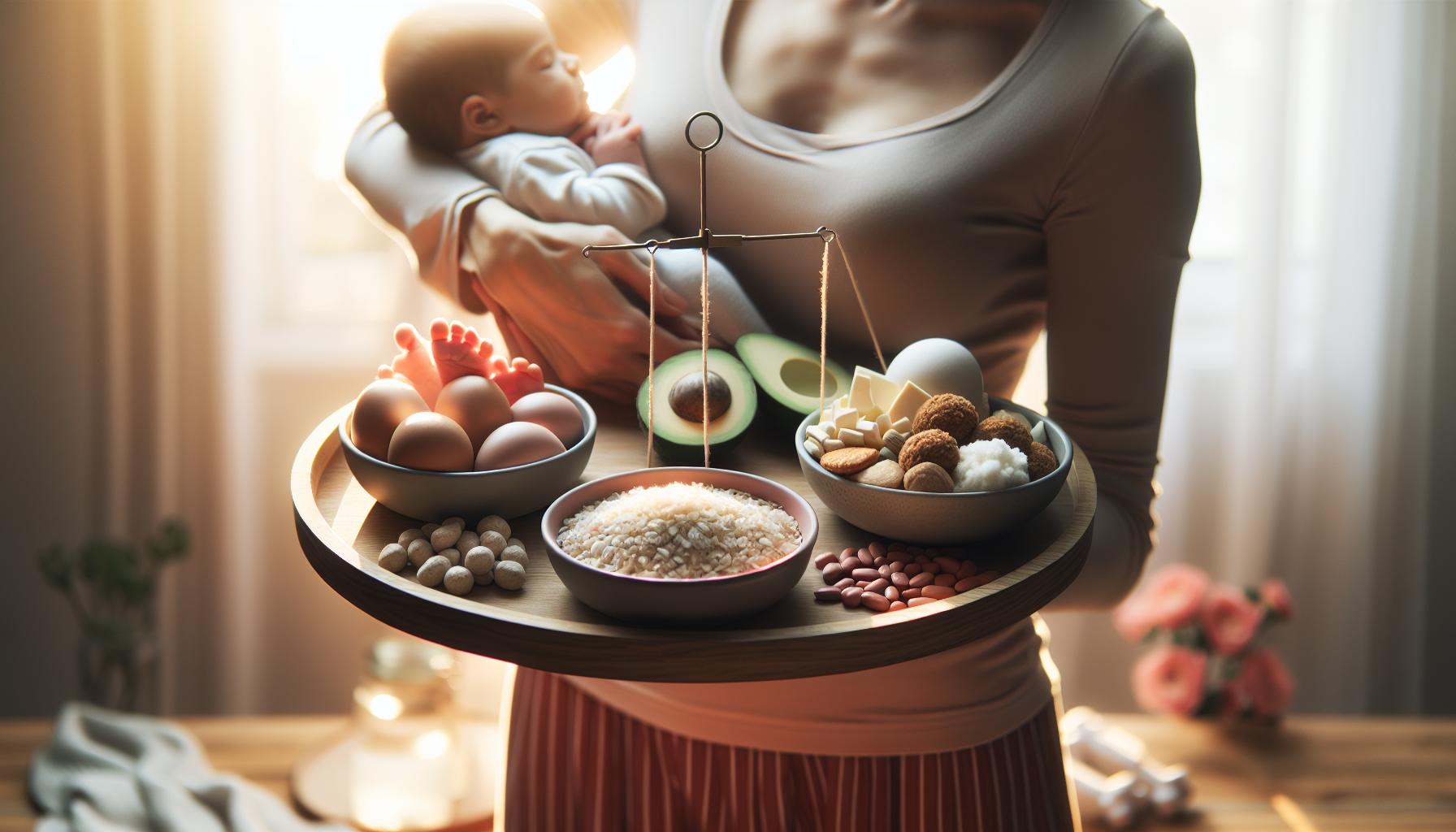
Superfoods for New Moms: What to include in Your Diet
Did you know that what you eat in the months following childbirth can significantly impact your recovery and breastfeeding success? The right foods can help alleviate fatigue, boost your mood, and ensure that you’re providing the best nutrition for your newborn.Referencing the insights from the *Postpartum Nutrition Book: Expert Advice on Eating Well After Birth*, let’s explore some essential superfoods that every new mom should consider adding to her diet.
Power-Packed Fruits and Vegetables
Fresh fruits and vegetables are brimming with vitamins, minerals, and antioxidants that play a pivotal role in postpartum recovery. Incorporate the following into your daily meals:
- Leafy Greens: Spinach and kale are excellent sources of iron and calcium, which are vital for replenishing your body’s nutrients.
- Berries: Packed with antioxidants, berries can definitely help reduce inflammation and support your immune system.
- Avocados: Rich in healthy fats, avocados provide essential nutrients and can support brain health for both you and your baby.
Protein-rich Foods
Protein is crucial for tissue repair and breastfeeding. Including adequate protein sources can keep your energy levels stable. Focus on:
- Eggs: A fantastic source of protein and choline, eggs help with brain function and muscle recovery.
- Legumes: Beans and lentils are not only high in protein but also rich in fiber, which can aid digestion.
- Fish: rich in omega-3 fatty acids, fish like salmon or sardines can support mood and heart health.
Whole Grains for Sustained Energy
Whole grains provide the necessary carbohydrates for energy, especially crucial for busy new moms. Including these can definitely help maintain energy levels throughout the day:
| Whole Grains | Benefits |
|---|---|
| Quinoa | Complete protein and fiber-rich |
| Brown rice | Fills you up and stabilizes blood sugar |
| Oats | Great for energy; promotes heart health |
By focusing on these superfoods, new mothers can optimize their nutrition and enhance their overall well-being during the postpartum period. The guidance provided in the *Postpartum Nutrition Book: Expert Advice on Eating Well After birth* reinforces the importance of a balanced diet, making it easier to nurture not only your baby but also yourself during this transformative time.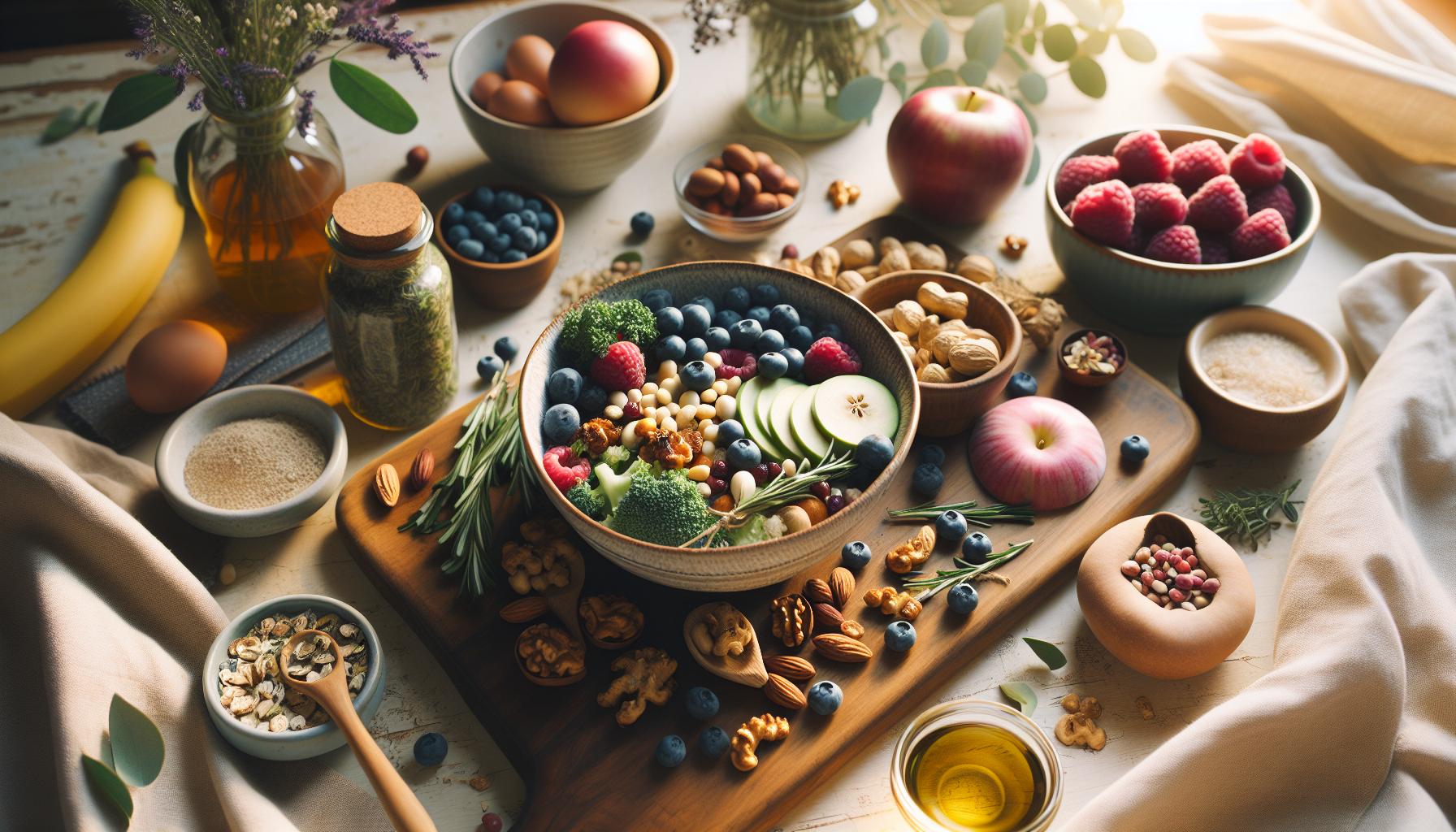
Meal Planning Made Easy: Practical Tips for Busy Parents
Did you know that effective meal planning can reduce stress levels for busy parents while also fostering healthier eating habits? With the right strategies in place, you can streamline your week’s meals, making nutritious choices easier and more attainable.
Prioritize Your Needs
understanding your family’s unique needs is the first step in accomplished meal planning. Consider everyone’s dietary preferences, allergies, and nutritional requirements, particularly if you’re in the postpartum phase. This not only promotes a balanced diet but also helps in recovery and managing energy levels. Engage your family in the planning process to create buy-in and excitement around your weekly meals.
Establish a Weekly Menu
A well-thought-out weekly menu can simplify your grocery trips and meal preparations. Here’s a straightforward way to create your menu:
- Choose a Theme for Each Day: For example, Meatless Mondays or Taco Tuesdays.
- Include Variety: Ensure you’re rotating proteins, grains, and vegetables throughout the week.
- Make Moast of the Pantry: Utilize canned,frozen,and dry goods to cut down on prep time and waste.
batch Cooking for Convenience
Batch cooking is a game-changer for busy parents.Preparing meals or ingredients in bulk on weekends allows for speedy assembly during your hectic weekdays. For instance, cook a large pot of quinoa, roast a variety of vegetables, and portion out proteins. You can use these components throughout the week in different recipes.
| Day | Batch Prep | Quick Meal Ideas |
|---|---|---|
| Monday | Cook quinoa | Quinoa salad with veggies and feta |
| tuesday | Roast a chicken | Chicken wraps with fresh greens |
| Wednesday | Prepare a vegetable stir-fry | Stir-fry with rice or noodles |
| Thursday | Make a large batch of soup | Soup with bread for a quick dinner |
| Friday | Chop assorted veggies | Veggie omelet or frittata |
Through the insights provided in the *postpartum Nutrition Book: Expert Advice on Eating Well After Birth*, it’s evident that meal planning not only aids in physical recovery but also supports emotional well-being. By strategically organizing your meals, you can make mealtime a delightful and nourishing experience for the whole family, paving the way for healthier habits that endure beyond the postpartum period.
Hydration and Healing: Why Water Matters in Your recovery
water is often overlooked in the whirlwind of postpartum care, yet it holds a crucial role in aiding recovery and supporting the body during this transformative time. Staying properly hydrated can significantly influence your energy levels, mood, and overall well-being, all of which are vital as you navigate the challenges of new motherhood.
The Role of water in Recovery
After giving birth,your body undergoes substantial changes that demand increased hydration. Blood volume and tissue fluid need replenishing, and hydration is key to adjusting to these changes. Here’s why water is essential:
- Promotes Healing: Adequate hydration helps to deliver essential nutrients to your cells, facilitating healing and recovery.
- Supports Lactation: Staying hydrated is particularly critically important for breastfeeding mothers as it aids in the production of breast milk.
- Maintains energy Levels: Water is vital for maintaining high energy levels, helping to combat the fatigue associated with postpartum recovery.
- Improves Mood: Dehydration can lead to irritability and mood swings, which is the last thing you need when adjusting to life with a newborn.
Hydration Tips for New Mothers
To ensure you’re getting enough fluids throughout your day, consider these practical hydration tips:
- Carry a Water Bottle: Keep a reusable water bottle filled and within reach, whether you’re nursing, changing diapers, or getting accustomed to your new schedule.
- Set Reminders: Use your phone to set reminders to drink water regularly. This can easily become a habit in your daily routine.
- Infuse Your Water: If plain water doesn’t excite you,try infusing it with fruits like lemon,berries,or cucumber for added flavor and nutrients.
- Eat Water-Rich Foods: Incorporate foods high in water content, such as cucumbers, oranges, and soups, into your meals.
| Water-Rich Foods | Water Content (%) |
|---|---|
| Watermelon | 92% |
| Strawberries | 91% |
| Cantaloupe | 89% |
| Peaches | 89% |
| Cucumbers | 95% |
| Spinach | 91% |
focusing on hydration is an essential part of your postpartum nutrition strategy. The insights within the “Postpartum nutrition Book: Expert Advice on Eating Well After Birth” highlight not only the importance of incorporating nutrient-dense foods but also the indispensable role of water in your recovery process. Make it a priority to stay hydrated, and you’ll likely find that you have more energy, improved mood, and a smoother transition into motherhood.
Supplements and Vitamins: What Do You Really Need?
Did you know that nearly 70% of new mothers report taking some form of supplements during the postpartum period? Making the right nutritional choices can make a significant difference in recovery and overall well-being. However, with the myriad of options available, it can feel overwhelming to determine which vitamins and supplements are truly necessary after giving birth.
Understanding Postpartum Nutritional Needs
After childbirth,your body undergoes significant changes and requires a blend of nutrients to heal and function optimally. While a balanced diet should be your primary source of vitamins and minerals, certain supplements can help bridge the gaps in your nutrition. Here are some key vitamins and supplements that may be beneficial during the postpartum phase:
- Folic Acid: Essential for DNA synthesis and cell division, folic acid can also help in the prevention of anemia.
- Iron: Postpartum blood loss may lead to lower iron levels, making iron supplements crucial for energy and recovery.
- Calcium and Vitamin D: These support bone health,especially important if you are breastfeeding.
- Omega-3 Fatty Acids: Beneficial for brain health, omega-3s can also help reduce postpartum depression symptoms.
Choosing the Right Supplements
Before starting any new supplement, it’s essential to consult with a healthcare professional. They can provide tailored recommendations based on your individual needs, dietary restrictions, and any existing health conditions. To make informed choices, consider the following practical steps:
- Review Your Diet: Keep a food diary for a week to identify any nutritional deficiencies.
- Research Quality Brands: Look for supplements that are third-party tested to ensure purity and potency.
- Be Cautious with Dosages: It’s essential not to exceed recommended amounts, as higher doses of certain vitamins can be harmful.
| Nutrient | Recommended Daily Intake Postpartum | Food Sources |
|---|---|---|
| Folic Acid | 500 mcg | Leafy greens, legumes, fortified cereals |
| Iron | 27 mg | Red meat, poultry, lentils, spinach |
| Calcium | 1,000 mg | Dairy products, almonds, fortified plant milks |
| Omega-3s | 200–300 mg | Fatty fish, flaxseeds, walnuts |
By staying informed and making thoughtful choices, the insights gained from a valuable resource like the *Postpartum Nutrition Book: Expert Advice on Eating Well After Birth* can empower you to nourish your body effectively during this critical phase of motherhood. Remember, supplements are there to complement a balanced diet, not replace it, so focus on whole, nutritious foods as your foundation.
navigating Cravings: Healthy Snack Ideas for New Mothers
Understanding Your Cravings
After giving birth, many new mothers experience intense cravings, frequently enough tied to hormonal changes, fatigue, and the demands of breastfeeding. Recognizing that these cravings can lead to unhealthy snacking choices, it’s essential to equip yourself with healthier alternatives that support not only your cravings but also your recovery and energy levels. A well-balanced diet during the postpartum period can positively impact mood, milk supply, and overall health.
Nutritious Snack Ideas
To help you navigate those cravings while adhering to the principles found in the *Postpartum Nutrition Book: Expert Advice on Eating Well After Birth*, here are some appetizing and nutritious snack ideas that provide the energy and nutrients your body needs:
- Greek Yogurt with Berries - A high-protein treat that’s great for energy and recovery, topped with antioxidants from fresh berries.
- Hummus and Veggie Sticks – A fiber-rich snack that balances carbohydrates with healthy fats, perfect for quick energy bursts.
- Nuts and Seeds – A source of healthy fats, magnesium, and protein; just a small handful can keep your energy levels stable throughout the day.
- Whole Grain Toast with Avocado – Creamy and satisfying,this snack combines healthy fats and fiber,helping you feel full longer.
- Energy Bites – Homemade bites made from oats, nut butter, and a touch of honey can curb sweet cravings without going overboard on sugar.
Quick Meal Prep Options
Creating a small arsenal of easy-to-make snacks can save you time and keep you nourished. Consider pre-preparing a batch of energy bites or veggie sticks at the beginning of the week. Always having these healthy options on hand can significantly reduce the temptation of reaching for less nutritious choices when cravings strike.
| Snack | Key Nutrients | Benefits |
|---|---|---|
| Greek Yogurt with Berries | Protein, Calcium, Antioxidants | Boosts energy, enhances mood |
| Hummus and Veggie Sticks | Fiber, Protein, Vitamin C | Supports digestion, prevents cravings |
| Nuts and Seeds | Healthy Fats, Magnesium | Improves heart health, sustained energy |
| Whole Grain Toast with avocado | Fiber, Healthy Fats, Vitamins | Provides fullness, supports lactation |
| energy Bites | oats, Nut Butter, Natural Sweeteners | Convenient, energy-dense snack |
These strategies and snack ideas highlighted in the *Postpartum Nutrition Book: Expert Advice on Eating Well After Birth* not only help in managing your cravings but also promote a healthful lifestyle for new mothers, ensuring that nourishment remains at the forefront of this transformative period.
Embracing Mindful Eating: Finding Joy in Your Postpartum Meals
Embracing the journey of motherhood can feel like a whirlwind, and amidst the chaos, nourishing your body often takes a backseat. One powerful way to reclaim your relationship with food is through mindful eating.This approach not only enhances your postpartum nutrition but also fosters a deeper connection with each meal, allowing you to experience joy and satisfaction, which is especially vital during the transformative postpartum phase.
Understanding Mindful Eating
Mindful eating involves being present during your meals, observing the flavors, textures, and aromas, rather than rushing through them. This practice encourages you to pay attention to hunger and fullness cues, helping you cultivate a healthy relationship with food. By savoring your meals,you can better appreciate the nourishment they provide,which is crucial for recovery and energy in the postpartum period.
Here are some practical tips to help you embrace mindful eating:
- Create a peaceful eating surroundings: Dine without distractions, such as phones or television. Consider setting the table nicely to make mealtime special.
- Slow down: Allow yourself time to eat. chew your food thoroughly and take breaks between bites to enjoy the flavors.
- listen to your body: Reflect on your hunger levels before and after meals. This will help you better understand your body’s needs.
- Celebrate your food: Take a moment to express gratitude for your meals. Reflect on the effort that goes into growing food, meal preparation, and the nourishment it provides.
Creating Nourishing Postpartum Meals
utilizing concepts from the *Postpartum Nutrition Book: Expert Advice on Eating Well After Birth*, you can design meals that are not only nourishing but also vibrant and enjoyable. Aim to include a balance of macronutrients—carbohydrates, proteins, and healthy fats—in each meal, which helps sustain energy and promotes healing.
| Nutrient | Food Sources |
|---|---|
| Protein | Lean meats, eggs, dairy, legumes, nuts |
| Healthy Fats | Avocados, olive oil, fatty fish, nuts, seeds |
| Complex Carbohydrates | Whole grains, sweet potatoes, fruits, vegetables |
Incorporating a variety of foods not only enriches your meals but also keeps things interesting. As an example,instead of just a salad,consider a colorful bowl with quinoa,roasted vegetables,chickpeas,and a drizzle of tahini dressing. This choice not only satisfies the palate but also ensures that you’re receiving ample nutrients, supporting your recovery as emphasized in the *Postpartum Nutrition Book: Expert Advice on Eating well After Birth*.
By marrying the concepts of mindful eating with the nutritional insights found in expert resources, such as this postpartum nutrition guide, you can find joy in your meals while nurturing your body and spirit during this special time.
frequently Asked Questions
What is the Postpartum Nutrition Book: Expert Advice on Eating Well After Birth?
The Postpartum Nutrition Book: Expert Advice on Eating Well After Birth is a resource designed to help new parents navigate nutritional needs during the postpartum period. It provides practical advice on healthy eating that supports recovery and promotes overall well-being.
In this book, you will find tailored meal plans, nutrient guides, and tips on managing cravings and energy levels. Focusing on balanced nutrition is vital, as it can significantly impact your mood, energy, and ability to care for your newborn. For more insights on postpartum care, check out our section on postpartum recovery.
How can I improve my nutrition after giving birth?
You can improve your nutrition after giving birth by focusing on whole, nutrient-dense foods. Prioritize a balanced diet that includes fruits, vegetables, lean proteins, and whole grains to support your physical and emotional recovery.
Hydration is also crucial; aim to drink plenty of water throughout the day. Additionally, consider incorporating foods rich in omega-3 fatty acids to boost mood and support breastfeeding. The Postpartum Nutrition Book: Expert Advice on Eating Well After Birth offers numerous recipes and tips specifically tailored for postpartum recovery.
Why dose postpartum nutrition matter?
Postpartum nutrition is essential as it helps new parents recover physically and emotionally after childbirth. Eating well supports healing, boosts energy levels, and can aid in mood stabilization during this transitional period.
Your body requires various nutrients to heal, especially if you’ve had a cesarean section or experienced significant blood loss. Furthermore, if you are breastfeeding, your nutritional intake directly impacts your milk quality and quantity, making it vital to nourish both yourself and your baby. For comprehensive strategies, refer to the Postpartum Nutrition Book: Expert Advice on Eating Well After Birth.
Can I diet while breastfeeding?
It is generally not recommended to pursue strict diets while breastfeeding. Rather, aim for gradual weight loss through a balanced approach to eating that nourishes both you and your baby.
<pCreating a plan that combines healthy eating with physical activity is effective. Consult the Postpartum Nutrition Book: Expert Advice on Eating Well After Birth for guidance on appropriate portions and healthy food swaps that promote both weight loss and milk production without compromising your health.
What foods should I avoid during the postpartum period?
During the postpartum period, it’s best to avoid highly processed foods, excessive sugar, and caffeine. These can lead to energy crashes or affect your mood negatively.
Instead,focus on nourishing your body with wholesome foods. The Postpartum nutrition Book: Expert Advice on Eating Well After Birth provides lists of foods to enjoy and those to limit, helping you make choices that support recovery and well-being.
How does postpartum nutrition affect mental health?
Nutrition can greatly influence mental health during the postpartum period. A well-balanced diet rich in vitamins, minerals, and omega-3 fatty acids can support mood stability and help reduce feelings of anxiety or depression.
<pPoor nutrition, on the other hand, may contribute to low energy levels and mood swings. The Postpartum Nutrition Book: Expert Advice on Eating Well After Birth discusses the relationship between food and mental health, emphasizing the importance of eating well for emotional well-being.
What are some quick meals I can prepare during postpartum recovery?
Quick meals during postpartum recovery can include smoothies, salads with protein, overnight oats, and healthy snacks like nuts and yogurt. These options are not only nutritious but also easy to prepare.
Utilizing meal prepping tips from the Postpartum Nutrition Book: Expert Advice on Eating Well After Birth can make cooking less daunting and ensure you have nutritious meals ready to fuel your busy days with a new baby.
The way Forward
As you embark on this gorgeous journey of postpartum recovery, remember that nourishing your body is as vital as caring for your little one. In “Postpartum Nutrition Book: expert advice on Eating Well After Birth,” we’ve explored the essential dietary strategies that support your healing, sustain your energy, and even enhance your overall well-being. From understanding the importance of balanced meals to recognizing the role of hydration and micronutrients,each chapter is designed to empower you with knowledge and practical tips. We hope this resource serves as a trusted companion as you navigate the joys and challenges of new parenthood.
Don’t hesitate to dive deeper into the world of postpartum nutrition—there’s so much more to discover! Feel free to reach out, share your experiences, or ask questions as you prioritize your health and that of your family. Remember, you’re not alone in this journey; together, we can embrace the beauty of motherhood with confidence and care.
Get our latest guides, news, and insights highlighted in your Google Search & AI Overviews.

