

As a nursing professional, staying hydrated is crucial to maintain your energy and focus during long shifts. But with busy schedules, finding the right electrolytes for optimal hydration can be challenging. Discover the best options that not only replenish fluids but also support your health throughout your demanding nursing journey.
Understanding the importance of Electrolytes in Nursing
Did you know that even mild dehydration can significantly impair your cognitive functions and overall performance? For nursing professionals, staying hydrated is crucial, not just for personal health but also for ensuring the best possible care for patients. Electrolytes—minerals that carry an electric charge—are pivotal in maintaining hydration levels, promoting nerve function, and balancing fluids in the body.
Why Nurses Should Prioritize Electrolyte Balance
As nurses are often on their feet for long hours, the risk of dehydration and electrolyte imbalance increases significantly. Electrolytes such as sodium, potassium, calcium, and magnesium are essential for various physiological processes, including muscle function and fluid regulation. When these minerals are deficient, it can lead to fatigue, muscle cramps, and impaired cognitive function—all of which can adversely affect your nursing duties.
- Sodium: Helps maintain fluid balance and is crucial for nerve function.
- Potassium: Regulates heart function and muscle contractions.
- Calcium: Essential for muscle function, including the heart, and bone health.
- Magnesium: Plays a vital role in over 300 biochemical reactions in the body, including energy production.
Incorporating Electrolytes into Your Daily Routine
To keep your electrolytes in check throughout your nursing journey, consider incorporating foods and drinks rich in these minerals. Here’s a simple table demonstrating some of the best sources of electrolytes:
| Electrolyte | Top Food Sources | Recommended Hydration Source |
|---|---|---|
| Sodium | Table salt, broth, cured meats | Electrolyte drinks |
| Potassium | Bananas, spinach, potatoes | Coconut water |
| Calcium | Dairy products, almonds, leafy greens | Calcium-fortified beverages |
| magnesium | Nuts, seeds, whole grains | Magnesium-infused waters |
In addition to food sources, consider the best electrolytes for hydration during your nursing journey by exploring ready-to-drink electrolyte solutions or powders that can easily be mixed with water. This not only helps to make hydration convenient but also ensures you’re replenishing the essential minerals needed to sustain energy levels and mental clarity during demanding shifts. By paying close attention to your hydration and electrolyte intake, you can maintain the vitality needed for effective nursing practice.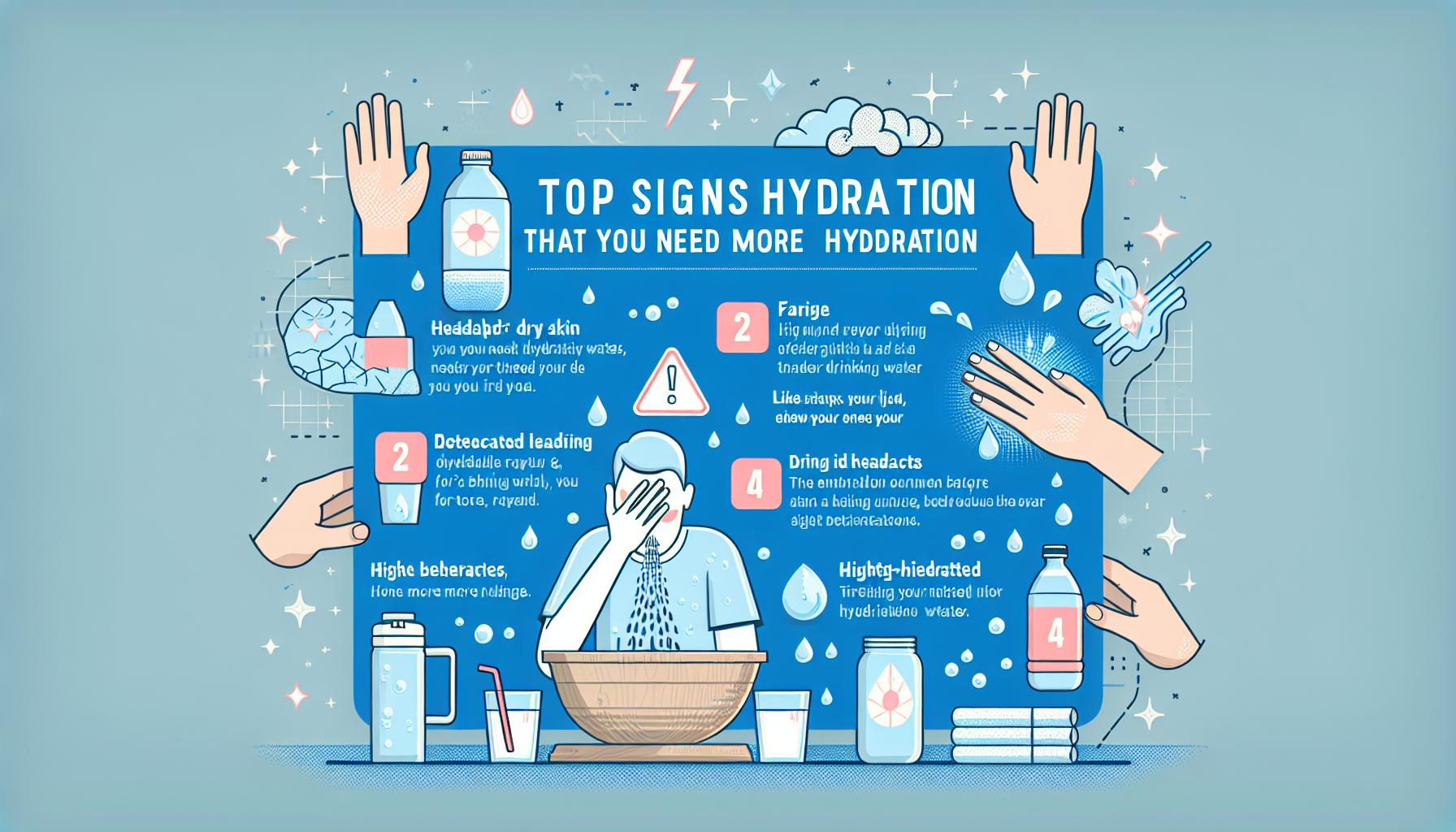
Top Signs That You Need More Hydration
Did you know that hydration plays a critical role in your overall health, particularly if you’re navigating the demands of nursing? Insufficient fluid intake can manifest in various ways, and being aware of these signs is crucial for maintaining your vitality during long shifts. Here are some of the most telling indicators that your body is craving more hydration.
Common Symptoms of Dehydration
Recognizing the signs of dehydration is the first step toward ensuring your body receives the fluids it needs. Below are some common symptoms that may indicate a need for more hydration:
- Dry Mouth and Throat: One of the earliest signs of dehydration is a persistent feeling of dryness in your mouth or throat.
- Fatigue: If you find yourself unusually tired or lethargic, it may be your body’s way of signaling that it needs more fluids.
- Dark Urine: A notable change in urine color can indicate hydration levels. If your urine is dark yellow or amber, it’s a telltale sign you need to drink more.
- Dizziness or Lightheadedness: Experiencing spells of dizziness can occur if your body is lacking adequate water.
- Headaches: Dehydration can also cause tension headaches due to reduced fluid levels that support brain function.
Physical Indicators to Watch For
Along with the symptoms mentioned, there are physical signs to keep an eye on that can signal a need for improved hydration as you juggle work and nursing. Here’s what you should be aware of:
- Dry Skin: If your skin looks dull or feels rough and flaky, inadequate hydration could be the reason.
- Constipation: Insufficient fluids can lead to digestive issues, so if you’re struggling more than usual, it might be time to drink up.
- Muscle Cramps: If you experience muscle cramps frequently, this could be a sign of electrolyte imbalance and fluid deficiency.
Daily Hydration Tips
Maintaining optimal hydration is especially critically important amid the responsibilities of nursing. Here are some practical tips to enhance your fluid intake:
| Tip | Description |
|---|---|
| Carry a water Bottle | Keep a refillable water bottle at your side during your shifts to remind you to drink regularly. |
| Set Reminders | Use your phone or smart watch to set hourly alerts that prompt you to take a sip of water. |
| Choose Electrolyte-rich Beverages | Incorporate the best electrolytes for hydration during your nursing journey to replenish both fluids and minerals lost through sweat. |
| Eat Hydrating Foods | Include fruits and vegetables with high water content, like cucumbers and watermelon, in your meals. |
By staying vigilant about these signs and implementing effective hydration strategies, you can support your energy levels, focus, and overall health throughout your nursing journey.
Natural vs. Supplemented Electrolytes: What’s Right for You?
Did you know that proper hydration is a critical element of maintaining energy levels, especially during physically demanding periods, such as nursing? Electrolytes play a key role in this process, but the source of these electrolytes can vary significantly between natural and supplemented forms. Understanding the differences can help you make an informed choice about what is right for your hydration needs during your nursing journey.
Natural Electrolytes: A Nourishing Choice
Natural electrolytes are found in whole foods and beverages that provide a rich source of essential minerals like sodium, potassium, magnesium, and calcium. Consuming these through foods not only replenishes your electrolyte levels but also delivers additional nutrients that your body recognizes and utilizes efficiently.
Examples of Natural Sources:
- coconut water: Renowned for its hydrating properties and natural balance of electrolytes.
- Bananas: A grate source of potassium that supports muscle function and prevents cramps.
- Leafy greens: Spinach and kale are packed with magnesium, pivotal for energy production.
- Broths: A savory way to intake sodium and chloride, particularly beneficial if you are feeling under the weather.
Eating a diet rich in these foods not only helps with hydration but contributes to overall health and wellness, essential for any nursing professional working long shifts.
Supplemented Electrolytes: Convenience and Precision
Conversely, supplemented electrolytes come in various forms, including powders, tablets, and ready-to-drink beverages. These can offer a more precise and convenient way to replenish electrolytes, particularly in hectic situations where accessing whole foods may not be feasible. The ability to mix or consume these products quickly makes them appealing for busy nurses looking for a swift hydration boost.
Considerations for Supplementation:
- Fast absorption: Supplements designed for hydration often come with a formula that allows for swift absorption into the bloodstream.
- Customizable intake: With a variety of options available, it’s easy to choose a product tailored to your specific needs, such as energy boosts or recovery.
- Flavor enhancement: Many electrolyte drinks come in multiple flavors, which can be a refreshing change during long shifts.
Though, while the convenience of supplemented electrolytes is undeniable, it’s critically important to choose high-quality products without excessive sugars or artificial additives.
Finding Your Balance
Ultimately, the choice between natural and supplemented electrolytes depends on your lifestyle, hydration needs, and personal preferences. As a notable example, if you’re preparing for a long shift and anticipate sweating a lot, a supplemented electrolyte mix might be advantageous. Conversely,on your day off,focusing on whole foods can be a delicious and nourishing way to maintain your hydration.
| Criteria | Natural Electrolytes | Supplemented Electrolytes |
|---|---|---|
| Source | Whole foods (fruits,veggies,broths) | Powders,tablets,ready-to-drink beverages |
| Convenience | Requires meal prep | Easily portable,instant consumption |
| Absorption | Whole foods may take longer to digest | Fast absorption into the bloodstream |
| Flavor | Natural flavors | Variety of flavors available |
Each option brings unique benefits to the table,ensuring you can maintain optimal hydration on your nursing journey. Balancing both approaches could be the key to staying healthy and energized.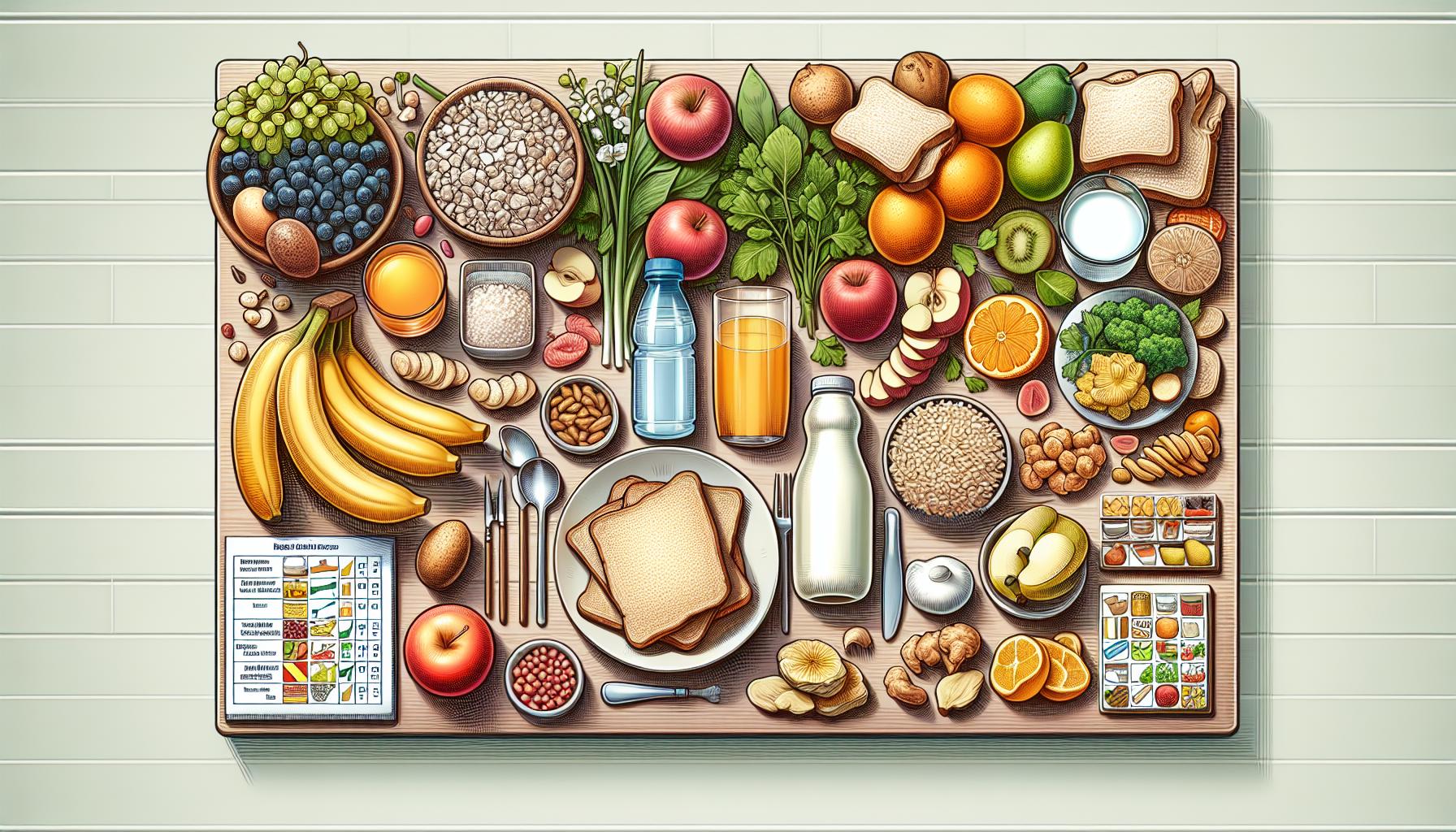
The Best Electrolyte Sources for Nursing Mothers
Did you know that maintaining optimal hydration is crucial for nursing mothers,not just for their own health but also for the quality of their breast milk? During lactation,the demand for certain electrolytes increases,and meeting these needs can sometimes be challenging. Let’s explore some of the best sources of electrolytes that can definitely help support nursing mothers on their hydration journey.
Top Electrolyte Sources for Nursing Mothers
When it comes to replenishing electrolytes, nursing mothers should aim for a variety of foods and drinks rich in these essential minerals. Here are some of the best sources:
- Coconut water – A natural source of potassium, coconut water can hydrate effectively and is lower in sugar than many sports drinks.
- leafy Greens – Spinach, kale, and other greens are packed with magnesium and calcium. They can be easily added to smoothies or salads.
- Fruits – Bananas, oranges, and avocados are not only delicious but also rich in potassium and other vital electrolytes.
- Bone Broth – A comforting choice that provides sodium and potassium, as well as other nutrients beneficial for overall health.
- Electrolyte Tablets or Powders – Convenient for on-the-go hydration, these products can be mixed with water for a quick electrolyte boost.
- Yogurt – this tasty snack is rich in both calcium and potassium, plus it provides probiotics that are also beneficial for gut health.
- Electrolyte Drinks – Look for options low in sugar and free from artificial ingredients to stay hydrated effectively.
Quick Reference Table of Electrolyte Sources
| Source | Electrolytes |
|---|---|
| Coconut Water | Potassium, Sodium |
| Leafy Greens (Kale, Spinach) | Magnesium, Calcium |
| Bananas | Potassium |
| Bone broth | Sodium, Potassium |
| Yogurt | Calcium, Potassium |
| Electrolyte drinks | Varies by brand |
By incorporating these foods and drinks into their diet, nursing mothers can effectively maintain hydration levels and ensure they’re replenishing crucial electrolytes lost during breastfeeding. Remember that staying hydrated not only supports personal health but also contributes to the well-being of your little one.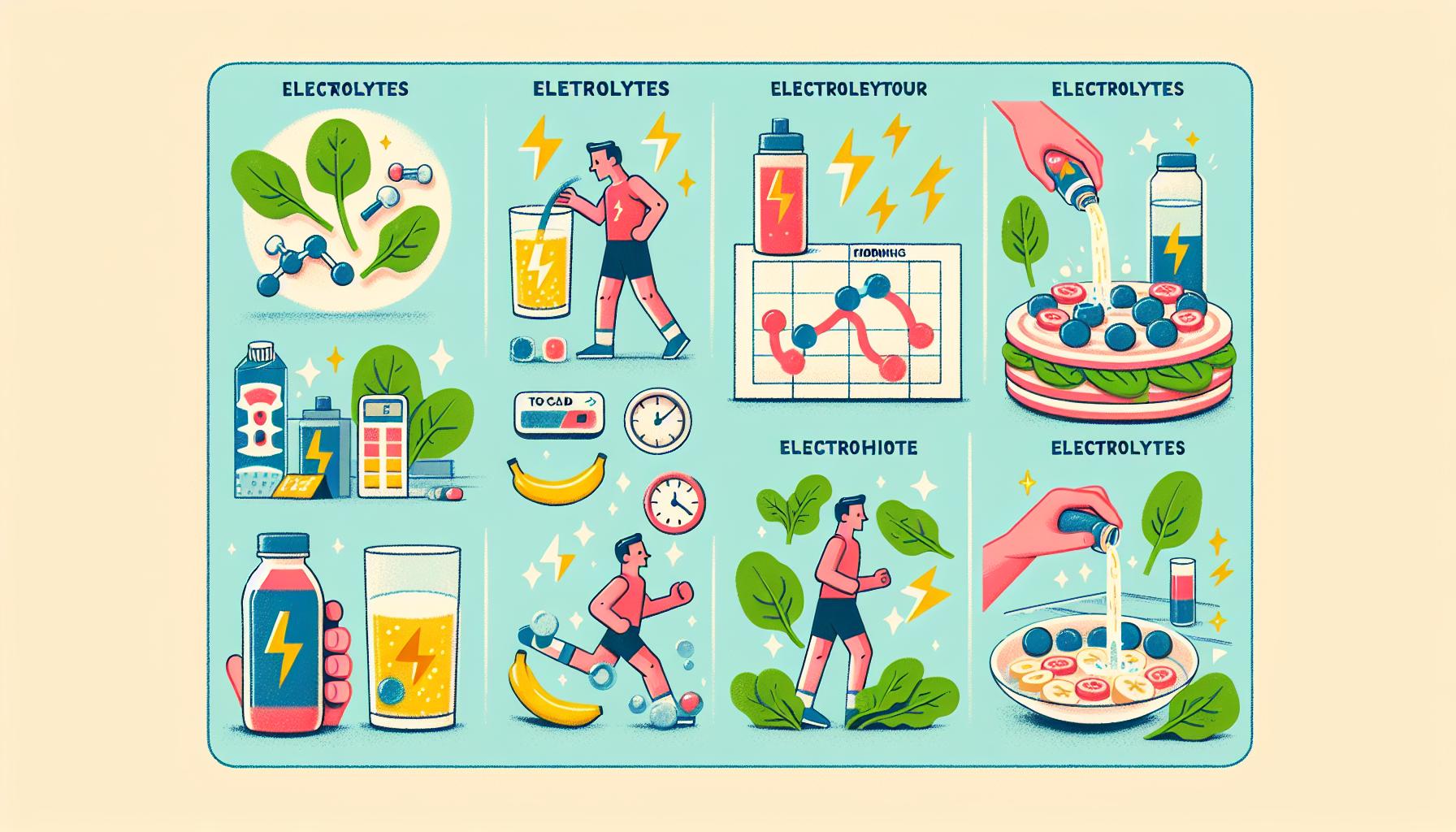
How to Incorporate Electrolytes Into your Daily Routine
Did you know that maintaining the balance of electrolytes in your body can make a significant difference in your energy levels and hydration, especially during the demanding nursing journey? Proper hydration is crucial for optimal physical and mental performance, and incorporating the best electrolytes into your daily routine can definitely help ensure that your body functions at its peak. Here are some practical ways to do just that.
Start with your Morning Routine
Kickstart your day by adding an electrolyte-rich beverage to your morning routine. Whether you prefer a glass of coconut water, which is naturally high in potassium, or an electrolyte powder mixed into your morning smoothie, these options can set you up for success. If you’re a coffee drinker, consider choosing a low-sugar electrolyte-infused coffee or tea to boost hydration alongside your caffeine fix.
- Coconut Water: Refreshing and natural, it offers a perfect balance of electrolytes.
- Electrolyte Powders: Easily mix into smoothies or water for a quick hydration boost.
- Infused Water: Add slices of lemon, cucumber, or berries to water for added flavor and nutrients.
Hydration Throughout the Day
As you navigate your busy nursing shifts, keep hydration within reach. Here are some strategies to incorporate electrolytes seamlessly into your day:
- Invest in a Good Water Bottle: A large water bottle with measurement markers can remind you to drink regularly and can also be used for mixing your preferred electrolyte drinks.
- Set Reminders: Use your phone or a hydration app to remind you to take a sip every hour. Pair this with designated snacks like almonds or yogurt, which contain natural electrolytes.
- Keep Snacks Handy: Incorporate snacks that are rich in electrolytes such as bananas, avocados, and nuts.Packing a trail mix with seeds and dried fruits not only replenishes your electrolyte levels but also provides a quick energy boost during your shift.
Pre- and Post-shift Hydration
Your hydration strategy should extend to pre- and post-shift routines. Prior to your shift, make sure you hydrate adequately. Consider consuming a drink made with the best electrolytes for hydration during your nursing journey at least 30 minutes before heading into work.
After your shift, it’s just as crucial to replenish. enjoy a variety of recovery drinks; electrolyte beverages post-shift can work wonders, helping restore lost fluids and electrolytes. Experiment with diffrent natural options or electrolyte tablets to find what your body responds to best.
| Hydration Timing | Recommended Beverage/Snack | Electrolyte Content |
|---|---|---|
| Before Shift | Coconut Water | High in potassium, low in sugar |
| During Shift | Electrolyte Powder in Water | Customizable mix for various needs |
| After Shift | Recovery Drink or Electrolyte Tablets | Restores electrolytes lost during the day |
By integrating these tips into your routine, you can ensure that you are well-hydrated and supported by the best electrolytes for hydration during your nursing journey, ultimately enhancing your overall well-being and performance at work.
Hydration Tips: Balancing Water and Electrolyte Intake
Did you know that your body is composed of approximately 60% water? This makes proper hydration essential for your overall wellness, especially during your nursing journey. Balancing water intake with electrolytes can promote better hydration, optimize your body’s functions, and keep your energy levels steady, enabling you to care for your patients more effectively.
Understanding Electrolytes and Their Importance
Electrolytes, such as sodium, potassium, magnesium, and calcium, play a vital role in maintaining fluid balance in your body. They help transmit electrical signals between cells, regulate muscle and nerve function, and are crucial in hydration. Dehydration or an imbalance in electrolytes can lead to fatigue, muscle cramps, and diminished focus—all of which can severely impact your performance as a nurse.
To ensure you’re getting a balanced intake, consider these keys to hydration:
- water First: Begin with a sufficient baseline of water throughout your day—aim for at least 8-10 cups daily, adjusting based on your activity level.
- Incorporate electrolytes: Include natural sources of electrolytes in your diet, such as bananas (potassium), leafy greens (magnesium), and dairy (calcium).
- Mind Your Sweat: If you’re sweating significantly during shifts, it’s crucial to replenish lost electrolytes by consuming sports drinks or electrolyte powders that offer balanced nutrients.
- Listen to Your Body: While the standard guideline is helpful,individual needs vary. Pay attention to signs of dehydration or imbalances, like muscle fatigue or headaches.
Practical Hydration Strategies
To optimize your hydration strategy during your nursing shifts, consider incorporating a structured plan. A table outlining a daily hydration routine can serve as a quick reference:
| Time | Action | Notes |
|---|---|---|
| Morning (8 AM) | Drink 1 cup of water | Start your day hydrated. |
| Mid-Morning (10 AM) | Snack on a banana | Provides potassium and natural sugars. |
| Lunch (12 PM) | Drink 1-2 cups of water | pair with a balanced meal. |
| Afternoon (3 PM) | Drink an electrolyte-rich beverage | Replenish fluids and minerals. |
| Evening (5 PM) | Drink 1 cup of water | Prepare for the following day. |
These strategies can not only keep you hydrated but also help optimize your electrolyte levels. Remember,achieving a good balance of both liquid and electrolytes is vital to sustaining your energy and focus,particularly in the demanding environment of nursing. Stay mindful of your body’s cues, and you’ll find that managing hydration becomes a seamless part of your daily routine.
Expert Recommendations for Choosing Electrolyte Products
Did you know that proper hydration can significantly affect your milk production and overall wellness during the nursing journey? Selecting the right electrolyte products can enhance your hydration levels and contribute to your physical and mental stamina. Here’s how to make an informed choice.
Understanding Your hydration Needs
Before diving into specific products, it’s crucial to understand your personal hydration needs. Nursing mothers often experience increased fluid requirements due to milk production and nutrient needs. Here are some factors to consider when assessing your hydration needs:
- Activity Level: The more physically active you are, the more electrolytes you may need.
- Diet: A well-balanced diet with adequate fruits and vegetables can help maintain electrolyte balance, but sometimes supplements might still be necessary.
- Weather Conditions: Hot, humid weather can lead to higher electrolyte loss through sweat.
Key Ingredients to Look For
When evaluating electrolyte products, pay attention to their ingredient list. Here are a few key components that signify a quality electrolyte solution:
- Sodium: essential for fluid balance and helps in retaining hydration.
- Potassium: Vital for muscle function and can help prevent cramping.
- chloride and Magnesium: These minerals support nerve function and overall hydration status.
Choosing between Natural and Synthetic Options
The choice between natural and synthetic electrolyte products often boils down to personal preference and dietary restrictions. Natural products like coconut water or electrolyte-rich broths provide hydration along with additional nutrients. In contrast, synthetic products, such as sports drinks, may offer targeted sodium and carbohydrate concentrations, which can be beneficial during exercise or when you’re extremely thirsty.
Comparing Popular Electrolyte Products
A well-balanced evaluation of different electrolyte products can help you find the most suitable option for your nursing journey. Below is a simple comparison table of popular electrolyte solutions:
| Product Name | Type | Electrolyte Content | Flavor Options | Best For |
|---|---|---|---|---|
| Coconut Water | Natural | High in Potassium | Natural Flavor | Everyday Hydration |
| Pedialyte | Oral Rehydration Solution | Balanced Electrolyte | Variety of Flavors | Dehydration Recovery |
| Electrolyte Tablets | Synthetic | Customizable Electrolyte Levels | Multiple Flavor Options | On-The-Go Hydration |
By considering these factors, you can confidently choose electrolyte products that align with your hydration needs during your nursing journey. Remember,staying well-hydrated is a vital component of not only your health but also the health of your little one. Adjust your intake as necessary and embrace a variety of sources to keep your body functioning at its best.
Making Hydration Fun: Creative Ways to Stay Hydrated During Your Nursing Journey
Did you know that staying hydrated can significantly affect your energy levels and overall well-being, especially during those demanding nursing shifts? Incorporating fun and creative strategies to keep hydration at the forefront of your routine will not only enhance your energy but also help maintain your focus. By exploring different ways to enjoy hydration, you can make the journey just as pleasant as the destination.
Flavor Infusions: Elevating Your Water Game
Water doesn’t have to be plain and boring! Transform your hydration experience by infusing water with fruits, herbs, and spices. Try combinations like:
- Cucumber and Mint: A refreshing blend perfect for warm days.
- Lemon and Ginger: A zesty duo that’s both invigorating and good for digestion.
- Strawberry and Basil: A sweet and aromatic twist that feels like summer in a glass.
Experimenting with different ingredients can keep your hydration routine exciting. You can even prepare large batches of infused water at the beginning of the week to have ready-to-drink options at your fingertips.
hydration Challenges: Engaging with Colleagues
Why not turn hydration into a kind competition with your fellow nurses? Plan hydration challenges where colleagues track their daily water intake or share their favorite electrolyte-rich smoothies. Set goals, like who can drink the most water or create the best hydration recipe. Here are some ideas:
- Track daily water intake using a shared app.
- Organize fun ‘Smoothie Days’ where everyone brings a unique recipe to share.
- Hold weekly meet-ups to swap stories and tips related to maintaining hydration through the day.
By involving your coworkers, you’ll not only maintain your hydration but also foster camaraderie and enhance workplace morale.
electrolyte-Rich Snacks: Nourishing and Hydrating
Incorporating snacks that are rich in electrolytes can be a delicious and effective way to stay hydrated during long shifts. Consider keeping the following snacks on hand:
| Snack Option | Main electrolytes |
|---|---|
| Greek Yogurt with Honey | Calcium,Potassium |
| Bananas | Potassium |
| dried Fruit (like Apricots) | Potassium,Magnesium |
| Nuts (Almonds or Cashews) | Magnesium,Calcium |
Integrating these tasty snacks into your daily routine will not only help you meet your hydration goals but also curb hunger during those shifts when meal breaks are few and far between.
Using these creative approaches will make hydration feel less like a chore and more like a rewarding part of your nursing journey. From invigorating taste sensations to team challenges, staying adequately hydrated will empower you to tackle each day with enthusiasm and vigor.
FAQ
What are the Best electrolytes for Hydration During Your Nursing Journey?
The best electrolytes for hydration during your nursing journey typically include sodium, potassium, and magnesium. These can be found in specialized electrolyte drinks or natural sources like coconut water and certain fruit juices.
Hydration is crucial for nursing mothers,as it supports milk production and overall health. Look for products specifically formulated for postpartum hydration, such as those containing low sugar and additional vitamins. investigate options like homemade electrolyte solutions as well.
Why do nursing mothers need electrolytes?
Nursing mothers need electrolytes to maintain optimal hydration, balance fluids, and support energy levels. This becomes even more important if you experience excessive sweating or are in a hot climate.
Electrolytes help with nerve function, muscle function, and maintaining optimal blood pressure. Inadequate electrolyte levels can lead to fatigue and irritability, negatively impacting both your well-being and your ability to care for your baby.
can I get electrolytes from food during my nursing journey?
Yes,you can get electrolytes from food such as bananas (potassium),yogurt (calcium),and spinach (magnesium). These foods provide essential nutrients that support hydration effectively during nursing.
Incorporating a balanced diet rich in fruits, vegetables, and dairy products can help you maintain your electrolyte levels naturally. Always consult with your healthcare provider for personalized dietary recommendations that align with your specific health needs.
How to choose the right electrolyte drink for nursing?
To choose the right electrolyte drink for nursing, look for options that are low in sugar, with a balanced mix of sodium and potassium. Brands aimed at athletes often contain optimal formulations.
Additionally, ensure the drink is free of artificial flavors or preservatives.Homemade options can also be a fantastic choice—simple mixtures of water, salt, and fruit juice can offer great hydration without added chemicals.
What happens if I don’t drink enough electrolytes while nursing?
Not drinking enough electrolytes while nursing can lead to dehydration, fatigue, and decreased milk supply.Symptoms may include weakness, dizziness, or headaches.
Being proactive about your electrolyte intake can help mitigate these risks. Make hydration a regular part of your routine, especially during hot weather or periods of increased physical activity.
Are there any side effects to electrolyte supplements during nursing?
Electrolyte supplements are generally safe during nursing, but it’s critically important to choose options that align with your dietary needs and consult with a healthcare professional.
Excessive intake can lead to complications like high blood pressure or gastrointestinal issues. Always consider natural sources of electrolytes first and keep an eye on the amounts you consume to ensure a balanced approach.
Closing Remarks
As you continue your nursing journey, remember that staying hydrated is just as crucial for you as it is for your little one. The right electrolytes can be a game-changer, helping you maintain energy and well-being during those long days and nights. From rehydrating drinks to natural sources,each option serves to replenish what your body needs.
Take the time to explore hydration solutions that fit seamlessly into your lifestyle, and don’t hesitate to experiment with different products to find what works best for you. Every choice you make empowers you to nurture both yourself and your baby effectively. We’re in this together,and your dedication to health is truly commendable.
For more tips and insights on keeping your family thriving, continue exploring our resources. You’re doing an amazing job, and we’re here to support you every step of the way!
Get our latest guides, news, and insights highlighted in your Google Search & AI Overviews.

