

Keeping baby bottles truly clean can feel overwhelming for new parents, but the dishwasher offers a convenient solution. With the right techniques, you can ensure thorough sanitation and safety for your little one. This article provides expert advice on properly washing baby bottles in the dishwasher, making it easier to keep your baby’s feeding essentials germ-free.
The benefits of Using a Dishwasher for Baby Bottles
Did you know that using a dishwasher can considerably reduce the time and effort it takes to clean baby bottles? Many parents find themselves overwhelmed by the daily demands of parenting, and finding efficient ways to manage even the simplest tasks can make a world of difference.
Efficiency and Time Savings
One of the primary benefits of washing baby bottles in the dishwasher is the sheer efficiency it offers. Instead of standing by the sink scrubbing each bottle, nipples, and accessories by hand, you can load them all into the dishwasher, start the cycle, and carry on with other tasks. This multitasking ability is crucial for busy parents juggling work, childcare, and household responsibilities.
- Load multiple bottles at once
- Use less water then customary washing methods
- Reduce scrubbing time significantly
High Temperatures for Effective Sanitization
Most dishwashers come equipped with high-temperature settings that can provide a level of sanitization hard to achieve with handwashing.The hot water helps eliminate bacteria,ensuring that your baby’s feeding equipment is not only clean but also safe. This is especially beneficial considering that infants have developing immune systems, making them more vulnerable to infections.
| Dishwasher Cycle | Temperature Range | Sanitization Affect |
|---|---|---|
| Regular Cycle | 130-140°F (54-60°C) | removes most bacteria |
| Sanitizing Cycle | 150°F (65°C) or higher | Kills 99.9% of germs |
Environmental and Economic Advantages
Utilizing a dishwasher not only saves time but can also be more environmentally friendly and economical. When comparing water usage, dishwashers generally consume less water than washing multiple bottles by hand.Additionally, operating the machine in full loads maximizes efficiency and minimizes energy costs.
the advantages of washing baby bottles in a dishwasher are compelling. From enhanced sanitization to important time savings, it’s clear that this modern convenience is a smart choice for parents looking to streamline their bottle-cleaning routine.
Expert Tips on Choosing the Right Dishwasher Settings

Understanding Dishwasher Settings for Effective Cleaning
Did you know that using the right dishwasher settings can significantly enhance the cleanliness and safety of baby bottles? Given that these items require meticulous care to prevent harmful bacteria from lingering, it’s crucial to select the appropriate cycle and temperature for washing them.Learning how to navigate your dishwasher’s various settings can help ensure that your baby’s bottles are not only sanitized but also free from residue and lingering odors.
- Temperature Matters: Most dishwashers come with a sanitizing cycle, which typically operates at temperatures above 150°F. This is ideal for killing germs and ensuring that baby bottles, nipples, and other feeding accessories are thoroughly cleaned. If your model lacks this feature, consider using a high-temperature wash combined with a rinse aid to help combat spots and ensure a sparkling finish.
- Cycle Selection: Opt for a cycle designed for delicate items if your baby bottles contain thin plastics. Heavy-duty cycles may be too harsh, perhaps warping or damaging the bottles. A gentle wash can still provide the thorough cleansing needed without compromising the integrity of the materials.
- loading Techniques: To maximize washing efficacy, load baby bottles and their components strategically. Place items upside down to prevent water from pooling inside. Ensure that all nipples and valves are separated to allow complete cleaning and drying. Consider using a dedicated dishwasher basket for smaller components to avoid losing them in bigger loads.
Cleaning products and Rinsing Aids
The choice of detergents can also play a pivotal role in effectively washing baby bottles. Choose a detergent that is free from harmful chemicals and fragrances to avoid residue that could affect your baby’s sensitive system. It’s essential to rinse the bottles thoroughly post-wash, especially if you are using the dishwasher for the first time with a new detergent.
| Detergent Type | Benefits | considerations |
|---|---|---|
| Dishwasher Tablets | Convenient dosing and powerful cleaning agents. | May contain additives; check for safety. |
| Liquid Detergent | Easy to measure and can be less harsh than tablets. | Ensure it’s baby-safe and free of dyes or fragrances. |
| Eco-Friendly Detergent | Made with natural ingredients; safer for babies. | May require more product to achieve the same cleaning effect. |
Being mindful of these settings and considerations can help you create a rigorous cleaning routine for washing baby bottles in a dishwasher.By optimizing your selection of cycles and detergents, you can contribute to a healthier feeding surroundings for your little one.
Essential Pre-Washing Steps for Optimal Cleanliness

Did you know that ensuring your baby bottles are thoroughly clean before placing them in the dishwasher can prevent harmful bacteria from lingering? Proper pre-washing steps are crucial not only for achieving optimal cleanliness but also for maintaining the lifespan of your baby bottles. Here are essential actions you should consider embarking on to ensure your washing routine is effective.
Rinse Promptly After Use
One of the most effective ways to prepare your baby bottles for the dishwasher is to rinse them instantly after use. Bacteria thrive in warm, moist environments. By rinsing the bottle and its accessories under warm running water, you prevent milk residue from drying and becoming harder to clean later.
- Use Warm water: Rinsing with warm water helps to break down any milk proteins that can stick to the bottle surfaces.
- Involve Your Baby: If your baby can assist, let them engage in the bottle rinsing process. It builds a fun routine and aids early learning.
- Rinse Caps and Nipples: Don’t forget to rinse the caps and nipples as well, as they can harbor bacteria if not cleaned promptly.
Check for Leftover Milk Residue
Before loading the bottles into the dishwasher, inspect each one carefully for any remaining milk residue or stubborn spots. If you notice any, a brief scrub with a bottle brush may be required.
| task | Description |
|---|---|
| rinse | Immediately rinse bottles, caps, and nipples under warm water. |
| inspect | Check for visible residue; scrub with a bottle brush if needed. |
| Pre-soak | If heavily soiled, consider soaking the items in a solution of vinegar and water for 30 minutes. |
Use a Pre-Wash solution
For an even more effective clean, consider soaking baby bottles in a pre-wash solution.A mix of warm water and white vinegar can help dissolve any milk residue and deodorize the bottles. soaking for about 15-30 minutes allows the solution to penetrate and loosen stubborn areas, making the dishwasher’s job easier.
Implementing these essential pre-washing steps sets the stage for washing baby bottles in a dishwasher effectively. By adopting these practices, you ensure a thorough clean that not only meets hygiene standards but also keeps your baby’s feeding accessories safe and ready for use.
Understanding Safe Dishwasher Materials for Baby Bottles

Did you know that the materials used to manufacture baby bottles can significantly impact their compatibility with dishwashers? Selecting the right dishwasher-safe materials is crucial for ensuring your baby’s health and safety while keeping their feeding accessories spotless. In this guide, we’ll explore the best materials suited for washing baby bottles in the dishwasher and offer expert advice on how to properly clean them.
Key Dishwasher-Safe Materials
When it comes to baby bottles, certain materials shine due to their durability and safety when exposed to high temperatures and cleaning detergents. Here are the most common materials to look for:
- Glass: Naturally, glass is a safe choice that is free from harmful chemicals. It can withstand high temperatures and is typically dishwasher safe, making it easy to clean and sterilize.
- Polypropylene: This durable plastic is frequently enough used for baby bottles and is generally safe for dishwasher use.Check for recycling codes #5 on the bottom of the bottle to ensure compatibility.
- Silicone: Increasingly used in baby bottle nipples and accessories,silicone is heat-resistant and dishwasher-safe,making it another viable option for cleaning.
- Stainless Steel: While not as common as other materials, stainless steel bottles are extremely durable and can usually be placed in the dishwasher without issue. They’re also resistant to staining and odors.
Materials to Avoid in the Dishwasher
Certain materials may seem convenient but can compromise the safety and effectiveness of washing baby bottles in the dishwasher. It’s important to recognize which materials are best kept out of the dishwasher:
- Polycarbonate: Some polycarbonate bottles may contain BPA, a chemical linked to health risks.Even BPA-free versions can warp in the dishwasher if not marked as safe.
- Melamine: Commonly used for dishware, melamine is not recommended for hot liquids and may release harmful chemicals when washed at high temperatures.
Best Practices for Washing Baby Bottles
To maximize cleanliness and ensure the safety of baby feeding products, follow these practical steps when washing bottles in the dishwasher:
- Rinse Immediately: Rinse baby bottles, nipples, and lids after each use to prevent milk residue from hardening and making cleaning more difficult.
- Place on Top Rack: Always place baby bottles, especially plastic ones, on the top rack of your dishwasher to avoid direct exposure to the heating element.
- Use Gentle Detergents: Opt for a gentle, dishwasher-safe detergent to minimize any potential risks to your baby’s health. Avoid those with fragrances and dyes.
- Regular Inspection: Frequently check for any signs of wear or damage on bottles and accessories, as compromised materials are less effective for safe use.
By choosing the right materials and following these expert recommendations, parents can confidently ensure their baby bottles are thoroughly cleaned and safe for everyday use.
Common Mistakes to Avoid When Washing Bottles in the dishwasher
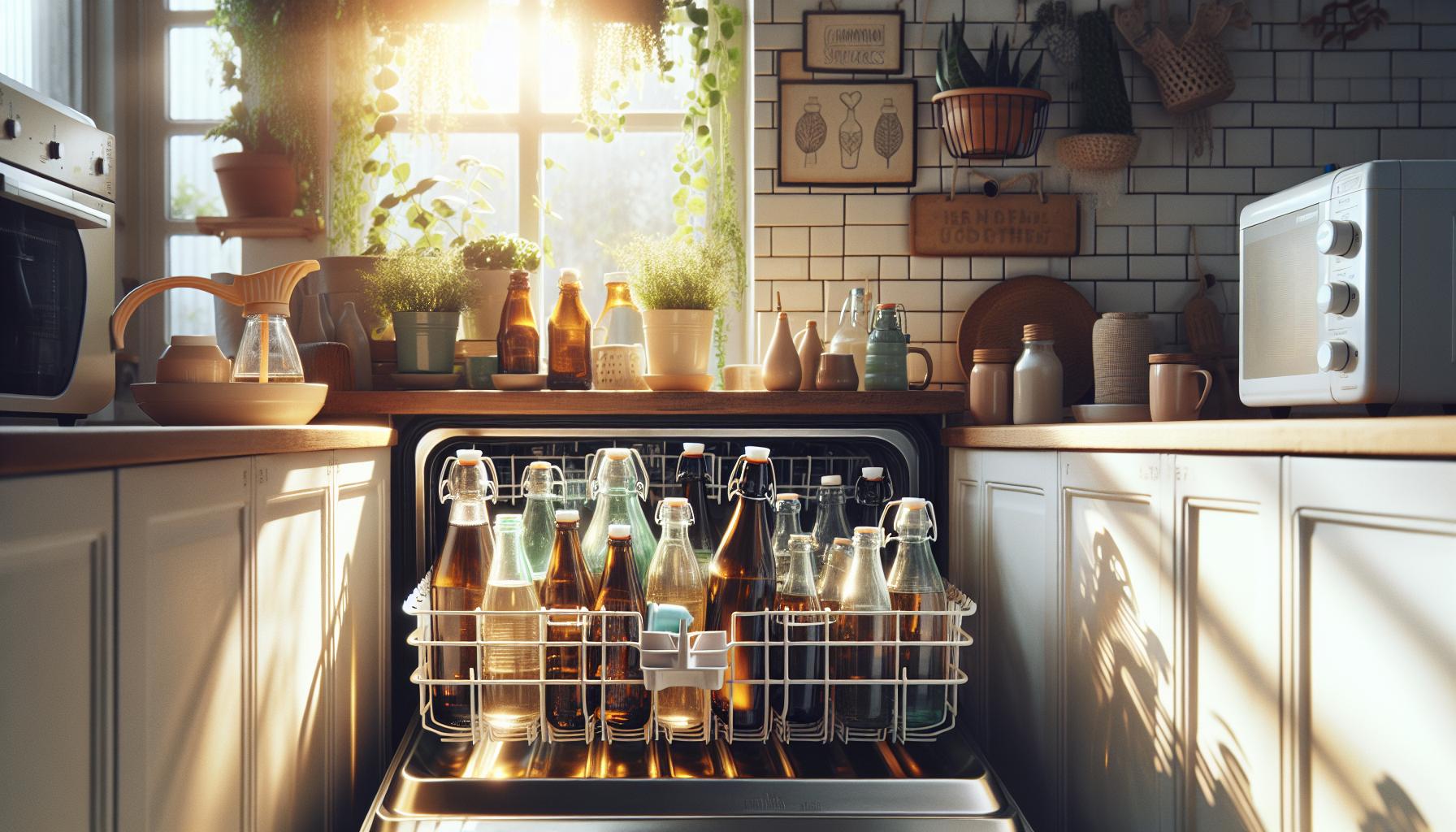
The convenience of using a dishwasher for washing baby bottles can save time and effort, but it’s essential to avoid common pitfalls that can compromise cleanliness. Many parents unknowingly make mistakes that could jeopardize the hygiene of their baby’s feeding equipment. understanding these missteps can ensure that you’re maximizing the efficiency of your dishwasher while providing a clean and safe environment for your little one.
Ignoring Manufacturer Guidelines
It’s easy to assume that all baby bottles are dishwasher-safe, but this isn’t always the case. Always check the manufacturer’s instructions,as some bottles are not designed to withstand high temperatures or aggressive cleaning cycles. If the guidelines specify a hand wash, heed that advice to avoid damaging the bottle. Using the right cycle is crucial; such as,some bottles may need to be placed on the top rack only,where the heat is less intense.
Overloading the Dishwasher
A packed dishwasher may seem efficient, but overloading can lead to inadequate cleaning and water circulation. When bottles and accessories are crammed together, they can block spray arms and prevent proper rinsing. To avoid this mistake, follow these tips:
- Arrange bottles and nipples separately: Place each item securely in designated racks to ensure they don’t touch each other.
- Use bottle clips: These can help keep bottles upright and ensure they don’t collapse during washing.
- Opt for a smaller load: Running a half-full dishwasher is often better than trying to cram in more; it guarantees that everything gets adequately cleaned.
Neglecting to clean Before Loading
While dishwashers do an excellent job at cleaning, they’re not a magic solution for every mess. If baby bottles are heavily soiled with formula residue, giving them a fast rinse before placing them in the dishwasher can make a significant difference. Skipping this step may lead to stubborn stains and lingering odors, which could affect the quality of the next feeding. A simple rinse can ensure that your dishwasher does the best job possible.
Using the Wrong Detergent
Not all dishwashing detergents are safe for baby items. It’s vital to choose a detergent that is free from harmful chemicals, such as phosphates or fragrances that might irritate your baby’s sensitive system. look for eco-friendly and hypoallergenic options that are specifically labeled safe for baby products. Additionally, avoid overcrowding the detergent compartment to ensure the proper amount is released during the wash cycle.
| Detergent characteristics | Recommended Options |
|---|---|
| Fragrance-free | Seventh Generation Free & Clear |
| Phosphate-free | Method Smarty Dish |
| Eco-friendly | Babyganics Dish Soap |
By avoiding these common mistakes, you can ensure that you’re washing baby bottles in the dishwasher effectively while maintaining a high standard of cleanliness. Implement these practical suggestions to provide a safe and hygienic feeding experience for your baby, providing peace of mind with every use.
how to Organize Your Dishwasher for Baby Bottle Cleaning
Did you know that the way you load your dishwasher can significantly impact the cleanliness of baby bottles? Proper organization not only maximizes the efficiency of your dishwasher but also ensures that all components of baby bottles are cleaned thoroughly and sanitized.
Essential Tips for Optimal Loading
To achieve the best results when washing baby bottles in the dishwasher, follow these practical steps for organization:
- Separate Components: Before placing items in the dishwasher, disassemble the bottle parts—including nipples, rings, and any other accessories. This allows water to reach all surfaces and thoroughly wash away milk residue.
- Use a Bottle Holder: Many dishwashers offer a dedicated bottle holder or basket. Place the bottle bodies upright in this holder to ensure they get the maximum exposure to water and detergent.
- secure Nippes and small parts: For tiny components like nipples and valves, consider using a mesh laundry bag or a small dishwasher basket to prevent them from falling through the rack. This keeps them contained and safe during the wash cycle.
Placement Strategy
Different parts of baby bottles need specific placements to optimize their cleaning. Here’s a quick guide:
| Component | Placement |
|---|---|
| Baby Bottles | Top rack,upright |
| Nipples and Small Parts | Secure in a mesh bag on the top rack |
| Caps and Rings | Place on the top rack |
| Teething Toys (if applicable) | Top rack to prevent warping |
Choosing the Right Cycle and Detergent
When it comes to washing baby bottles in the dishwasher,selecting the right cycle and detergent is essential. Opt for a cycle that uses high heat for sanitization, and ensure you choose a baby-safe dishwasher detergent that won’t leave harmful residues. This combination will not only clean but also kill bacteria, giving you peace of mind about the safety of your little one’s feeding items.
By following these expert-approved organizational strategies, you’ll ensure your baby bottles come out of the dishwasher sparkling clean and ready for use, making your parenting journey a little easier.
Post-Cleaning Care: Ensuring Your Bottles Are ready for use
Post-Cleaning Care: Preparing Your Baby Bottles for Use
While washing baby bottles in the dishwasher is a convenient method for achieving thorough cleanliness, what happens after the wash is equally important for keeping those bottles safe and ready for your little one. Properly caring for your bottles post-cleaning can help ensure that they remain free from residues, sterilized, and ready for the next feeding.
- Inspect for Residues: After the dishwasher cycle, check each bottle and accessory for any soap residues or leftover bits of food. Sometimes, the high heat of the dishwasher can cause milk proteins to cling, which may not be visible at first glance.
- rinse Thoroughly: Even if you’ve used a dishwasher,it’s a good practice to give each bottle a thorough rinse under warm water post-wash. This helps remove any potential soap that could lead to stomach upset in your baby.
- Air Dry Properly: Place the bottles upside down on a clean drying rack to air dry entirely. This method helps prevent water from pooling and creates a hygienic environment by allowing airflow.
- Check Temperature: If you’ve removed the bottles from a hot dishwasher, let them cool to room temperature before handling. This is especially important for plastic bottles, as sudden temperature changes can warp their shape.
Storage Tips for Clean Baby bottles
Once your bottles are clean and dry, storing them correctly is vital to maintain their readiness for use. Consider these practical tips:
| Storage Method | Description |
|---|---|
| In a Clean Drawer | Store bottles in a dedicated drawer, separated from items that may harbor bacteria. |
| Using a Bottle Organizer | An organizer can keep bottles upright, preventing them from touching unclean surfaces. |
| Cover with a Clean Cloth | Using a breathable cover can keep dust away while allowing airflow. |
Remember to routinely check your bottles for wear and tear. Over time, even the most durable baby bottles may develop cracks or scratches that can harbor bacteria. If you notice any damage, it’s advisable to replace them immediately to ensure your baby’s bottles are safe and clean for feeding. Taking these post-cleaning care steps helps maintain the hygiene and functionality of your baby bottles,ensuring peace of mind for you and a safe feeding experience for your little one.
When to Hand Wash: recognizing the Limits of the Dishwasher
When faced with the bustling demands of parenthood, convenience frequently enough takes precedence, especially when it comes to cleaning baby bottles. However, while dishwashers are marvels of modern efficiency, they do have their limitations when it comes to properly washing baby bottles.Understanding these boundaries can definitely help ensure that you provide the safest feeding options for your little one.
signs That hand Washing is Necessary
There are specific situations where resorting to the sink is not just preferred but essential. Consider hand washing in the following scenarios:
- Heavily soiled Bottles: If you’ve let bottles sit for too long without cleaning, residual milk or formula might harden, making it difficult for the dishwasher to remove.
- Fragile Components: Many baby bottles come with delicate parts, such as silicone nipples or intricate valve systems, that can warp or break in the dishwasher.
- Non-Dishwasher Safe Labels: Some bottles have stickers or labels that may not withstand dishwashing, risking potential damage.
- pesticide Residue Concerns: According to health experts, if you use bottles for homemade solutions, such as baby foods or juices, it’s crucial to ensure these are thoroughly cleaned by hand.
Hand Washing techniques for Optimal Hygiene
When you determine that hand washing is the best approach, it’s vital to follow effective cleaning practices. Here’s how to ensure you’re cleaning your baby bottles properly:
| Steps | Description |
|---|---|
| Disassemble Every Part | Take apart all components, including the nipple and collar, to ensure a thorough clean. |
| Use Warm, soapy Water | Fill your sink with hot, soapy water. Use a gentle dish soap that’s safe for baby items. |
| Utilize a Bottle Brush | Invest in a bottle brush that can reach all areas of the bottle without scratching the surface. |
| Rinse Thoroughly | Ensure all soap is rinsed out to avoid residue, which can irritate your baby’s mouth. |
| Sanitize Regularly | Periodic sanitization can be done by boiling the bottles or using a sterilizer. |
Recognizing when the dishwasher may not be sufficient for washing baby bottles is key to maintaining hygiene. By adopting these hand washing strategies, you ensure your baby bottles are clean, safe, and ready for every feeding.
Frequently asked questions
How to wash baby bottles in the dishwasher?
To effectively wash baby bottles in the dishwasher, first, disassemble them and place each part on the top rack. Use a gentle cycle to protect the materials and ensure proper cleaning.
Make sure to use a dishwasher-safe detergent and avoid high heat settings, as they can warp some bottle materials. For expert insight on proper cleaning techniques, always check product labels to confirm dishwasher compatibility.
What is the best dishwasher setting for washing baby bottles?
The best dishwasher setting for washing baby bottles is the top rack’s gentle cycle. this setting minimizes heat exposure and prevents warping or damage.
Additionally, consider using a sanitizing cycle if your dishwasher has one. It can provide an extra level of cleanliness that is particularly reassuring for new parents. Remember to place items securely to prevent movement during washing.
Can I wash baby bottle nipples in the dishwasher?
Yes, you can wash baby bottle nipples in the dishwasher, but it’s best to place them on the top rack to protect them from high heat and potential damage.
Ensure that the nipples are separated from other items for better cleaning. If you’re concerned about their longevity, consider handwashing them occasionally to maintain their integrity, especially if they are made from softer materials.
Why does washing baby bottles in the dishwasher matter?
Washing baby bottles in the dishwasher ensures thorough cleaning, which is crucial for your baby’s health. Proper cleaning eliminates harmful bacteria and residue.
Using a dishwasher also saves time and effort for parents. Following guidelines on washing baby bottles in the dishwasher can definitely help avoid issues related to contamination, which is particularly critically important for infants with sensitive digestive systems.
can I use regular dishwasher detergent for baby bottles?
No, it’s advisable to use a baby-specific or unscented dishwasher detergent when washing baby bottles. Regular detergents may contain harsh chemicals that can linger in the bottles.
Look for products labeled as safe for baby items to ensure that residues won’t pose any risks. Always double-check labels and consider rinsing the bottles with water after the wash for extra peace of mind.
How often should I wash baby bottles in the dishwasher?
You should wash baby bottles in the dishwasher after each use. This practice helps maintain hygiene and prevents bacteria growth.
Even if they have been rinsed, it’s crucial to give them a thorough wash regularly to ensure complete cleanliness. Frequent washing is a simple way to stay proactive about your baby’s health, especially in the early months.
Do I need to sterilize baby bottles after washing in the dishwasher?
While washing baby bottles in the dishwasher can effectively clean them, additional sterilization may be necessary, especially for newborns and preterm infants. It’s often recommended to sterilize once daily.
Consult your pediatrician to determine the best practice for your baby’s age and health. You might also find resources on baby bottle sterilization helpful for understanding various methods.
Insights and Conclusions
As we wrap up our exploration of washing baby bottles in the dishwasher, it’s important to remember that keeping your little one’s feeding equipment clean doesn’t have to be a daunting task. By following our expert-backed tips, you can ensure that your baby’s bottles remain hygienic, allowing you to spend more quality time enjoying those precious moments with your child. Embrace the convenience of your dishwasher, and don’t hesitate to experiment with different methods to find what works best for you and your family.
Navigating parenthood is a journey filled with learning and adapting, and being informed is key to making the best choices for your baby. Keep exploring, connecting with others, and staying informed about simple yet impactful practices that can ease the challenges of parenting. Remember, you’re not alone in this; every small step you take contributes to a healthier, happier environment for your family.Happy washing!
Get our latest guides, news, and insights highlighted in your Google Search & AI Overviews.

