
Navigating dietary choices while breastfeeding can be daunting, especially wiht questions around soy consumption. Understanding the benefits and potential concerns of incorporating soy protein into your meals is crucial for new mothers. This article explores how soy can be a nutritious option during this vital time, supporting both mother and baby’s health.
Understanding the Role of soy in Your Breastfeeding Diet
Did you know that soy is one of the most studied plant-based proteins,especially in relation to breastfeeding diets? Incorporating soy into your diet while nursing can be beneficial not only for you but also for your baby. Understanding how soy functions within your breastfeeding diet is essential for maximizing its health benefits while minimizing any potential risks.
The Nutritional Benefits of Soy
Soy is an excellent source of protein, containing all nine essential amino acids required for optimal health. It is also rich in essential nutrients such as fiber, vitamins, and minerals, wich can support both your well-being and the development of your infant. Some key benefits include:
- High in Isoflavones: These compounds may help alleviate menopausal symptoms in nursing mothers and support hormonal balance.
- Heart Health: Regular consumption of soy has been associated with lowered cholesterol levels, promoting cardiovascular health.
- Calcium Source: Fortified soy products can offer a non-dairy source of calcium, vital for strong bones in both the mother and child.
Incorporating Soy into Your breastfeeding Diet
Keeping your diet varied and balanced is key to ensuring you and your baby receive all necessary nutrients. The Soy Ladder is a practical way to introduce soy gradually into your diet during breastfeeding. This approach allows you to monitor how your body and your baby react to different soy products, reducing the risk of any adverse reactions.
Start by including simple, low-allergen soy products such as:
| Type of Soy Product | Suggested Serving | Potential Benefits |
|---|---|---|
| Soy Milk | 1 cup | Rich in protein and calcium |
| Tofu | ½ cup | Versatile source of complete protein |
| Edamame | 1 cup | High in fiber and protein |
| Tempeh | ½ cup | Probiotic properties for gut health |
Start with small servings and gradually increase as you become more cozy with how your body and baby respond. This mindful approach helps ensure that you’re making informed dietary choices while nourishing both yourself and your little one.
As you introduce soy products,pay attention to any signs of allergies or sensitivities,such as digestive disturbances or skin reactions in your baby. if you notice anything unusual, it may be advisable to consult with a healthcare provider to discuss your options further.
Nutritional Benefits of Soy for Nursing Mothers
Did you know that incorporating soy into your diet while nursing can not only be beneficial for your health but can also influence the nutritional quality of your breast milk? For mothers looking to support their own health and provide essential nutrients to their infants, understanding the advantages of soy can be key.
Rich in Proteins and Essential Amino Acids
Soy is recognized for being a fantastic plant-based protein source, making it an excellent addition to the diet of nursing mothers. It offers all nine essential amino acids necessary for the body’s recovery and functioning. This is particularly crucial for breastfeeding mothers as it alleviates fatigue,helps maintain energy levels,and supports muscle health. Research highlights that a protein-rich diet can positively impact milk supply, providing infants with the essential building blocks they need for growth.
Loaded with Healthy Fats
Another vital component of soy is its healthy fat profile, primarily consisting of unsaturated fats. Consuming soy products can help nursing mothers manage their cholesterol levels while still enjoying a satisfying source of dietary fat. Various soy foods, such as tofu and edamame, contain omega-3 and omega-6 fatty acids, which are crucial for brain development in newborns.
Vitamins and Minerals Galore
Along with proteins and fats, soy is packed with essential vitamins and minerals beneficial for both mothers and breastfeeding infants. Here’s a brief overview of some key nutrients found in soy:
| Nutrient | Benefits |
|---|---|
| Calcium | Supports bone health in both mothers and infants. |
| Iron | Helps in preventing anemia, particularly important postpartum. |
| Folate | Aids in overall growth and development in infants. |
| Vitamin K | Contributes to healthy blood clotting and bone metabolism. |
Including soy in your meals can be simple and delicious. Consider adding firm tofu to stir-fries, snacking on roasted soy nuts, or blending a nutritious soy smoothie.This versatility not only enhances the quality of a nursing mother’s diet but ensures that her baby receives a rich array of nutrients through breast milk, making soy an invaluable part of the lactation nutrition journey.
How to Incorporate Soy Products Safely and Deliciously
When navigating dietary choices during breastfeeding, incorporating soy products can provide essential nutrients while tantalizing your taste buds.A balanced approach, often referred to as the “Soy ladder,” helps you gradually integrate these soy-based foods to enhance your diet safely. Understanding the best ways to add soy to your meals can not only support lactation but also diversify your palate.
understanding the Soy Ladder
The concept of the Soy Ladder emphasizes starting with small amounts of soy and progressively increasing your intake as your body adapts. Here’s a simple framework to help you get started:
- Step 1: Try Unprocessed Soy Products – Begin with edamame or tofu. These less processed options are generally well tolerated. Toss some steamed edamame in a salad or grill tofu for a savory addition to your lunch.
- Step 2: Incorporate Fermented Soy – Progress to fermented products like tempeh or miso.Fermentation can improve digestion and nutrient absorption.A delicious miso soup can easily comfort while lactating and provide beneficial probiotics.
- Step 3: Explore Soy Milk and Yogurt – Once you’re accustomed, introduce soy milk or yogurt. These can serve as fantastic dairy alternatives in smoothies or breakfast bowls, offering a creamy texture and boosting your calcium intake.
- Step 4: Use Soy Sauces and Seasonings – After you’ve confidently included the basics, soy sauce and similar condiments can enhance flavors in stir-fries and marinades, adding zing while still being mindful of salt intake.
Flavorful Ways to incorporate Soy
Here are some delicious and nutritious ideas for integrating soy products into your daily meals:
| Meal Type | Soy Product | Recipe Idea |
|---|---|---|
| Breakfast | Soy Yogurt | Top with fresh fruits and a sprinkle of granola for a wholesome start. |
| Lunch | tofu | Try a grilled tofu wrap with avocado and mixed veggies for a nutritious boost. |
| Dinner | Tempeh | Stir-fry tempeh with broccoli, bell peppers, and a ginger-soy sauce for a vibrant meal. |
| Snack | Edamame | Enjoy steamed edamame sprinkled with sea salt for a protein-packed snack. |
By following the Soy Ladder and incorporating these delicious recipe ideas, you can enhance both your nutrition and culinary repertoire while breastfeeding. Remember to pay attention to your body’s reactions and consult with a healthcare provider specializing in dietary needs during lactation for personalized guidance. This balanced and gradual approach ensures both you and your baby can enjoy the health benefits of soy without any adverse effects.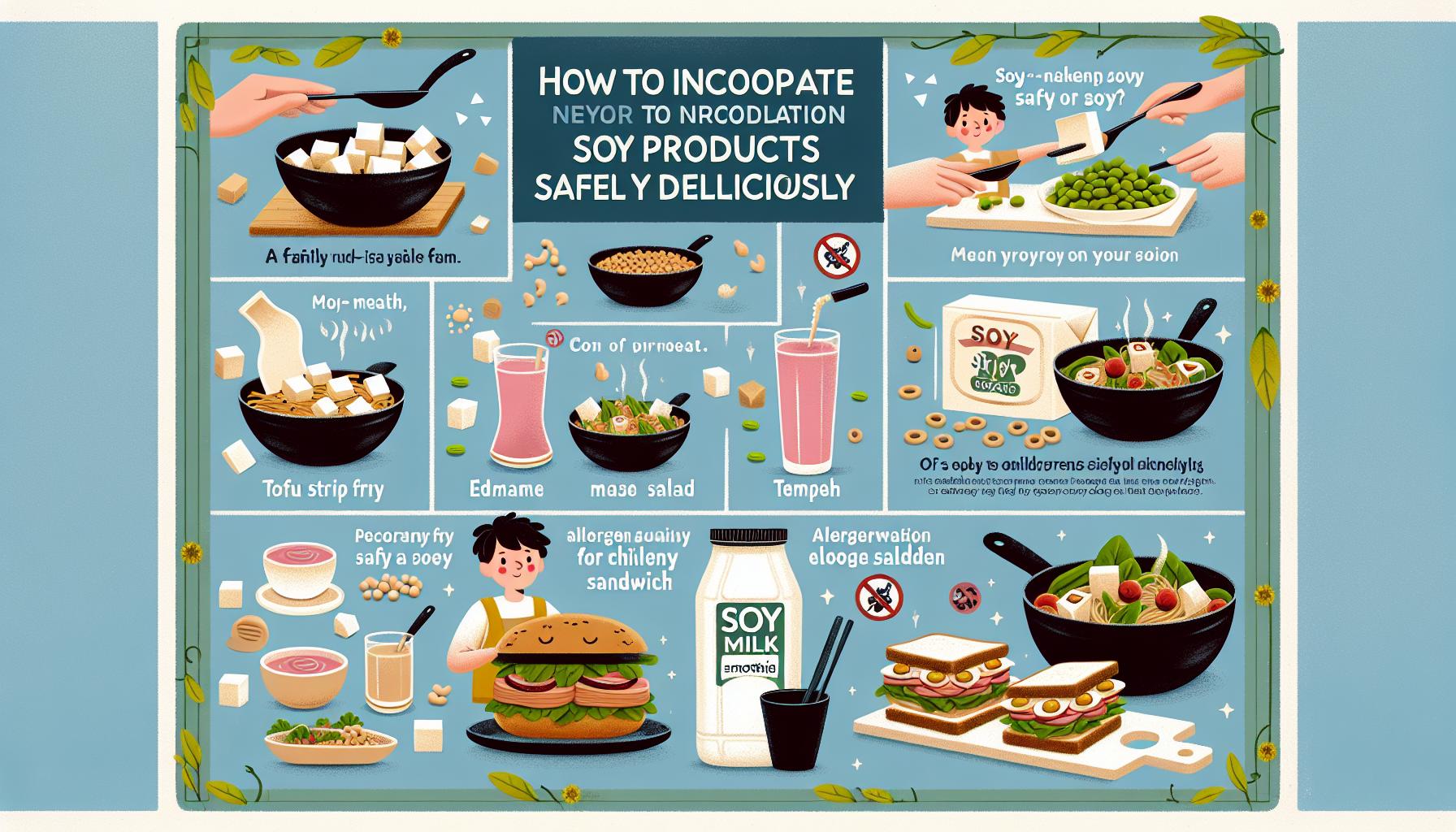
Recognizing Potential Allergies: What Breastfeeding Moms Need to Know
As a breastfeeding mom, your diet can significantly impact your baby’s health and comfort. Particularly, certain foods—like soy—frequently enough come into focus due to their potential allergenic properties.Understanding how to recognize potential allergies in your infant is crucial, especially when introducing a soy ladder in a diet while breastfeeding.
Recognizing Allergy Symptoms
When introducing soy products, be vigilant for any signs of allergic reactions in your baby. The symptoms can vary widely but are commonly observed during the initial phases of dietary changes. Here are some typical indicators to watch for:
- Skin Reactions: Rashes, eczema, or hives may indicate an allergy.
- Gastrointestinal Issues: Vomiting, diarrhea, or signs of discomfort after nursing might be a red flag.
- Respiratory Problems: Symptoms like coughing, wheezing, or nasal congestion coudl also suggest an allergic response.
- Behavioral changes: Unexplained irritability or unusual fussiness may accompany allergic reactions.
Steps for Monitoring and Managing Diet
to effectively track your baby’s reactions to new dietary introductions,consider maintaining a food diary. Documenting what you consume and correlating it with your baby’s reactions can provide valuable insights.When implementing a soy ladder in a diet while breastfeeding, follow these steps:
- Start Slow: Introduce one soy product at a time, allowing a few days in between each new food.
- Observe Closely: Pay attention to any changes in your baby’s behavior or physical condition after each introduction.
- Consult a pediatrician: If you suspect an allergy, reach out to your healthcare provider for guidance on allergy testing and dietary adjustments.
Engaging with Experts
Joining support groups or forums can also be tremendously helpful. Engaging with other breastfeeding moms who are navigating similar dietary challenges provides not only emotional support but also practical tips based on real-life experiences with soy and potential allergies.
summary Table of Common Soy Products and Reactions
| Food Item | Potential Reactions |
|---|---|
| Soy Milk | Skin rash, digestive upset |
| Tofu | Nausea, irritability |
| Soy Sauce | Respiratory issues, hives |
| Edamame | Gastrointestinal discomfort, rashes |
By staying informed and attentive to your diet and your baby’s responses, you can navigate the complexities of food allergies while enjoying the benefits of breastfeeding. Empower yourself with knowledge, and don’t hesitate to seek help when needed on your journey with a soy ladder in a diet while breastfeeding.
Balancing Soy with Other Nutrients: Tips for a Well-Rounded Diet
Did you know that soy can be a versatile ingredient not just for adding flavor, but also for enhancing nutritional value? While navigating the complexities of a balanced diet during breastfeeding, it’s essential to consider how to incorporate soy effectively, ensuring that it complements other vital nutrients to support both mother and baby.
Understanding Nutritional Needs
Breastfeeding can significantly alter a woman’s nutritional requirements. It’s crucial to meet these needs with a diverse array of foods, fostering a well-rounded diet. Integrating soy products like tofu, tempeh, and edamame can add valuable protein, but balancing these with other nutrients is key to optimal health and milk production.
- Protein: While soy is a great source of plant-based protein, it’s important to include various other protein sources. Think lean meats, fish, or legumes to provide a complete amino acid profile.
- Healthy Fats: Incorporate omega-3 fatty acids which are crucial for your baby’s brain development. Sources include flaxseeds, walnuts, and fatty fish like salmon.
- Vitamins and Minerals: Ensure you’re consuming plenty of fruits and vegetables, which will supply essential vitamins like A, C, and K, and also minerals such as iron and calcium.
Practical Tips for Balancing Soy
To achieve a well-rounded diet while including soy, consider meal planning strategies that incorporate a variety of food groups. A balanced plate could consist of:
| Meal Component | Examples |
|---|---|
| Protein Source | Grilled chicken, lentils, or a stir-fry with tofu |
| Whole Grains | Brown rice, quinoa, or whole grain pasta |
| Healthy Fats | Avocado slices, olive oil dressing, or nuts |
| Fruits & Vegetables | Steamed broccoli, sweet potatoes, or fresh berries |
By combining these elements, you not only enrich your diet but also enhance the quality of breast milk. As a notable example,a delicious stir-fried dish combining tofu with a rainbow of vegetables and served over brown rice offers protein,fiber,vitamins,and healthy fats,creating a nourishing meal that reflects the complexity of the soy ladder in a diet while breastfeeding.
Embracing variety is essential, so make a conscious effort to introduce new foods regularly. Experiment with different soy products and pair them with whole grains and fresh produce to keep meals exciting and nutritious.
Expert Insights: Advice from Nutritionists on Soy Intake
The inclusion of soy in a breastfeeding mother’s diet can be transformative, not only for her health but also for the quality of breast milk. Nutritionists highlight that soy serves as a terrific plant-based protein source while supporting the diverse nutrient profile necessary during this crucial period. Understanding how to integrate soy safely and effectively is essential for nursing mothers who want to craft a balanced diet without compromising their or their baby’s well-being.
Understanding Soy’s Role in Breastfeeding
Nutritionists often recommend the Soy Ladder, a method of gradually introducing soy products into the diet, to assess tolerance and ensure that both mother and baby can enjoy the benefits. This approach allows mothers to start with moderate amounts of soy, such as edamame or tofu, before moving on to more processed forms like soy milk or tempeh. A sample introduction plan could look like this:
| week | Type of Soy Product | Serving Size |
|---|---|---|
| 1 | Edamame | ½ cup |
| 2 | Tofu | ½ cup |
| 3 | Soy Milk | 1 cup |
| 4 | Tempeh | ½ cup |
The gradual introduction helps in monitoring any potential sensitivities in infants, as some babies may react negatively to soy or other dietary changes. Keeping track of any symptoms or changes is critical; for example, if an infant experiences increased fussiness or gastrointestinal discomfort, it may suggest that soy isn’t well tolerated.
Practical Tips for Incorporating Soy
nutrition experts recommend a few key strategies when incorporating the Soy Ladder into a breastfeeding diet.Here are some actionable tips to ensure smooth sailing:
- Balance with Variety: Pair soy products with a variety of fruits, vegetables, and whole grains to create well-rounded meals.
- Watch for Labels: When selecting soy products, read labels carefully to avoid those with high sugar or sodium levels, which can be detrimental to both mother and child.
- Stay Informed: Continually educate yourself on the latest research regarding soy’s health benefits and effects during breastfeeding to make informed choices.
- Consult Professionals: Don’t hesitate to consult with a certified nutritionist or dietitian if you have concerns or specific dietary needs.
By understanding soy’s benefits and how to incorporate it strategically,breastfeeding mothers can enhance their nutritional intake,promote better health outcomes,and provide optimal nourishment for their babies.
Common Myths About Soy and Breastfeeding Debunked
did you know that misconceptions surrounding soy consumption during breastfeeding can lead to unneeded dietary restrictions for new mothers? With the increasing popularity of plant-based diets, soy products have often been at the center of debate. Let’s set the record straight and debunk some of these common myths related to soy and breastfeeding.
Myth 1: Soy Can Decrease Milk Supply
One prevalent belief is that soy can negatively affect breast milk production. However, studies have shown that moderate consumption of soy products does not impact milk supply. Actually, soy is a good source of protein and essential fatty acids that can contribute positively to a breastfeeding mother’s nutrition. By incorporating soy-based foods, such as tofu or edamame, into their diet, mothers can support both their own health and their baby’s development without fear of diminishing milk supply.
Myth 2: Soy Contains Estrogen and Is Harmful
Another common misconception is that soy contains high levels of estrogen, which could pose health risks for breastfeeding infants. While it is true that soy products contain phytoestrogens—plant-derived compounds that mimic estrogen—they do not behave like estrogen in the human body. research indicates that the amounts present in soy foods are safe for mothers and babies alike. Consuming soy foods can be part of a balanced diet and does not pose a threat to hormone levels when eaten in moderation.
Myth 3: All Soy Products Are the Same
Not all soy products are created equal. While tofu,tempeh,and edamame are rich in protein and can be beneficial in a breastfeeding diet,heavily processed soy products may contain additives or high levels of sodium. It’s essential for breastfeeding mothers to choose whole or minimally processed soy foods to reap the full nutritional benefits without hidden downsides.Here’s a rapid overview of common soy products and their nutritional pros and cons:
| Soy Product | Benefits | Considerations |
|---|---|---|
| Tofu | High in protein; versatile in recipes | Choose organic to avoid GMOs |
| Edamame | rich in fiber and essential nutrients | Consume in moderation due to glycemic index |
| Soy Milk | Good choice to dairy; frequently enough fortified | Check for added sugars and flavors |
| Tempeh | Fermented; great for gut health | Might potentially be an acquired taste |
By equipping oneself with accurate information, breastfeeding mothers can make informed decisions about including soy in their diets. Embracing the soy ladder as part of a varied and balanced diet can definitely help support both maternal and infant health without succumbing to unfounded fears.
Navigating Soy Choices: Organic vs. Conventional Options
When considering the incorporation of soy into your breastfeeding diet, the choice between organic and conventional soy products can significantly impact both health and environmental factors. Not only does the type of soy you choose affect your nutritional intake, but it also aligns with personal values regarding food production and sustainability.
Understanding the Differences
Organic soy is cultivated without synthetic pesticides or fertilizers and adheres to strict guidelines set by organic certification bodies. This practice not only minimizes exposure to harmful chemicals but also supports biodiversity and environmental health. In contrast, conventional soy frequently enough involves the use of pesticides, genetically modified organisms (GMOs), and industrial farming practices.
health Considerations
For breastfeeding mothers,the quality of soy can influence both their health and that of their infants. Organic soy products are typically seen as healthier due to their lower chemical residue and absence of GMOs. Here are some advantages of choosing organic soy:
- Reduced Exposure to Chemicals: Organic soy beans are free from harmful pesticides that may affect lactation and infant health.
- Nutritional Benefits: Organic products frequently enough contain higher levels of some nutrients compared to their conventional counterparts.
- Environmental Impact: Supporting organic farming practices contributes to soil health and reduced carbon footprints.
Practical Tips for Selecting Soy Products
To make informed choices regarding soy consumption while breastfeeding, consider the following practical steps:
- Read labels: Look for USDA Organic labels on soy products, which indicate compliance with organic standards.
- Know Your Sources: Purchase from reputable brands or local farmers’ markets that prioritize organic farming.
- Balance Your diet: Incorporate a variety of soy options, such as tofu, tempeh, edamame, and soy milk, to enhance nutritional diversity.
Comparative Overview
| Features | Organic Soy | Conventional Soy |
|---|---|---|
| Pesticides | Free from synthetic pesticides | May contain residues |
| GMOs | Non-GMO | Possible presence of GMOs |
| Nutritional Quality | Often higher in nutrients | Varies widely |
| Environmental Impact | Supports ecological practices | Higher carbon footprint |
By weighing the benefits of organic versus conventional soy, mothers can effectively navigate their dietary needs while breastfeeding, ensuring that both they and their babies receive the best nutrition possible.

Faq
What is the Soy Ladder in a Diet While Breastfeeding?
The Soy Ladder in a Diet While Breastfeeding refers to a systematic approach for introducing soy products into your diet, gradually increasing your consumption to monitor for any adverse reactions in your baby. This method helps identify any potential food sensitivities.
As you introduce soy, you start with small quantities, observing how your baby reacts over several days before increasing the amount. This process ensures a safer and more comfortable transition, benefiting both you and your infant.
Why should I consider the Soy Ladder while breastfeeding?
Using the Soy Ladder in a diet While Breastfeeding can help you identify if your baby has a sensitivity or allergy to soy. Many breastfeeding parents worry about what they consume affecting their baby’s health.
This method allows you to enjoy the nutritional benefits of soy without risking digestive discomfort for your child. Understanding your baby’s tolerance gives you greater peace of mind and helps you shape a varied and healthy diet.
Can I start the Soy Ladder immediately after having my baby?
While you can start the Soy Ladder in a Diet While Breastfeeding shortly after giving birth, it’s advised to wait until your baby is around 2-3 months old. This allows their digestive system to mature, making it easier to handle new foods.
By starting at the right time,you can prevent unnecessary discomfort for your baby. Always consult with a healthcare provider before making any meaningful dietary changes to ensure they align with both your and your baby’s health needs.
How do I implement the Soy Ladder?
To implement the Soy Ladder in a Diet While Breastfeeding, you begin by introducing one soy product at a time, starting with small portions. For example, you might start with soy milk, observe for a few days, and then move on to soy yogurt if there are no reactions.
Throughout this process, it’s essential to maintain a food diary, noting any reactions from your baby, to keep track of their tolerance levels. This systematic approach offers clarity and safety in your dietary journey.
What are some examples of soy products to include in the ladder?
Examples of soy products you might introduce include tofu, edamame, and soy milk. Begin with the least processed forms,gradually working your way up to more complex items like soy-based sauces.
Each of these stages allows you to monitor your baby’s reactions closely.Remember that everyone’s experience is unique, so your ladder may look different depending on your baby’s needs. You can find more detailed guidance on infant allergies and sensitivities in our related article.
Are there any potential risks with the Soy Ladder?
Yes,while the Soy Ladder in a Diet While breastfeeding is generally safe,there are potential risks,such as allergic reactions. Observing for symptoms like rashes, gastrointestinal upset, or breathing issues is crucial when incorporating new foods.
If you notice any concerning symptoms, it’s essential to stop introducing soy and consult a healthcare professional for advice. This helps reassure you that you’re prioritizing your baby’s safety throughout the process.
Can soy affect my breast milk production?
Generally, consuming soy as part of a balanced diet does not negatively affect breast milk production. Though, every individual is different, and it’s vital to pay attention to your body’s response to foods.
The key is to maintain a nutrient-rich diet to support both your health and milk supply. If you have concerns about milk production while following the Soy Ladder in a Diet While breastfeeding, consulting a lactation expert can provide you with personalized guidance.
Concluding Remarks
incorporating soy ladder into your diet while breastfeeding can be a beneficial choice for both you and your baby. By understanding the nutritional value of soy and how it fits into your breastfeeding journey, you empower yourself to make informed decisions that nurture your family’s health. Remember, every parent’s path is unique, and it’s completely normal to have questions along the way. We encourage you to explore soy’s versatility in your meals and stay attuned to how your body and baby respond. Don’t hesitate to reach out for support or seek guidance from healthcare professionals when needed. Together, let’s embrace this beautiful journey of parenthood, nourishing ourselves and our loved ones with care and confidence.
Get our latest guides, news, and insights highlighted in your Google Search & AI Overviews.
