
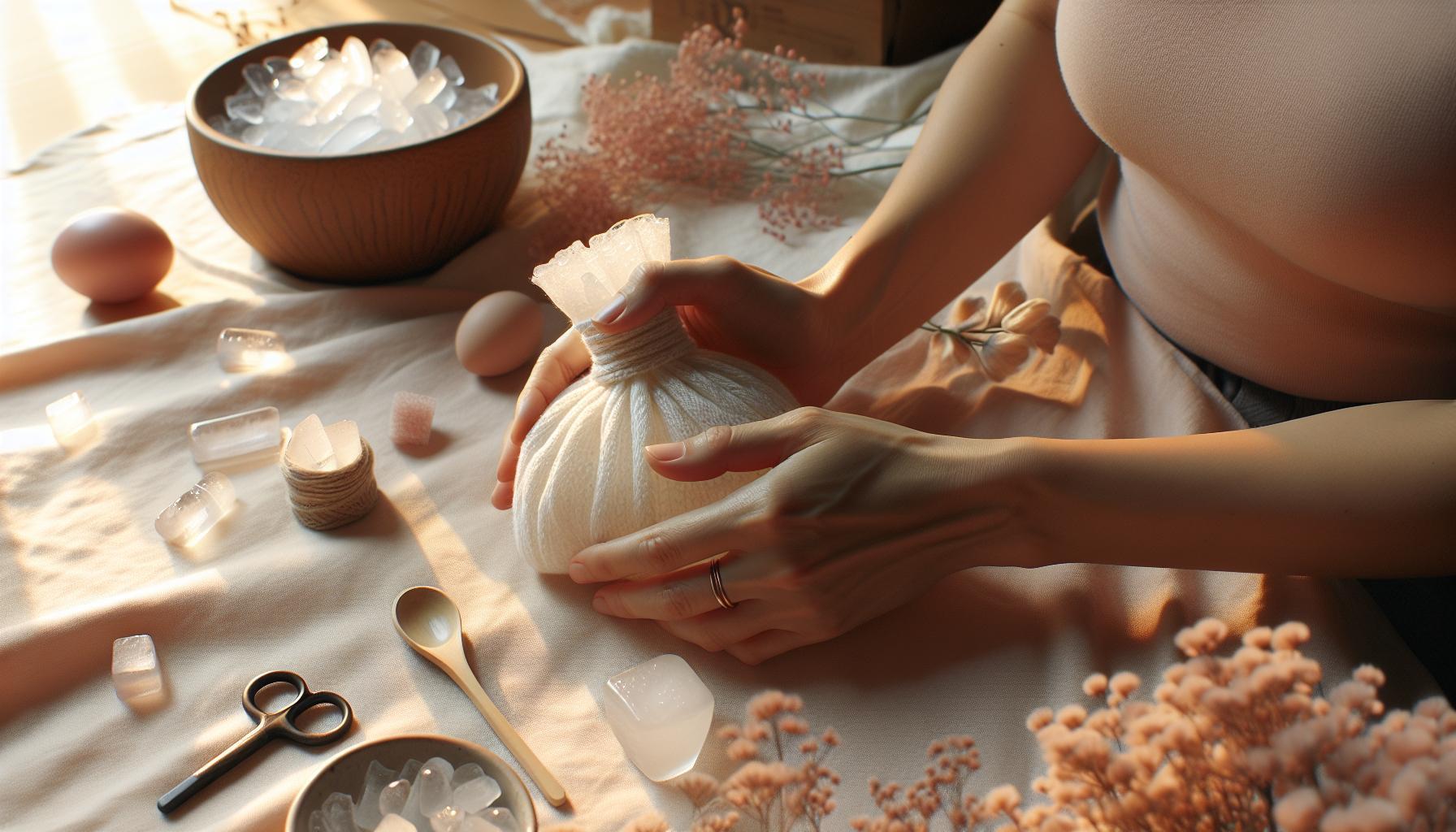
Experiencing postpartum pain can be overwhelming, and finding effective relief is essential for recovery. homemade perineal ice packs offer a simple, accessible solution to soothe discomfort after childbirth. In this easy guide, we’ll explore how to make yoru own ice packs, helping you on your journey to comfort and healing.
Understanding the benefits of Perineal Ice Packs for Postpartum Healing
Essential Relief for Postpartum Discomfort
After childbirth, many new mothers face a range of physical challenges, one of which can include significant discomfort in the perineal area. For those who have experienced tearing or an episiotomy during delivery, postpartum recovery can be particularly painful. This is where the strategic use of perineal ice packs comes into play. Utilizing these simple, DIY frozen packs can provide crucial relief, promoting healing and enhancing comfort as the body navigates the postpartum recovery process.
Benefits of Using Perineal Ice Packs
Applying cold therapy to the perineal area can offer a multitude of benefits for recovering mothers. Below are some key advantages of incorporating perineal ice packs into your postpartum care routine:
- Pain Relief: Cold compresses help numb the area, alleviating acute pain sensations from tears, swelling, or trauma.
- Reduced Swelling: The application of ice constricts blood vessels,minimizing inflammation and swelling that may occur in the days following delivery.
- Enhanced Comfort: Beyond pain management, the soothing effect of cold can be comforting and mentally refreshing during a physically taxing time.
- Promotes Healing: By managing swelling and discomfort, ice packs can aid in a quicker return to normal function and mobility, essential for new mothers as they adapt to life with a newborn.
Best Practices for DIY Perineal Ice Packs
Creating your own perineal ice packs is not only simple but can also be customized to meet your specific needs. Here’s how you can make an effective ice pack at home:
| Materials | Instructions |
|---|---|
| Ziplock bags | Fill with water and freeze for a few hours. |
| Frozen peas or corn | Seal in a cloth or towel for easy application. |
| Sanitary pads soaked in water | Freeze for use as a cold compress directly on the perineum. |
By incorporating these ice packs into your postpartum care, you can take proactive steps toward easing your discomfort. Remember, it’s advisable to wrap any ice packs in a cloth to prevent direct contact with the skin, which can help avoid frostbite while still providing that much-needed relief. With the tips and strategies outlined in our guide, you can effectively manage postpartum pain and focus on what truly matters—bonding with your new baby.
A Simple step-by-Step Guide to Making Your Own Ice Packs

Creating your own ice packs can be a game-changer for easing postpartum discomfort. Not only are DIY ice packs cost-effective,but they also allow for customized shapes and sizes that fit your needs perfectly. By following a simple process, you can craft effective perineal ice packs that will help soothe pain and promote healing during your postpartum recovery.
What you Will Need
Before diving into the crafting process, gather the following materials:
- Seal-able plastic bags: Freezer bags or sandwich bags work well.
- Water: Distilled water is preferred to prevent any potential bacterial growth.
- Optional additives: Rubbing alcohol or vinegar can be added for easier versatility.
- Towels or cloths: To wrap the ice packs before applying them to your skin.
Step-by-Step Instructions
Follow these steps to create your own effective ice packs:
- Prepare the Bags: Take your sealable plastic bags and ensure they are free from any holes.
- Add Ingredients: Fill one bag with a mixture of 1 part water and 1 part rubbing alcohol. This combination helps the pack remain flexible when frozen. If you prefer, simply fill the bag with plain water.
- Seal the Bag: Carefully remove any excess air from the bag and seal it tightly to avoid leaks.
- Freeze: Place the bag in the freezer for about 2-4 hours. the longer it freezes, the colder it will get! Remember to keep an eye on it—a fully frozen pack can be quite rigid.
- Ready to Use: Once frozen, wrap the ice pack in a towel or cloth before applying it to the affected area. This additional layer helps prevent frostbite and ensures comfort.
Tips for Effectiveness
For maximum relief, consider the following tips:
- duration of Use: Apply the ice pack for 20 minutes at a time, allowing the area to warm up in between sessions.
- Switch It Up: Use the ice packs alternately with warm compresses for a balanced approach to pain relief.
- Stay Safe: Always check the temperature of the ice pack before applying it to sensitive areas to avoid skin damage.
Summary
You now have the necessary knowledge and tools to create your own perineal ice packs at home. Not only will these DIY ice packs provide much-needed relief during your postpartum journey, but they also empower you to take an active role in your recovery process. Enjoy the soothing comfort of homemade ice packs with this simple guide to postpartum healing!
Essential Ingredients and Tools for Your DIY perineal Ice Packs
Gathering Your Supplies
Creating your own perineal ice packs can be an easy and rewarding process, especially when you’re seeking relief during the postpartum period. To kickstart your DIY project, it’s crucial to gather the right ingredients and tools that will ensure maximum comfort and effectiveness. Here’s what you’ll need:
- Ice Packs or Gel Packs: You can use store-bought gel packs designed for injuries or create your own using common household items.
- Newborn Diapers: Disposable diapers are perfect for creating ice packs due to their absorbent properties.
- Water: Essential for filling your ice pack materials. Adding herbal infusions can enhance soothing effects.
- Essential oils (optional): Lavender or chamomile oils add calming aromas that can improve overall relaxation.
- Plastic Wrap or Ziploc Bags: To contain your ice pack mixture and prevent leaks.
Essential Tools Needed
When making perineal ice packs DIY-style, having a few handy tools will facilitate a smoother assembly process. Below is a list of necessary items:
- Mixing Bowl: For combining your ingredients, especially if you’re making herbal-infused ice packs.
- Spoon or Wisk: to mix well and ensure even distribution of your ingredients.
- Measuring Cup: For accurate measurements, especially if using oils or additional flavoring.
- Scissors: Useful for cutting open bags or trimming any excess material.
Ice Pack Recipes Overview
Creating the right consistency and ensuring your perineal ice packs are effective is essential. Here are a couple of popular recipes to try:
| Ice Pack Recipe | Ingredients | Instructions |
|---|---|---|
| Herbal Infused Ice Pack | – 2 cups water – A handful of chamomile flowers | 1. Steep chamomile in hot water for 30 minutes. 2. Allow to cool and pour into a diaper. 3. Freeze for at least 2 hours. |
| Simple Gel Pack | – 2 cups water – 1 cup rubbing alcohol | 1. Mix water and alcohol in a Ziploc bag. 2. Seal tightly and freeze for about 4 hours. 3. Wrap in a clean cloth for use. |
Equipped with these ingredients and tools, you’re well on your way to crafting perineal ice packs that provide soothing relief during your postpartum healing journey. Each recipe can be customized to fit your needs, ensuring comfort and practicality while you recover.
Tips for Using Ice Packs Comfortably During Recovery
Mastering Comfort with Ice Packs During Recovery
Navigating postpartum recovery can be challenging, but the right use of ice packs can significantly enhance your comfort levels. Understanding how to utilize these soothing tools effectively can make a world of difference. Here are effective tips to use perineal ice packs comfortably during your healing process.
- Wrap It Right: Always ensure your ice pack is wrapped in a thin cloth or a soft towel before applying. This protects your skin from frostbite and enhances comfort. You can even layer the material for added insulation if needed.
- Optimal timing: Experts recommend using the ice pack for 20-minute intervals. You can easily incorporate this into your routine when resting or during diaper changes.Consider setting a timer to remind yourself when to apply and when to take a break.
- Find Your Position: Experiment with different positions to find what feels best. Whether you’re lying down, sitting, or propped up with pillows, ensure you’re agreeable so you can relax during each session.
- Customize Your Ice Pack: If you’ve opted for a DIY solution, customize your ingredients based on your preferences. Adding soothing herbs like chamomile can enhance the cooling effect while providing additional comfort for sensitive areas.
Fast Reference Table for Ice Pack Use
| Tip | Description |
|---|---|
| Readiness | Wrap your ice pack in a soft towel before application. |
| Timing | Use for 20 minutes, with breaks in between. |
| Position | Experiment with your physical position for maximum comfort. |
| Customization | Add herbs or other soothing ingredients to your DIY ice pack. |
With these practical tips,your experience using perineal ice packs will be less about discomfort and more about healing. Each session can become a soothing ritual that contributes to your postpartum recovery, ensuring that you can focus on the joys of motherhood while minimizing pain.
Addressing Common Concerns: Safety and Effectiveness of Ice Therapy

When it comes to postpartum care,many new mothers have valid concerns regarding the use of ice therapy,particularly the safety and effectiveness of perineal ice packs. Understanding how ice therapy works and its benefits can help alleviate these worries and empower you to make informed choices during your recovery.
Understanding Ice Therapy
Ice therapy,commonly referred to as cryotherapy,has been utilized for centuries to reduce swelling,numb pain,and promote healing. Specifically, applying cold to the perineal area after childbirth can be remarkably beneficial. Many women experience discomfort and swelling in this region, especially after vaginal deliveries. Using perineal ice packs DIY can not only enhance comfort but also speed up the healing process.
Safety Considerations
One of the primary concerns regarding ice therapy is safety. It is crucial to adhere to the following guidelines to ensure safe usage:
- Wrap your Ice Pack: Ensure that your ice pack is wrapped in a thin cloth or towel to prevent frostbite and skin irritation.
- Limit Application Time: use the ice pack for no more than 15-20 minutes at a time. This duration is optimal for reducing inflammation without causing discomfort.
- Observe Skin Sensitivity: Pay attention to how your skin reacts. If you notice excessive redness or discomfort, remove the ice pack promptly.
By following these simple precautions, mothers can safely utilize perineal ice packs DIY as part of their postpartum healing regimen.
Effectiveness of Ice Therapy
The effectiveness of ice therapy in managing postpartum pain is well-documented. Studies have shown that applying ice to swollen areas can significantly reduce both swelling and pain levels. For many women, this means quicker relief and a more comfortable recovery period. Here’s what to expect when you integrate ice therapy into your postpartum care routine:
| Benefit | How It Helps |
|---|---|
| Reduces Swelling | Cold constricts blood vessels, which minimizes swelling and bruising. |
| Pain Relief | Numbs the affected area, providing temporary relief from discomfort. |
| Promotes Healing | Improves circulation upon removal, which aids in faster recovery. |
Incorporating perineal ice packs DIY into your postpartum care plan can provide substantial benefits, helping to soothe the discomfort associated with recovery. By following safety protocols and understanding the positive impacts of ice therapy, new mothers can approach their healing journey with confidence.
When to Use Ice Packs: timing Your relief for Maximum Benefit
When it comes to postpartum recovery, timing is everything.Understanding the optimal moments to apply ice packs can significantly enhance your comfort and expedite healing. Ice packs are not just a feel-good remedy; they serve a critical purpose in reducing swelling and alleviating pain in the perineal area after childbirth.
Understanding the Best Moments for Application
To maximize the benefits of perineal ice packs,it’s essential to identify when to use them strategically.as a notable example:
- Postpartum Immediately After Birth: Right after delivery, applying ice can definitely help minimize swelling and numb any discomfort. It’s particularly beneficial within the first 24-48 hours.
- During Rest Periods: Ideally, ice shoudl be used during rest periods when you’re lying down, allowing the cold to penetrate effectively without interruption.
- Before and After Using the Bathroom: Applying ice before a bowel movement or urination can help alleviate any potential discomfort that may arise.
- Throughout the Day: Consider using the ice pack several times a day, particularly in the first week following the birth, as this period typically sees the most swelling and soreness.
frequency and Duration of Application
Making the most of perineal ice packs also involves knowing how frequently enough and how long to apply them. A general recommendation is to ice the area for about 20 minutes every hour during the initial days post-delivery. Here’s a simple table to guide your application schedule:
| Time Interval | Duration | Notes |
|---|---|---|
| First 24-48 Hours | 20 minutes on, 40 minutes off | Focus on reducing swelling and initial pain. |
| Days 3-7 | 20 minutes every 2-3 hours | Continue to reduce pain and discomfort. |
| After Day 7 | as needed based on discomfort | Monitor pain levels and apply accordingly. |
Listening to Your Body
Every postpartum experience is unique, and your body will communicate its specific needs. Pay close attention to how your body reacts to the ice packs. If swelling persists or if the pain does not improve, consider consulting with a healthcare provider.Coupled with other recovery techniques, timed application of DIY perineal ice packs can play a significant role in soothing postpartum pain effectively.
Alternative Pain Relief Methods to Complement Your Recovery

In the journey of postpartum recovery, it’s essential to explore various methods for alleviating discomfort and promoting healing. While DIY perineal ice packs serve as an effective way to soothe pain in the initial weeks following childbirth, there are numerous alternative pain relief strategies that can further enhance your comfort during this sensitive time.
Herbal Remedies
Herbal remedies have been used for centuries and can complement your pain management regimen. Consider adding the following soothing herbs to your recovery toolkit:
- Witch Hazel: Known for its anti-inflammatory properties, witch hazel can be applied topically to reduce swelling and discomfort.
- Chamomile: This calming herb can be brewed into a tea or used in a sitz bath to help ease tension and inflammation.
- Calendula: Frequently enough found in ointments and creams, calendula can promote healing and provides relief from localized pain.
Physical Adjustments
Making specific physical adjustments can ease discomfort as well. Here are some tips to consider:
- Proper Posture: Maintaining good posture while sitting, especially with supportive cushions, can significantly lessen pressure on sensitive areas.
- Gentle Movement: engaging in light activities, like walking, can promote circulation and healing without exacerbating pain.
- Pelvic Floor exercises: Once approved by your healthcare provider, gentle pelvic floor exercises can strengthen the muscles and improve overall comfort.
Alternative Therapies
In addition to herbal remedies and physical adjustments, complementary therapies can play an important role in your postpartum pain relief. Consider trying:
- acupuncture: This holistic practice may help alleviate chronic pain and tension by targeting specific points in the body.
- Massage Therapy: A gentle postpartum massage can not only relieve tension but also provide emotional support and help you bond with your baby.
- Essential Oils: Oils like lavender and peppermint can be diluted with a carrier oil for soothing massages or diffused in your space to promote relaxation.
Hydration and Nutrition
Staying hydrated and nourished is vital for recovery. A diet rich in anti-inflammatory foods can expedite healing. Focus on:
| Food Group | Benefits |
|---|---|
| Fruits & Vegetables | Rich in vitamins and antioxidants to promote healing. |
| Whole Grains | Provide essential fiber to support digestive health. |
| Lean Proteins | Repair tissues and improve muscle recovery. |
| Healthy Fats | Support hormonal balance and reduce inflammation. |
Harnessing these alternative pain relief methods alongside your DIY perineal ice packs empowers you to take control of your postpartum healing journey. By embracing a holistic approach, you can foster comfort and well-being during recovery, facilitating a smoother transition into motherhood.
Personalizing Your Ice Pack Experience: Customizations and Variations
did you know that customizing your perineal ice packs can not only enhance comfort but also improve their effectiveness in soothing postpartum pain? It’s true! Personalizing your ice pack can turn a simple pain management tool into your most cherished postpartum ally. Here’s how you can tweak your DIY ice packs for optimal relief.
Selecting the right Ingredients
When crafting your perineal ice packs, consider more than just plain ice or cold gel. The ingredients you choose can impact both the cooling duration and soothing effects. Here are some options to enhance your packs:
- Aloe Vera Gel: Known for its cooling properties, aloe vera not only provides a pleasant sensation but also promotes healing.
- Essential Oils: Adding a few drops of lavender or chamomile essential oil can offer aromatherapy benefits while you soothe your soreness.
- Herbal Infusions: Incorporate chamomile or calendula tea into your water mixture for natural anti-inflammatory properties.
Choosing the Right containment
The outer layer of your ice pack is just as important as its contents. Having a soft, breathable material can enhance comfort against sensitive skin. Here are some ideas:
- Muslin Fabric: Soft and breathable, muslin is ideal for creating pouches that won’t irritate your skin.
- Old T-shirts: Repurpose cotton T-shirts into pouches for a quick and comfortable solution.
- Ziplock bags: For a more temporary solution, a double layer of Ziplock bags can effectively contain your ice pack mixture.
Mix and Match for Maximum Relief
Combining different elements can provide a tailored experience. Experimenting with various recipes allows you to discover the right mixture that meets your specific needs. Consider creating a blend of:
| Mixture Type | Main ingredient | Additional Components | Recommended Use |
|---|---|---|---|
| Herbal Infusion | Water | Chamomile tea | General soreness |
| Aloe Blend | Aloe Vera Gel | Lavender Essential Oil | Skin irritation |
| Cooling Gel | Gel Ice Packs | Calendula Extract | Inflammation relief |
Personalizing your perineal ice packs is not just about comfort; it can amplify healing and relief during your postpartum journey. By mixing and matching ingredients and materials, you can create an experience tailored uniquely for you.
Faq
what are Perineal Ice Packs DIY and how do they help with postpartum pain?
Perineal Ice Packs DIY are homemade ice packs designed to relieve pain and swelling in the perineal area after childbirth. they can provide soothing comfort during the recovery process, which is crucial for many new mothers.
These ice packs can help reduce inflammation and numb the pain, making them an essential tool for postpartum care. Using frozen materials like water or herbal solutions wrapped in a soft cloth, you can create customized ice packs that fit your comfort needs.For a detailed recipe, check our guide on making homemade ice packs.
How do I make Perineal ice Packs DIY?
To create Perineal Ice Packs DIY, simply fill a sealable plastic bag with water, herbal tea, or a mixture of both, and freeze. Wrap this bag in a thin cloth to protect your skin from direct contact.
You can also experiment with adding soothing ingredients like chamomile or witch hazel to enhance the pain-relieving properties. It’s critically important to use a cloth barrier to prevent frostbite. For more tips, visit our section on soothing ingredients.
Why does using ice help postpartum pain?
Using ice helps postpartum pain by providing cold therapy, which reduces blood flow to the area and inhibits swelling. This rapid cooling effect can also numb painful sensations,offering fast relief.
Cold therapy is widely recommended by healthcare professionals for its ability to ease discomfort without the side effects of medications. Applying ice packs regularly during the first few days after delivery can significantly enhance your recovery experience.
Can I use Perineal Ice Packs DIY if I had a C-section?
Yes, you can use Perineal Ice Packs DIY after a C-section, but keep them away from the incision site. Focus on the perineal area for soothing relief and consult with your doctor before starting any new recovery methods.
Ice packs can help alleviate discomfort from gas pains or abdominal soreness that some women experience post-surgery.Always listen to your body and adjust your use of ice according to your comfort levels.
How often should I use Perineal Ice Packs DIY?
It’s recommended to apply Perineal Ice Packs DIY for 15-20 minutes every 2-3 hours during the initial days postpartum. This frequency can help consistently manage pain and swelling.
Listening to your body is key; if you feel numbness or pain during application, it’s best to take breaks.Gradually, you can reduce the frequency as your symptoms improve. For a complete recovery plan, refer to our postpartum care tips.
What are some alternatives to Perineal Ice Packs DIY?
If Perineal Ice Packs DIY aren’t an option,alternatives include gel packs,frozen vegetables,or commercially available postpartum ice packs. Each option can deliver soothing cold therapy, although homemade packs can be customized for your needs.
Always ensure any pack used is wrapped to prevent skin damage. Some women prefer cooling pads containing specific herbal ingredients for additional relief. Explore various options to discover what works best for you.
Can I use essential oils in my Perineal Ice Packs DIY?
Yes, incorporating essential oils into your Perineal Ice Packs DIY can add soothing properties. Oils like lavender or chamomile can promote relaxation and further reduce discomfort.
However, it’s essential to dilute oils properly and ensure no allergic reactions occur, especially considering the sensitivity of postpartum skin. Always test a small area first.For more guidance on safe essential oils, visit our page on essential oils for postpartum use.
In conclusion
creating your own perineal ice packs is a simple yet effective way to alleviate postpartum discomfort and promote healing during this delicate time. By following the easy steps outlined in this guide, you can take an active role in your recovery while using readily available materials right at home. Remember,every parent’s journey is unique,and it’s perfectly normal to seek out solutions that cater to your specific needs. We encourage you to explore more about postpartum care and connect with other parents facing similar challenges—sharing experiences can provide comfort and new ideas. Together, let’s embrace this journey with knowledge, support, and a touch of creativity, ensuring you feel empowered every step of the way.
Get our latest guides, news, and insights highlighted in your Google Search & AI Overviews.

