
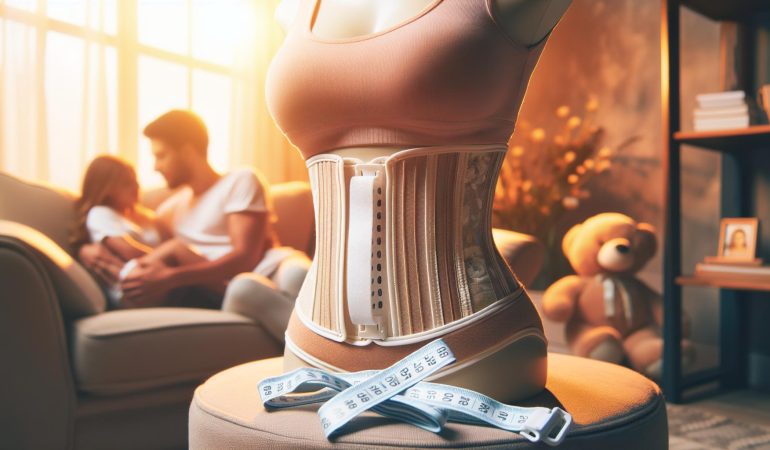
Navigating postpartum recovery can be overwhelming, and many new mothers turn to waist trainers in hopes of regaining their pre-pregnancy shape. But do these garments truly aid in recovery, or can thay pose risks? Understanding the benefits and drawbacks of waist trainers is essential for informed choices during this transformative time.
Understanding Waist Trainers: What New Moms Need to Know
The Rise of Waist Trainers Among New Moms
The journey of motherhood comes with numerous changes, both physically and emotionally.Many new moms seek ways to regain their pre-pregnancy figures, prompting the popularity of waist trainers as a potential aid in postpartum recovery. These garments are designed to compress the waist and abdomen, promising a more defined silhouette. However, before integrating waist trainers into your postpartum routine, it’s essential to understand both their benefits and potential risks.
Benefits of Waist Trainers for New Moms
Adopting a waist trainer post-pregnancy can offer several advantages, which may appeal to new mothers looking for support and recovery aids. Here are some of the key benefits:
- Body Support: Waist trainers can provide crucial support to the core and lower back, which is beneficial as your body adjusts after childbirth.
- Posture Betterment: Many users report better posture while wearing a waist trainer,helping to alleviate discomfort frequently enough caused by holding and feeding a baby.
- Psychological Boost: The compression can create an immediate sense of waist reduction,which may help improve self-esteem during the often-challenging postpartum period.
Crucial Considerations
While waist trainers may seem like a quick fix,there are important factors to consider before incorporating them into your postpartum recovery plan. Misuse of waist trainers can lead to discomfort or health issues. Be aware of the following:
- Potential Physical discomfort: Wearing a waist trainer for prolonged periods can cause discomfort, restricted breathing, or even digestive issues.
- pre-existing Conditions: Women with specific medical issues,such as diastasis recti or pelvic floor dysfunction,should consult healthcare professionals before using waist trainers.
- Not a Permanent Solution: Relying solely on corsets for body shaping doesn’t replace the importance of a balanced diet and regular exercise in achieving long-term body goals.
Finding the Right Fit
If you choose to use a waist trainer as part of your postpartum recovery, selecting the right model and size is essential for both comfort and effectiveness. Consider the following tips:
- Choose the Right Size: Measure your waist accurately and refer to the brand’s sizing chart to find the best fit.
- Opt for Quality Materials: Look for waist trainers made from breathable fabric to ensure comfort while wearing.
- Incremental Use: Start wearing the waist trainer for short periods and slowly increase the duration as your body adjusts.
| Aspect | Waist Trainer Pros | Waist Trainer Cons |
|---|---|---|
| Support | Provides core and back support | Can lead to overreliance |
| Posture | Improves alignment | May restrict natural movements |
| Aesthetic | Offers immediate visual effects | Does not replace a healthy lifestyle |
| Comfort | Can aid in recovery if used correctly | Potential for discomfort with prolonged wear |
by understanding waist trainers — including the benefits and drawbacks — new moms can make informed decisions about their use during postpartum recovery. Always prioritize well-being over quick fixes and consult healthcare professionals when in doubt.
Exploring the Benefits of Waist Trainers After Childbirth
The Comfort and Support of a Waist Trainer
Postpartum recovery can be a challenging journey for many women, with physical changes that often require time and patience to navigate. One product that has gained increasing popularity is the waist trainer. Designed to provide gentle compression and support, waist trainers can perhaps aid in the recovery process.Many new mothers find that wearing a waist trainer helps them feel more comfortable in their own skin as they adjust to their post-baby bodies.
- Improved posture: The structured design of a waist trainer encourages an upright posture,which can be particularly beneficial for mothers who find themselves hunched over while caring for their newborn.
- core support: After childbirth, core muscles need time to heal. A waist trainer can offer added support to these muscles, making everyday activities feel more manageable and less strenuous.
- Body confidence: Many users report an increase in self-esteem and body image through the controlled fit of a waist trainer, which can help in regaining a sense of normalcy after meaningful physical changes.
Enhancement of Physical Activity
Incorporating a waist trainer during physical activities can lead to an enhanced workout experience. While they should not replace proper exercise and diet, they can serve as a motivational tool. For many women,the compression provided by a waist trainer can lead to increased perspiration. This may create a perception of greater effort, which can be encouraging for those returning to fitness post-childbirth.
| Benefit | Explanation |
|---|---|
| Increased Sweat | Waist trainers can elevate perspiration levels during workouts, which some believe aids in detoxification. |
| Encouragement to Move | The feeling of support may motivate new mothers to engage in more physical activity sooner. |
| Focus on Core Strength | Wearing a waist trainer encourages emphasis on core exercises, which are crucial for recovery. |
Advice for New Mothers Considering Waist trainers
If you’re considering a waist trainer as part of your postpartum recovery strategy, here are some actionable tips:
- consult with your healthcare provider: It’s important to discuss any postpartum plans with a doctor, especially if you had a C-section or other complications.
- Choose the right fit: Select a waist trainer that is in line with your body type and size. It should feel snug but not overly restrictive.
- Listen to your body: Pay attention to your comfort levels. If you experience pain or discomfort while wearing a waist trainer, it’s crucial to remove it and consult a healthcare professional.
- Combine with healthy habits: For optimal results, pair waist training with regular physical activity and healthy eating to support overall postpartum recovery.
Exploring the benefits of a waist trainer for postpartum recovery shows that, when used correctly, it can be a supportive tool in the journey back to wellness and confidence. The ultimate goal is to ensure that every new mother feels empowered and in control of her recovery process.
Weighing the Risks: What Experts Say About Postpartum Waist Training
The Controversial Landscape of Postpartum Waist Training
In the realm of postpartum recovery, waist trainers have gained popularity as a potential tool for shaping the body post-delivery. though, experts have raised critically important concerns about the practice, emphasizing the need for caution. While some women report feeling more supported and motivated in their postpartum journey with waist trainers,many professionals caution against the potential risks associated with restrictive waist training.
One significant concern is the impact of waist trainers on core muscles, particularly during a time when these muscles are already weakened from pregnancy. Experts warn that overly tight waist trainers can lead to muscle atrophy, making it challenging to regain strength naturally. A study published in the *Journal of Women’s Health* noted that over-reliance on external support, such as waist trainers or binders, could hinder the body’s natural recovery process.
Experts Weigh In: Pros vs. Cons
When considering waist training in the postpartum period, it’s essential to understand the opinions of healthcare professionals. Below are some insights from experts in the field:
- Physical therapist Perspective: Many physical therapists advocate for core strengthening exercises rather than relying on waist trainers. They stress the importance of engaging the pelvic floor and core muscles through safe movements and exercises.
- Obstetrician Insights: Some obstetricians recognize the appeal of waist trainers but caution that they should not be viewed as a magic solution for weight loss. Postpartum weight management should ideally involve a balanced diet and gradual physical activity.
- Psychological Factors: Mental health professionals often highlight potential body image issues associated with waist training, warning that it may lead to unhealthy comparisons and unrealistic body expectations during a vulnerable recovery period.
Informed Decisions: Practical Steps for New Moms
If you’re contemplating using a waist trainer as part of your postpartum recovery, here are some actionable steps to help guide your decision:
| Consideration | Action Item |
|---|---|
| Consult Your Doctor | Before starting waist training, discuss your plans with your healthcare provider. |
| Focus on core Strength | Incorporate exercises that promote core strength rather than relying solely on a waist trainer. |
| Listen to Your Body | If you experience discomfort, remove the waist trainer and seek professional advice. |
| Maintain a Positive Body Image | Engage in activities that promote a healthy self-image and celebrate your body’s changes. |
Being informed about both the benefits and drawbacks of waist trainers can aid in making a balanced decision. The journey of postpartum recovery is unique for every individual, and understanding the varying opinions of experts can illuminate a path that promotes both physical health and emotional well-being.
The Science Behind Waist Training: How It Affects Your Body
The Mechanism of Waist Trainers
For centuries, women have sought methods to enhance their figures, and waist trainers have emerged as a popular modern solution, particularly among those navigating postpartum recovery.These garments, typically made of latex or similar materials, are designed to compress the midsection, promising a more contoured silhouette. But what does this compression actually do to your body during a time of significant physical change?
When you wear a waist trainer,it exerts pressure on the abdomen,which can influence posture and even the distribution of body weight. This compression can create the illusion of a smaller waist, but the effects go beyond aesthetics. Many users report improved posture, which can alleviate some common postpartum discomfort. Though, this support is frequently enough temporary and can lead to reduced core strength over time if not paired with appropriate abdominal exercises.
Physiological Effects of Long-Term Use
While wearing a waist trainer can provide an immediate visual benefit,the long-term physiological implications are worth considering. Prolonged compression can limit the diaphragm’s movement and restrict normal breathing patterns. This could not only hinder respiratory efficiency but also put extra strain on the abdominal organs,which are still in a state of recovery post-pregnancy.
- Improved posture: The rigid structure of waist trainers may encourage you to sit and stand taller.
- temperature regulation: the material can create a warming effect, which some believe aids in sweating and fat loss.
- Reduced core stability: Reliance on an external device for support may weaken the body’s natural stabilizing muscles.
Balancing Benefits and Risks
Navigating the benefits and risks of waist trainers is crucial, especially during postpartum recovery.While they can enhance self-confidence and serve as a motivational tool for some women, it is vital to pair waist training with a healthy lifestyle that includes exercise and proper nutrition. Engaging in core-strengthening workouts,such as pelvic floor exercises or gentle abdominal workouts,can definitely help restore abdominal integrity while minimizing dependency on the waist trainer.
For those considering waist trainers as a part of their postpartum journey, a well-balanced approach is key. combining the occasional use of a trainer with physical activity and professional guidance, such as consultation with a postpartum physical therapist, can lead to the best outcomes for both body and self-image.
| Pros | Cons |
|---|---|
| May enhance body confidence | Potential to weaken core muscles |
| Can improve posture | May restrict breathing |
| Supports weight management | Temporary fixes versus long-term results |
By understanding these processes, you can make informed decisions on whether incorporating a waist trainer into your postpartum recovery plan aligns with your health goals.
real Experiences: Mom-to-Mom Insights on Using Waist Trainers
Real Experiences from Moms: Insights on Waist Trainers
Many new moms are on the lookout for ways to regain their pre-pregnancy shape. A common tool in this quest is the waist trainer, a garment designed to shape the body and provide support during postpartum recovery. Sharing real experiences from mothers who have turned to waist trainers can offer valuable insights and a sense of community to those considering this option.
- Enhanced Posture: Several moms report that wearing a waist trainer helped them maintain better posture during the early postpartum months, especially while breastfeeding.The added support around the midsection can promote an upright stance, reducing back discomfort that often accompanies new parenthood.
- Confidence Boost: many mothers felt a surge of confidence as they gradually noticed changes in their waistlines. One mom shared, “it was encouraging to see a smaller waist in the mirror, which helped me stay motivated in my postpartum recovery journey.”
- discomfort vs. Benefits: While there are numerous positive accounts, some moms voiced concerns about the initial discomfort associated with waist trainers.Many recommend starting with shorter periods of wear and gradually increasing as your body adjusts. “At frist, it felt restrictive,” a mom stated, “but after a week, I found it more comfortable and supportive.”
Advice from Experienced Users
To maximize the benefits of waist trainers while mitigating any downsides, here are some insights from mothers who’ve incorporated this practice into their daily routine:
| Tip | Details |
|---|---|
| Choose the Right Size | Measure your waist accurately and consult sizing charts. A waist trainer that is too tight can cause discomfort or breathing issues. |
| Layering | Some moms found layering a tank top underneath the waist trainer helped with comfort,preventing irritation on the skin. |
| Include Physical Activity | Pair waist trainer use with light exercise to enhance muscle engagement and overall recovery. Walking or gentle yoga can complement the results. |
| Stay Hydrated | Hydration is crucial. Many moms mention that wearing a waist trainer made them more mindful about their water intake, helping them stay healthy. |
these shared experiences from fellow mothers highlight that while waist trainers can play a role in postpartum recovery, personal comfort and overall wellness should always be prioritized. Adjusting the way one approaches the use of a waist trainer can lead to a more positive experience and outcomes tailored to individual needs and preferences.
Alternatives to Waist trainers: healthy Body Recovery Strategies
Many new mothers are seeking effective ways to recover their bodies post-pregnancy, and while waist trainers have gained popularity, there are numerous healthier and more sustainable strategies available. Emphasizing a balanced approach not only fosters long-term wellness but also aligns with the body’s natural healing processes.
Embrace Proper Nutrition
A well-balanced diet is essential for postpartum recovery. Nutrient-dense foods support healing and energy levels, crucial for new mothers managing both recovery and childcare. Focus on incorporating:
- Lean Proteins: Foods like chicken,fish,eggs,and legumes help in muscle repair and recovery.
- Fruits and Vegetables: Rich in vitamins and antioxidants, these foods aid in boosting immunity and overall health.
- Whole Grains: Quinoa, brown rice, and oats provide sustained energy and fiber which is beneficial for digestion.
- Healthy Fats: incorporate sources like avocados, nuts, and olive oil for essential fatty acids and added energy.
By prioritizing a diet rich in these foods, postpartum recovery can be fortified effectively without the added pressure of restrictive solutions like waist trainers.
Incorporating Gentle Exercise
physical activity plays a critical role in recovery, helping to rebuild strength and improve mood. Gentle exercises focus on rebuilding core stability and pelvic floor strength. Consider the following activities:
- Walking: Start with short walks to promote circulation and boost mood.
- Postnatal Yoga: Gentle stretching and breathing exercises aid in relaxation and core recovery.
- Pelvic Floor Exercises: Practice kegel exercises to strengthen and support the pelvic muscles.
These forms of movement not only assist in physical recovery but can also provide emotional benefits, fostering a sense of empowerment and connectedness with one’s body.
Prioritize Sleep and Self-Care
Rest is often undervalued during the postpartum period. Hormonal changes and the demands of a newborn can disrupt sleep patterns, making self-care practices crucial. Strategies for enhancing rest and recovery include:
- Power Naps: Short naps when the baby sleeps can rejuvenate energy levels.
- Mindfulness and relaxation Exercises: Techniques such as meditation or deep breathing can reduce stress and promote emotional well-being.
- Seek Support: Partnering with family or friends for childcare can provide much-needed breaks.
For many women, the physical and emotional burdens of recovery can feel overwhelming, but prioritizing self-care can ease these feelings and build resilience.
Real-World Example: Personal Transformations
Consider Sarah, a new mother who opted for a balanced recovery approach rather of using a waist trainer. By focusing on nutritious meals, integrating light exercises, and ensuring restful moments in her day, she experienced a positive transformation. Within several months, not only did she regain her core strength, but she also developed a happier mindset, better equipped to manage the challenges of motherhood.
Recognizing that each body responds differently to postpartum recovery, its essential to note that the emphasis should be on healthful practices that foster healing and self-acceptance. By sidestepping popular trends like waist trainers and embracing these strategies rather, new mothers can pave the way for a robust recovery.
Expert Tips for Safe and Effective Waist Training Postpartum
Before embarking on your postpartum recovery journey, it’s crucial to approach waist training with care and insight. Many new mothers are eager to regain their pre-pregnancy shape,and waist trainers can be an appealing option. However, understanding how to use them safely and effectively is key to avoiding any potential risks while maximizing benefits.
Understand Your Body’s Needs
Your body has undergone significant changes during pregnancy and childbirth,which means it’s essential to take a personalized approach to waist training. Here are some expert recommendations:
- Consult your Healthcare Provider: Before starting any waist training regimen, particularly postpartum, consult with your doctor. They can provide personalized advice considering your unique recovery journey.
- Start Slow: If you’ve been cleared for waist training,start with shorter sessions (15-30 minutes) before gradually increasing wear time. Your body must readjust after childbirth,and gentle reintroduction is key.
- Listen to Your Body: Pay attention to how your body reacts. If you experience discomfort, back pain, or breathing difficulties, it’s vital to reevaluate your approach.
Selecting the Right Waist Trainer
Choosing the right waist trainer can significantly impact your postpartum experience. Here’s a simplified comparison of key features to consider:
| Feature | Importance |
|---|---|
| Material | Opt for breathable fabrics that provide support without excessive pressure. |
| Size and Fit | Ensure a snug but comfortable fit; too tight can hinder recovery. |
| Style | Consider different styles that offer varying levels of support, from light compression to firm shaping. |
| Adjustability | Choose trainers that allow for adjustability, accommodating your body’s ongoing changes. |
Incorporate Holistic Practices
While waist training can be beneficial,combining it with holistic practices can enhance your overall postpartum recovery:
- Engage in Gentle Exercise: Activities like walking,pelvic floor exercises,and postpartum yoga can facilitate healing and strengthen core muscles.
- Maintain a Balanced Diet: Focus on nutrition to support your recovery. foods rich in vitamins and minerals can assist in rebuilding your strength.
- Stay Hydrated: Proper hydration is essential, especially if your breastfeeding.It aids in overall recovery and skin elasticity.
By integrating these expert tips into your approach to waist training postpartum, you can create a balanced regime that promotes recovery while working towards your personal fitness goals. Remember, patience and consistency are your best allies in this journey.
Balancing Body Image and Health: A Supportive Approach to Postpartum Recovery
The interplay of Body Image and Health in Postpartum Recovery
Navigating the complexities of body image during postpartum recovery is an experience shared by many new mothers. The physical changes following childbirth can be significant, prompting a myriad of feelings—from pride in bringing new life into the world to frustration with alterations in body shape and size. It’s vital to approach this transformative period with a mindset focused on well-being and self-acceptance, rather than solely on aesthetics.
While postpartum products like waist trainers are frequently discussed for their potential benefits, understanding their role in the journey of recovery is essential. Here are some key considerations to keep in mind:
- Prioritize Health Over Appearance: Focus on nourishing your body with balanced nutrition and incorporating gentle exercises that fit your lifestyle and recovery needs.
- Set Realistic Expectations: Understand that postpartum bodies take time to heal. Embrace gradual changes rather than seeking immediate results.
- Practice Self-Compassion: Acknowledge the incredible journey your body has undertaken and treat yourself with kindness. Negative self-talk can hinder your emotional and physical recovery.
- Seek Professional Guidance: A healthcare provider can offer personalized advice on postpartum recovery methods, helping you weigh the pros and cons of options like waist trainers.
Paving the Way for a Positive Postpartum Experience
Creating a supportive surroundings can immensely impact how you perceive your body post-birth. Surround yourself with communities that celebrate diverse body types and encourage healing through positive affirmations and shared experiences.Engaging with other mothers through support groups, both online and offline, can provide encouragement and relatable insights.
Additionally, consider the following strategies to enhance your postpartum recovery while maintaining a balanced perspective on body image:
| Strategy | Description |
|---|---|
| Mindful Movement | Incorporate gentle activities like walking or yoga that honor your body’s capabilities and promote well-being. |
| Cognitive Restructuring | Challenge negative thoughts related to body image by replacing them with affirmations that acknowledge your strength and resilience. |
| Seeking help | Consider speaking to a therapist or counselor specializing in postpartum issues to process emotional changes during recovery. |
Ultimately, adopting a supportive approach that intertwines body image management and health will not only aid in transitioning through the postpartum phase but will also foster long-term well-being. By prioritizing self-love and health over societal pressures, new mothers can reclaim their narratives, empowering themselves on the journey to full recovery.
Insights and Conclusions
exploring the role of waist trainers in postpartum recovery opens up a dialog about body positivity and personal choice. While they may offer some advantages like support and potential shaping, it’s crucial to weigh these against the potential drawbacks such as physical discomfort and the importance of allowing your body to heal naturally. Remember, every journey is unique—what works for one person may not work for another. We encourage you to listen to your body and consult with healthcare professionals to find the best path for your recovery.
As you navigate this new chapter of parenthood, stay informed and empowered. Keep exploring resources that resonate with your experience and remember, it’s perfectly okay to seek support along the way. Your well-being is important, and finding solutions that make you feel your best is part of this beautiful journey. Feel free to engage with us in the comments or reach out with your experiences—your insights might just help another parent find their way,too.
Get our latest guides, news, and insights highlighted in your Google Search & AI Overviews.

