

As a new mother, navigating your diet can be overwhelming, especially when considering the safety of foods like mushrooms during breastfeeding. Understanding their potential benefits and risks is crucial for both your health and your baby’s development. This article offers essential safety guidelines to help you enjoy mushrooms worry-free while nursing.
Understanding the Nutritional Benefits of Mushrooms for New Moms
Did you know that mushrooms are not just a flavorful addition to your meals; they also pack a powerful nutritional punch that can be particularly beneficial for new moms? As you navigate the early stages of motherhood, ensuring that your body receives adequate nutrition is essential, especially if you’re breastfeeding. By understanding the nutritional benefits of mushrooms, you can make informed choices about their inclusion in your diet during this crucial time.
Nutritional profile of Mushrooms
Mushrooms are low in calories yet rich in essential nutrients that support overall health. Here’s a fast look at some of the key nutrients found in common edible mushrooms:
| Nutrient | Benefit |
|---|---|
| Vitamin D | Supports immune function and helps in calcium absorption for stronger bones. |
| B Vitamins | Crucial for energy production and metabolism, helping to combat fatigue experienced by new moms. |
| Fiber | Aids digestion and helps maintain a healthy weight, which can be a concern postpartum. |
| Antioxidants | Help to reduce oxidative stress, supporting overall health and recovery post childbirth. |
Why New Moms Should Consider Mushrooms
Including mushrooms in your diet can also enhance your meals while providing valuable health benefits. here are a few reasons why mushrooms should be part of your postpartum nutrition plan:
- Boosts Immune Health: The immune system often needs reinforcement after childbirth, and mushrooms can provide nutrients that support immune function, such as beta-glucans.
- Emotion Regulation: Some studies suggest that the ergothioneine found in mushrooms may help improve mood and reduce feelings of anxiety—a common concern among new mothers.
- Weight Management: With their high fiber content and low calorie count, mushrooms can help keep you feeling full longer, making it easier to manage weight while ensuring that both you and your baby recieve necessary nutrients.
- Versatile and Delicious: Whether sautéed, roasted, or added to soups and stews, mushrooms easily incorporate into a variety of dishes, making healthy eating more enjoyable.
Incorporating mushrooms into your meals can be both safe and beneficial while breastfeeding. Remember to choose fresh, properly cooked varieties and avoid any wild mushrooms unless you are certain of their safety. This knowledge empowers you to answer the question, “Can I eat mushrooms while breastfeeding?” with confidence as you embrace a diet that supports you and your growing baby.
Common Concerns About Mushrooms and Breastfeeding Safety
Did you know that mushrooms are often referred to as nature’s superfood, packed with nutrients that can be beneficial for both mothers and their babies? However, when it comes to the question of whether to include them in your diet while breastfeeding, a multitude of concerns can arise. Let’s delve into the common worries surrounding mushroom consumption during this crucial period and clarify the safest practices.
Allergies and Sensitivities
One of the most significant concerns among breastfeeding mothers is the possibility of allergic reactions.Mushrooms can trigger allergic responses in some individuals, which might lead to symptoms such as skin rashes, gastrointestinal discomfort, or respiratory issues. If you or anyone in your family has a history of mushroom allergies, it’s advisable to approach this food category with caution. Pay attention to your baby’s reactions after you consume mushrooms, as breast milk may convey allergens.
Types of Mushrooms
Not all mushrooms are created equal; some are safe to eat, while others can be toxic. To ensure safety while breastfeeding,consider the following recommendations:
- Edible Varieties: Commonly consumed mushrooms such as button mushrooms,shiitake,and portobello are generally safe and nutritious.
- Avoid Wild Mushrooms: Foraging for mushrooms can be risky due to the presence of poisonous varieties. stick to store-bought options.
- Cooking Methods: Always cook mushrooms thoroughly. Raw or undercooked mushrooms can harbor bacteria and toxins that may pose health risks.
Nutritional Benefits
Including safe and nutritious mushrooms in your diet while breastfeeding can considerably enhance your nutrient intake.These fungi are rich in protein, fiber, vitamins D and B, and essential minerals such as selenium. However, always remember to consult with your healthcare provider to tailor your diet according to your specific needs.
| Type of Mushroom | Nutritional Benefits | safety Notes |
|---|---|---|
| Button Mushrooms | Low in calories, high in B vitamins | Commonly eaten, safe |
| Shiitake Mushrooms | Rich in antioxidants, supports immune health | Safe when cooked |
| Wild Mushrooms | May contain toxins, variable nutritional value | Avoid unless identified by an expert |
By addressing these common concerns, mothers can make informed choices regarding mushroom consumption while breastfeeding. The key is to remain vigilant and prioritize safety, ensuring that your food choices contribute positively to both your health and your baby’s development.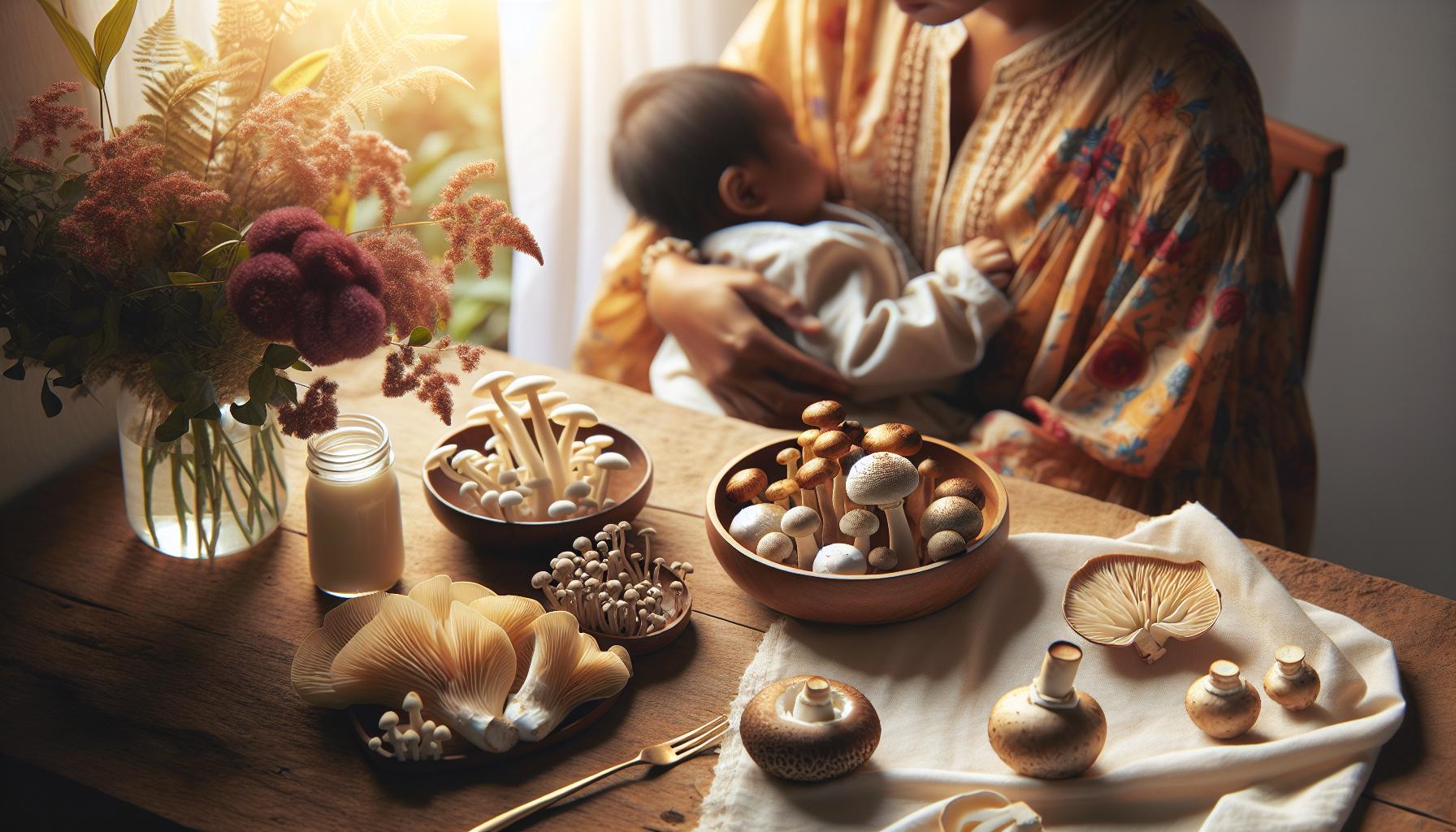
Which Types of Mushrooms Are Safe to Eat While Nursing?
did you know that mushrooms are not only a source of flavor but also packed with nutrients? For nursing mothers, choosing the right types of mushrooms can enhance diets while avoiding any potential risks. When considering which mushrooms to incorporate while breastfeeding, it’s essential to distinguish between varieties that are not only safe but also beneficial.
Common Safe Mushrooms for nursing Moms
While some mushrooms may pose risks, several varieties are widely recognized as safe for consumption during breastfeeding. Here’s a quick guide to the most common types that are considered both nutritious and safe:
- Button Mushrooms (Agaricus bisporus) – These are the most common type of mushroom, mild in flavor, and an excellent addition to salads, soups, and stir-fries.
- Cremini Mushrooms – A baby portobello variant, cremini adds a deeper flavor to dishes and is rich in vitamins B and D.
- Shiitake Mushrooms (Lentinula edodes) – Known for their distinctive fragrance, shiitake mushrooms are also linked to immune system benefits.
- Oyster Mushrooms (Pleurotus ostreatus) – These soft, fan-shaped mushrooms have a slightly sweet flavor and are rich in antioxidants.
- Portobello Mushrooms (Agaricus bisporus) – The mature version of button mushrooms,portobellos are meaty and can be grilled or roasted for a hearty meal.
Considerations for Consumption
When adding mushrooms to your diet while nursing, it is indeed crucial to adhere to some general guidelines to minimize any risk.First, ensure that all mushrooms are thoroughly cooked, as raw mushrooms can possibly harbor harmful substances or pathogens. Additionally, be aware of any personal allergies and sensitivities, especially if you are trying a new variety for the first time.
Avoid foraged mushrooms unless you are entirely certain of their safety, as many wild mushrooms can be toxic. Always choose commercially grown varieties, as they are cultivated under controlled conditions, reducing the risk of contamination.
Nutritional Benefits and Allergic Reactions
Mushrooms are not just delicious; they also offer a wealth of nutritional benefits that can support both mothers and their babies. For example, mushrooms are a source of:
| Mushroom Type | Key nutritional Benefits |
|---|---|
| Button | Rich in selenium and vitamin B2 |
| Shiitake | Contains lentinans that may boost immunity |
| Portobello | High in potassium, aiding in reducing blood pressure |
While the majority of mushrooms are safe, it is significant to monitor for any signs of allergic reactions, especially if you have a family history or prior reactions to fungi. If you notice any adverse effects after consumption, consult a healthcare provider for personalized guidance.
By making informed choices while breastfeeding, you can safely enjoy a variety of mushrooms, adding valuable nutrients to your diet while supporting your nursing journey.
Preparing Mushrooms: Tips for Safe consumption During Breastfeeding
Mushrooms can be a delicious and nutritious addition to your diet, especially during the breastfeeding phase. However, preparation is key to ensuring both safety and flavor. The way you handle and cook mushrooms can significantly affect their nutritional value and safety, making it essential for breastfeeding mothers to prioritize proper preparation methods.
Understanding Mushroom Varieties
First and foremost, it’s crucial to identify which mushrooms are safe for consumption. While many varieties like button, shiitake, and portobello are generally safe, some wild mushrooms can be toxic. Always stick to commercially grown mushrooms from reputable sources to avoid any dangerous species.
- Commercial Varieties: Button,shiitake,cremini,oyster,and portobello are safe choices.
- Avoid: Wild mushrooms unless you are absolutely certain of their safety.
Preparation Techniques
To maximize safety and nutrition while enjoying mushrooms during breastfeeding, consider the following preparation tips:
- Thorough Cleaning: Always clean mushrooms under cool running water to remove any dirt, pesticides, or contaminants.
- Proper Cooking: Avoid raw mushrooms; cooking them not only enhances their flavor but also reduces the risk of harmful bacteria and toxins. Aim for sautéing, grilling, or roasting until they are well cooked.
- Check for Allergens: If you are trying mushrooms for the first time, consume them in moderation and watch for any allergic reactions in yourself or your baby.
Storage Considerations
Proper storage is also a vital aspect of mushroom preparation. store fresh mushrooms in a paper bag in the refrigerator, and consume them within a week for the best flavor and safety. If using dried mushrooms, ensure they are from a reputable source and follow the rehydration instructions meticulously to enhance safety.
| Storage Type | Recommended Method | Shelf Life |
|---|---|---|
| Fresh mushrooms | Store in a paper bag in the fridge | Up to 7 days |
| Dried Mushrooms | keep in an airtight container in a cool, dark place | Up to 12 months |
By adhering to these safety guidelines while preparing mushrooms, you can enjoy their health benefits without worry during your breastfeeding journey. remember to consult your healthcare provider before introducing new foods to your diet, ensuring that your choices support both your health and that of your baby.
Allergy Awareness: what Nursing Mothers should Look out For
Did you know that the food choices made by nursing mothers can directly impact their infant’s health? As breastfeeding provides vital nutrients and antibodies, it’s essential for mothers to consider potential allergens in their diets. This is particularly relevant when discussing various foods,including mushrooms. While many types of mushrooms are generally safe, some can trigger allergic reactions, which is crucial for mothers to be aware of.
identifying Common Allergens
Allergic reactions can vary significantly among individuals, and for nursing mothers, understanding which foods may cause issues is paramount. Certain mushrooms, especially wild varieties, can potentially provoke allergies. Here are key points to consider:
- Common Allergens: Common edible mushrooms, such as button, cremini, and shiitake, typically have a lower risk of causing allergies compared to wild mushrooms.
- signs of Allergies in Infants: If your baby exhibits symptoms like rash,fussiness,bloating,or gastrointestinal discomfort after breastfeeding post-consumption of mushrooms,it’s essential to consult a healthcare professional.
- Personal History: Mothers with known food allergies should exercise caution and avoid consuming foods they’ve reacted to previously, including mushrooms.
Steps to ensure Safe Consumption
When considering whether “Can I Eat Mushrooms While Breastfeeding? Safety Guidelines” should include mushrooms in your diet, take the following steps to minimize risks:
- Consult a Pediatrician: Before introducing new food items, especially if your dietary habits change significantly, discussing this with your pediatrician is advisable.
- Start with Cooked Varieties: Fresh, cooked mushrooms are generally safer than raw.Cooking can reduce the risk of allergies and aids digestion.
- Monitor Baby’s Reactions: After consuming mushrooms, pay close attention to your baby’s behavior and any symptoms. Keeping a food diary can help track any correlations between your diet and your infant’s health.
- Consider Popular Varieties: Stick to commonly consumed types like button or shiitake and avoid unfamiliar or wild mushrooms until you’re more cozy with their effects.
Table: Mushroom Allergy Risk Levels
| Mushroom Type | Allergy Risk Level | Notes |
|---|---|---|
| Button Mushroom | Low | Most commonly consumed, generally safe. |
| Shiitake Mushroom | Low | Popular in Asian cuisines, minor allergy risk. |
| Wild Mushrooms | High | Potentially toxic and allergenic; avoid these. |
By taking these precautions and remaining vigilant, nursing mothers can confidently navigate their dietary choices while minimizing the risk of allergic reactions for their little ones. Always prioritize safety and consult healthcare experts whenever in doubt.
Moderation Matters: How Much Mushroom is Right for you?
Did you know that mushrooms are not only delicious but also packed with nutrients? However, their consumption during breastfeeding brings up important questions about moderation and safety. as you embark on this culinary journey while nursing, understanding how much mushroom is right for you is crucial.
Understanding Portion Sizes
When it comes to including mushrooms in your breastfeeding diet, *moderation* is key. While mushrooms can provide various health benefits, including essential vitamins and minerals, it’s vital to be mindful of portion sizes. Here are some general guidelines to consider:
- Start with small servings – Aim for about ½ cup of cooked mushrooms a few times a week to gauge your body’s response.
- Diverse Variety – Incorporate different types of mushrooms, like shiitake, portobello, and button mushrooms, to benefit from their unique nutrient profiles.
- Listen to Your Body – Every individual reacts differently. If you notice any digestive issues or unusual reactions in yourself or your baby, consider reducing your intake or consulting a healthcare professional.
Nutritional benefits and Risk Awareness
While mushrooms offer high amounts of fiber, antioxidants, and vitamins, choosing the right kind and quantity is essential. Not all mushrooms are safe for consumption,particularly if foraged or eaten raw.It’s advisable to focus on commercially produced varieties, which are often grown under controlled conditions.
Here’s a brief overview of common mushrooms and their benefits:
| Mushroom Type | Nutritional Benefits | Recommended Serving Size |
|---|---|---|
| Button Mushrooms | Rich in B vitamins, antioxidants | ½ cup cooked |
| Shiitake mushrooms | Immune support, high in antioxidants | ½ cup cooked |
| Portobello Mushrooms | High in potassium and nutrients | 1 mushroom per serving |
The goal is to integrate mushrooms into your breastfeeding diet where they can provide maximum benefits without overwhelming your system. By adhering to moderation and paying attention to how your body reacts, you can savor the unbelievable flavors and health benefits these fungi have to offer.
Expert opinions: What Healthcare Providers Say About Mushrooms in Your Diet
Understanding the Nutritional Benefits of Mushrooms
Mushrooms, often regarded as superfoods, are rich in essential nutrients that can provide numerous health benefits, particularly for breastfeeding mothers. Healthcare providers emphasize that many mushroom varieties are high in vitamins D and B, selenium, and a host of antioxidants, which not only support immune function but also promote overall well-being during the postpartum period. Many experts maintain that these fungi can be a nutritious addition to your diet, provided the right types are chosen and consumed appropriately.
Expert Insights on Safety for nursing Mothers
Nutritional guidance regarding the consumption of mushrooms while breastfeeding reiterates the importance of selecting safe varieties. Dr. Emily Johnson, a registered dietitian, points out that “common mushrooms like button, shiitake, and portobello are not only safe but also beneficial. They offer vital nutrients that can support both the mother’s health and milk production.” However, she also stresses the necessity of proper preparation; cooking mushrooms thoroughly is vital to eliminate potential toxins present in raw fungi.
- Choose Safe Varieties: Stick to well-known mushrooms.
- Cook Thoroughly: Always cook mushrooms to reduce risks associated with pathogens.
- Allergies and Reactions: Monitor your baby for any allergic reactions after introducing new mushrooms.
consultation with Healthcare Providers
Many healthcare providers recommend discussing dietary choices with a lactation consultant or pediatrician. According to Dr. sarah Thompson, a pediatrician specializing in breastfeeding, “It’s crucial for mothers to keep a food diary. This can help track any negative reactions in their infants when new foods, including mushrooms, are introduced.” by engaging in open dialog with healthcare professionals, new mothers can feel more confident in their dietary choices while ensuring the health and safety of their babies.
| Mushroom Type | Nutritional Benefits | Preparation Tips |
|---|---|---|
| Button | Rich in potassium and B vitamins. | Cook at high temperatures to ensure safety. |
| Shiitake | supports immune health,high in antioxidants. | Slice and sauté for enhanced flavor. |
| Portobello | high in selenium and vitamins D. | Grilling brings out the best taste and texture. |
Incorporating mushrooms into a breastfeeding diet can be both nutritious and safe if mothers are mindful of the type of mushrooms they consume and how they prepare them. Consulting with a healthcare provider and remaining observant of any individual reactions will enhance a mother’s confidence in her dietary choices.
Listening to Your Body: Signs Mushrooms Might Not Work for You
understanding Your Body’s Signals
when considering the various foods you consume while breastfeeding, it’s essential to pay close attention to how your body responds to new additions, like mushrooms. While many mothers find mushrooms to be a nutritious and versatile food option, they may not work for everyone.The body often communicates its needs and reactions through subtle signs that shouldn’t be ignored.
If you experience any discomfort or adverse reactions after consuming mushrooms, it’s crucial to evaluate your dietary choices.Some common symptoms to watch out for include:
- Gas and Bloating: An increase in gas production could indicate difficulty digesting certain types of mushrooms.
- Allergic Reactions: Rashes, itchiness, or swelling, particularly around the mouth, can signify an allergy to mushrooms.
- Stomach Pain: Cramping or discomfort can suggest that your digestive system is struggling with the fungi.
- Changes in Milk Supply: If you notice a decrease in milk production, it might be a response to your diet.
Keeping a Food Diary
To closely monitor how mushrooms impact your breastfeeding experience, consider keeping a food diary. Document your meals and any symptoms you notice within 24 hours. This can help you identify patterns and determine if mushrooms are affecting you adversely. Here’s a simple layout you can follow:
| Date | Foods Consumed | Symptoms Noticed |
|---|---|---|
| MM/DD | Mushrooms, other items | Gas, discomfort |
| MM/DD | Other meals | No symptoms |
This method not only provides you with valuable insights but also arms you with information you might share with your healthcare provider, making it easier to discuss potential dietary changes or restrictions while you navigate the question: “Can I eat mushrooms while breastfeeding?” Understanding your body’s reactions is key to ensuring both your health and your baby’s well-being.
Future Outlook
As we’ve explored,navigating food choices while breastfeeding can seem daunting,but understanding which foods are safe can bring peace of mind. Mushrooms, packed with nutrients, can be a wholesome addition to your diet, but it’s essential to prioritize safety by opting for well-cooked varieties and consulting with your healthcare provider if you have any concerns. Remember, every journey is unique, and it’s okay to ask questions and seek guidance. As you continue on this beautiful path of parenting,know that you’re doing an incredible job. Embrace this chance to learn more about your health and your baby’s, and don’t hesitate to dive deeper into resources that empower you. together, we can make informed decisions that nurture both you and your little one!
Get our latest guides, news, and insights highlighted in your Google Search & AI Overviews.

