

As parents increasingly turn to screens for entertainment,a crucial question looms: is screen time harmful for infants? With research suggesting potential impacts on growth,understanding the effects of television exposure on young minds is essential.This article unpacks the facts, helping caregivers make informed choices about media consumption for their little ones.
Understanding Baby Development: What You Need to Know
The Rapid Growth Phases of Infants
Did you know that a baby’s brain develops more rapidly in the first few years of life than at any other time? In fact, by the age of two, a child’s brain has reached approximately 80% of its adult size. This period of rapid cognitive and emotional development requires a nurturing environment packed with interaction, stimulation, and variety. As parents,understanding the stages of baby development can help you foster essential skills that are foundational for lifelong learning.
As babies grow, their capabilities evolve in remarkable ways. Here are some critical developmental milestones to watch for:
- social Development: Newborns start responding to voices, and by six months, they’ll often interact through coos and laughs, establishing interaction bonds.
- Cognitive Skills: From recognizing familiar faces to exploring objects with their senses, cognitive skills begin to take shape as early as four to six months.
- Motor Skills: Gross motor skills, such as rolling over and eventually crawling, typically develop between six to twelve months.
- Language Acquisition: By the end of their first year, babies might say their first words, laying the groundwork for language development.
The Role of Stimulation and Interaction
Providing engaging stimuli is crucial during this formative period. Activities like reading, singing, and playing games promote not just cognitive growth but also emotional bonding. Interactive play encourages problem-solving and critical thinking, essential components of cognitive development.For example, rather of placing your baby in front of the television, consider hands-on toys or simple household items to encourage exploration.
A recent analysis linked extended screen exposure in infants to various developmental delays. Therefore, moderation is key.
| Activity | Developmental Benefit | Screen Time Alternatives |
|---|---|---|
| Reading | Enhances language skills and comprehension | Storytime with caregivers |
| Interactive Play | Develops fine and gross motor skills | Using blocks, puzzles, and soft toys |
| singing | Boosts memory and social interaction | Engaging in nursery rhymes and songs |
keeping screen time limited while emphasizing interpersonal interactions, varied experiences, and stimulating activities can significantly contribute to a baby’s healthy development. Prioritizing these methods not only aligns with the findings regarding whether it’s bad for babies to watch TV,but also empowers them to flourish during these critical stages of growth.
how Screen time Affects Young Minds: The Research Behind the Claims

Did you know that excessive screen time during early childhood can be linked to issues such as impaired attention spans and delayed language development? Research reveals a complex relationship between screen exposure and cognitive growth in young minds, prompting a deeper examination of the claims surrounding screen use in infants and toddlers.
Understanding the Research
Studies have increasingly highlighted potential adverse effects of screen time on the developing brains of children. According to the American Academy of Pediatrics (AAP), children under the age of 18 months should avoid the use of screen media other than video chatting. This advice is rooted in the understanding that early exposure to screens can disrupt crucial developmental milestones. Key findings from various studies suggest that:
- Attention Issues: Some children exposed to screens frequently exhibit higher levels of distractibility and a reduced ability to concentrate.
- Language Delays: Limited face-to-face interaction, frequently enough replaced by screen viewing, can hinder language acquisition and social skills.
- Behavioral Problems: increased screen time has been associated with higher rates of behavioral issues, impacting socialization and emotional regulation.
Comparative Analysis of Screen Time Effects
To further illustrate these points, a comprehensive analysis comparing children’s developmental outcomes based on screen time limits was conducted. The findings highlight stark differences in outcomes among various age groups when screen time is controlled.
| Age Group | Recommended Screen Time | Potential Issues from Excessive Use |
|---|---|---|
| 0-18 Months | None (except video chatting) | Delayed language, socialization problems |
| 18-24 Months | 1 hour of high-quality programming | Increased aggression, attention problems |
| 2-5 Years | 1 hour of high-quality programming daily | Negative impacts on learning and attention |
The data indicate that the younger the child, the more critical it is to regulate screen exposure. Each stage of development comes with unique cognitive requirements that excessive screen time can hinder.
Ultimately, parents are encouraged to prioritize engaging, interactive experiences over passive screen time to foster better cognitive and social development. Choosing educational programs and co-viewing with children can enhance interaction and understanding, bridging the gap between screen exposure and meaningful learning experiences.
Recommended Screen Time for Infants and Toddlers: Guidelines from Experts
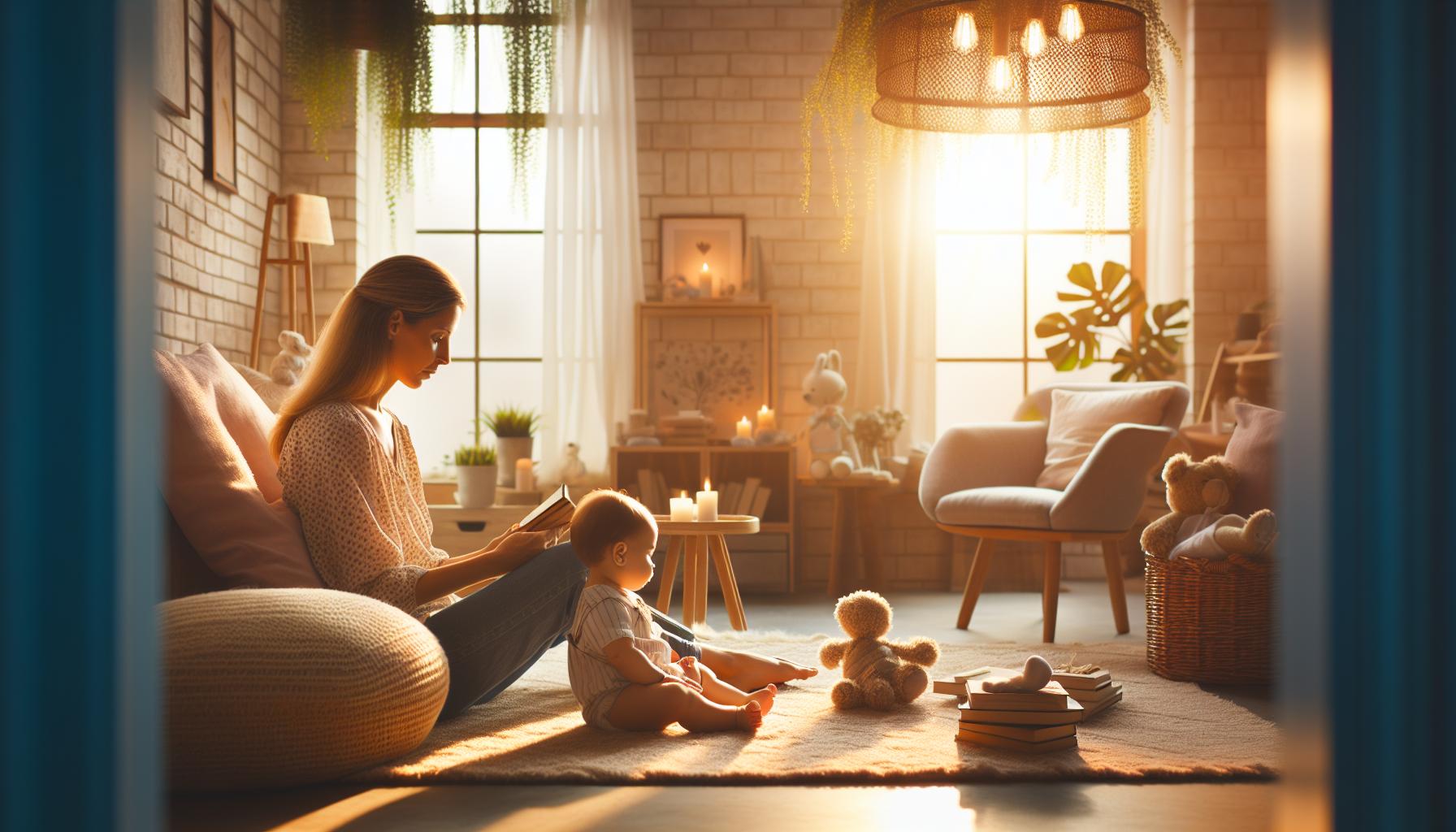
Understanding Screen Time Recommendations
as parents navigate the digital age, knowing how much screen time is appropriate for infants and toddlers can be daunting. Experts believe that the early years are critical for brain development, and the type and amount of screen exposure can significantly influence a child’s growth. Modern guidelines from reputable organizations provide clear recommendations aimed at helping parents make informed choices about their children’s media consumption.
Guidelines from Pediatric Experts
The American Academy of Pediatrics (AAP) offers robust guidelines that can help steer parents in the right direction when it comes to screen time for young children. Here’s a summarized overview of their recommendations:
| Age Group | Recommended Screen Time |
|---|---|
| under 18 months | Screen time should be avoided, except for video chatting. |
| 18 to 24 months | Parents are encouraged to choose high-quality programming and watch alongside their child. |
| 2 to 5 years | no more than 1 hour per day of high-quality programs, with co-viewing recommended. |
| 6 years and older | Consistent limits on screen time to ensure balance with other healthy behaviors. |
These guidelines are designed to minimize the risks associated with excessive screen exposure, which can include behavioral issues, poor sleep, and diminished cognitive performance. For example, rather than plopping a toddler in front of a screen, interactive play or reading can stimulate their imagination and learning.
Tips for Responsible Screen Time
Understanding recommended screen time is just the first step. Implementing it in a practical, thoughtful manner can further amplify its benefits. Here are some actionable tips for parents:
- Co-viewing: Whenever possible,watch programs alongside your child to help them understand the content and relevance to their real-world experiences.
- Engagement: Discuss what you watch together after the program. This encourages critical thinking and allows your child to process the information presented.
- Quality over Quantity: Choose educational programming that aligns with your child’s age and developmental stage. Look for shows that are informative and promote positive behaviors.
- Balance: Incorporate a mix of activities in your child’s daily routine, including outdoor play, reading, and family time, in lieu of excessive screen exposure.
By adhering to these expert guidelines and tips,parents can navigate the digital landscape with confidence,ensuring their children’s media consumption fosters healthy development rather than hindrance.
Alternative Activities to Support Learning and Development

Did you know that engaging your baby in hands-on activities can be far more beneficial for their development than screen time? Babies thrive on interaction, exploration, and sensory experiences—elements that are often absent when they are watching TV. Rather of reaching for the remote, consider these alternative activities that will not only captivate your little one but also foster essential skills.
Creative Play
Allow your baby’s imagination to flourish through creative play.Activities like drawing with non-toxic crayons or playing with soft building blocks can stimulate cognitive development.These hands-on activities encourage your child to process information through touch and sight, which is crucial for their learning.
- Art Activities: Set up a safe space with washable finger paints were your baby can explore different colors and textures.
- Building Blocks: Encourage problem-solving skills by stacking and knocking down blocks together.
Interactive Storytime
Reading to your baby is a powerful way to enhance their language skills.Choose bright, colorful books with engaging illustrations to hold their attention.Incorporating sounds, gestures, and even actions into your storytelling can significantly enrich the experience.
- Use Props: Utilize toys or puppets that correspond to the story to create a vivid narrative.
- Engagement Techniques: Ask questions and encourage your baby’s responses, even if it’s just babbling!
Outdoor Exploration
Nature offers an unparalleled setting for learning. Take your baby outside and let them experience the world through their senses. Whether it’s a stroll in the park or a visit to the local zoo, the sights, sounds, and smells of the outdoors can stimulate curiosity and promote healthy development.
- Nature Walks: Point out different trees, flowers, and animals. Engage your baby by naming them and relating stories about each observation.
- Sandbox Activities: If available, a sandbox can be an excellent opportunity for tactile exploration, allowing your baby to dig and feel different textures.
Table of Learning Activities
| Activity | Benefits |
|---|---|
| Art Activities | Enhances fine motor skills and creativity. |
| Interactive Storytime | Boosts language development and listening skills. |
| Outdoor Exploration | Encourages curiosity and sensory development. |
These engaging activities emphasize the importance of direct interaction and learning through experience, reinforcing the idea that while entertainment can lead to passive consumption, alternatives focusing on active engagement are key to fostering a healthy, well-rounded development for babies. As the debate around “Is It Bad for Babies to Watch TV? The Facts explained” continues, remember that your presence and participation make all the difference in your child’s early learning journey.
Signs Your Baby Might Be Overstimulated by Screens
Recognizing Overstimulation Indicators
In today’s digital age, screens are everywhere, and while they can be entertaining, too much screen time for babies can lead to overstimulation. Recognizing the signs that your little one might be overwhelmed is crucial for their development and well-being. Babies are particularly sensitive to their environments, and excessive exposure to screens can manifest in various ways.
- Increased Fussiness: If your baby becomes unusually fussy or irritable after screen time, it may be a sign that they are overstimulated. Observe if they are harder to soothe than usual.
- Trouble Sleeping: Babies who have been exposed to screens may have difficulty falling or staying asleep. If bedtime struggles increase after watching TV,it might be time to reassess their screen time.
- Difficulty Focusing: A short attention span and difficulty engaging in play or other activities can signal that a baby has had too much screen time. If they seem restless or disinterested in toys, monitor their screen exposure.
- Physical Signs: Watch for physical reactions, such as increased heart rate, twitching eyelids, or a blank stare. These can all indicate stress and overstimulation.
Practical steps to Mitigate Overstimulation
To prevent overstimulation,consider implementing a few simple strategies that can definitely help create a more balanced environment for your baby. Establish consistent screen time limits and ensure that the quality of content is age-appropriate. engaging with your child in interactive, non-screen-related activities can foster a sense of security and calmness.
| Tips for Healthy Screen Time | Description |
|---|---|
| Limit Screen Time | Keep daily screen exposure to a minimum—experts recommend no screen time for babies under 18 months other than video chatting. |
| Choose Quality Content | Select educational programming that is specifically designed for babies, which can aid in their understanding while keeping stimulation in check. |
| Interactive Engagement | encourage playtime and physical interaction instead of passive screen consumption to promote healthy development. |
By being mindful of these signs and strategies, parents can create a nurturing environment that prioritizes their baby’s health and development in an age where screens are omnipresent. Taking proactive measures can make a important difference in how they process stimuli and interact with the world around them.
Tips for Mindful media Consumption: Creating a Healthy Viewing Environment
Creating a Healthy Viewing Environment
In our fast-paced, screen-saturated world, mindfulness has become a vital practise, especially when it comes to consuming media. Understanding the impact of screen time on young minds is essential, particularly when discussing the question, *Is It Bad for Babies to Watch TV? The Facts Explained*.Parents can cultivate a more intentional media experience not just for their children, but for the entire family.
- Set Boundaries: Establish clear guidelines about when and how long your child watches TV. For instance, designate specific times—such as an hour after lunch—for viewing. This not only regulates screen time but also carves out space for other important activities like reading or outdoor play.
- Prioritize Quality content: Not all media are created equal. Choose educational and age-appropriate shows that promote learning and creativity. Programs like “Sesame Street” or “Bluey” can be excellent choices for developing social and cognitive skills.
- Co-Viewing Experience: Watch together! Engaging with your child during viewing can spark discussions and help them process what they see. Ask questions about the content, which fosters critical thinking and deeper understanding.
- Create a Agreeable Environment: Designate a cozy,distraction-free viewing area. Aim for good lighting and comfortable seating to make it inviting. This can transform screen time into a more enjoyable and focused family experience.
implementing Mindful Practices
Being intentional during viewing time can significantly enhance its benefits. Here are some practical tips that support the overall goal of mindful media consumption:
| Practice | Description |
|---|---|
| Tech-Free Zones | Establish areas in your home where screens are not permitted,like the dinner table or bedrooms. This encourages family connection and conversation. |
| Engaging Alternatives | Rotate screen time with other engaging activities, such as crafts, puzzles, or physical games. This keeps kids active and allows for screen-free family bonding. |
| screen-Free Days | Designate one day each week as a screen-free day. Use this time to explore nature, go for walks, or visit local attractions, helping children connect with their environment. |
By embracing these strategies when considering *is It Bad for Babies to Watch TV? The Facts Explained*, parents can ensure that their family’s viewing habits promote development in a balanced manner. Mindful media consumption isn’t just a trend; it’s a necessary approach to cultivate a healthier relationship with screens for both children and adults.
Balancing Screen Time with Family Interaction and Playtime
The modern world has captivated both adults and children with the allure of screens, yet not all screen time is created equal. Balancing screen time with ample family interaction and playtime is crucial,particularly for infants and toddlers whose developmental needs are unique. As we explore how to cultivate this balance, it’s essential to recognize that engaging with our children face-to-face can significantly enhance their cognitive and emotional growth.
Importance of Family Interaction
Family interaction is a cornerstone of childhood development. While some screen exposure can provide educational content, it cannot replace the invaluable learning that occurs through direct engagement with caregivers. Research supports that the time spent in conversation, play, and shared activities fosters crucial skills such as language development, problem-solving, and emotional regulation. To promote meaningful connection,consider the following:
- Designate Screen-Free Times: Create regular intervals in your daily routine—such as meal times or bedtime—where screens are put away. This encourages open dialog and family bonding.
- Engage in interactive Play: Choose activities that require participation from both the child and parents,like board games,outdoor sports,or creative arts and crafts. These interactions can produce memorable moments and foster stronger relationships.
- Co-Viewing Educational Contents: If screen time is utilized, make it a shared experience. Discuss what is being watched, ask questions, and encourage your child to express their thoughts and ideas about the content.
Strategies for Playtime Integration
Incorporating playtime into your daily routines can effectively mitigate excessive screen time. Structured and unstructured play promotes creativity and physical activity and allows children to explore their interests deeply. Here are practical ways to weave play into your family life:
| Time of Day | Activity | Benefits |
|---|---|---|
| Morning | Outdoor Play | Enhances motor skills and social interaction. |
| Afternoon | Storytime with Puppets | Boosts language skills and imagination. |
| Evening | Family Game Night | Encourages teamwork and critical thinking. |
By intentionally dedicating time to play and family interaction, you can create a stimulating environment for your child. Maintaining a healthy balance will ensure that the screen remains a tool for enhancement rather than a default activity, reinforcing the idea that while entertainment is part of life, nurturing relationships and creativity is essential for holistic growth.
The Way Forward
In wrapping up our exploration of whether it’s bad for babies to watch TV, we’ve uncovered some critically important insights that every parent deserves to know. While the occasional educational program can offer benefits, balance remains key. Engaging with your little one through play, conversation, and stories ultimately provides the richest learning experience. Remember, as you navigate these decisions, you aren’t alone in this journey—many parents face the same questions and challenges.
We encourage you to continue exploring the resources available, staying informed about age-appropriate content, and prioritizing quality interactions with your baby. Your commitment to their development will set the foundation for their future learning and growth. Together, let’s foster an environment where your family thrives. Feel free to share your thoughts or experiences in the comments; your insights could inspire other parents on this rewarding journey!
Get our latest guides, news, and insights highlighted in your Google Search & AI Overviews.

