

with screens becoming ever-present in our lives, the sight of tiny infants glued to TV shows raises vital questions about their impact on early development. Understanding the risks associated with exposing babies as young as three months to television is crucial for parents seeking healthier alternatives that promote real-world learning and interaction.
Understanding Developmental Milestones: What to Expect at 3 Months

Did you know that by the time babies reach three months, they are already beginning to develop essential skills that lay the groundwork for future growth? Understanding these developmental milestones is crucial for parents and caregivers, especially when considering the impacts of media like television on infants.
Physical Development
At three months, babies show important progress in their physical abilities. They begin to gain better control over their head and neck muscles. Most can lift their head to a 45-degree angle when lying on their tummy and can push down on their legs when their feet are placed on a hard surface. These actions not only indicate strength but also prepare them for future developmental skills such as rolling over and sitting up.
- Head and Neck Control: Lifting head while on tummy.
- hand Coordination: Starting to swipe at toys and track objects.
- Body Awareness: Beginning to push down on their legs when placed upright.
Cognitive Development
Cognitive milestones are equally important at this stage.Babies are becoming more aware of their surroundings and are able to focus on objects and faces. This is a critical time for fostering interaction, as positive stimulation through eye contact and vocal dialog plays a significant role in their cognitive growth.
| Cognitive milestone | Developmental Activity |
|---|---|
| Recognizing faces | engaging in face-to-face interactions. |
| Tracking Movement | Moving eyes to follow moving objects. |
| Responding to Sounds | Turning head towards source of noise. |
Social and Emotional Development
In terms of social skills, your baby starts to express emotions more distinctly at this age. Smiles become more frequent, especially in response to caregivers, which signifies early social engagement. It’s a crucial period for connection, and the impact of screen time can be detrimental. media consumption might limit these vital interactions, as babies learn best from direct human engagement.
In essence, as you navigate the landscape of ‘Babies Watching TV at 3 Months: Risks and Alternatives,’ understanding these developmental milestones will empower you to make informed decisions about media exposure. Prioritizing real interactions over screen time can foster healthy growth during this formative period.
The Impact of Screen Time: Research Findings on Babies and TV

The influence of Television on Development
In an era when screens dominate our landscapes, the question of the impact of early exposure to television on infants has garnered increasing attention. Research indicates that babies exposed to screen time at an early age, especially those as young as three months, may face significant developmental risks. These risks can manifest in various forms, altering not only cognitive development but also social-emotional growth.A study conducted by the American Academy of Pediatrics highlights that excessive television watching in early childhood can lead to delayed language skills and impaired attention span. Language acquisition is particularly sensitive to the surrounding environment; early exposure to screen media compromises the rich interactions necessary for vocal and social skill development. Here are some concerning findings from recent research:
- Increased Risk of Delay: Babies watching more than two hours of television per day are considerably more likely to experiance developmental delays than those with little to no exposure.
- Shortened Attention Span: Early screen time is linked to attention issues as the rapid pace of TV can overstimulate developing brains.
- Socio-emotional Impacts: Instead of fostering interpersonal skills, time spent in front of screens can lead to difficulties in engaging with peers and adults face-to-face.
What the Data Shows
To better illustrate the impact, consider this table summarizing key findings from several studies:
| Study | Participant Age | Findings |
|---|---|---|
| American Academy of Pediatrics | 0-2 years | Recommended no screen time; identified language delays linked to early exposure. |
| Journal of Pediatrics | 3 months – 5 years | Increased risk of attention problems associated with excessive screen time before age 2. |
| Developmental Psychology | Infants | Found links between high screen use and social deficits in toddlers. |
Alternatives to Screen Time
With the risks firmly established, it’s essential to explore alternatives to screen time that promote healthier development. Engaging activities such as reading, singing, or playing interactive games can stimulate cognitive and social skills without the adverse effects of television. Here are some alternatives that parents can easily incorporate into daily routines:
- Reading Together: Choose colorful board books that foster interaction and conversation between parent and baby.
- Interactive Play: Simple games like peek-a-boo or soft toy exchanges can enhance social skills.
- Musical Experiences: Singing nursery rhymes or introducing simple instruments can support auditory development and pleasure.
By prioritizing these interactive experiences over early television exposure, parents can significantly contribute to their baby’s healthy developmental trajectory.
Expert Opinions: Pediatric Recommendations on Early Exposure to Screen Media
Understanding Expert Perspectives on Screen Exposure
As technology becomes increasingly integrated into daily life,many parents face the dilemma of screen time for their young children. Pediatric professionals emphasize that early exposure to screen media can significantly influence developmental outcomes. Notably, the American Academy of Pediatrics (AAP) warns against screen exposure for children under 18 months, except for video chatting, highlighting the potential risks associated with babies watching TV at just three months old.The primary concerns of experts revolve around cognitive and social development.Babies watching TV may miss crucial interactive opportunities that promote language skills, emotional regulation, and social interactions. Rather of passive engagement with screens, pediatricians endorse a more experiential approach:
- Facilitate Face-to-Face Interactions: Engage in direct eye contact and verbal communication, which encourages linguistic and emotional development.
- Opt for Books and Imaginative Play: introduce age-appropriate books and toys that foster creativity, problem-solving, and motor skills.
- Encourage Outdoor Activities: Provide content-rich environments where infants can explore nature, textures, and sounds, promoting sensory development.
Practical Recommendations for parents
in light of these expert opinions, parents are encouraged to adopt a proactive approach to screen time. The following table summarizes key recommendations from pediatric professionals:
| Age Group | Screen Time Advice | Choice Activities |
|---|---|---|
| 0-18 months | No screen time (except video calls) | interactive play, reading, singing |
| 18-24 months | Consider educational programming with parental guidance | Creative art projects, block building |
| 2-5 years | Limit screen time to one hour of high-quality programming | Outdoor play, group activities |
while the digital age offers enticing options for entertainment and education, expert recommendations consistently advocate for a balanced approach. By prioritizing personal interaction and exploratory play, parents can support healthy growth and development during these critical early months.
Engaging Activities for Your Baby: Alternatives to TV at Home
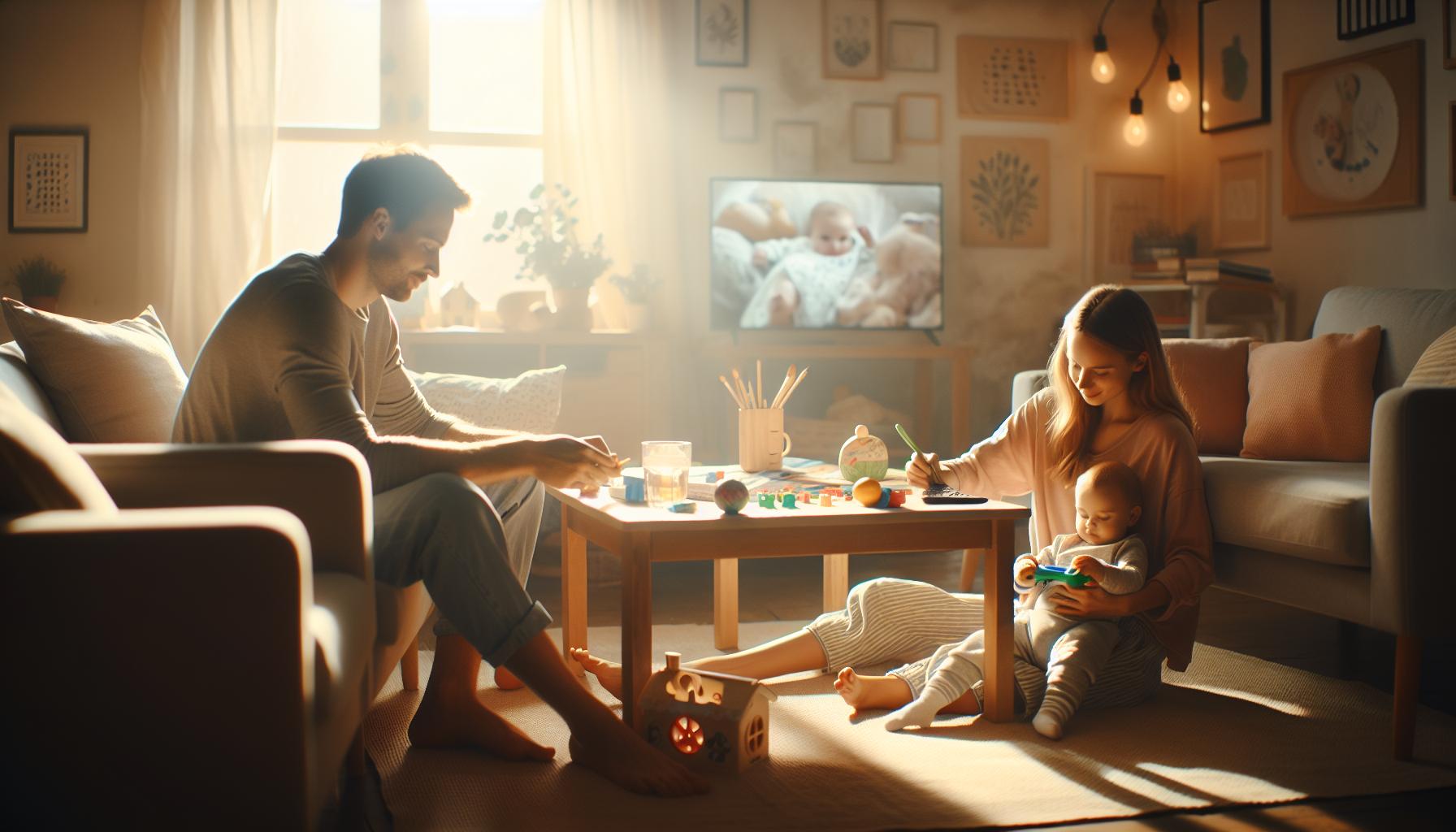
Did you know that engaging your baby in hands-on activities can boost brain development even more than watching educational videos? While the allure of TV can be tempting for busy parents, there are countless alternatives that provide invaluable sensory experiences and bonding opportunities with your little one.
Interactive Playtime
One of the best ways to foster your baby’s development is through interactive play. This doesn’t just meen traditional toys; it can be as simple as using household items to create stimulating experiences.
- Tummy Time Sensations: Lay your baby on their stomach and surround them with colorful soft toys or textured mats. This encourages motor skill development and visual tracking.
- Mirror Play: Babies are often fascinated by faces. Place a non-breakable mirror in front of your baby during tummy time. This encourages self-discovery and visual engagement.
- sound Exploration: Use everyday items like pots, pans, or shakers filled with rice or beans to introduce different sounds. This not only captivates attention but also sharpens auditory skills.
Story Time Adventures
Reading to your baby from a young age is linked to improved language skills and cognitive development. Choose vibrant board books or fabric books that can withstand a bit of handling.
- Rhythmic Stories: Opt for books with rhymes and rhythms. The musicality of the language will enchant your baby and foster an early love for reading.
- Interactive Reading: Use your finger to trace illustrations or lift flaps to reveal hidden surprises. This increases interactivity and keeps their attention.
Musical Moments
Music is not just for enjoyment; it plays a significant role in language acquisition and brain development. Engage in musical activities that are fun and educational.
- Sing-Alongs: sing traditional nursery rhymes and lullabies while gently swaying your baby. The rhythm and repetition help build language skills.
- Instrument Play: Simple instruments like maracas, xylophones, or even homemade shakers can be introduced for sensory exploration.Encourage your baby to shake, tap, and listen to the sounds they create.
Mini Nature Experiences
Expose your baby to the wonders of nature, as early experiences can stimulate curiosity and a sense of the world around them.
- Outdoor Discovery: Take short walks while placing your baby in a stroller or carrier. Talk about the colors, shapes, and sounds around you; this verbal interaction nurtures cognitive skills.
- Nature Touch: Bring safe and clean natural items (like leaves, flowers, or rocks) for your baby to explore with their hands. Discuss their textures and colors to enhance sensory learning.
| Activity | Benefits |
|---|---|
| Interactive playtime | Enhances motor skills and visual tracking. |
| Story Time Adventures | Boosts language skills and cognitive development. |
| Musical Moments | Improves auditory skills and language acquisition. |
| Mini Nature Experiences | Stimulates curiosity and sensory exploration. |
By incorporating these engaging activities into your daily routine, you can create enriching experiences that developmentally benefit your baby, effectively offering alternatives to passive screen time.Every moment spent interacting with your baby is a step toward encouraging their growth, so make the most of these precious times!
Navigating Screen Time: How to Make Informed Choices for Your Family

Understanding the Impact of Screen Time on Infants
With the rise of digital media, many parents find themselves grappling with a key question: what is the appropriate amount of screen time for their young children? Research indicates that infants, especially those as young as three months, are not developmentally ready to process images and sounds from screens in a way that is beneficial to their growth. Rather than providing stimulation, early exposure to television can lead to potential risks, including decreased attention spans, impaired language development, and disrupted sleep patterns. As caregivers, it’s crucial to be informed about these challenges and navigate screen time wisely.
Making Informed Choices
When it comes to screen time for babies, informed choices can set the foundation for healthy media habits as they grow. Here are some strategies to consider:
- Follow Age Guidelines: The American Academy of Pediatrics (AAP) recommends that children under 18 months avoid screen time, with the exception of video chatting.
- Engage Together: If you choose to introduce screens, make it a bonding activity. watch together and discuss what you’re seeing to enhance comprehension.
- Encourage Play Over Passive Viewing: Prioritize active playtime with toys, books, and physical activities rather than passive screen time. This can significantly aid cognitive development.
- Implement Tech-Free Zones: Designate certain areas of your home as tech-free, such as the dinner table or bedrooms, to promote family interaction.
- Explore Alternatives: Opt for interactive, age-appropriate content. Audiobooks or educational music can provide valuable stimuli without the risks associated with screen exposure.
Evaluating Screen Content
Not all screen content is created equal, and selecting suitable material is essential. When evaluating potential programming for your infant, consider using the following criteria:
| Criteria | What to Look for |
|---|---|
| educational Value | Programs designed to enhance language skills or social understanding. |
| Quality of Interaction | Content that encourages viewer participation,such as asking questions or responding to characters. |
| Duration | Short segments,optimal for maintaining infants’ soft attention spans. |
| Parental Guidance | Content that encourages parental involvement and shared viewing experiences. |
By staying informed and intentional about your family’s screen time habits, you can mitigate the risks associated with babies watching TV at 3 months. Focus on fostering an environment rich in interactive experiences that promote development and connection, laying a strong foundation for your child’s future relationship with technology.
Building Bonds: The Importance of Face-to-Face interaction Over Screens
The Power of Human Connection
In an era dominated by screens, the foundational importance of in-person interactions cannot be overstated, especially when it comes to young children. Research consistently shows that face-to-face interaction is crucial for healthy development. Babies who engage directly with caregivers through talking, cuddling, and playing not only build emotional bonds but also enhance their cognitive growth. Unlike passive activities like watching TV, which can be common among infants—even those as young as three months—interactive experiences develop vital social skills and emotional intelligence.
The Risks of Screen Time
When infants spend time watching screens rather than engaging with people, significant risks come into play. Some of these include:
- Delayed Development: Excessive screen time can hinder language acquisition and comprehension, as babies miss critical opportunities to learn through interaction.
- Social Skill deficits: Children may struggle with understanding emotions and social cues, as they receive less practice engaging with the world around them.
- Attachment Issues: The bonds formed through consistent, loving interaction are jeopardized when infants are isolated in front of a screen, possibly leading to anxiety and attachment disorders later in life.
It’s imperative that caregivers recognize these risks, especially considering findings related to infants watching TV at three months.Instead of opting for electronic devices as an easy diversion, caregivers can engage in charming alternatives that foster connection.
practical Alternatives to Screen time
Encouraging interaction doesn’t have to be a challenge—there are plenty of enriching activities to replace screen time.Here are a few:
| Activity | Description | Benefits |
|---|---|---|
| Reading Together | Choose vibrant board books and read aloud with enthusiasm. | Enhances language skills, encourages bonding. |
| Tummy Time | Engage your baby during tummy time with toys and gentle encouragement. | Strengthens muscles,promotes motor skills. |
| Responsive Play | Participate in interactive games like peek-a-boo or singing. | Builds social interactions, teaches cause and effect. |
By fostering these interactions, caregivers not only enhance the child’s developmental milestones but also lay the groundwork for lifelong healthy relationships. In a world saturated with digital distractions, prioritizing face-to-face time is a gift that reaps immeasurable rewards for both parents and their little ones.
Signs Your Baby Needs Less Screen Time: Recognizing the Red Flags
Recognizing when your baby might be spending too much time in front of screens is crucial for their development. While occasional exposure to screens can be harmless, certain signs can indicate that your little one is in need of less screen time. Understanding these warning signals can definitely help you create a healthier environment that promotes developmental milestones rather than hinders them.
Behavioral Changes
One of the first areas to monitor is your baby’s behavior. If you notice any of the following patterns, it might be time to reassess screen time:
- Irritability or Fussiness: Increased crankiness may signal that the screen time is overstimulating.
- Difficulty with Sleep: Struggles to fall asleep or longer nap durations can be attributed to screen exposure; aim for a calm environment for bedtime.
- Apathy Towards Other Activities: If your baby shows less interest in toys or interactive play, they may be overly reliant on screens.
Physical Symptoms
Pay attention to any physical ailments that could arise from excessive screen exposure. Common issues include:
- Eye Strain: Look for signs of fatigue in your baby’s eyes—frequent rubbing, squinting, or irritation may suggest it’s time for a break.
- Reduced Physical Activity: Noticing a decrease in tummy time or crawling attempts can indicate a preference for passive entertainment over active play.
Social Interaction Deficits
another red flag is when your baby seems less engaged during social interactions. Regular face-to-face contact is essential for emotional and social development. If your baby exhibits:
- Avoidance of Eye Contact: Less eye contact with caregivers can be a key sign that your baby might be overwhelmed.
- Limited Vocalizations: If sounds like cooing or gurgling are decreasing, it might be because they’re less stimulated by real-world interactions.
Actionable Steps
In light of these signs, consider implementing a few strategies to reduce screen time effectively:
| Strategy | Description |
|---|---|
| Establish Screen-Free Zones | Create areas in your home where screens are entirely absent, encouraging bonding and play instead. |
| Engage in Interactive Play | Focus on sensory toys or books that promote interaction to keep your baby’s attention away from screens. |
| Set a Routine | Incorporate scheduled screen time into the day to ensure it doesn’t dominate your baby’s routine. |
By being attentive to these signs, you can better support your baby’s growth and ensure they benefit from rich, engaging experiences that foster learning and development—not just passive screen time.
Creating a Stimulating Environment: Tips for Encouraging Healthy Development
Did you know that the first three years of a baby’s life are critical for brain development? During this formative period, providing a stimulating environment can significantly impact a child’s cognitive, social, and emotional growth. While the temptation to use screens, like televisions or tablets, may arise for entertainment, it’s essential to foster experiences that are enriching and interactive instead. Here are some tips to create an environment that supports healthy development without relying on passive activities like watching TV.
Engage Through Play
Play is a fundamental tool for learning in early childhood. Engaging your baby in different types of play not only entertains them but also enhances their development. Here are some ideas:
- Tummy Time: Encourage your baby to spend time on their tummy. This helps strengthen neck and shoulder muscles and promotes motor skills.
- Interactive Toys: Opt for toys that stimulate the senses, such as those with varying textures, sounds, and colors. Rattles, soft blocks, and textured balls can engage a baby’s curiosity.
- imitation Games: Babies learn a lot through imitation. Try simple mimicry games, like clapping hands or making funny faces to encourage communication and social interaction.
Create a Rich Sensory Experience
The sense of touch, sight, and sound plays a vital role in a baby’s development. Creating a sensory-rich environment can contribute to their overall learning experience. Here’s how:
- Varied Textures: Introduce different materials such as soft blankets, bumpy toys, or crinkly fabrics for babies to explore with their hands.
- Natural Sounds: Instead of TV noise, play soft music or nature sounds to soothe your baby and stimulate auditory development.
- Colors and Lights: decorate your baby’s space with colorful pictures or mobiles to stimulate visual perception.
Encouragement through Interaction
Social interaction is crucial for emotional development. Engaging with your baby through talking, reading, and singing can provide the connection they need. Here are some practical steps:
- Reading Together: Start a daily reading habit with colorful board books. This not only promotes language skills but also strengthens the bond between you and your baby.
- Singing and Rhymes: Use songs and nursery rhymes to make interaction fun. The rhythm and repetition help with language acquisition.
- Regular face-to-Face Interaction: Spend time making eye contact and encouraging your baby to respond with coos and smiles.This serves to strengthen emotional ties and boost social skills.
| Activity | Developmental Benefit |
|---|---|
| Tummy Time | Strengthens muscles, enhances coordination |
| Reading Aloud | Boosts language skills, fosters bonding |
| Interactive play with Toys | Enhances sensory experience, encourages exploration |
| Singing Songs | Improves auditory skills, encourages language patterns |
By focusing on these playful and interactive methods of engagement, caregivers can steer clear of relying on screens, such as babies watching TV at 3 months, and instead cultivate a vibrant environment that nurtures healthy development.
Future Outlook
As we wrap up our exploration of babies watching TV at three months, it’s crucial to remember that this early stage of development is all about engagement and connection. While screens may seem appealing, the potential risks associated with screen time at such a tender age remind us of the importance of interactive play and face-to-face interactions.
Encouraging activities like talking, reading, and exploring the world together can foster more meaningful development and stronger bonds. Remember, every parent’s journey is unique, and it’s okay to seek alternatives that resonate with your family values.
We invite you to dive deeper into this subject, as understanding your baby’s needs can open doors to enriching experiences. Keep exploring, keep engaging, and trust your instincts—you’re doing a fantastic job! Your support and commitment to nurturing your little one will pave the way for a radiant future.
Get our latest guides, news, and insights highlighted in your Google Search & AI Overviews.

