

Keeping baby bottles clean is essential for your little one’s health, but many parents wonder if using the dishwasher is safe. This article explores the ins and outs of washing baby bottles in the dishwasher, providing crucial safety tips to ensure proper hygiene without compromising your child’s well-being. Discover the best practices for busy parents!
Understanding the Benefits of Dishwashing Baby Bottles
Did you know that using a dishwasher to clean baby bottles can not only save you time but also enhance their safety? For busy parents, the question of whether to wash baby bottles in the dishwasher is not just about convenience; it’s also about ensuring the health and well-being of their little ones. When considering “Can You Wash Baby Bottles in the Dishwasher? Safety Tips for Parents,” understanding the myriad benefits of this method is essential to making an informed decision.
The Efficiency of Dishwashing
One of the most significant advantages of using a dishwasher for baby bottles is the efficiency and thoroughness of the cleaning process. Dishwashers utilize high temperatures and powerful jets of water to dislodge food particles and sterilize surfaces more effectively than hand washing.Here are some benefits to consider:
- Time-Saving: Automating the washing process allows parents to focus on other chores or spend time with their baby.
- Consistent Cleaning: Dishwashers maintain high temperatures throughout the wash cycle,killing harmful germs that may linger on bottle surfaces.
- reduced Physical Strain: Dishwashing reduces the need for scrubbing and soaking, which can be physically demanding, particularly for new parents adjusting to their roles.
Improved Health Standards
Hygiene is paramount when it comes to feeding your baby, and using a dishwasher can significantly improve the safety standards of your bottle cleaning routine. Here’s how:
- Sanitization: Many modern dishwashers offer a sanitizing cycle, which is especially beneficial for keeping baby bottles germ-free.
- Avoiding Contaminants: Hand washing may not always eliminate residues from soap or food, but dishwashers can rinse these away more effectively.
- Less Risk of Cross-Contamination: washing bottles separately in a dishwasher minimizes the risk of cross-contamination that can occur when washing with other dishware.
| Dishwasher Benefits | Hand Washing |
|---|---|
| High-temperature sterilization | Temperature may vary |
| Consistent cleaning process | Inconsistent results |
| Automated and efficient | Time-consuming and labor-intensive |
| Minimized risk of contaminants | Higher risk of residue left behind |
Incorporating dishwashing into your bottle cleaning routine can offer practical solutions to many of the challenges new parents face, providing an effective way to keep baby bottles clean and safe. As you weigh the options in “Can You Wash Baby Bottles in the Dishwasher? Safety Tips for Parents,” consider how these benefits may fit into your lifestyle.
Top Safety Guidelines You Should Follow
Ensuring the cleanliness and safety of your baby’s feeding equipment is of utmost importance for every parent. With the convenience of dishwashers, many wonder about the best practices for washing baby bottles. Here are essential safety guidelines to ensure your dishwasher routine keeps your baby bottles germ-free and safe for use.
understand Your Bottle Materials
Many baby bottles are made from various materials, including plastic, glass, and silicone.Each type has different dishwasher safety requirements:
- Plastic Bottles: Check for the “dishwasher safe” label to ensure they can withstand the heat.
- Glass Bottles: Generally safe in the dishwasher, but be cautious of potential breakage if they clash with other dishes.
- Silicone Accessories: Most can go in the dishwasher, but always verify with the manufacturer’s instructions to avoid warping.
Proper Placement in the Dishwasher
How you load the baby bottles can significantly impact their cleanliness and safety:
- Place bottles on the top rack to avoid high heat, which could warp plastic and affect deformations.
- Use a basket for small parts, like nipples and collars, to ensure they don’t fall to the bottom and get damaged.
- Face bottles downward to prevent water buildup inside, promoting thorough drying and cleanliness.
Choose the Right Wash Settings
Optimizing your dishwasher settings can enhance safety while ensuring that baby bottles are sanitized effectively:
- Select a sanitize cycle if available, as it heats water to kill germs without the need for separate sterilization.
- Opt for a gentle wash if you’re concerned about the integrity of sensitive materials.
Additional Tips for Safe Dishwashing
To maximize cleaning efficiency and safeguard your baby’s health, consider these extra precautions:
| Tip | Description |
|---|---|
| Pre-rinse Bottles | Rinse bottles and nipples before placing them in the dishwasher to prevent milk residue buildup. |
| Regularly Clean the Dishwasher | Run a cleaning cycle or wipe down interior surfaces to prevent bacteria accumulation. |
| Inspect After Washing | Check all components for wear and tear; replace any damaged items to maintain safety. |
By following these safety guidelines, you can feel confident that you’re effectively washing your baby’s bottles in the dishwasher while keeping their feeding environment clean and safe. Remember, a clean bottle is not just about convenience; it’s crucial for your baby’s health and well-being.
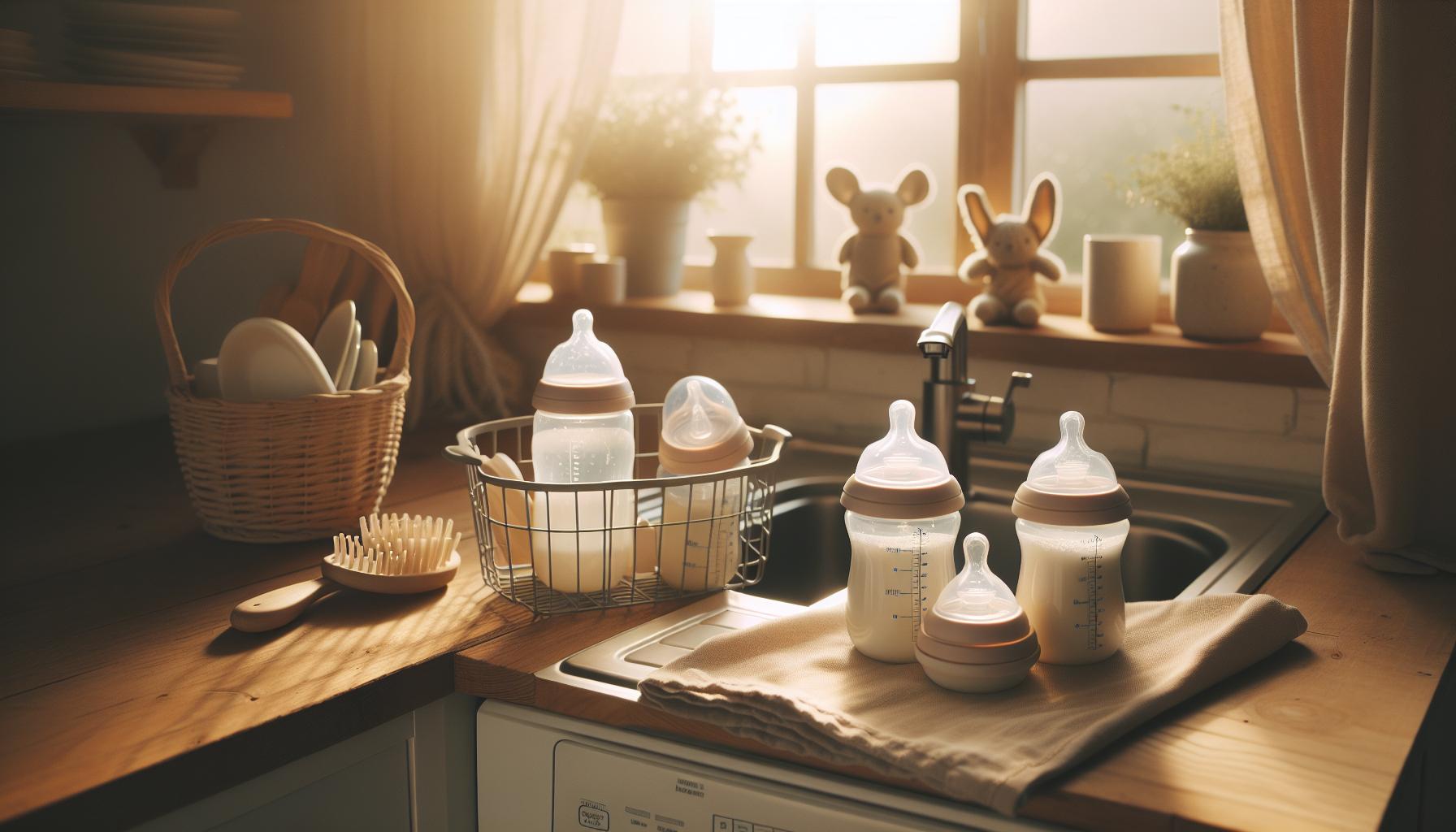
Choosing the Right Type of Baby Bottles for Your Dishwasher
Understanding Bottle Materials
When it comes to choosing baby bottles that can safely go in the dishwasher, the material is a crucial factor to consider. There are primarily three materials used for baby bottles: plastic, glass, and silicone.Each comes with its own set of pros and cons when washed in a dishwasher.
- Plastic: Generally lightweight and durable,plastic bottles are often labeled as dishwasher-safe. however, frequent exposure to high heat can cause them to warp or leach chemicals over time, so look for bottles that specifically mention being heat-resistant.
- Glass: Glass bottles are more resilient to high temperatures and can usually withstand dishwasher cycles without any damage. They are also less likely to retain odors or stains but can be heavier and more fragile.
- Silicone: Silicone bottles are flexible and lightweight, making them a great travel option. most silicone bottles are dishwasher-safe and can endure high heat without breaking down, but ensure to check manufacturer guidelines.
finding the Right Design
The design of the bottle can also impact its dishwasher compatibility. Opt for bottles that have fewer parts, as intricate designs may trap milk residue, making them harder to clean effectively in a dishwasher. Features to consider include:
- Wide neck: Bottles with a wide neck allow easier access for thorough cleaning and rinsing.
- Minimal parts: The fewer the components, the easier it is indeed to wash thoroughly and ensure no food particles are left behind. Look for options with built-in nipples that require fewer attachments.
Consulting Manufacturer Guidelines
Before placing your baby bottles in the dishwasher, it’s essential to check the manufacturer’s guidelines. Most brands provide specific instructions regarding dishwasher use, including temperature settings and the recommended rack placement. Always read the packaging or visit the manufacturer’s website for the most accurate information. Here’s a swift reference table summarizing common materials and their dishwasher compatibility:
| Material | Dishwasher Safe | Notes |
|---|---|---|
| Plastic | Usually | Check for heat resistance |
| Glass | Yes | Less prone to retaining odors |
| silicone | Yes | lightweight and flexible |
Selecting the right baby bottles not only enhances convenience during cleaning but also ensures you’re following vital safety protocols. Understanding how different materials and designs can affect your dishwashing routine is a crucial step in keeping your baby’s feeding equipment safe and hygienic.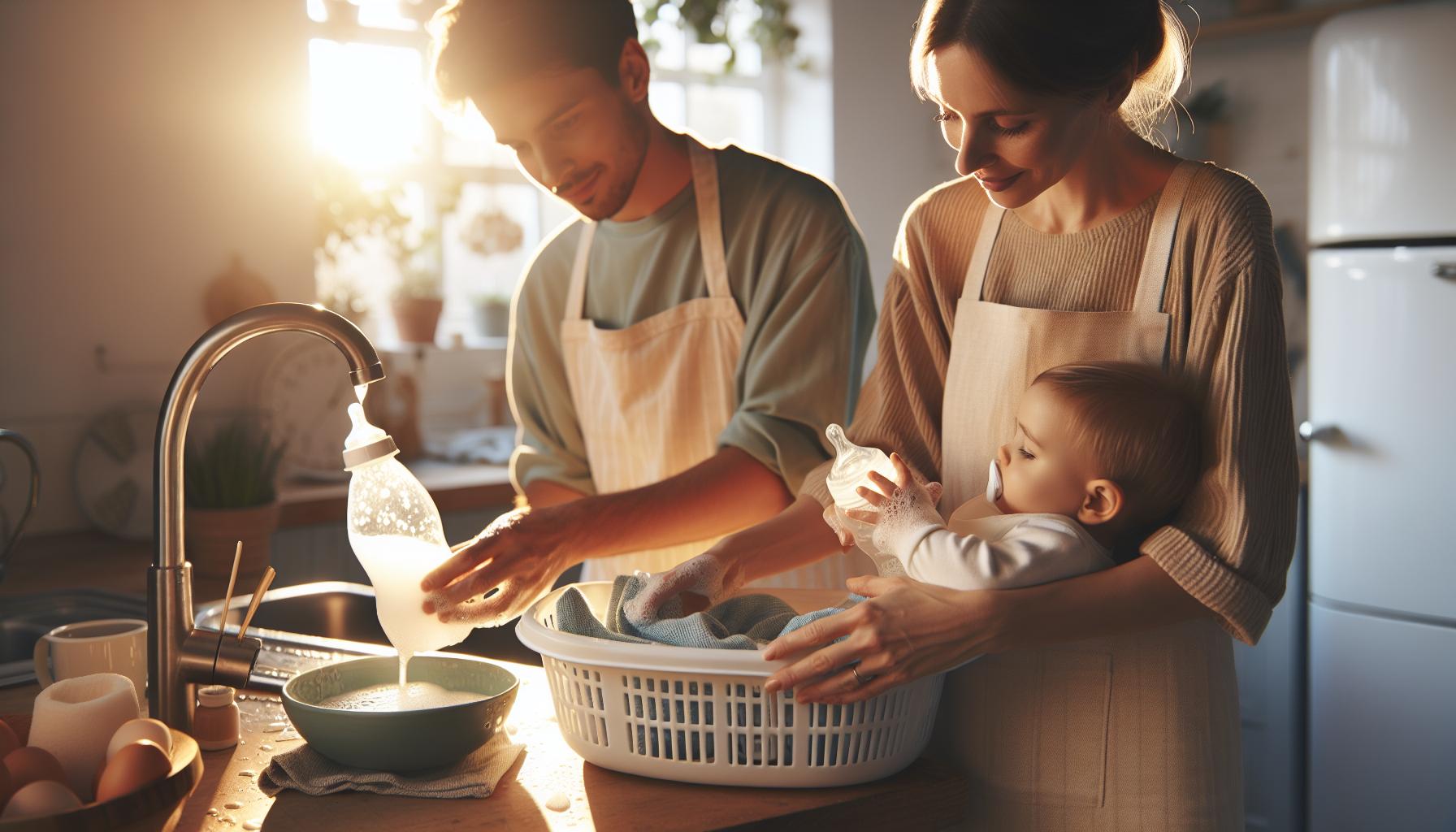
Common Mistakes Parents Make When Washing Baby Bottles
Did you know that improperly washing baby bottles can lead to harmful bacteria growth, perhaps risking your infant’s health? Many parents inadvertently fall into common pitfalls when it comes to cleaning these essential feeding tools, which can compromise their safety. Understanding the typical mistakes can help ensure that your baby bottles are hygienically clean and ready for use.
Overlooking the Importance of Thorough Cleaning
One pervasive mistake is not thoroughly washing bottles after each use. Some parents may rinse bottles quickly, assuming hot water will eliminate germs. Though, simply rinsing is insufficient. Instead, follow these steps for effective cleaning:
- Use warm, soapy water: Fill the bottle with a mix of warm water and baby-safe dish soap.
- Scrub with care: Use a bottle brush to scrub both the interior and exterior, including the nipple and cap.
- Rinse completely: Ensure all soap residue is washed away, as remaining soap can irritate your baby’s stomach.
Ignoring Specialized Cleaning Products
Many parents may overlook the benefits of using specialized baby bottle cleaning products. Regular dishwashing liquids may contain additives that aren’t ideal for infants. Opting for products specifically designed for baby items can lead to safer outcomes. Here’s a quick comparison of common cleaning products:
| Product type | Benefits | Considerations |
|---|---|---|
| Baby-Safe Dish Soap | Free from harmful chemicals; gentle on baby items. | may not cut through heavier grease effectively. |
| Homemade Cleaning Solutions | natural ingredients; customizable. | Requires careful handling to ensure safety. |
| Dishwasher-Friendly Options | Align with dishwasher use for ease of cleaning. | Check if they are compatible with high heat settings. |
Neglecting the Dishwasher’s Safety Features
When using a dishwasher, it’s crucial to recognize how it can be either a convenience or a source of hazards if not operated correctly. Parents often mistakenly place baby bottles on the bottom rack, where water can be too intense and lead to warping.Instead, always place them on the top rack to protect the materials and ensure they receive an adequate cleaning without damage. Also, utilize the dishwasher’s sanitizing setting when possible for an extra layer of peace of mind.
By addressing these common oversights, parents can ensure that their baby’s feeding accessories are clean and safe, mitigating risks and promoting healthy habits. Stay informed and vigilant to provide the best for your child, as their health and safety always come first.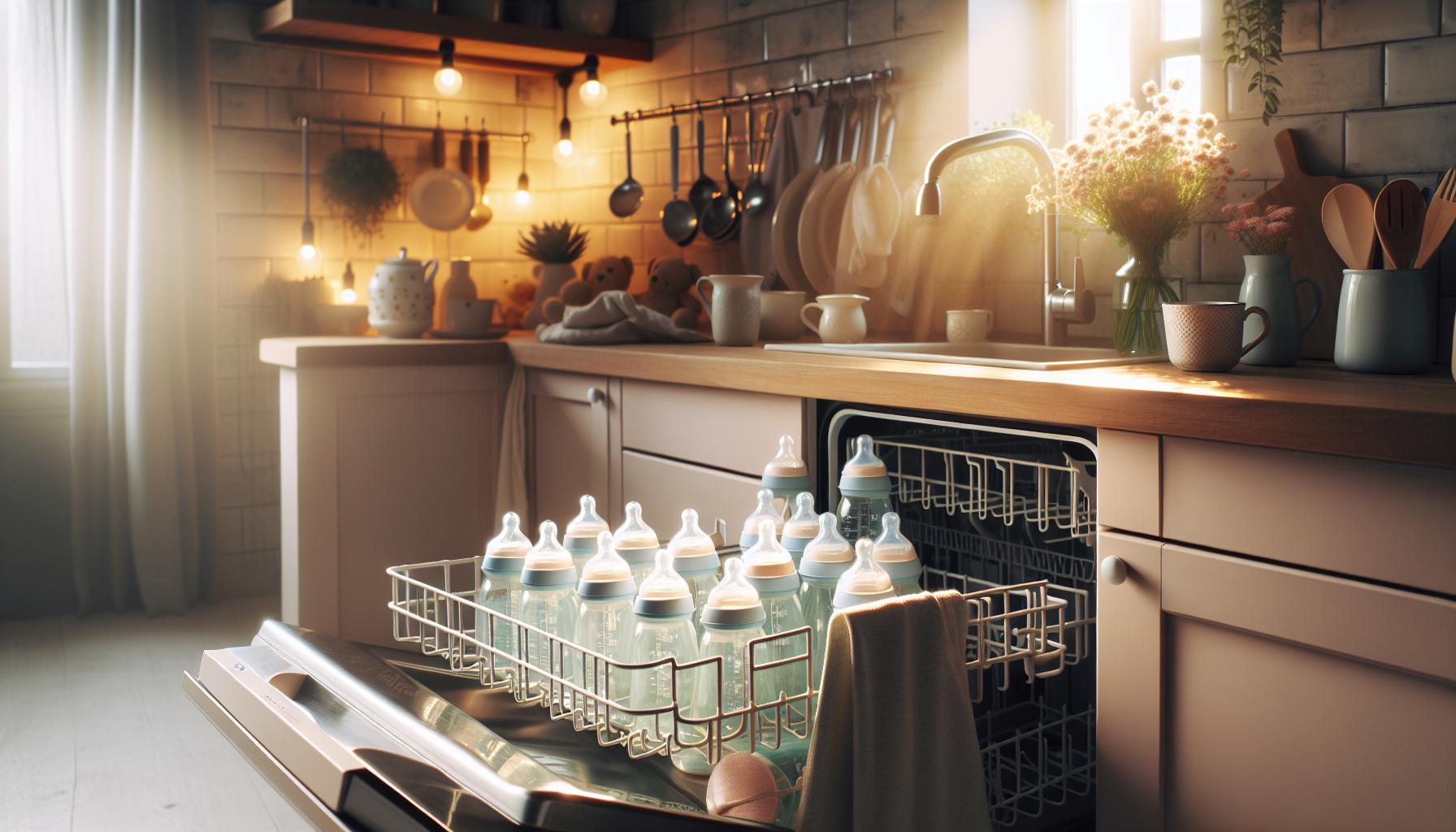
How to Properly Arrange Baby Bottles in the Dishwasher
Mastering Your Dishwasher for Baby Bottles
Washing baby bottles in the dishwasher can save parents precious time while ensuring proper hygiene, but how you load these items is crucial for both safety and cleanliness. Proper arrangement can prevent damage to the bottles and ensure they are thoroughly sanitized. Here’s how to effectively set them up for a fail-proof clean.
- positioning Bottles: Place bottles upright on the top rack of your dishwasher.The top rack is designed for smaller, light-weight items and is less likely to warp or get damaged due to intense heat from the bottom rack.Ensure that the bottles are stable and won’t tip over during the wash cycle.
- separate Components: Detach all pieces including nipples, rings, and valves. These small parts can easily get lost or obstruct water flow if left attached. Use a flatter utensil basket to keep them organized and avoid a wild spin in the wash.
- Choose the Right Cycle: Opt for a gentle cycle, ideally one that provides a heated dry option. This is crucial as high temperatures are necessary for sanitization, while gentle settings minimize the risk of warping or other damage to the bottles and parts.
Tips for Optimizing Cleaning Efficiency
To give parents a clear understanding of how to ensure optimal cleanliness while maintaining the structural integrity of baby bottles, here’s a concise overview of best practices:
| tip | Description |
|---|---|
| Check Labels | Always verify if your baby bottles are dishwasher safe by checking the packaging or product label. Some brands may have restrictions. |
| use a Gentle Detergent | Opt for mild, baby-safe detergents that are free from harsh chemicals and fragrances to protect both the bottles and your baby’s health. |
| Drying Considerations | Consider air-drying bottles if you’re concerned about chemical residue from the dishwasher. This ensures they are free from any harsh detergent remnants. |
Using the right loading methods and adhering to best practices can streamline your dishwashing routine while ensuring that your bottles are clean, safe, and ready for your little one. By implementing these organizational strategies when washing baby bottles in the dishwasher, parents can have peace of mind knowing that they are prioritizing safety and hygiene.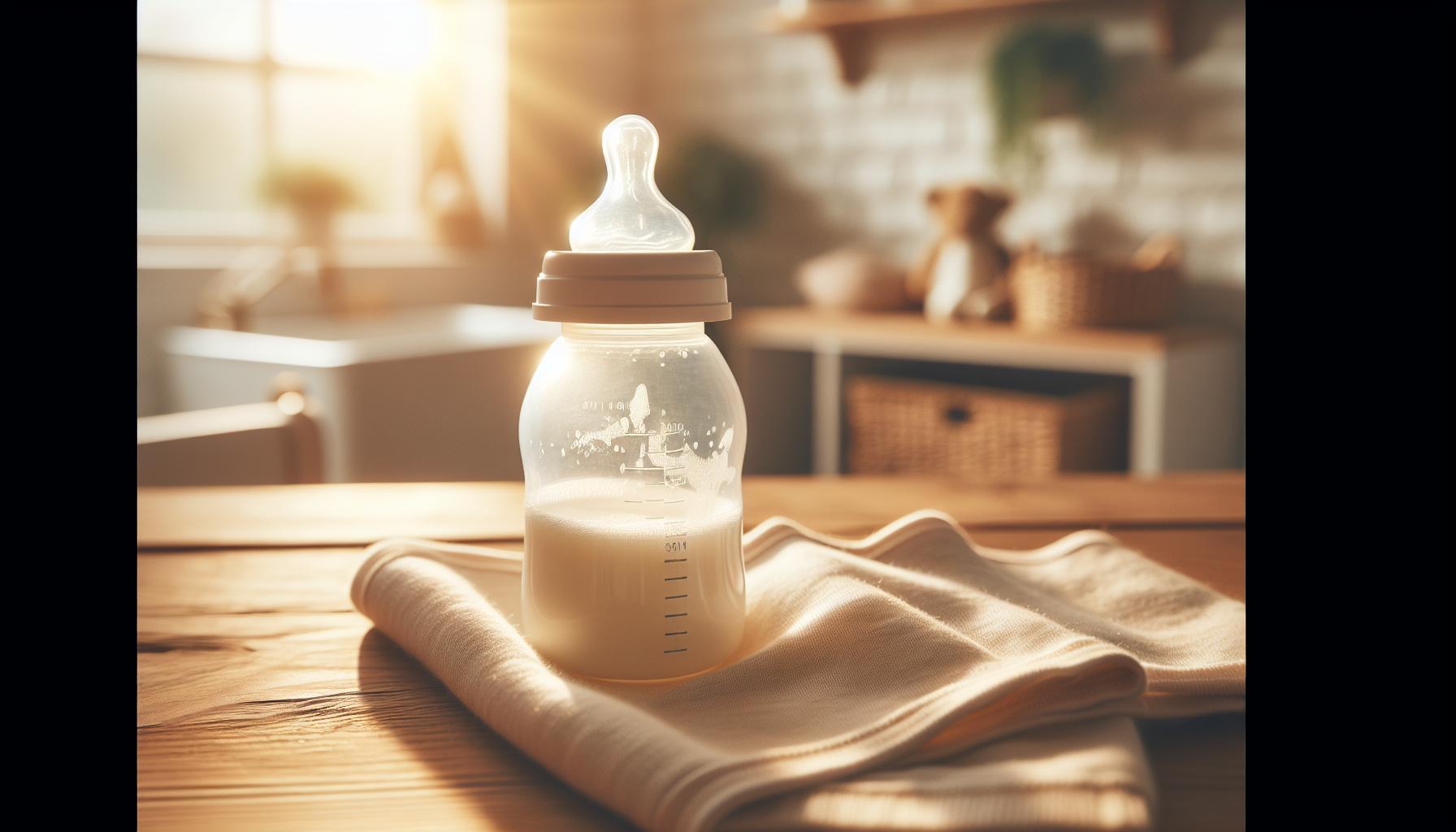
Signs It’s Time to Replace Your Baby Bottles
Recognizing the Signs of Worn-Out Baby Bottles
As a parent, ensuring the health and safety of your child is paramount, and that includes maintaining their feeding equipment. Regularly evaluating the condition of your baby bottles is essential, as deterioration can lead to potential health risks. Understanding when it’s time to retire those beloved feeding containers can make a world of difference in your baby’s safety and feeding experience.
Common Indicators for Replacement:
Many parents may wonder, ”Can you wash baby bottles in the dishwasher?” While proper cleaning is crucial, it’s equally critically important to be aware of the physical state of your bottles. Here are some signs to watch for:
- Visible Cracks and Scratches: If your baby bottles show signs of wear such as scratches or cracks, they can harbor bacteria and compromise the integrity of the bottle.
- Discoloration: A bottle that has taken on a yellowish hue or has stains that won’t wash away likely isn’t safe to continue using.
- Persistent Odors: If you notice lingering smells even after thorough cleaning, it could indicate that the material is degrading.
- Leaking: Any bottle that has started to leak during use should be replaced instantly, as it could create a mess and frustration during feeding times.
material and Longevity Considerations
Knowing when to replace your baby bottles also stems from the materials they are made of. As an example,plastic bottles should typically be replaced every 6 months to a year,while glass bottles may last longer if cared for properly. However, even glass can chip or crack, which means regular inspections are key.
| Material | Lifespan | Replacement Signs |
|---|---|---|
| Plastic | 6 months – 1 year | Cracks, discoloration, leaks |
| Glass | 1-3 years | Chips, cracks, persistent odors |
| Silicone | 1 year | Tearing, fading, residue buildup |
Being proactive about replacing your baby bottles not only contributes to your child’s health but also enhances the soothing experience of feeding. Always keep an eye out for the telltale signs of wear and tear, and don’t hesitate to make the switch for safety and peace of mind.
Expert Recommendations for Maintaining Bottle Hygiene
Keeping Baby Bottles Sparkling Clean
Ensuring that baby bottles are thoroughly sanitized is crucial for your child’s health. Harmful bacteria can thrive in the nooks and crannies of bottles, making proper hygiene a top priority for all parents. While many parents wonder, “Can you wash baby bottles in the dishwasher?” the answer is often yes, but with specific precautions. Here are some expert recommendations to maintain bottle hygiene effectively.
- Choose the Right Cleaning Tools: Invest in a good bottle brush and a drying rack designed specifically for baby bottles. These tools make it significantly easier to clean those hard-to-reach areas and ensure thorough drying.
- Regular Inspection: Routinely check for any signs of wear and tear, such as cracks or scratches in the bottle. These imperfections can harbor bacteria, so it’s best to replace them when necessary.
- Rinse Immediately: After feeding, rinse the bottle with warm water to remove milk residue. This simple step helps to prevent them from becoming sticky and reduces the amount of scrubbing needed later.
- Follow Manufacturer’s Instructions: Pay attention to the labeling on your baby bottles. Some materials may not be dishwasher safe, and cleaning them improperly could lead to damage.
Dishwasher and Hand-Washing Techniques
When considering dishwasher use, it’s essential to understand how to maximize its effectiveness while ensuring safety. If you opt to wash your baby bottles in the dishwasher, place them on the top rack for the best results, as this area typically uses less intense heat. avoid washing them alongside non-baby items to prevent cross-contamination. Here’s a simple table to summarize wash preferences:
| Washing Method | Pros | cons |
|---|---|---|
| Dishwasher | Convenient, thorough sanitization | May not reach every nook, some bottles not dishwasher safe |
| Hand-Washing | More control, effective for all types | time-consuming, requires diligence |
In addition, consider using a sterilizer if your baby is under six months old, as younger infants are more susceptible to infections. Regularly sterilizing their bottles is a practical step in your hygiene routine, especially if you’re uncertain about your washing techniques. Moreover, always let your baby bottles air dry completely before storing them to prevent bacteria build-up. Following these expert recommendations will not only answer the question of “Can you wash baby bottles in the dishwasher?” but significantly enhance your child’s safety and health, giving you peace of mind as a concerned parent.
Faq
Can You Wash Baby Bottles in the Dishwasher? Safety Tips for parents?
Yes, you can wash baby bottles in the dishwasher, but safety tips are essential. ensure that the bottles are labeled as dishwasher safe and placed on the top rack to prevent damage.
Using the dishwasher makes cleaning baby bottles more convenient. Though, always check the manufacturer’s instructions to confirm that your specific bottles are dishwasher safe. Moreover, placing them on the top rack minimizes their exposure to high heat, protecting sensitive materials. For more cleaning resources, visit our cleaning tips page.
What is the best way to clean baby bottles in the dishwasher?
The best way to clean baby bottles in the dishwasher is to separate the parts and use a gentle cycle. This prevents buildup and ensures thorough cleaning.
When using a dishwasher, disassemble each bottle, including the nipple and collar. Use a gentle detergent free from harsh chemicals, as baby items should be handled with care. This method is effective in sanitizing your bottles and is often recommended by pediatricians.
Why does proper washing of baby bottles matter?
Proper washing of baby bottles is crucial to prevent harmful bacteria from developing that could impact your baby’s health.
Bacteria thrive in milk residues, which can lead to infections and gastrointestinal issues in babies. Ensuring the bottles are washed thoroughly, either by hand or in the dishwasher, helps maintain a safe feeding environment. Regular cleaning routines promote good hygiene right from the start.
Can I use any detergent to wash baby bottles in the dishwasher?
no, not all detergents are safe to use for washing baby bottles. Opt for a detergent specifically labeled as safe for baby items.
Using regular dishwashing detergents may lead to residue that could harm your baby. Look for fragrance-free and hypoallergenic options formulated especially for baby products to ensure that harmful chemicals do not linger on the bottles.
Should I sterilize baby bottles before putting them in the dishwasher?
it’s recommended to sterilize baby bottles occasionally, even if you are washing them in the dishwasher.Sterilization ensures complete elimination of any lingering bacteria.
While the dishwasher can sanitize at high temperatures, sterilizing using methods like boiling or steam cleaning are great practices for the first few months when a baby’s immune system is still developing. A combination of washing and periodic sterilizing offers the best protection.
Are there alternatives to washing baby bottles in the dishwasher?
Yes, there are several alternatives to using the dishwasher, such as hand washing with warm soapy water or using a baby bottle sterilizer.
Hand washing allows for a thorough clean of each component and is beneficial for parents who prefer a more hands-on approach. On the other hand, baby bottle sterilizers offer an automatic solution that can efficiently eliminate bacteria without the need for a dishwasher.
What are the signs that a baby bottle might be damaged after washing?
Signs that a baby bottle may be damaged include visible warping, discoloration, or cracks, which could compromise its safety.
Always inspect your bottles after washing. If the plastic feels weak or you notice any changes in texture or appearance, it’s best to replace them. Safety is a priority, and using damaged bottles could pose risks to your baby’s health.
Wrapping Up
As we wrap up our exploration of washing baby bottles in the dishwasher,we hope you feel more informed and confident in your choices.Keeping your little one’s feeding essentials clean and safe is of the utmost importance, and understanding the dos and don’ts of dishwashing can definitely help ease some of the stress that comes with parenting.Remember to always check for dishwasher safety labels and to consider materials that maintain their integrity through the washing cycle. As you continue on this parenting journey, don’t hesitate to reach out for more tips and support. Every decision you make plays a part in your child’s wellbeing, so keep exploring and learning—after all, you’re doing an amazing job!
Get our latest guides, news, and insights highlighted in your Google Search & AI Overviews.

