

Can our beloved felines experience emotional struggles after giving birth? Just like humans, cats can suffer from postpartum depression, which may effect their well-being and the care of their kittens. Identifying the signs and finding effective solutions is crucial for ensuring a healthy, happy habitat for both mother and her offspring.
Understanding Postpartum Depression in Cats: An Overview
Did you know that just like humans,cats can experience emotional challenges after giving birth? Postpartum depression is not exclusive to people; it can also affect feline mothers. Understanding this condition is crucial for pet owners, as it can significantly influence a cat’s behavior, health, and well-being.
What is Postpartum Depression in Cats?
Postpartum depression (PPD) in cats refers to a range of behavioral and emotional changes that can occur after giving birth. While the phenomenon is frequently enough less recognized in animals, it can manifest in several ways. Affected mother cats may display signs of distress,lethargy,or even aggression towards their kittens.The condition can stem from hormonal shifts, stress factors in the environment, or a sense of isolation experienced by the new mother.
Common indicators of this condition include:
- Lack of interest in kittens: A mother cat may neglect her litter, refusing to nurse or care for them adequately.
- Changes in appetite: Some cats may eat significantly less or refuse to eat altogether.
- Increased aggression or withdrawal: Affected cats may become irritable or noticeably less social, seeking solitude rather than engaging with their surroundings.
Recognizing the Signs
Recognizing the signs of postpartum depression in cats is the first step toward providing adequate care and support. Look for behavioral shifts or physical symptoms that may signify the onset of PPD. if thes symptoms persist beyond a few days after delivery,it’s essential to take action.
To help you identify potential signs of PPD in your cat, refer to the following table:
| sign | Description |
|---|---|
| Lethargy | Reduced activity levels, sleeping more than usual. |
| Neglecting grooming | Less attention to personal hygiene, leading to a scruffy appearance. |
| Seeking isolation | Avoiding interaction with humans or othre pets, preferring to hide. |
| Vocal changes | Increased vocalization, which may indicate stress or discomfort. |
Understanding postpartum depression in cats is not only about identifying the signs but also about recognizing the need for a supportive environment during this vulnerable time. By being aware of potential changes and taking proactive measures, cat owners can definitely help their furry friends navigate the challenges that follow childbirth, paving the way for healthier interactions and bonding with their kittens.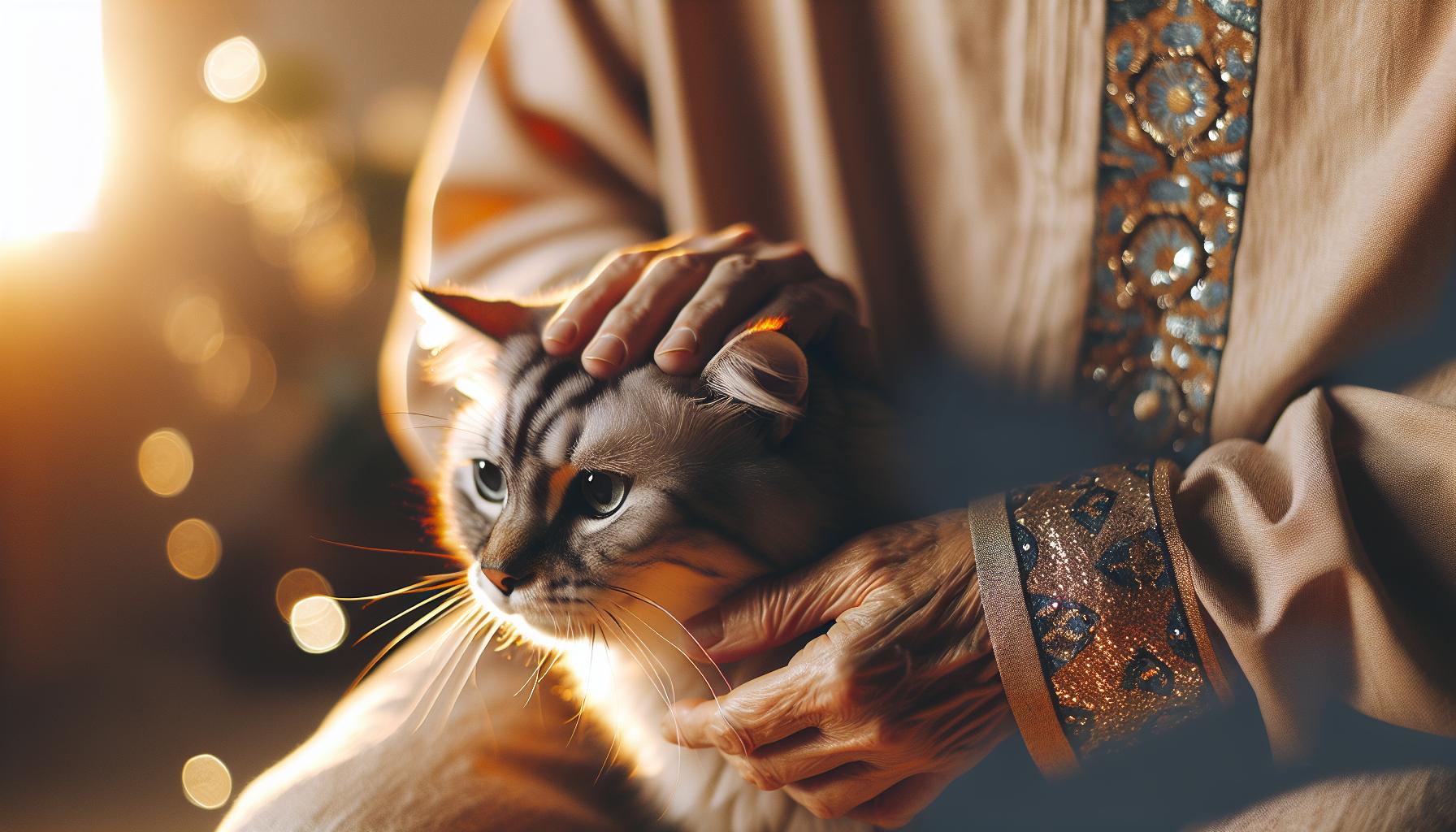
Recognizing the Signs: How to Identify If Your Cat Is Struggling
Did you know that just like humans, cats can experience emotional challenges? After giving birth, a mother cat may face various stressors that can lead to noticeable changes in her behavior. Recognizing the signs of distress is crucial to ensuring her well-being.
Behavioral Changes
One of the first indicators of emotional turmoil in cats is a shift in their behavior. Keep a close eye out for the following signs:
- Withdrawal: A typically social cat may start to isolate herself from her kittens and human companions.
- Over-Grooming: Excessive grooming can indicate anxiety, leading to skin issues and hair loss.
- Changes in Appetite: A decrease or increase in food intake can signal emotional distress.
- Vocalization: Increased meowing or unusual sounds may indicate that the cat is feeling unsettled or anxious.
Physical Signs
Physical symptoms often accompany behavioral changes. monitoring your cat’s overall health during postpartum recovery is vital. Look for:
- Weight Loss or Gain: Sudden fluctuations can be a red flag,indicating stress or neglect of self-care.
- Changes in Litter Box Habits: Altered urination or defecation patterns can signal distress.
- Restlessness: An inability to settle down or a constant pacing can suggest emotional discomfort.
| Sign | Possible Interpretation |
|---|---|
| Withdrawal | Feeling overwhelmed and needing space. |
| Over-Grooming | Using grooming as a coping mechanism for anxiety. |
| Changes in Appetite | Possible stress or depression affecting eating habits. |
Understanding and Responding
If you suspect your cat is experiencing emotional distress akin to postpartum depression, it’s essential to respond appropriately. Integrate calming elements into her environment, such as quiet spaces and soothing music. Gradually reintroduce interaction and play, allowing her to engage on her terms. Always consult with a veterinarian for tailored advice and to rule out any underlying medical issues. By identifying and addressing these signs early, you can support your furry friend’s emotional recovery and ensure she thrives during this critical period.
the Impact of Motherhood: Hormonal Changes in Feline Moms
Did you know that just like humans, feline mothers undergo significant hormonal changes during and after pregnancy? These fluctuations can have profound effects not only on their physical health but also on their emotional well-being. Exploring the impact of motherhood on hormone levels can reveal why some cats might display signs of postpartum depression, leading to questions such as, “Can cats get postpartum depression? Signs and solutions.”
Understanding Hormonal Shifts
During pregnancy, a cat’s body produces an array of hormones, including estrogen, progesterone, and prolactin, to support the development of her kittens. After giving birth, these levels dramatically shift; for example, prolactin decreases while oxytocin, the bonding hormone, increases. Although this surge in oxytocin is crucial for milk production and nurturing behavior, the abrupt hormonal transition can leave some cats feeling overwhelmed, anxious, or depressed.
- Prolactin: Increases during pregnancy to promote lactation
- Oxytocin: Helps with bonding and maternal instincts
- Estrogen: Falls sharply postpartum
Signs of Postpartum Hormonal Imbalance
The signs that a feline mother might be experiencing a hormonal imbalance can vary widely and often overlap with symptoms of postpartum depression. These may include:
| Symptom | Description |
|---|---|
| Lethargy | Less interest in activities or her kittens |
| Changes in Appetite | Reduced or increased desire to eat |
| Hiding or Withdrawal | Avoiding interaction with humans or other pets |
| Excessive Grooming | Focusing only on her own care, neglecting kittens |
| Restlessness | A noticeable increase in pacing or anxiety behaviors |
Being aware of these symptoms is essential for cat owners. Recognizing that your cat may need extra care and monitoring can make a significant difference in her recovery and overall well-being. It’s pivotal to provide a calm environment and consider consultation with a veterinarian to discuss potential interventions or supportive care.
In addressing the question, “Can cats get postpartum depression? Signs and solutions,” understanding the underlying hormonal changes is the first step. With proper attention and resources, feline mothers can navigate and overcome these challenging periods, ensuring a healthier transition into motherhood.
Creating a Supportive Environment for your new Cat Family
Did you know that the arrival of a new cat into your home can be as overwhelming for your current feline family members as it is indeed for you? Just like humans, cats can experience a range of emotions, including anxiety and stress, particularly during transitions such as the introduction of a new pet. Creating a nurturing atmosphere is essential to help your cats adjust and thrive, reducing any chance of misbehavior or even signs of postpartum depression.
Understanding cat Behavior
Cats are creatures of habit; they thrive on routine and familiarity. When a new cat joins the household, the existing dynamic is altered, which can lead to confusion or distress among your pets. To effectively support your cat family, consider implementing the following strategies:
- Safe Spaces: Designate areas in your home where each cat can retreat to when they feel overwhelmed. These areas should be free from the chaos of daily life and equipped with their favorite bedding, toys, or even a litter box.
- Gradual Introductions: Introduce the new cat slowly. Allow your existing cats to sniff items belonging to the newcomer or explore parts of the house that the new cat occupies before face-to-face meetings.
- Shared Time: Engage all cats in enjoyable activities to foster a sense of togetherness. Use interactive toys like feather wands or laser pointers, making it a fun group experience rather than a source of competition.
Monitoring Health and Behavior
Keep a close eye on your cats’ behavior during this transitional period.If you notice signs of stress—such as hiding, excessive grooming, or changes in eating habits—these may indicate that your feline family needs additional support.
| Behavior | Potential Issue | Action |
|---|---|---|
| Hiding frequently | Stress or anxiety | Provide more safe spaces and allow for solo exploration time |
| Over-grooming | sign of distress | Consult a vet for choice anxiety management techniques |
| Change in appetite | Adjustment difficulties | Maintain a regular feeding schedule and consult a vet if it persists |
By ensuring that your household remains a calm and welcoming place, you can help mitigate behaviors that lead to emotional distress in your cats. Remember that patience is key. With gradual adjustments and a keen eye for their needs, your new and existing feline family members can coexist peacefully, minimizing any potential signs of postpartum depression related to the introduction of a new pet.
Actionable Solutions: How to Help Your Cat Heal and thrive
Recognizing the Signs
Understanding that your feline friend might be experiencing a phase similar to postpartum depression is crucial for providing the care they need. Cats can exhibit various signs of discomfort or sadness after giving birth, including:
- Irritability or withdrawal from interaction with other cats and humans.
- Changes in appetite, either eating significantly less or becoming overly greedy.
- Excessive grooming, which might lead to bald patches or skin irritation.
- Vocalization changes, such as increased meowing or yowling.
- Neglect of kittens or other responsibilities like cleaning themselves.
Recognizing these symptoms early on can make a significant difference in addressing your cat’s emotional well-being.
Creating a Healing Environment
A nurturing atmosphere can definitely help your cat recover and thrive post-birth. Here are practical steps to consider:
- Safe Space: Provide a quiet, pleasant place for your cat and her kittens to relax.A secluded den-like area can serve as their sanctuary.
- Consistent Routine: Maintain a regular schedule for feeding, playing, and grooming to enhance her sense of security.
- Gentle Interaction: Let her come to you rather than forcing interactions. Offer soft pets and soothing words when she approaches.
- Encourage Play: Once she shows signs of enhancement,engage her with interactive toys to stimulate her mentally and physically.
These strategies not only foster recovery but strengthen the bond between you and your cat.
Nutrition and Health Essentials
Just as emotional health is vital, so is your cat’s physical well-being. A nutritious diet can play a key role in her recovery. Consider the following dietary tips:
| Food Type | Benefits |
|---|---|
| High-Quality Protein (e.g., chicken, fish) | Supports muscle recovery and energy levels. |
| Omega Fatty Acids (e.g., salmon oil) | Promotes a healthy coat and skin while boosting mood. |
| Probiotics | Aids in digestion and immune system support. |
| hydration | Encourages overall health and can improve mood. |
In addition to nutrition,consider scheduling a vet visit to rule out any health issues that might mimic the signs of emotional distress.
Support from the Community
Another effective method in promoting your cat’s well-being is seeking support from both experts and fellow pet parents. Join forums or local groups focused on feline care and postpartum issues. This community can provide valuable advice and reassurance. Additionally, consult with veterinarians or feline behavioral specialists to create an individualized plan that addresses your cat’s specific needs.
By implementing these actionable solutions derived from the understanding of postpartum depression in cats, you can ensure that your furry friend not only heals but also thrives.
When to Seek Professional Help: Consulting Your Veterinarian
When your feline friend welcomes new kittens into the world, it’s an exciting time, but it can also be a period of emotional turmoil for the mother cat. Just like humans, cats can experience significant shifts in their mental health following childbirth, leading to conditions that resemble postpartum depression. Understanding when to seek the guidance of a veterinarian is crucial in ensuring the well-being of both the mother and her kittens.
Recognizing the Signs
Before you decide to book an appointment with your vet, familiarize yourself with the signs of potential postpartum depression in your cat. These include:
- Withdrawal from Kittens: If the mother cat seems disinterested in her litter, it may indicate her emotional distress.
- Change in Appetite: Significant weight loss or a noticeable increase in eating habits might suggest she’s struggling.
- Altered Behavior: Increased aggression, anxiety, or excessive grooming can be red flags.
- Lethargy: A marked decrease in energy or motivation to engage in play can reflect her mood.
If you observe these behaviors persisting for more than a few days, it’s vital to consult with a veterinarian.
When Is It Time to Consult Your Vet?
While some emotional fluctuations are normal in mother cats, there are certain situations where professional intervention is vital. If you notice any of the following, it’s time to seek help:
- Prolonged Symptoms: If the signs of depression last for more than a week, your cat may require evaluation.
- kittens’ Health Concerns: If the mother’s lack of interest is affecting the kittens’ feeding or development, immediate action is necessary.
- Behavioral Outbursts: If you find her exhibiting aggression that could pose a risk to herself or her kittens.
Your vet can assess her mental and physical health,and may recommend behavioral therapy,medication,or changes to her environment to help her acclimate to her new role the best way possible.
importance of Early Intervention
Prompt intervention is key to a prosperous recovery. Addressing emotional issues early on can prevent more serious health complications in both the mother and her kittens.
| Sign | Recommended Action |
|---|---|
| Withdrawal from Kittens | Schedule a vet appointment to discuss mother’s emotional health. |
| Change in Appetite | Monitor eating habits; provide dietary supplements if recommended. |
| Lethargy | Consult your vet to rule out physical health issues. |
Taking these steps not only supports the mother cat in overcoming her emotional struggles but also ensures that her kittens receive the care and attention they need during this crucial developmental stage. Your veterinarian is an invaluable resource in addressing postpartum problems, ensuring every member of your feline family is healthy and happy.
The Role of Bonding: Strengthening Your Connection with Your Cat
Understanding the Importance of Bonding
Did you know that a strong bond between you and your cat can significantly influence their emotional well-being? Just as humans need support during challenging times, cats, especially new mothers, can also experience emotional fluctuations. Understanding how to strengthen your connection with your feline friend not only improves their quality of life but also enhances your experience as a pet owner.
Bonding is vital, particularly if you’re concerned about your cat’s mental health. Signs of postpartum depression in cats can manifest as withdrawal, decreased grooming, or changes in appetite. By nurturing your bond,you can create a safe and loving environment that fosters recovery and stability.
Ways to Strengthen Your Connection
Here are some effective strategies to deepen your relationship with your cat, especially if you suspect she’s feeling down after giving birth:
- Quality Time: Spend time each day engaging with your cat through gentle play or simply sitting with her. This assures her of your presence and love.
- Safe Spaces: Provide cozy spots where she can retreat if she needs some quiet time or feels overwhelmed. This helps her feel secure and valued.
- Routine and Stability: Cats thrive on routine. Maintain a consistent feeding schedule and daily activities to reduce anxiety and create a sense of normalcy.
- Respect Her Space: If your cat is hesitant to engage, respect her needs. Allow her to come to you when she’s ready, which reinforces trust.
Recognizing What Your Cat Needs
Understanding how to read your cat’s body language is crucial for establishing a connection. Below are signs that may indicate your cat is in need of more affection or attention:
| Behavior | Possible Emotion |
|---|---|
| Seeking closeness | Wanting reassurance |
| Excessive grooming | Stress or anxiety |
| Vocalization | Seeking attention |
| Avoidance of social interaction | Feeling overwhelmed |
By tuning into your cat’s needs and emotions, you become a more attuned caregiver. This connection is not only essential for her recovery from postpartum changes but also for ensuring a joyful coexistence. Remember, a meaningful bond can be one of the most effective solutions for addressing your cat’s emotional health and can even mitigate signs of postpartum depression.
Nurturing Your cat’s well-Being: Tips for Ongoing Care and Support
Understanding your cat’s emotional and mental health is crucial for their overall well-being. just like humans, felines can experience a range of emotional challenges, particularly after significant life events like giving birth. If you’re concerned about your cat’s emotional state following pregnancy, it’s essential to provide ongoing care that nurtures their mental health.
creating a Supportive Environment
A nurturing home environment plays a vital role in your cat’s emotional recovery and overall happiness.Here are a few key strategies to foster a sense of security and comfort:
- Safe Spaces: Ensure that your cat has quiet, secluded areas where she can retreat when feeling overwhelmed.This could be a cozy bed in a low-traffic area of your home.
- Routine and Consistency: Cats thrive on routine.Try to maintain a consistent feeding, play, and grooming schedule, which can provide your cat with a sense of stability.
- Gentle Interactions: Spend time with your cat in a calm manner. Gentle petting and soothing voices can help reassure her that she is safe and loved.
Engaging Your Cat’s Mind
Mental stimulation is crucial in preventing emotional distress and enhancing your cat’s mental health. Consider incorporating activities that engage her instincts:
- Interactive Toys: Provide toys that encourage hunting behaviors, such as feather wands or laser pointers, to keep her engaged.
- Puzzle Feeders: These can turn mealtime into a fun challenge and help your cat stay mentally active.
- Training Sessions: Spend time teaching your cat tricks using positive reinforcement. This builds her confidence and strengthens your bond.
Recognizing Signs of Distress
Understanding the signs that may indicate your cat is struggling emotionally is vital. Pay attention to:
| Common Signs | Description |
|---|---|
| Withdrawal | A decrease in social interactions or hiding frequently enough can indicate distress. |
| Changes in Appetite | Eating less or more than usual may suggest emotional issues. |
| Excessive Grooming | Over-grooming can be a self-soothing behavior in response to anxiety. |
| Aggression | Uncharacteristic aggression towards people or other pets can indicate discomfort. |
if you notice any of these signs, especially following events such as giving birth, consider consulting a veterinarian who specializes in feline behavior. Early intervention can be key in addressing issues related to post-delivery emotional health, honoring your cat’s needs for care and support during such a transformative time.
Frequently Asked Questions
Can Cats Get Postpartum Depression? Signs and Solutions?
Yes, cats can experience postpartum depression, commonly affecting their mood and behavior after giving birth.Signs include withdrawal, loss of appetite, and neglect of kittens.
Just like humans, cats may face emotional challenges after pregnancy. It’s essential to observe changes in behavior,such as increased aggression or reluctance to care for kittens. solutions involve providing a calm environment, adequate nutrition, and veterinary support if symptoms persist. For more detailed guidance, check out our cat care section.
What are the signs of postpartum depression in cats?
Signs of postpartum depression in cats include _loss of interest_ in their kittens, _decreased grooming_, and variations in appetite. You might also notice increased aggression,hiding,or excessive vocalization.
These behavioral changes can stem from stress or hormonal shifts. Pay close attention, as early intervention can prevent further complications. Creating a safe and nurturing space for the mother cat can encourage more positive behaviors and help her recover.
Why does postpartum depression occur in cats?
Postpartum depression in cats can occur due to hormonal changes, stress from new responsibilities, or environmental factors. These challenges can hinder a cat’s ability to care for herself and her kittens.
Such experiences are common in both cats and humans. Factors like changes in environment, disruptions in routine, or even not having enough support during the nursing phase can contribute significantly. Understanding these causes helps in finding effective solutions.
Can I help my cat if she’s showing signs of postpartum depression?
Absolutely! You can assist your cat by providing a stress-free environment, ensuring she has access to good nutrition, and maintaining a consistent routine. Monitoring her interactions with her kittens is also vital.
Additionally, consult with a veterinarian to rule out any medical issues and seek tailored advice. Adding enrichment activities and ensuring she gets plenty of rest can make a big difference in her emotional recovery.
What should I do if my cat is neglecting her kittens?
If your cat is neglecting her kittens, it’s crucial to intervene.Start by assessing her overall health and stress levels. In certain specific cases, she may need help adjusting to her new role.
Providing a quiet, comfortable space for her and her kittens can encourage bonding. If neglect continues, seek veterinary advice to explore potential underlying issues or behavioral interventions that can assist her.
Are there treatments for postpartum depression in cats?
Treatments for postpartum depression in cats often involve behavioral modifications,environmental changes,and sometimes veterinary-recommended medications. Depending on the severity, your vet may suggest options.
Supportive care, including extra attention and a nurturing environment, plays a significant role in recovery. For persistent issues, consult with a vet who can provide tailored solutions, including therapeutic routes. Understanding your cat’s needs is vital for a smooth transition.
When should I consult a vet about my cat’s postpartum behavior?
Consult a veterinarian if your cat’s postpartum behavior continues for several days, worsens, or if she shows any concerning symptoms such as extreme lethargy.Early intervention is essential.
Veterinarians can diagnose underlying health issues and provide targeted interventions. Don’t hesitate to reach out; knowing the right signs can be beneficial for your cat’s recovery.
In Retrospect
understanding that cats can indeed experience postpartum depression is a vital step for any pet parent. By recognizing the signs—like changes in behavior, appetite, or bonding with kittens—you can definitely help ensure your furry friend finds her way back to emotional balance. Remember, you’re not alone in this journey; many pet parents share similar concerns and experiences. It’s essential to provide love, patience, and the right support to your cat during this vulnerable time. If you suspect your cat is struggling, don’t hesitate to consult your veterinarian for tailored advice and solutions. We encourage you to further explore ways to nurture your pet’s well-being and foster a harmonious home environment. Together, we can make a positive difference in our beloved companions’ lives.
Get our latest guides, news, and insights highlighted in your Google Search & AI Overviews.

