

Many new parents are surprised to find strands of gray hair appearing during the postpartum or nursing phases. This phenomenon, often attributed to hormonal shifts and stress, can raise concerns about health and self-image.Understanding the reasons behind this change is crucial for managing expectations and embracing motherhood with confidence.
Understanding the Connection Between Hormones and Grey Hair After Baby
Did you know that hormonal fluctuations during and after pregnancy can significantly affect your hair? While many new moms anticipate the joy of motherhood, they may not be prepared for the surprising change known as grey hair. Understanding how hormones interact during this transformative period is crucial for managing these unexpected changes.
The Role of Hormones in Hair Color
Pregnancy and the postpartum period bring dramatic shifts in hormonal levels, particularly in estrogen and progesterone. These hormones play a vital role in the hair growth cycle, affecting the pigmentation of hair. Under normal circumstances, melanocytes, the cells responsible for hair color, produce melanin, which gives hair its vibrant hues. However, the surge in hormones during pregnancy can temporarily boost hair health, leading to a thick mane. After childbirth, hormone levels drop sharply, which can lead to a decrease in melanin production and result in premature greying.
Key Hormones Affecting Hair Color Post-Baby:
- Estrogen: Influences hair growth and density.
- Progesterone: Helps regulate hair cycles but can lead to changes when levels drop rapidly.
- Thyroid Hormones: Imbalance can also lead to changes in hair pigmentation.
Exploring Other Contributing Factors
In addition to hormonal changes, several other factors may contribute to grey hair during postpartum or nursing periods, such as:
| Factor | Description |
|---|---|
| Stress: | The sleepless nights and challenges of new motherhood can increase stress, leading to premature greying. |
| Nutrition: | Deficiencies in vitamins and minerals, particularly B vitamins, iron, and zinc, can affect hair health. |
| Genetics: | Family history plays a significant role in when and how grey hair appears. |
Understanding these connections can empower new mothers to take proactive steps in managing their hair health. Focusing on a balanced diet rich in essential nutrients, managing stress through relaxation techniques, and consulting with healthcare professionals about hormonal health can all contribute to maintaining vibrant hair during this life-changing phase.
Common Myths About Grey Hair During the Postpartum Phase

Did you know that many new mothers believe grey hair is an inevitable part of the postpartum experience? This misconception can lead to undue anxiety during what is already a transformative phase of life. Understanding the realities about grey hair during postpartum and nursing periods is crucial for self-acceptance and emotional well-being.
Debunking the Myths
Several common myths surround the appearance of grey hair during this significant time. here are some of the most frequently encountered misconceptions:
- Myth 1: All new mothers develop grey hair. While hormonal changes can affect hair pigmentation, not every woman will experience an increase in grey hair after childbirth.
- myth 2: Stress is the sole cause of grey hair. Although stress can contribute to hair issues, genetics plays a much larger role in determining when you go grey. The postpartum period can be stressful, but it does not directly correlate to the emergence of grey strands.
- Myth 3: Grey hair cannot be prevented during postpartum. Some may believe that grey hair is completely out of their control during this time. However, a balanced diet rich in vitamins and minerals can help maintain overall hair health, perhaps delaying the greying process.
- Myth 4: If one has grey hair postpartum, it’s permanent. The appearance of grey hair during nursing or the postpartum phase can sometimes be temporary. As hormonal levels stabilize, hair pigmentation may return to its natural color.
Understanding the causes
To tackle the issue of grey hair during the postpartum or nursing periods effectively, it’s significant to recognize the various factors at play:
| Factor | Explanation |
|---|---|
| Hormonal Changes | after childbirth, hormone fluctuations can affect the hair cycle, leading to temporary changes, including grey hair. |
| Genetics | Your family history is a powerful predictor of when you will begin to see grey hair. |
| Nutritional Deficiencies | Low levels of vitamins, especially B vitamins, iron, and copper, may contribute to hair becoming grey prematurely. |
| stress | While not a direct cause, high levels of stress can exacerbate other factors that contribute to hair changes. |
Embracing these realities allows postpartum women to face changes in their appearance with confidence and grace. Opting for nourishing hair care routines, considering dietary adjustments, and consulting healthcare providers can empower new mothers to minimize the impact of grey hair and focus rather on the joys of this new chapter in their lives. Understanding the truth about grey hair during postpartum and nursing periods is key to navigating this unique journey.
Nutritional Insights: Foods That Support Healthy Hair and Skin
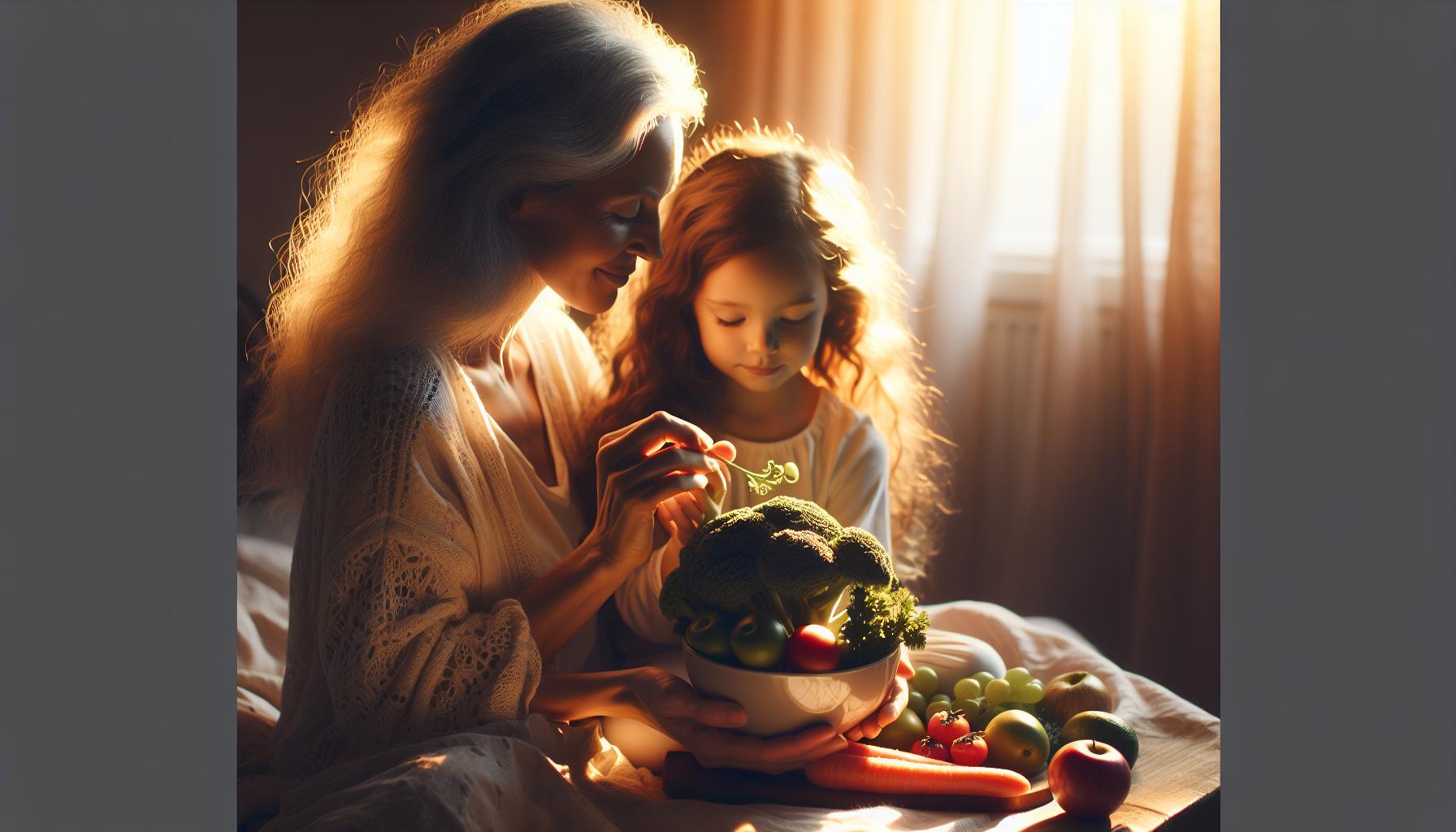
Did you know that the health of your hair and skin can often reflect the nutrients you consume? During the postpartum or nursing periods, when your body undergoes significant changes, maintaining a nutrient-rich diet becomes essential not only for your overall well-being but also for the vitality of your hair and skin. A targeted approach to nutrition can aid in managing issues such as grey hair, which may arise during these stages.
Essential Nutrients for Hair and Skin Health
A well-balanced diet plays a crucial role in supporting healthy hair and skin. Incorporating the right foods into your routine can enhance the condition of your hair while mitigating the effects of hormonal shifts that contribute to greying. Below, we highlight some of the key nutrients and the foods that are rich in them:
- Biotin: This B-vitamin is vital for keratin production and overall hair health. Sources include eggs, nuts, and whole grains.
- Omega-3 Fatty Acids: These healthy fats support skin hydration and elasticity. Include fatty fish like salmon, flaxseeds, and walnuts in your diet.
- Vitamin E: Known for its antioxidant properties, Vitamin E promotes blood circulation to the scalp and skin. Incorporate almonds, spinach, and avocados.
- iron: An essential mineral that helps transport oxygen to your cells,ensuring healthy hair growth. Find iron in red meats, lentils, and spinach.
- Zinc: This mineral supports the repair and growth of hair and skin.Shellfish, seeds, and legumes are excellent sources.
Sample meals for Stunning Hair and Skin
To effortlessly integrate these nutrients into your diet, consider the following meal suggestions:
| Meal | Ingredients | Nutritional Benefits |
|---|---|---|
| Breakfast | Oatmeal topped with walnuts and berries | Rich in biotin, antioxidants, and omega-3s. |
| Lunch | Spinach salad with grilled salmon, avocado, and nuts | High in omega-3s, iron, and vitamin E. |
| Dinner | Lentil stew with vegetables and quinoa | Provides iron, zinc, and protein for hair health. |
| Snack | sliced apple with almond butter | Offers fiber and healthy fats, enhancing skin hydration. |
By focusing on a nutrient-dense diet tailored to the needs of your body during postpartum or nursing periods, you can help combat the occurrence of grey hair and nourish your skin for a healthier appearance. Each bite can be a step towards empowerment and self-care, so embrace these changes with enthusiasm and awareness.
Is Stress Playing a Role in Your Hair Color Change?

Did you know that stress can significantly impact your body’s overall health, including your hair? In recent studies, researchers have found a connection between elevated stress levels and the onset of grey hair, particularly during periods of significant life changes, such as postpartum or nursing.
The Science Behind Stress and Hair Color
When the body experiences stress, it produces elevated levels of cortisol, frequently enough referred to as the “stress hormone.” This can lead to a series of physiological reactions, including inflammation and oxidative stress, which may accelerate the depletion of melanin—the pigment responsible for hair color. as an inevitable result,hair follicles can turn grey more rapidly during challenging times,including the postpartum phase or when nursing.
- Cortisol Levels: High stress can lead to increased cortisol, which is linked to reduced melanin production.
- Oxidative Stress: Elevated stress levels contribute to oxidative stress, harming cells and potentially leading to premature greying.
- Inflammation: Stress may cause inflammation that affects hair follicles and impacts their ability to produce pigment.
practical Strategies to Manage Stress
Understanding the relationship between stress and hair changes can empower new parents to take proactive measures.Here are some effective strategies to manage stress levels:
| Strategy | Description |
|---|---|
| Mindfulness and Meditation | Engage in regular mindfulness practices to center yourself and alleviate anxiety. |
| Physical Activity | Incorporate exercise into your routine, whether it’s a brisk walk or yoga, to release endorphins. |
| Support Systems | Connect with friends, family, or support groups to share experiences and reduce feelings of isolation. |
| Healthy Diet | Maintain a balanced diet rich in antioxidants to combat oxidative stress and support overall health. |
By implementing these strategies, new parents can significantly reduce stress levels, potentially slowing down hair graying and improving overall well-being. Remember, taking care of your mental health is just as crucial as your physical health during these transformative periods of life.
When to Seek Professional Advice: Understanding Underlying Conditions

Did you know that experiencing grey hair during postpartum or nursing periods can sometimes signal underlying health conditions? While it’s common for new mothers to experience various changes in their hair, including greying, it’s essential to pay attention to your body’s signals. Recognizing when these changes are normal and when they may warrant further examination can be crucial for your overall health and well-being.
Identifying When to Seek Help
As you navigate the challenges of the postpartum period, it’s vital to distinguish between typical hair changes and signs that might indicate a serious issue. here are some factors to consider:
- Rapid Onset of Grey Hair: If you notice a sudden appearance of grey hair, especially if it seems to be concentrated in patches rather than evenly distributed.
- accompanying Symptoms: Symptoms such as excessive hair loss, scalp irritation, or changes in skin pigmentation may suggest an underlying condition.
- Family History: If you have a family history of autoimmune diseases or thyroid issues, early investigation might be warranted.
- Emotional Well-being: Persistent feelings of anxiety or depression during or after the postpartum phase can sometimes correlate with physical symptoms, including changes in hair color.
Understanding Potential Underlying Conditions
Grey hair during postpartum or nursing periods can be associated with various conditions, some of which might require professional advice. Here is a breakdown of common underlying issues to consider:
| Condition | Signs or Symptoms | Recommended Action |
|---|---|---|
| Thyroid Dysfunction | Fatigue, weight changes, mood alterations | Consult with a healthcare provider for blood tests |
| Vitamin Deficiencies | Fatigue, weakness, brittle hair | Discuss dietary habits with a nutritionist or doctor |
| Stress-Related Issues | Increased anxiety, insomnia, hair thinning | Seek counseling or support groups |
| Autoimmune Disorders | Changes in skin/hair, unexplained rashes | Consult a dermatologist or specialist |
Addressing grey hair during postpartum or nursing periods isn’t solely about aesthetics — it’s an opportunity to check in on your overall health. Taking proactive steps by consulting professionals can lead to timely interventions should any health issues arise. In essence, listen to your body, and don’t hesitate to seek advice when something feels off.
Embracing Your New Look: Building Confidence with Grey Hair
When you embrace grey hair during postpartum or nursing periods, your not just changing your look—you’re embarking on a journey toward self-acceptance and empowerment. The shift to grey can feel daunting for many,especially amidst the physical and emotional challenges of new motherhood.However, wearing your grey hair with pride can serve as a powerful statement of resilience, maturity, and the beautiful transitions of life.
Understanding the beauty of Grey
The silver strands that gradually emerge can be viewed through a lens of beauty and wisdom rather than loss. Grey hair signifies a new chapter,one that reflects your experiences and the stories you’ve collected over the years. It is indeed essential to recognize that grey hair can complement your individuality, giving you a unique identity in a world that frequently enough emphasizes youthfulness. Consider these points to cultivate a strong sense of confidence:
- Celebrate Transformation: Acknowledge the changes in your body and hair as part of your evolution. Each grey hair represents a moment in your life that shaped who you are today.
- Inspire Others: By embracing your grey, you can inspire fellow mothers and women around you to appreciate their natural beauty, empowering them to embrace their uniqueness.
- Personal Style: Experiment with different hairstyles or cuts that enhance the beauty of your grey locks. Find styles that make you feel confident and beautiful in your own skin.
Practical Tips for Rocking Your Grey Hair
Transitioning to grey can come with a few challenges, but there are plenty of practical strategies you can adopt to enhance your confidence:
| Tip | Description |
|---|---|
| Hydration and Care | Invest in high-quality hair products designed specifically for grey hair. These products can help maintain moisture and shine, highlighting the vibrancy of your grey. |
| Accessorize | Use headbands, clips, or stylish hats to add flair and confidence to your look. Accessories can draw attention to your face and add a playful touch to your style. |
| Seek support | Consider joining a support group or online community where you can share experiences and tips with other mothers transitioning to grey hair. |
| Professional Guidance | A consultation with a hairstylist can provide you with a fresh perspective on colors and cuts that suit your skin tone and personal style. They can recommend ways to blend or enhance your grey. |
By approaching your grey hair transformation with positivity and excitement, you’ll not only boost your self-esteem but also redefine beauty standards around you. Remember, every time you catch a glimpse of your brilliant silver strands, you are witnessing a testament to your strength as a woman navigating motherhood. Embrace it, own it, and let your grey hair tell your unique story.
Tips for Maintaining Healthy Hair While Nursing or Recovering
Did you know that hormonal fluctuations during nursing or the postpartum period can not only lead to grey hair but also affect your overall hair health? As your body undergoes these significant changes, it’s crucial to adopt effective strategies to maintain vibrant, healthy tresses. Here are vital tips tailored to support your hair during this transformative time.
Nutrition is Key
A well-balanced diet plays a pivotal role in hair health, especially during nursing or recovery.Focus on incorporating essential nutrients that promote hair growth and strength:
- Protein: Foods high in protein, such as lean meats, fish, eggs, and legumes, are crucial sence hair is primarily made of a protein called keratin.
- Iron: Iron-rich foods like spinach, nuts, and red meat can help prevent hair loss and support overall scalp health.
- Vitamins: Ensure you get plenty of Vitamins A, C, D, and E, and also B-vitamins like Biotin, to fortify your hair structure.
- Omega-3 fatty Acids: These can be found in fish like salmon and flaxseeds, promoting a healthy scalp and hair follicles.
Stay Hydrated
Dehydration can lead to dry and brittle hair, which might enhance the appearance of grey strands. Aim for adequate water intake daily, typically around 8-10 glasses, to keep your hair and scalp hydrated. Remember, hydration is not just about drinking water; consuming fruits and vegetables with high water content, such as cucumbers and watermelon, can also contribute to your overall hydration levels.
gentle Hair Care Routine
During the postpartum or nursing phases, your hair can be more sensitive. Consider the following gentle hair care practices:
- Choose Mild Products: Opt for sulfate-free shampoos and conditioners that are gentle on your scalp and hair to avoid further damage.
- Limit Heat Styling: Heat can cause hair to become even more fragile, so reduce the use of blow dryers, curling irons, or straighteners.
- Regular Trims: schedule regular haircuts to remove split ends and keep your hair looking healthy and fresh.
| Nutrient | Benefits for Hair | Food Sources |
|---|---|---|
| Protein | Helps build hair structure | Lean meats,fish,eggs |
| Iron | Prevents hair loss | Spinach,legumes,red meat |
| Vitamins | Strengthens hair and promotes growth | Fruits,vegetables,nuts |
| Omega-3 Fatty Acids | Supports healthy scalp | Salmon,flaxseeds,walnuts |
By actively maintaining a balanced diet,staying hydrated,and adopting a gentle hair care routine,you can mitigate the effects of grey hair during postpartum or nursing periods and promote robust hair health. Remember, every change in your hair is a reflection of your body’s internal condition, so nurturing your overall well-being is essential for luscious locks!
Natural Remedies to Nurture your Locks During This Transition
Did you know that the body goes through remarkable changes during the postpartum period, some of which can affect the color and health of your hair? While grey hair may be one unexpected side effect during nursing or in the months following childbirth, there are natural remedies that can help you restore vitality and nurture your locks back to health.
Essential Nutrients for Hair Health
Incorporating specific nutrients into your diet can have a significant impact on your hair’s luster and strength.Consider focusing on:
- Biotin: This B-vitamin plays a crucial role in maintaining healthy hair.Foods rich in biotin include eggs, nuts, and whole grains.
- Iron: A deficiency in iron can lead to hair loss. Include leafy greens, dried fruits, and lean meats in your meals.
- Zinc: Essential for hair tissue growth and repair, zinc can be found in pumpkin seeds, chickpeas, and lentils.
- Omega-3 fatty Acids: Nourishing your scalp can promote hair growth; incorporate fatty fish, walnuts, and flaxseeds into your diet.
Herbal Treatments to Revitalize Your Hair
Embracing herbal remedies is a natural way to enhance hair texture and color during this transition:
- amla Oil: Rich in vitamin C and antioxidants, amla oil can stimulate hair growth and prevent premature greying. Massage it into your scalp twice a week for best results.
- Henna: This natural dye not only gives your hair a beautiful reddish tint but also conditions it. Regular request can improve the health of grey strands.
- Rosemary Oil: Known for its hair-strengthening properties, rosemary oil may boost hair growth and pigmentation. dilute it with a carrier oil and massage into your scalp for a nourishing treatment.
DIY Hair Masks and Rinses
Creating your own hair masks can be both an enjoyable experience and an opportunity to replenish your hair’s health. Here are a couple of formulas you can try:
| Mask/Rinse | Ingredients | Instructions |
|---|---|---|
| Coconut Oil & Honey Mask | 1/2 cup coconut oil, 1/4 cup honey | Mix ingredients, apply to hair, leave for 30 min, then rinse. |
| Apple Cider Vinegar Rinse | 1 part ACV, 3 parts water | Combine, apply after shampooing, let sit for 5 min, then rinse. |
These natural treatments can work wonders not only in transforming the texture of your locks but also in addressing the emotional adjustments tied to grey hair during the postpartum period. By embracing these remedies,you’re not just caring for your hair; you’re also investing in self-care during this significant life transition.
In Retrospect
As we wrap up our exploration of grey hair during the postpartum and nursing periods,it’s important to remember that you’re not alone in this journey. Many new parents experience these changes, and understanding the underlying factors—like hormonal shifts and nutritional needs—can empower you to take charge of your wellness. Prioritizing self-care, seeking support, and staying informed can make a world of difference in navigating this transformative time.
We encourage you to continue learning about your body and the beautiful changes it goes through.Share your experiences, connect with other parents, and don’t hesitate to consult professionals when needed. Your journey is unique, and embracing it with knowledge can lead to a more fulfilling parenting experience. Keep exploring, stay curious, and remember that you have the strength to embrace every chapter of your story.
Get our latest guides, news, and insights highlighted in your Google Search & AI Overviews.

