

✨ This article was AI edited. Editorial responsibility: CompassionateMomss.org.
Navigating the postpartum period can be challenging, and many new mothers seek natural ways to promote healing and wellness. Herbal tea blends offer a soothing, nourishing approach to support recovery, aiding everything from digestion to emotional balance. Discover the best blends that nourish your body and spirit during this transformative time.
understanding the Healing Journey: Why Postpartum Care Matters

Did you know that nearly 80% of new mothers experience some form of postpartum mood disorder? This statistic underscores the critical importance of postpartum care in the weeks and months following childbirth.During this transformative time, the body and mind undergo notable adjustments, making it essential for new parents to embrace a holistic approach to healing that includes both physical and emotional support.
The Importance of Physical Recovery
Physical recovery is foundational to the postpartum experience.After giving birth, the body needs time to heal from the strain of pregnancy and delivery. Integrating natural healing methods,such as herbal teas,can play a vital role in this journey. As an example, the best postpartum tea blends such as those rich in ingredients like ginger, nettle, and red raspberry leaf, provide nourishing properties that can alleviate discomfort and promote overall wellness. These herbs support everything from reducing inflammation to increasing milk production, illustrating how simple plant-based solutions can significantly enhance recovery.
- Ginger: Acts as an anti-inflammatory and helps with digestion.
- Nettle: Rich in iron and vitamins,great for replenishing nutrients after birth.
- Red Raspberry Leaf: Strengthens the uterine muscles and soothes menstrual discomfort.
Emotional Wellbeing Through Connection
In addition to physical aspects, emotional wellbeing is paramount during the postpartum period. Engaging in community support, whether through mom groups or online forums, can foster a sense of connection that alleviates feelings of isolation. Simultaneously savoring a warm cup of herbal tea can provide a moment of tranquility amid the chaos of new motherhood. The aroma and warmth of several herbal blends can evoke comfort—each sip serves as a reminder to pause and nurture oneself.
| Tea Blend | Benefits |
|---|---|
| Postpartum Recovery Blend | Soothes digestion, reduces inflammation. |
| Milk Production boost Blend | Promotes lactation, rich in nutrients. |
| Relaxation Blend | Calms nerves, supports sleep quality. |
Investing in postpartum care is crucial for every new parent.By choosing the best postpartum tea blends to support healing naturally, mothers can create a nurturing environment that prioritizes both physical recovery and emotional resilience. This journey is not just about bouncing back; it’s about thriving in a new chapter of life.
Herbal Allies: Key Ingredients in Postpartum Tea Blends
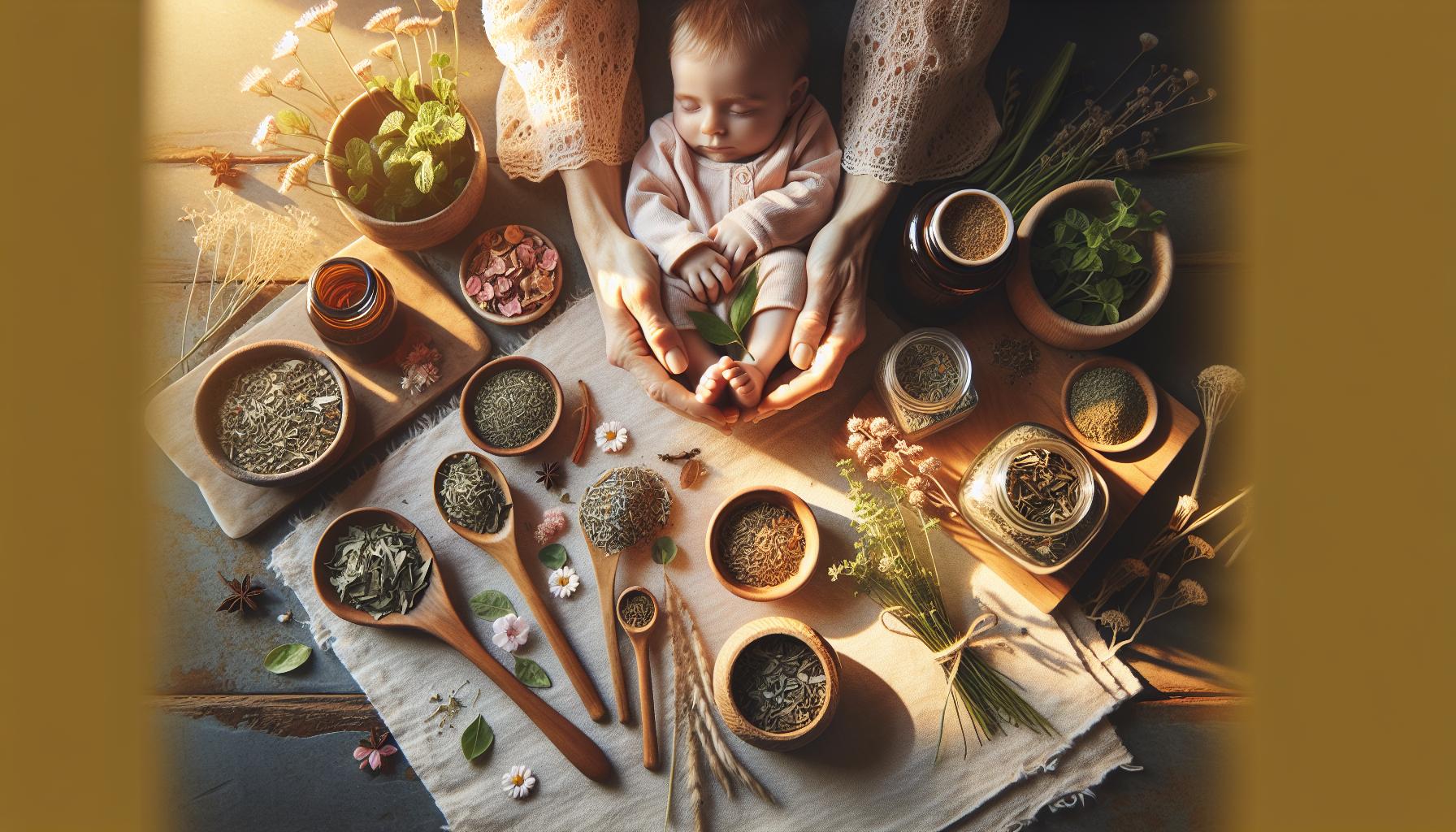
Did you know that certain herbal ingredients can significantly enhance recovery during the postpartum period? Conventional practices frequently enough highlight the importance of herbal teas, each blend carefully curated to support healing and vitality after childbirth. Understanding the key ingredients found in the best postpartum tea blends is essential for new mothers seeking natural remedies to aid their journey.
Common Herbal Ingredients in Postpartum Teas
Many postpartum tea blends boast a variety of herbs, each with unique properties tailored to meet the specific needs of new mothers. Here are some of the most beneficial ingredients frequently enough found in these soothing brews:
- Raspberry Leaf: Rich in vitamins and minerals, raspberry leaf helps tone the uterus and may support post-delivery recovery.
- Oat Straw: Known for its calming effects, oat straw can help reduce anxiety and promote relaxation, which is vital during postpartum adjustments.
- Fenugreek: This herb is widely used to stimulate milk production, making it a key ingredient for breastfeeding mothers looking to boost their supply.
- Ginger: Renowned for its anti-inflammatory properties, ginger can help alleviate discomfort and support digestion, which is especially beneficial after childbirth.
- Nettle: Packed with nutrients, nettle is excellent for replenishing iron levels and combating fatigue that new mothers may experience.
Combining Herbs for Maximum Benefits
Crafting the perfect postpartum tea blend involves not only selecting individual herbs but also understanding how their properties complement each other. For instance, combining fenugreek and anise seeds can enhance breast milk production while also soothing digestive discomfort. Similarly, blending raspberry leaf with ginger can address both uterine recovery and inflammation. Below is a simple example of how these ingredients can work together:
| Herb | Benefits |
|---|---|
| Raspberry Leaf | Supports uterine recovery |
| Oat Straw | Reduces anxiety |
| Fenugreek | Increases milk supply |
| Ginger | Relieves inflammation and aids digestion |
| Nettle | Boosts energy and replenishes iron |
Creating Your Own Custom Blend
For mothers interested in personalized wellness, creating your own tea blend can be empowering. Start by selecting two to three key herbs that align with your specific needs. Such as, if your primary concern is fatigue, consider a blend of nettle, oat straw, and ginger. Steep your chosen herbs in hot water for about 10-15 minutes to allow the flavors and benefits to fully infuse. not only does this approach tailor your tea to suit your body’s requirements, but it also provides a moment of self-care amidst the demands of motherhood.
Leveraging the healing properties of these herbal allies within postpartum teas can create a nurturing experience for new mothers, supporting overall well-being in a natural and soothing way.
Top Postpartum Tea Blends for Physical Recovery
Did you know that herbal teas can play a crucial role in your recovery after childbirth? The right blend of ingredients can support healing, enhance relaxation, and help restore balance to your body as it transitions into motherhood.
Nourishing Ingredients for Recovery
When selecting postpartum tea blends, look for combinations that promote physical recovery. Ingredients such as nettle leaf, red raspberry leaf, and ginger are renowned for their beneficial properties. Each of these components offers unique advantages:
- Nettle Leaf: Rich in vitamins A, C, K, and minerals like iron, this herbal powerhouse supports blood health and boosts energy levels.
- Red Raspberry Leaf: Known to tone the uterine muscles, this tea helps in recovering from labor while also aiding in milk production for breastfeeding mothers.
- Ginger: Excellent for digestive health, ginger can ease any postpartum discomfort, reduce inflammation, and enhance overall vitality.
Popular Blends for effective Recovery
The emergence of thoughtfully crafted postpartum tea blends ensures new mothers have access to herbal aids that cater specifically to their recovery needs. Here are some standout options that embody the essence of the best postpartum tea blends to support healing naturally:
| Tea Blend | Main Ingredients | benefits |
|---|---|---|
| Mother’s Rest | Nettle, Red raspberry Leaf, Chamomile | Promotes relaxation, aids sleep, and supports recovery |
| Healing Harmony | Ginger, Turmeric, Lemon Balm | Anti-inflammatory action, soothes digestion, and boosts immunity |
| Balance Brew | Rosemary, Dandelion, Peppermint | clears toxins, aids digestion, and supports mood stabilization |
Brewing Your Postpartum Tea
To maximize the healing benefits of these blends, aim for a proper brewing method. Use 1 to 2 teaspoons of tea for every cup of hot water and steep for about 5–10 minutes. This allows the flavors and nutritional qualities to fully infuse into the water. Enjoying a warm cup of tea not only nourishes your body but also provides a moment of calm amidst the chaos of new motherhood.
Incorporating these tea blends into your postpartum care can significantly aid your physical recovery, making each sip a step towards rejuvenating your body during this transformative time.
Soothing the Mind: Teas that Promote Emotional Well-being
The gentle ritual of sipping tea can be a powerful ally in nurturing your emotional well-being, especially during the often overwhelming postpartum period. Many tea blends are specifically formulated to provide not just physical healing but also comfort and tranquility to the mind. By incorporating herbal infusions into your daily routine, you can foster emotional resilience, promote relaxation, and cultivate a deeper sense of peace.
Herbal Allies for Emotional Harmony
Choosing the right tea can make a significant difference in navigating the emotional landscape after childbirth. Below are some of the best postpartum tea blends that support emotional well-being:
| Tea Blend | Main Ingredients | Emotional Benefits |
|---|---|---|
| Chamomile Bliss | Chamomile, Lavender | Calming, Reduces anxiety |
| Peppermint and Lemon Balm | Peppermint, Lemon Balm | Soothing, Enhances mood |
| Holy Basil Harmony | Holy Basil, Ginger | Balances stress, Promotes clarity |
| Rooibos Relaxation | Rooibos, Vanilla, Cinnamon | Rich in antioxidants, Uplifting |
Choosing Your Perfect Blend
When selecting a tea, consider your individual preferences and emotional needs. As a notable example, if you’re feeling especially anxious, the soothing properties of Chamomile Bliss may help ease tension and promote a restful mind. Alternatively, for those facing occasional mood dips, a blend such as Peppermint and Lemon Balm can invigorate your spirit and refresh your outlook.
Combine your chosen tea with a mindful practice,such as journaling or gentle meditation,to further enhance its benefits. Create a cozy atmosphere that encourages reflection: light a candle, find a comfortable space, and allow yourself the time to sip slowly, integrating the warm, calming aroma of your herbal infusion into your self-care routine.
Practical Steps for Daily Use
To fully experience the emotional benefits of these tea blends, consider these simple actions:
- Brewing Ritual: Set aside time each day to brew your tea intentionally. Pay attention to the colors and aromas that invite you to relax.
- Mindfulness Integration: Take a few moments before sipping to breathe deeply and think about what you are grateful for, enhancing positive feelings.
- Consistency is key: Try to incorporate your selected blend into your routine each day, creating a predictable source of comfort that nurtures your emotional well-being.
By consciously connecting with these soothing teas, you can craft an experience that not only supports your physical healing but also enhances your emotional resilience during the transformative months of postpartum recovery.
How to Choose the Right Tea for Your Unique Needs

Choosing the right tea can profoundly impact your postpartum recovery, offering both physical and emotional support during a time of significant change. Whether you’re looking for a soothing beverage to promote lactation or one that aids in healing after childbirth, understanding your specific needs is crucial. With a bounty of herbal options, knowing how to select the best postpartum tea blends to support healing naturally can empower your journey.
Identify Your Primary Goals
Before diving into the world of herbal teas, take a moment to pinpoint what you hope to achieve with your selection. Are you aiming to enhance milk production, soothe digestive issues, or boost your overall energy? Some teas are specially blended for hormonal balance, while others focus on recovery. Here’s a rapid guide to clarify your intentions:
- Lactation Support: Look for teas containing ingredients like fennel, fenugreek, and blessed thistle.
- Healing After Birth: Choose blends with nettle, red raspberry leaf, or ginger to aid recovery.
- Stress Relief: Opt for calming herbs like chamomile, lemon balm, or passionflower to ease anxiety.
- Energy Boost: Consider teas with invigorating properties such as yerba mate or ginseng.
Review Common Ingredients
Next, familiarize yourself with the beneficial herbs commonly found in postpartum tea blends. Certain components can complement your recovery process, but it’s essential to choose those that align with your specific needs. Here’s a table of popular herbal ingredients and their benefits:
| Herb | Benefit |
|---|---|
| Fennel | Supports milk production and eases gas |
| Nettle | Rich in nutrients that promote healing and replenish iron |
| Red Raspberry Leaf | Aids uterine recovery and balances hormones |
| chamomile | calms nerves and supports relaxation |
Consider Your Taste Preferences
Flavor is a significant factor in tea selection; if you dislike the taste of a particular blend, you are less likely to enjoy and benefit from it. many postpartum tea blends combine multiple herbs,offering unique flavors that can be delightful or off-putting,depending on your palate. Experiment with various blends to discover the ones you find most enjoyable. some may gravitate towards sweet and floral notes, while others might prefer earthy or robust flavors.
Consult with Experts
don’t hesitate to seek recommendations from health professionals or lactation consultants. They can provide personalized advice tailored to your situation, ensuring you choose teas that are safe and effective for postpartum recovery.Additionally, consider joining support groups where other new mothers might share their experiences and favorite blends, giving you authentic feedback on what works best for healing during this transformative period. By approaching your tea selection with intention and mindfulness, you can enhance both your recovery and overall well-being during the postpartum phase.
preparing Your Perfect Brew: Tips for Enjoying postpartum Tea
Steeping your postpartum tea is not just about preparing a drink; it’s a ritual that can enhance both your physical recovery and emotional well-being during the transformative months after childbirth. The right techniques can elevate your tea experience, making every sip a soothing moment of self-care.
Choose Quality Ingredients
Before you start brewing, it’s essential to select high-quality tea blends specifically formulated for postpartum recovery. Look for blends that contain herbs such as fenugreek, raspberry leaf, and nettle, as they are known to support lactation and provide vital nutrients. Consider purchasing organic options to ensure you are consuming tea free from harmful pesticides and synthetic additives.
Perfecting Your Brew
The brewing process can significantly affect the flavor and benefits of your tea. Follow these simple steps to ensure you’re enjoying the full potential of your postpartum tea:
- Water Quality: Use filtered or spring water for the best taste.
- Temperature: Different herbs require different steeping temperatures. Generally, boiling water is suitable for robust herbs, while delicate leaves need cooler water.
- Steep time: Allow the tea to steep for at least 5 to 10 minutes, depending on the blend. This time lets the active compounds infuse properly.
- Personalize: Feel free to add natural sweeteners like honey or soothing spices such as cinnamon for added flavor and benefits.
Serving Suggestions
Creating a calming environment for your tea time can enhance your overall experience. Here are a few tips:
- Set aside dedicated “tea moments” in your daily routine, where you can relax without distractions.
- Pair your tea with nutritious snacks, like almonds or dark chocolate, to maximize your nutrition.
- Consider sharing this moment with supportive friends or family members, turning your tea time into a small social gathering that boosts morale.
Explore Seasonal Flavors
Take advantage of seasonal ingredients to keep your postpartum tea experience fresh and exciting.As a notable example, you might include seasonal fruits like peaches or berries during summer or comforting spices like ginger and chai blends during winter months. You can easily customize your tea by adding these flavors to your blends,transforming your daily ritual into a delightful exploration of tastes.
| Season | ingredient Suggestions |
|---|---|
| Spring | Mint, Citrus Zest |
| Summer | Berries, Hibiscus |
| Fall | Cinnamon, Apples |
| Winter | Ginger, Chamomile |
By implementing these brewing tips, you can savor the delicate nuances of your chosen postpartum tea blends while reaping their wholesome benefits. Every cup you brew not only nourishes your body but also serves as a cherished moment of tranquility amidst the beautiful chaos of new motherhood.
Expert Recommendations: What Healthcare Professionals Say
Professional Insights on Postpartum Tea
Many healthcare professionals emphasize the importance of holistic approaches in postpartum recovery. A balanced diet, adequate rest, and natural remedies like herbal teas can play a crucial role in healing after childbirth. Postpartum teas not only offer hydration but also provide valuable nutrients and soothing properties that can significantly enhance recovery. To help new mothers make informed choices, several experts recommend specific tea blends based on their unique benefits.
Top Herbal Ingredients to Look For
When selecting tea blends designed for postpartum healing, certain herbs stand out for their traditionally recognized benefits. Here are a few top recommendations from healthcare providers:
- Raspberry Leaf: Known for its uterine toning properties, raspberry leaf tea can help support contractions and promote faster recovery.
- Fenugreek: this herb is frequently enough recommended for boosting milk supply, making it a favorite among breastfeeding mothers.
- Ginger: Renowned for its anti-inflammatory effects, ginger can help alleviate discomfort and promote digestion.
- Chamomile: perfect for evening calming rituals,chamomile can aid in sleep while also soothing upset stomachs.
Expert-Endorsed Tea Blends
Healthcare professionals frequently enough encounter various tea blends that resonate with postpartum needs. Below are blends typically suggested by practitioners:
| Tea Blend | Key Benefits | Recommended By |
|---|---|---|
| Mother’s Milk Tea | Enhances milk production; contains fenugreek and fennel. | Midwives and Lactation Consultants |
| Postpartum Recovery Blend | supports uterine healing; features raspberry leaf and nettle. | Obstetricians |
| Calming Chamomile Blend | Reduces stress and promotes sleep; includes chamomile and lavender. | Holistic Health Coaches |
Healthcare providers assert that these tea blends, when consumed regularly, can facilitate a smoother transition into motherhood. They encourage new mothers to explore different blends to find what works best for their bodies while integrating these natural healing modalities into their postpartum routine.
Real Stories: Moms Share Their Favorite Postpartum Teas
Real Experiences from New Moms
Many mothers cherish the quiet moments that come with sipping a warm cup of tea during the postpartum journey. It’s not just about comfort; it’s a ritual that embodies healing and self-care. As one mom puts it, “A steaming cup of tea was my little oasis amidst the chaos of motherhood.” Here, we dive into real stories from moms who have found solace and support in their chosen postpartum tea blends.
- sarah’s Smoothing Sip: Sarah shares how she turned to a blend of red raspberry leaf and nettle tea after her second baby. “I read that raspberry leaf can assist with uterine recovery. It’s not just that; the taste is soothing too!” sarah’s experience shows that the flavor of tea can enhance its comforting effects, helping her reconnect with herself during a demanding phase.
- Emily’s Energizing Brew: For Emily, a mix of ginger and fennel tea was her go-to postpartum drink.“With the night feedings, I was exhausted. Ginger helped perk me up without the jitters from caffeine. I loved feeling energized but calm.” Ginger’s warming properties helped combat bloating while providing the energy boost Emily desperately needed.
- Rachel’s Calming Ritual: After her delivery, Rachel discovered chamomile and lavender tea to be her nighttime ritual.“The combination is heavenly,” she recounts. “It helped me unwind after long days and prepared me for restful sleep.” This blend not only offered relaxation but also aided in soothing her anxious thoughts about new motherhood.
Sharing Favorite Blends
Reflecting a broader trend, many new mothers are finding community through their favorite postpartum teas. each cup tells a story—a blend of flavors, emotions, and shared experiences. Here’s a quick overview of popular blends that have resonated with moms across the country.
| Tea blend | Key Benefits | Moms’ Favorite Note |
|---|---|---|
| Red Raspberry Leaf | Supports uterine health, rich in vitamins | “Perfect for postpartum recovery!” |
| Ginger & Fennel | Boosts energy, aids digestion | “A refreshing pick-me-up!” |
| chamomile & Lavender | Promotes relaxation, reduces anxiety | “The best end to a chaotic day.” |
Combining these natural ingredients not only supports healing but also acts as a reminder for moms to take a moment for themselves.Whether it’s in the still moments of nursing or as a part of their daily self-care routine, postpartum teas are more than just beverages; they are a comforting embrace—a testament to resilience and the journey into motherhood.
Frequently Asked Questions
What are the Best Postpartum Tea Blends to Support Healing Naturally?
the best postpartum tea blends for supporting healing frequently enough include herbs like raspberry leaf, ginger, and nettles. These ingredients help with recovery and provide essential nutrients.
When looking for blends, prioritize those that focus on uterine health and milk production. Herbal teas can aid digestion and reduce stress during the postpartum phase. Explore options like this detailed guide to find specific blends that suit your needs!
How do postpartum tea blends help with recovery?
Postpartum tea blends support recovery by incorporating herbs that promote healing and boost milk production. These blends can help new mothers regain strength and feel more balanced.
As an example, chamomile is known for its calming properties, while fenugreek may enhance milk supply.Using herbal teas can be a gentle and effective way to address common postpartum concerns like fatigue and stress.
Can I make my own postpartum tea blends?
Yes, you can create your own postpartum tea blends using natural ingredients like ginger, lemon balm, and peppermint. This allows you to tailor the flavors and benefits to your personal preferences.
To start,consider using dried herbs from a trusted source. You can experiment with different combinations to discover what works best for your body and healing process. Remember to consult your healthcare provider about your blend choice.
Why does postpartum tea matter for healing?
Postpartum tea is vital for healing as it provides vital nutrients and offers a calming ritual during a hectic time. The herbal properties can aid in physical recovery and emotional well-being.
The postpartum period can be overwhelming, and creating a moment to enjoy a warm cup of tea can be a soothing self-care practice.Such routines also help promote hydration and digestion, which are essential during recovery.
What herbs should be avoided in postpartum tea blends?
Herbs such as sage and peppermint may be avoided in large amounts due to their potential effects on milk supply. It’s essential to choose safe ingredients for postpartum healing.
Always consult your healthcare professional before trying any new herbal blends, especially if you’re breastfeeding. Understanding the effects of each herb on your recovery can definitely help you make informed choices.
Can postpartum tea help with energy levels?
Absolutely! Certain postpartum tea blends featuring ginger or rooibos can help boost energy levels naturally. These herbs are known to combat fatigue and support vitality.
Incorporating these teas into your daily routine may provide a gentle energy lift without the crash that often comes with caffeine. Remember, balancing rest with nourishment is key for sustained energy during the postpartum journey.
How often should I drink postpartum tea?
you may enjoy postpartum tea 1-3 times a day, depending on your personal preference and the specific blend’s ingredients. Listening to your body is essential for finding the right balance.
Some mothers find relief and comfort with multiple cups, while others might prefer a more moderate intake. Consider how each blend makes you feel and adjust accordingly!
To Conclude
As we wrap up our exploration of the best postpartum tea blends, we hope you feel empowered to support your healing journey naturally. Each blend we discussed offers unique benefits that can definitely help ease the transition into parenthood while fostering physical and emotional well-being. Remember, prioritizing self-care is not just a luxury—it’s essential for both you and your growing family.
We encourage you to continue experimenting with these tea blends and listen to your body’s needs as you navigate this transformative time. Don’t hesitate to reach out, share your experiences, and connect with other parents walking a similar path.Your journey is unique, and together, we can create a community full of support and shared wisdom. Cheers to your health and happiness as you nurture yourself and your little one!
Get our latest guides, news, and insights highlighted in your Google Search & AI Overviews.

