
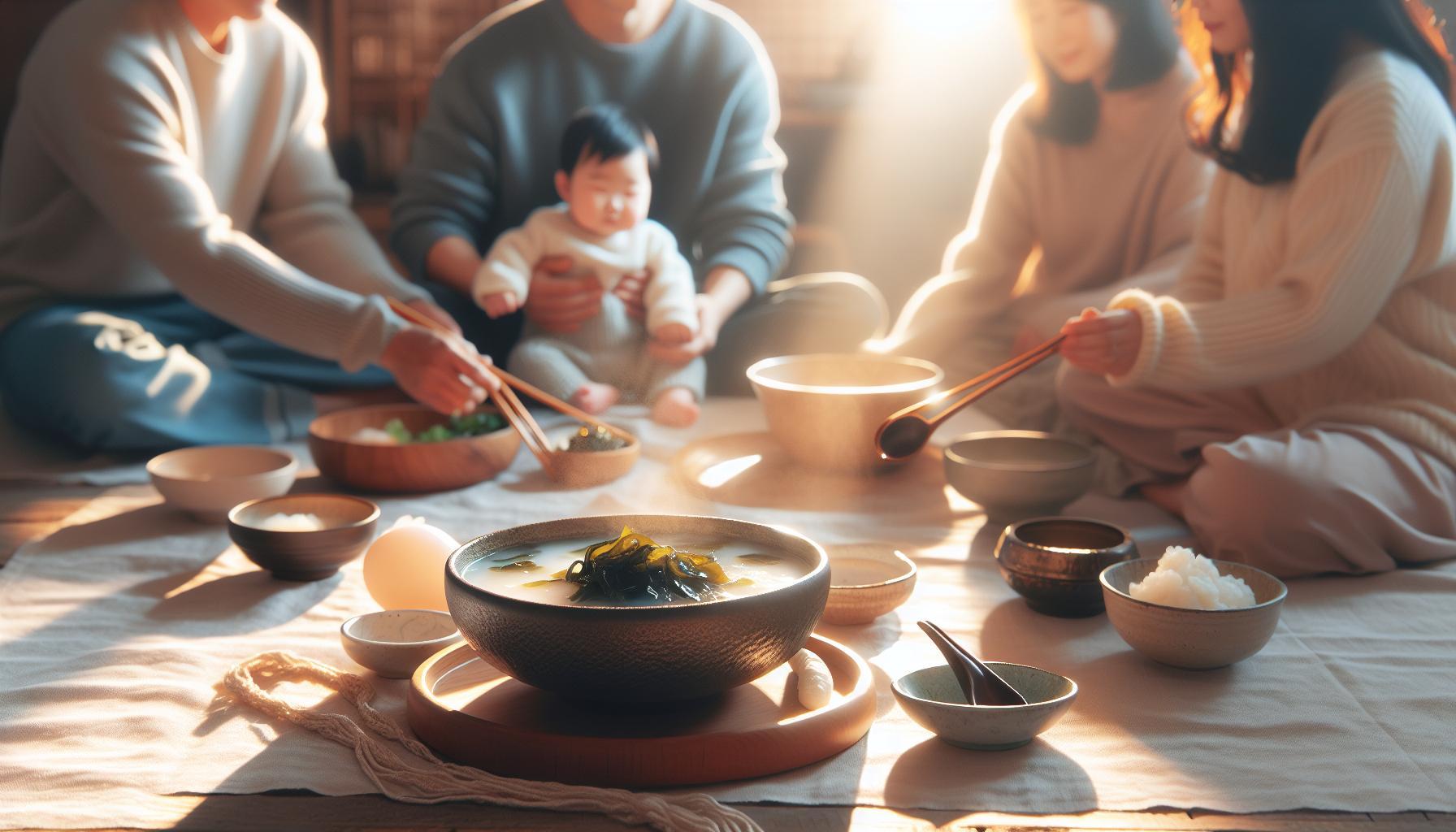
After childbirth, many new mothers in Korea are served a hearty bowl of seaweed soup, steeped in centuries-old tradition. This practice not only nourishes but also symbolizes care and recovery during the postpartum period. Understanding its importance reveals deep cultural values surrounding motherhood, health, and community support in Korean society.
The Cultural Significance of Seaweed Soup in Korean Postpartum Tradition
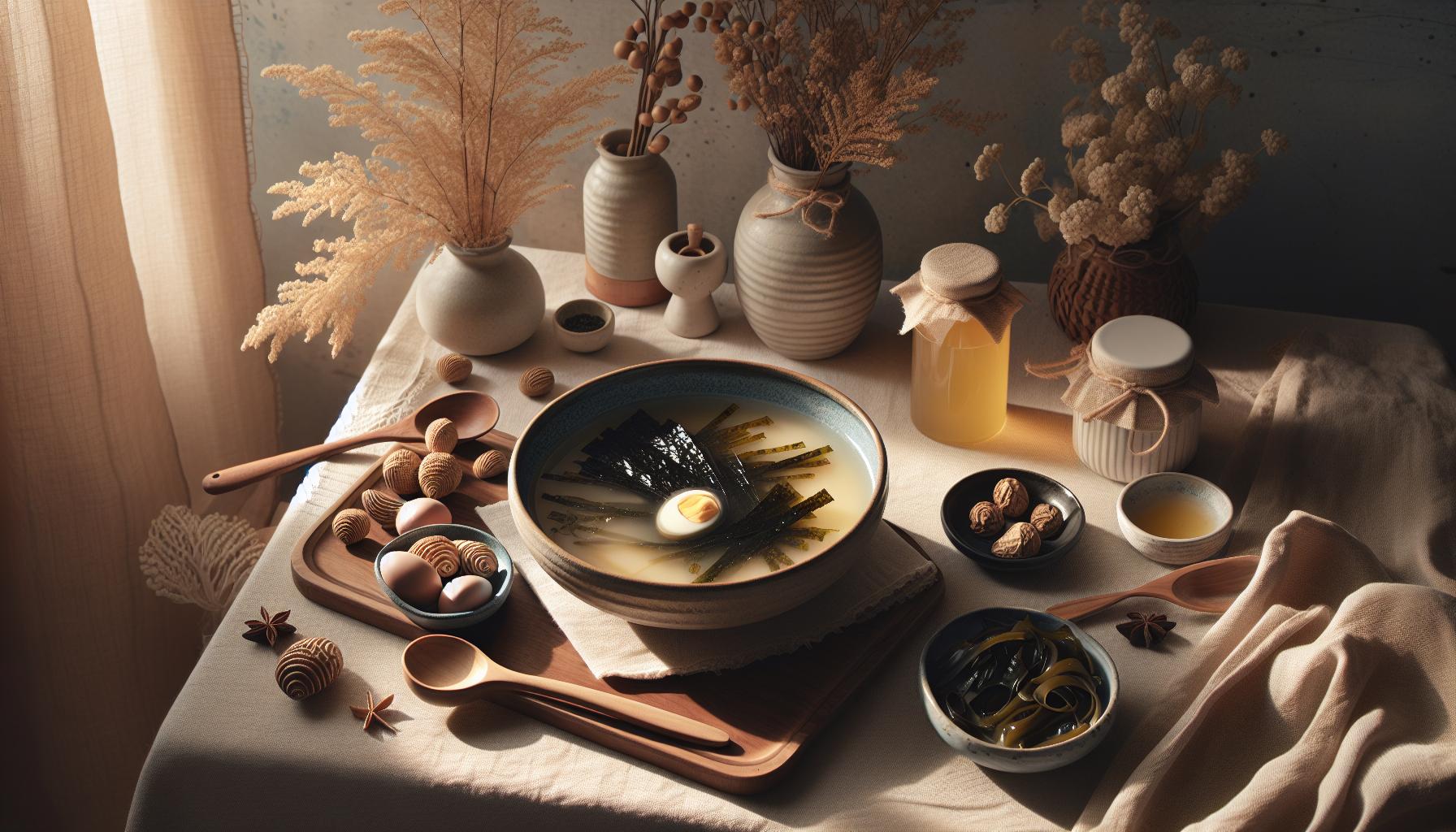
Did you know that in Korean culture, the act of consuming seaweed soup post-childbirth is both a nutritional necessity and a deeply ingrained ritual? This vibrant green dish, known as “miyeok-guk,” holds a unique place in the postpartum recovery tradition, symbolizing nourishment and maternal strength.
deep Cultural Roots
The significance of seaweed soup extends beyond its rich flavor and health benefits; it serves as a cultural touchstone for many Korean families. Typically consumed within the first month after childbirth, this nourishing soup is made with miyeok (seaweed), which is thought to promote healing and replenish vital nutrients. According to Korean tradition, seaweed is a symbol of abundance and longevity, and its consumption is believed to provide women with the nourishment required during their recovery.
- Iron and Calcium: Seaweed is rich in minerals that help replenish nutrients lost during pregnancy and childbirth.
- Improved Lactation: The soup is believed to encourage milk production, which is crucial for breastfeeding mothers.
- Postpartum Recovery: This traditional dish aids in overall recovery, helping mothers regain strength and vitality.
Nurturing community and Tradition
In Korean society, the practice of eating seaweed soup after delivery is often accompanied by communal support. Family members gather to prepare this dish, further strengthening familial bonds during a crucial time. It’s more than just a meal; it encapsulates the essence of care and nurturing, signifying a motherS new journey into motherhood.the readiness of miyeok-guk often becomes a collective affair, invoking family traditions and reinforcing the cultural fabric that celebrates the milestones of life.
The rite of serving seaweed soup also serves as a testament to the community’s role in a new mother’s recovery. Traditionally, superstitions informally dictate that a mother who skips this dish could face difficulties in her postpartum health or breastfeeding. Thus,embracing this tradition means partaking in a ritual that not only nourishes the mother but also affirms her place within her family and society.
By understanding why Koreans eat seaweed soup after giving birth, we gain insight into how cultural heritage shapes lives and fosters community ties, ultimately nurturing generations. This culinary tradition is a powerful reminder of the intergenerational bonds formed during life’s critically important events, creating lasting connections through love, food, and shared experiences.
Nutritional Benefits: Why Seaweed Soup is a Healing choice After Birth

Seaweed: A Nutritional Powerhouse
Did you know that seaweed is among the most nutrient-dense foods on the planet? After giving birth, a woman’s body undergoes significant physical changes, and the restoration of nutrients becomes paramount for recovery and lactation. The traditional Korean practice of consuming seaweed soup is steeped in cultural reverence and grounded in a deep understanding of nutrition. It serves as more than just a comforting dish; it is indeed a vital component in the recovery process for new mothers.
Key Nutritional Benefits
The nutritional profile of seaweed soup is rich and varied, offering numerous health benefits that can positively impact postpartum recovery. Here are some of the primary nutrients found in seaweed, particularly in the popular variety Kombu, often used in soup recipes:
| Nutrient | Benefit |
|---|---|
| iron | Helps in replenishing blood loss during childbirth and supports hemoglobin levels. |
| Calcium | Essential for bone health, especially for new mothers at increased risk of bone density loss. |
| Iodine | Vital for thyroid function and hormonal balance; supports metabolism during postpartum recovery. |
| Omega-3 Fatty Acids | Support cognitive function and contribute to mood stabilization, which can aid in combating postpartum depression. |
| Vitamins A and C | Boost the immune system and promote skin health, essential for healing after childbirth. |
| Fiber | Aids digestion and helps alleviate constipation, a common concern for postpartum women. |
Cultural and Practical Insights
Beyond the remarkable vitamins and minerals, the rituals surrounding seaweed soup serve as an emotional and social support system for new mothers. In Korea, family members often prepare seaweed soup to celebrate a mother’s journey into parenthood, reinforcing her connection to the community. Engaging in the preparation and consumption of this dish can not only contribute to physical healing but also to mental well-being and the formation of close family bonds during a perhaps overwhelming time.
For those seeking to incorporate this healing dish into their postpartum recovery, consider making seaweed soup at home using simple ingredients like dried seaweed, flavorful broth, and nutrient-rich proteins such as fish or tofu. This comforting meal can be enjoyed regularly, tailored to personal taste, making seaweed soup not just a tradition, but a delicious way to prioritize health during a significant life transition.
A New Mother’s Journey: Embracing the Tradition of Seaweed Soup
In many cultures, rituals and traditions surrounding childbirth hold deep significance, promoting healing and bonding. For Korean mothers, indulging in seaweed soup after giving birth is more than just a culinary choice; it is a time-honored practice steeped in cultural heritage. This nourishing dish,rich in nutrients,symbolizes a mother’s journey toward recovery and new beginnings.
Healing Properties of Seaweed Soup
Seaweed, or miyeok, utilized in this soup, is renowned for its health benefits, making it an essential part of postpartum care. Its high content of vitamins and minerals, particularly iodine, calcium, and iron, helps support the body’s healing process after childbirth. Here are key reasons why this traditional dish is a staple:
- Restores Nutrients: Seaweed is excellent for replenishing minerals lost during pregnancy and childbirth.
- Enhances Milk Production: Many believe that eating seaweed soup may aid in increasing breast milk supply, providing nourishment for the newborn.
- Promotes Healing: The antioxidants found in seaweed help fight inflammation and expedite recovery.
A Family Tradition and Support System
The moment a woman becomes a mother,she embarks on a journey filled with both challenges and joys. The tradition of consuming seaweed soup serves not only as a dietary practice but also emphasizes the importance of family support during this transformative period. Often prepared by mothers, mothers-in-law, or close relatives, this act fosters connection and provides emotional reassurance. The preparation of the soup can be a communal effort, embodying love and care, which helps to ease the new mother’s transition into motherhood.
Preparing and Enjoying Seaweed Soup
To fully embrace this tradition, many families uphold the practice of making seaweed soup fresh for the new mother, sometimes even holding a small ceremony to mark its importance. While there are countless variations, here’s a simple recipe to carry on this beautiful tradition:
| Ingredients | Quantity |
|---|---|
| Seaweed (miyeok) | 1 cup (dried) |
| Water | 6 cups |
| Beef or seafood (optional) | 200 grams |
| Garlic (minced) | 2 cloves |
| Soya sauce | to taste |
Whether enjoyed alone or shared with family, the experience of eating seaweed soup builds a sense of community and care. As new mothers savor each bowl, they not only nourish their bodies but also honor a rich cultural tradition that celebrates their new chapter in life.
Preparing for Postpartum: How to Make Seaweed Soup at Home

Did you know that in Korea, consuming seaweed soup (miyeok-guk) after childbirth is more than just a culinary tradition? It symbolizes healing, nutrient replenishment, and the cultural significance of nurturing life. As you prepare for postpartum recovery, understanding how to make this nourishing dish at home will ensure you embrace this essential cultural practice.
Gather Yoru Ingredients
the simplicity of seaweed soup lies in its fresh and wholesome ingredients,most of which can be found at your local grocery store or Asian market. Here’s what you’ll need to whip up a delicious pot of miyeok-guk.
- 1 cup dried wakame seaweed – Soak and rinse before use.
- 8 cups water – For a rich broth.
- 1-2 tablespoons sesame oil – Adds a nutty flavor.
- 1-2 cloves garlic, minced – For aroma and taste.
- 8 ounces beef or anchovies – For protein (vegetarians can skip this).
- Salt and soy sauce – To season to your taste.
Cooking Instructions
Now that you’ve gathered your ingredients, it’s time to prepare the healing seaweed soup. Follow these steps for a traditional recipe that evokes the comforts of postpartum nourishment.
- Prepare the Seaweed: Soak the dried wakame in cold water for about 20-30 minutes until it expands and softens. Once done,rinse it thoroughly and cut it into small pieces.
- Make the Broth: In a large pot,heat the sesame oil over medium heat. Add the minced garlic and sauté until fragrant. If your using anchovies, stir them in now to infuse the oil with flavor.
- Add Water: Pour in the water, and bring the mixture to a boil. if using beef, add it at this stage and let it simmer until tender.
- Combine: Add the soaked and cut seaweed to the pot. Allow it to simmer for about 10-15 minutes, stirring occasionally. If you’re using cooked beef, shred it and add back to the pot.
- season: Once done,season with salt and soy sauce according to your taste preferences. Serve hot and enjoy its healing properties!
Nutritional Overview of Miyeok-guk
Seaweed soup is rich in essential nutrients critical for postpartum recovery,such as iron,calcium,and omega-3 fatty acids.Here’s a quick look at what makes it beneficial:
| Nutrient | Benefit for Postpartum Recovery |
|---|---|
| Iron | Helps combat postpartum anemia. |
| Calcium | Supports breastfeeding and bone health. |
| omega-3 Fatty Acids | boosts mood and reduces inflammation. |
Embracing the tradition of making seaweed soup not only connects you to your heritage but also arms you with the nourishment needed for your postpartum journey. Enjoy every spoonful of this nutrient-rich, hearty dish as you recover and bond with your newborn!
Expert Insights: The Role of Seaweed Soup in Maternal health
Understanding the Nutritional Benefits
Seaweed soup, known as miyeok-guk in Korean culture, is much more than a delicious dish; it plays a pivotal role in maternal health post-childbirth. This traditional soup is rich in nutrients, offering numerous health benefits that aid recovery during the postpartum period. Seaweed, the primary ingredient, is packed with essential vitamins and minerals, including iodine, calcium, and iron, which are crucial for new mothers.
- Rich in Iodine: Essential for thyroid function,iodine helps regulate metabolism and energy levels,vital for mothers recovering from childbirth.
- High in Calcium: Seaweed contributes to bone health, benefiting mothers as they adapt to the physical demands of caring for a newborn.
- Comprehensive Vitamins: Miyeok-guk provides an array of vitamins (A, C, K, and various B vitamins) that support overall health and vitality.
The Cultural Significance in Maternal Recovery
In Korean tradition, consuming miyeok-guk is seen as a nurturing act that aligns with the principles of postpartum care.This soup is traditionally served to new mothers as a way to highlight respect for their sacrifice during childbirth and to promote healing.
Some studies indicate that the consumption of seaweed soup may even help to enhance lactation due to its high nutritional content. Breastfeeding mothers benefit from the calcium and other nutrients,which are vital for both milk production and recovery. Engaging in this practice serves as a reminder of cultural identity, emphasizing the community’s role in supporting maternal health.
The Ritual of Preparing Miyeok-guk
The preparation of seaweed soup frequently enough involves family members, reflecting the communal support surrounding new mothers. The act of cooking and sharing this dish can be therapeutic and uplifting for new parents.
| Nutritional Component | Benefit |
|---|---|
| Iodine | Supports thyroid health and energy levels. |
| Calcium | Promotes bone strength and recovery. |
| Iron | Helps combat fatigue,enhancing energy levels. |
| Vitamins A, C, K | boosts overall health and immune function. |
Incorporating miyeok-guk into the diet after giving birth provides not only physical nourishment but also psychological comfort, reinforcing the value of traditions that promote health and well-being. The cultural practices that surround this tradition highlight the importance of community support and recovery, which echo throughout the Korean approach to maternal health.
Personal Stories: moms Reflect on Their Seaweed Soup Experience
Personal Stories: A Journey Through Tradition
The delicate aroma of simmering seaweed soup fills the air in households across Korea, evoking deep memories and shared experiences.For many mothers, this dish isn’t just comfort food; it symbolizes a vital part of their postpartum healing journey. Each bowl tells a story, from communal meals shared with family, to quiet times nurturing their newborns. Here’s how some mothers reflect upon their personal experiences with this cherished tradition.
- Hyun-Jin’s Experience: After giving birth to her first child, Hyun-Jin recalls the overwhelming support she received from her own mother. “Every day for two weeks, my mom would bring me fresh seaweed soup. It became our bonding time. She shared stories from her own postpartum days while I held my baby.” This gesture not only aided her recovery but also bridged generations, weaving a rich tapestry of tradition.
- Min-Soo’s Perspective: min-Soo, a mother of twins, had her seaweed soup experience enhanced by her friends’ visits. “I wasn’t ready for the chaos of newborn twins,” she recalls, “but my friends rallied around me, bringing homemade seaweed soup. It was quite literally a life-saver! Each spoonful reminded me that I wasn’t alone in this journey.” This shows how seaweed soup can become a symbol of community support during one of life’s most tumultuous moments.
- Jin-Ae’s Reflection: For Jin-Ae, the soup was more than a meal; it represented hope and health. “After my delivery, I learned the importance of nourishment.My mother told me seaweed is not just a tradition, it’s packed with nutrients. Knowing this, I appreciated it even more. It felt empowering to eat something that was beneficial for both me and my baby.”
The Nutritional Significance
mothers often highlight the physical benefits of seaweed soup, linking it to their postpartum recovery. Seaweed, rich in vitamins and minerals, aids in replenishing lost nutrients. A quick look at its nutritional profile reveals its relevance during the postpartum period:
| Nutrient | Benefits |
|---|---|
| iron | Essential for restoring energy and preventing anemia. |
| Calcium | Vital for bone health and recovery. |
| Iodine | Supports thyroid function and hormonal balance. |
| vitamins A and C | Boosts the immune system and promotes skin health. |
As these mothers share their stories, it becomes clear that the act of consuming seaweed soup is steeped in meaning, signifying nourishment not only for the body but also for the spirit. Through their experiences,it becomes evident that this ritual is a gentle welcoming of new life,deeply rooted in love,care,and tradition.
Supporting Recovery: Additional Foods to Pair with seaweed Soup
Enhancing Nutritional Value with Complementary foods
Pairing seaweed soup with additional nourishing foods can amplify its health benefits, particularly for postpartum recovery. Seaweed, rich in iodine, calcium, and vitamins, is an excellent foundation for a balanced meal, but incorporating other nutritious ingredients can promote healing and energy replenishment during this critical period. Here are some additional foods to consider integrating into the diet after childbirth:
- Lean Proteins: Incorporating sources such as chicken, tofu, or fish can enhance your protein intake, which is vital for tissue repair and energy levels. Protein-rich foods can definitely help with muscle recovery and overall stamina.
- Whole Grains: Foods like brown rice or quinoa can provide complex carbohydrates for sustained energy. This is especially important during the demanding postpartum period when new mothers often experience fatigue.
- Fruits and Vegetables: Brightly colored fruits and vegetables are packed with antioxidants and vitamins. Incorporate items like spinach, berries, and sweet potatoes which support the immune system and overall recovery.
- Fermented Foods: Foods such as kimchi or yogurt support gut health with beneficial probiotics. A healthy gut can improve nutrient absorption and overall well-being, which is crucial during recovery.
Sample Pairing Ideas
To create a well-rounded meal, consider the following pairings with seaweed soup:
| Seaweed Soup Type | Complementary Food | Nutrition Benefits |
|---|---|---|
| Miyeokguk (Seaweed Soup with Beef) | Grilled Chicken Breast | lean protein aids muscle recovery |
| Vegetarian Seaweed Soup | Brown Rice and Steamed Broccoli | Provides complex carbs and vitamins |
| Miyeokguk with Seafood | Quinoa Salad topped with Avocado | Healthy fats and protein for energy |
| Seaweed Soup with Tofu | Stir-fried Mixed Vegetables | Boosts nutrient density with antioxidants |
Incorporating these foods alongside seaweed soup can contribute to a more holistic approach to recovery postpartum. It not only helps meet the nutritional demands of new mothers but also honors the traditional practices of Korean culture that emphasize health and well-being during this important life transition.
Bridging Generations: Passing Down the Seaweed Soup Tradition in Families
Intergenerational Bonds Through Culinary Heritage
Sharing food is more than just a dietary necessity; it’s a powerful means of cultivating family traditions.One beloved dish that has made waves through generations in Korean families is seaweed soup,known as miyeok-guk. This relatively simple yet profound dish serves as more than just sustenance; it acts as a conduit for passing down cultural values, health practices, and familial bonds. The act of cooking and savoring miyeok-guk after childbirth is deeply rooted in history, imbued with significance for new mothers and their families alike.
As mothers prepare this traditional soup, they often engage their children in the cooking process, teaching them not just the recipe but the importance of nourishment during postpartum recovery. This ritual fosters connections and imparts lessons about care, resilience, and the value of cultural heritage. Mothers share stories from their own experiences or from their mothers, further strengthening bonds across generations. why do Koreans eat seaweed soup after giving birth? Tradition explained shows us that this practice transcends mere nutrition. It becomes a memory-making event that draws families closer together,often reminding younger generations of their roots.
Real-Life Examples and Family Gatherings
Consider the scenario where a new mother’s family gathers to celebrate her motherhood. The kitchen becomes a hub of activity as relatives collaborate to prepare large batches of miyeok-guk, each adding their own touch based on familial preferences or regional variations. Children are encouraged to observe and participate, their curiosity piqued as they learn to recognize the different ingredients and their purpose.Such occasions are ripe with storytelling, where elders share why miyeok-guk is essential for postpartum recovery, equipping younger family members with valuable insights into their heritage.
- Health Benefits: Conversations often include discussions on the nutritional value of seaweed, emphasizing its role in replenishing minerals.
- Cultural Significance: Stories about ancestors who benefited from this tradition reinforce a sense of pride and identity.
- Family Stories: Elders might recount personal stories of childbirth, weaving in how this dish has shaped their experiences.
In essence, each bowl of seaweed soup is a reminiscence of love, care, and shared history. As new mothers nourish their bodies with this traditional fare, they also embrace the warmth of community, ensuring that the significance of Why do Koreans eat seaweed soup after giving birth? Tradition explained is passed on to the next generation—sustaining the legacy of culture and family through every serving.
Frequently asked questions
Why Do Koreans Eat Seaweed Soup After Giving Birth?
Seaweed soup,known as “miyeok-guk,” is traditionally consumed by Koreans after childbirth to support recovery and provide essential nutrients. This practice is rooted in the belief that seaweed contains high levels of calcium and iodine, which are vital for both the mother and the baby’s health.
In Korean culture, postpartum recovery is emphasized, and miyeok-guk is believed to aid in lactation, boost energy levels, and replenish vital nutrients lost during childbirth. The soup is often made with seaweed and sometimes includes beef or seafood for added flavor and nutrition. It’s also a way to honor family traditions, as many mothers have enjoyed this dish passed down through generations.
What is miyeok-guk and its significance?
Miyeok-guk is a traditional Korean soup made primarily from seaweed and is deeply significant in postpartum rituals. This dish symbolizes the nurturing care for the mother after childbirth, both physically and emotionally.
The consumption of miyeok-guk promotes physical healing by providing nutrients and is believed to improve breast milk production.Many mothers find comfort in this warm dish, reminding them of familial love and support during a transformative time. Its rich nutritional profile, including omega-3 fatty acids, makes it a wholesome meal choice.
Can I make miyeok-guk at home?
Yes, miyeok-guk can easily be made at home with a few simple ingredients. To prepare it, you’ll need dried seaweed, water, and your choice of meat or seafood.
First, soak the dried seaweed in water until it expands, then sauté it with garlic and your chosen protein. add water and simmer for flavor. This homemade version allows personal adjustments for taste while reaping the benefits of this nourishing dish. For more recipes and variations, check out our seafood soup recipes!
Why is seaweed important for new mothers?
Seaweed is rich in essential nutrients that are particularly beneficial for new mothers, including calcium, iron, and omega-3 fatty acids. These components help replenish nutrients lost during pregnancy and childbirth.
Along with aiding recovery, the high levels of iodine in seaweed are crucial for thyroid function, which is vital during the postpartum period. Consuming miyeok-guk also aligns with traditional beliefs about nurturing the mother’s health and ensuring robust milk production for breastfeeding.
When should new mothers start eating seaweed soup?
New mothers typically start eating seaweed soup shortly after giving birth, frequently enough within the first week. This timing is essential as it helps with immediate recovery and nourishment.
Traditionally, families prepare miyeok-guk for new mothers to consume during their *“confinement period,”* which can last up to 30 days, allowing the mother to focus on recovery and bonding with her baby. This meal can provide comforting nutrition during those first, demanding weeks.
Can seaweed soup have any downsides?
While seaweed soup is beneficial, some people may experience digestive issues if consumed in excess due to its high fiber content. Additionally, not all seaweeds are created equal; some can be high in sodium.
It’s essential to enjoy miyeok-guk in moderation and choose lower-sodium options if concerns arise. For those with specific dietary restrictions or allergies, consulting with a healthcare provider before introducing seaweed into the diet can be helpful. Balancing it with other nutritious foods is key for a well-rounded postpartum diet.
Future Outlook
As we wrap up our exploration of the beautiful tradition of eating seaweed soup after giving birth in Korea, it’s clear that this nourishing practice is about much more than just nutrition. it’s steeped in cultural significance, offering physical recovery and deep emotional support during a pivotal time in a new parent’s journey. By embracing these traditions, you’re not only honoring a rich heritage but also making choices that care for your well-being and that of your child.
We encourage you to delve deeper into the nuances of this custom and consider how similar practices can enhance your own postpartum experience, whether through dietary choices, rituals, or support systems. Remember, every parent’s path is unique, and it’s important to explore what resonates with you.
Continue your journey of exploration and connection by asking further questions, sharing your thoughts with fellow parents, or even trying your hand at preparing a comforting bowl of seaweed soup! Embrace this new chapter with confidence and curiosity, as you make informed decisions that best support your family.
Get our latest guides, news, and insights highlighted in your Google Search & AI Overviews.

