

Postpartum recovery can be challenging, and many new mothers seek effective ways to manage discomfort and promote healing. Arnica,a natural remedy known for its anti-inflammatory properties,has gained popularity for soothing bruises and soreness after childbirth. Discover the benefits of using arnica and essential safety tips to support your recovery journey.
Understanding the Role of Arnica in Postpartum Recovery
Experiencing the miracle of childbirth is often accompanied by physical recovery challenges. For many new mothers,herbal remedies like arnica provide a potential natural solution to manage discomfort and promote healing during the postpartum period. This powerful herb, derived from the Arnica montana plant, has been utilized for centuries for its anti-inflammatory and pain-relieving properties, making it especially appealing for women navigating the physical changes after giving birth.
Benefits of Arnica in Postpartum Recovery
- Reduction of Bruising: Postpartum recovery frequently enough involves bruises resulting from labor. Arnica can significantly decrease bruising and speed up the healing process.
- Pain Management: Many women experiance pain in the perineal area after vaginal deliveries. Topical arnica gels can provide localized relief.
- Muscle Soreness: After childbirth, body muscles can feel strained. Arnica can alleviate muscle soreness and tension, helping new mothers regain their strength.
- Swelling Relief: Edema, or swelling, is another common issue.Arnica’s anti-inflammatory properties can help reduce swelling post-delivery.
Safe Usage Tips
When considering arnica for postpartum recovery,it’s essential to use it safely. Here are some recommended guidelines:
- Apply Topically Only: Always use arnica products that are meant for external application, such as gels or creams, and never ingest them.
- Avoid Open Wounds: Do not apply arnica to broken skin or open wounds,as it can cause irritation.
- Patch Test: Before using for the first time, perform a patch test on a small area of skin to check for any allergic reaction.
- Consult a Healthcare Provider: Speak with your healthcare provider before incorporating arnica into your postpartum care routine, especially if you have any pre-existing health conditions or are taking other medications.
Real-World Examples
Many new mothers have turned to arnica as a tool for easing their recovery journey.For instance,sarah,a mother of two,found relief through arnica after her second delivery. She used an arnica cream on her perineum, which helped reduce the swelling and discomfort she felt in the days following the birth. Another example includes Jessica,who swore by arnica-infused baths to alleviate muscle soreness from the physical strain of delivery.
By understanding the role and potential benefits of arnica in postpartum recovery, new mothers can make informed decisions about their healing journey, prioritizing their comfort and well-being during this transformative time.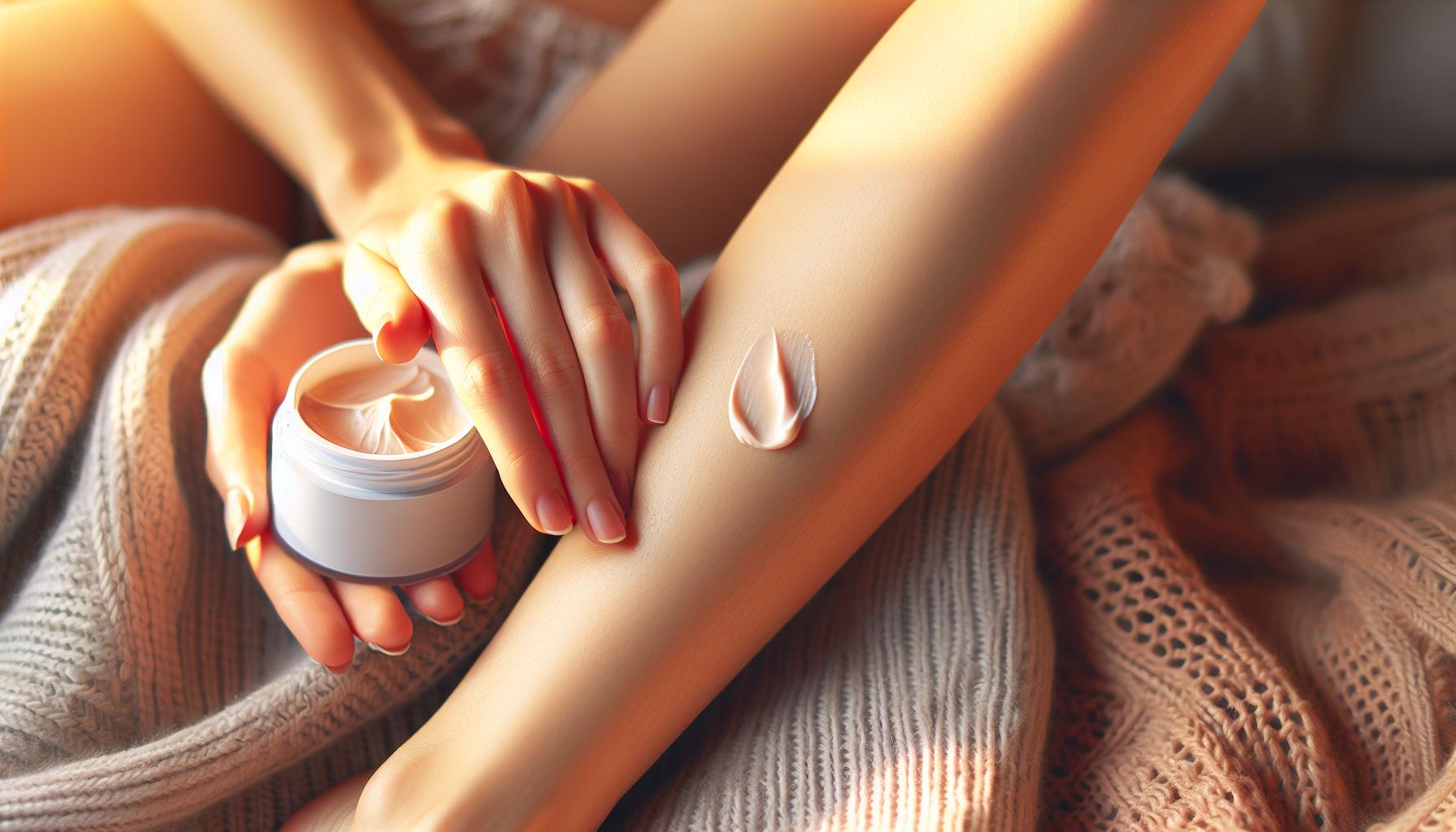
Benefits of Using Arnica for Bruising and Swelling After Birth
Natural Recovery Boost
After the incredible journey of childbirth, many new mothers experience bruising and swelling—common side effects of labor.While these physical marks are a reminder of the strength and endurance required to bring new life into the world, they can also cause discomfort. That’s where arthritic homeopathy comes into play! Arnica is renowned for its ability to reduce bruising and swelling, making it a popular choice among postpartum women seeking natural relief.
How Arnica Works
Arnica contains several active compounds that promote blood circulation and alleviate inflammation. When applied topically or taken orally, it accelerates the body’s healing processes, which is especially significant during the postpartum period. With its anti-inflammatory properties, arnica can significantly reduce pain and tenderness associated with bruises and swelling.
- reduces inflammation: arnica helps to minimize swelling around bruises and other affected areas.
- Speeds up bruise healing: Regular application can accelerate the fading of bruises, allowing mothers to feel more comfortable in their own skin.
- Alleviates soreness: Its analgesic effects can help ease discomfort,making day-to-day activities more enjoyable.
Safe Application tips
When using arnica for postpartum recovery, it’s vital to choose the right form and dosage. Here are some practical guidelines for safely incorporating arnica into your self-care routine:
| Form of Arnica | Usage Guidelines | notes |
|---|---|---|
| topical Cream | Apply a thin layer to affected areas two to three times daily. | Avoid broken skin and do not use on mucous membranes. |
| Granules/tablets | Follow package directions; usually 5-10 granules three times daily. | Consult with a healthcare provider for recommendations. |
before using arnica, it’s essential for mothers to consult with their healthcare providers, especially if they are breastfeeding or have existing health concerns. By integrating arnica safely, mothers can enjoy a smoother recovery, allowing them to focus on what matters most—bonding with their newborns. The benefits of arnica in managing bruising and swelling post-birth ensure that every mother can embark on her new journey feeling as comfortable and confident as possible.
Safe Application Methods: How to Use Arnica Effectively
Implementing safe application methods is essential when using arnica, especially for postpartum care where sensitivity and healing are paramount. Arnica, a well-known herbal remedy, can help alleviate discomfort, reduce swelling, and assist in recovery. Understanding how to apply it correctly can enhance its benefits while minimizing potential risks.
Topical Application Guidelines
The most common way to use arnica is through topical formulations,such as creams,gels,or ointments. these products are designed specifically for external use and can be applied directly to the skin. Here are some key points to consider:
- Clean the area: Before applying arnica, gently cleanse the affected area with mild soap and water to remove any impurities that might hinder absorption.
- Patch test: Conducting a patch test on a small area of skin is crucial, especially for new users. apply a tiny amount of arnica and wait for 24 hours to check for allergic reactions or irritation.
- Apply sparingly: A little goes a long way with arnica. Use a small amount and gently massage it into the skin without applying excessive pressure.
- Frequency: Typically, arnica can be applied three to four times a day. Monitor your body’s response and adjust usage as needed.
Safe Areas for Application
Being mindful of where you apply arnica is critical. Here’s a simple breakdown of safe and unsafe areas:
| Area | Application Safety |
|---|---|
| Muscles and joints | Safe to apply |
| Bruises and swelling | Safe to apply |
| Open wounds or broken skin | Not safe to apply |
| Face and sensitive areas | Use caution, consider dilution or consulting a healthcare professional |
| Pregnant or nursing individuals | Consult a healthcare provider before use |
Storage and Shelf Life
To maintain the effectiveness of arnica preparations, store them in a cool, dry place away from direct sunlight. Always check the expiration date, as using expired products can result in reduced efficacy or unwanted side effects. Incorporating these simple yet crucial application strategies can help ensure that arnica serves as a beneficial tool during your postpartum healing journey.
Navigating Potential Side effects: What New Parents Should Know
Did you know that while Arnica is celebrated for its soothing properties, it can also lead to unwanted side effects if not used correctly? As new parents embrace the myriad changes following childbirth, understanding potential reactions to Arnica is crucial for ensuring a safe and comfortable recovery.
Common Side Effects to Watch For
Using Arnica can be beneficial, but it’s critically important to remain vigilant about possible side effects. Here are some reactions you might encounter:
- Skin Irritation: Some users may experience redness, itching, or rash upon application.
- Allergic Reactions: Though rare, an allergy could manifest through symptoms like swelling, hives, or difficulty breathing.
- digestive Disturbances: Oral forms of Arnica can lead to nausea, vomiting, or diarrhea.
if you notice any of these symptoms, it’s advisable to discontinue use and consult a healthcare professional. Always perform a patch test prior to widespread application to minimize the risk of adverse effects.
Safe Usage Tips for New Parents
With Arnica’s popularity among postpartum recovery remedies,new parents should consider the following practical tips to utilize Arnica safely:
| Tip | Description |
|---|---|
| Choose the Right Form | Opt for topical gels or creams for localized pain rather than oral tablets,which carry a higher risk of side effects. |
| Consult Your Provider | Check with your healthcare provider, especially if you’re breastfeeding or taking other medications. |
| Limit Application | Apply Arnica sparingly and avoid broken skin to prevent increased absorption and potential side effects. |
| Observe Your Reaction | after initial use, closely monitor your body’s response before continuing regular application. |
Incorporating these strategies will help new parents harness the benefits of Arnica while minimizing the risk of side effects, paving the way for a smoother postpartum recovery experience.
Expert Tips for Incorporating arnica into Your Postpartum Care Routine
Integrating Arnica into Your Daily Routine
Arnica is becoming increasingly recognized for its potential to ease discomfort during the postpartum period. With its natural anti-inflammatory properties, many new mothers are turning to this herb to support their recovery journey. To make the most of its benefits, consider these effectively and safely.
- Choose the Right Form: Arnica is available in various forms such as gels, creams, and homeopathic pellets.For bruising and swelling, topical applications are preferable.In contrast, homeopathic arnica can be beneficial for internal healing and pain relief. Always ensure that any topical product is labeled for external use only.
- Timing matters: Applying arnica as soon as bruising occurs can significantly decrease healing time. Incorporate arnica gel into your daily routine, applying it to sore areas post-activity, and after initial care of any injuries or discomfort.
- Patch Test First: Before using arnica on a larger area of your skin, conduct a patch test on a small area to rule out any allergic reactions. If you notice any irritation, discontinue use instantly.
- Consult Your Healthcare Provider: Always consult with your obstetrician or healthcare provider before starting any new treatment during postpartum recovery. They can provide personalized advice based on your medical history and healing progress.
Combining Arnica with Other Care Practices
You can enhance the benefits of arnica by combining it with other holistic care practices. Below is a table summarizing some effective methods:
| Care Practice | Description |
|---|---|
| Massage Therapy | Use arnica gel or cream during gentle massages to soothe muscle tension and promote relaxation. |
| Warm Compress | Combine arnica ointment with a warm compress on sore areas to amplify its soothing effects. |
| Hydration and Rest | ensure you’re staying hydrated and getting adequate rest. Healing is a holistic process,and nutrition plays a vital role. |
By thoughtfully incorporating arnica into your postpartum routine and combining it with other effective care strategies, you can create a supportive surroundings for recovery.This empowers you to comfortably navigate the physical challenges that often accompany new motherhood,allowing you to focus on the joys of bonding with your baby.
Alternatives to Arnica: Exploring Other Natural Remedies for Recovery
When seeking natural remedies for postpartum recovery, many new mothers find themselves exploring options beyond the popular choice of arnica. while arnica is renowned for its anti-inflammatory properties and ability to reduce bruising and swelling, a variety of other effective natural alternatives can aid recovery during this transformative time. These remedies can support healing, relieve discomfort, and contribute to overall wellness.
Popular Natural Alternatives
Consider these natural remedies that may provide similar benefits to arnica without the risks associated with topical use:
- Bromelain: An enzyme derived from pineapples, bromelain is known for its ability to reduce inflammation and speed up the healing process. it can be consumed as a supplement or through fresh pineapple.
- turmeric: This golden spice contains curcumin, which has powerful anti-inflammatory properties. Incorporating turmeric into meals or consuming it as a supplement can be beneficial.
- Ginger: With its natural pain-relieving and anti-inflammatory effects, ginger can be consumed as a tea or added to dishes to help mitigate discomfort.
- Witch Hazel: Often used topically, witch hazel can soothe and reduce inflammation. It is indeed particularly useful for perineal discomfort after childbirth.
- Essential Oils: Oils like lavender and chamomile offer calming effects and can be used for aromatherapy or diluted in a carrier oil for topical application.
choosing the Right Choice for You
The best alternative for postpartum recovery depends on individual preferences and circumstances.Here is a helpful table summarizing key benefits and usage methods to assist you in making an informed choice:
| Natural Remedy | Benefits | Usage |
|---|---|---|
| Bromelain | Reduces swelling; aids in tissue repair | Supplement or fresh pineapple |
| Turmeric | Anti-inflammatory; supports overall healing | Add to meals or take as a supplement |
| Ginger | Pain relief; digestive support | Tea or in cooking |
| Witch Hazel | Soothe varicose veins; reduce perineal discomfort | Topical application |
| essential Oils | Relaxation; pain relief | Aromatherapy or diluted for skin application |
As you navigate postpartum recovery, it’s essential to consult with your healthcare provider, especially if considering supplements or new treatments. By exploring these alternatives, you can empower yourself to find the most suitable natural remedies to complement your healing journey, alongside the insights gained from strategies like “Arnica for Postpartum: Benefits and Safe Usage Tips.”
Real Stories: How Arnica Has Helped Other New Parents
Inspiring Experiences from New Parents
Did you know that many new parents have turned to arnica for relief during the postpartum phase? The journey through recovery can be overwhelming, but these real stories highlight how arnica has made a significant difference for many, easing their transition into parenthood.
Sarah’s Journey: A Soothing Solution
after an unexpected C-section, Sarah felt a wave of doubt wash over her as the doctor outlined her recovery plan. Despite the limitations of a surgical delivery, she discovered arnica through a wellness forum filled with other new moms sharing their experiences. Sarah began using arnica gel to soothe her incision and reduce swelling. She recalls, “Within just a few days, I noticed a marked improvement in my recovery time and discomfort. It became my go-to remedy, and I even recommended it to my sister-in-law who was due shortly after me.”
Tom’s Experience: Finding Comfort
On the other hand, Tom, a new dad, was rather skeptical about using homeopathic remedies at first. Though, after seeing his partner face discomfort following a natural delivery, he decided to give arnica a try based on positive reviews from his parenting group. “we mixed arnica cream into our postnatal care routine,” he notes. “Not only did it help with bruising and soreness, but it also served as a bonding activity for us. Applying it for her made me feel more involved in her recovery.”
How moms Are Incorporating Arnica into Their routine
Many parents have discovered practical ways to integrate arnica into their postpartum care routines, creating an atmosphere of healing and wellness. Here are some of their favorite tips:
- Topical Applications: Using arnica ointment directly on the skin can ease discomfort significantly.
- Bath Soaks: Adding arnica to bathwater provides a soothing experience, perfect for relaxation after a draining day.
- Delegate and Bond: Making arnica part of caregiving routines, with partners helping apply it, builds connection while providing relief.
Additionally, a simple chart can help you understand when and how to use arnica safely during the postpartum period:
| Usage | Recommended Form | Precautions |
|---|---|---|
| Bruising and swelling | Topical gel/cream | Avoid open wounds |
| Muscle soreness | Homeopathic pellets | Consult with a healthcare provider |
| Fatigue and stress relief | Bath soaks | Test for any skin irritations |
These accounts and tips shed light on how arnica can nurture a more gentle postpartum experience, providing much-needed relief as parents navigate this transformative phase.
When to Consult Your Healthcare Provider About arnica Usage
Understanding When to Seek Professional Guidance
Arnica is celebrated for its natural healing properties, particularly in the postpartum period where it can be beneficial for bruising, soreness, and inflammation. However, even natural remedies are not without their considerations.Knowing when to consult your healthcare provider about using arnica is crucial to ensure safety, especially during the delicate postpartum phase.
- Presence of Allergies: If you have a known allergy to plants in the Asteraceae family, which includes daisies, marigolds, and chrysanthemums, it’s essential to discuss the use of arnica with your healthcare provider. Allergic reactions can range from mild irritation to severe anaphylactic responses.
- Current Medications: If you are taking blood thinners or anticoagulants, consulting your healthcare provider is necessary. Arnica has the potential to interact with these medications,increasing the risk of bleeding.
- Underlying Health Conditions: individuals with certain health conditions, particularly those affecting the liver or blood clotting, should seek professional advice before using arnica. these conditions can alter how your body processes the remedy.
- Skin Sensitivity: If you have sensitive skin or are prone to eczema or dermatitis, it’s wise to talk to your healthcare provider. They can definitely help determine the suitability of topical arnica based on your specific skin type.
Evaluating Your Symptoms
In some cases, the severity of your symptoms may warrant a consultation. For instance, if you experience persistent pain or swelling that does not improve with the application of arnica, it’s vital to seek medical advice. A healthcare provider can assess whether there’s a more significant underlying issue that needs to be addressed rather than just treating the symptoms superficially.Practical Steps:
- Keep a list of any other supplements or herbal remedies you are using, as this can aid your healthcare provider in assessing potential interactions.
- Document your symptoms and any changes you observe after using arnica, which can provide valuable information during your consultation.
- Consider discussing arnica with both your obstetrician and a pharmacist, as they can guide you on the best practices while confirming safety.
Ultimately, being proactive about your health and seeking guidance when using arnica can lead to a safer and more effective recovery in the postpartum period. By integrating this herbal remedy into your care regimen responsibly, you can harness its benefits while minimizing risks.
Faq
What is Arnica and how is it used for postpartum recovery?
Arnica is a natural remedy derived from the Arnica montana plant, commonly used for its anti-inflammatory properties. During the postpartum period, it can aid in reducing bruising and swelling, promoting faster recovery.
many new moms explore *Arnica for Postpartum: Benefits and Safe Usage Tips* to manage discomfort linked to childbirth. Its topical applications are popular, especially in creams or gels. Always consult a healthcare professional before starting any new treatment to ensure it’s right for you.
Can I use Arnica if I’m breastfeeding?
Yes, using Arnica topically is generally considered safe for breastfeeding mothers, as it has minimal absorption into the bloodstream. However, it’s crucial to avoid any open wounds or sensitive areas.
For many postpartum women, the *benefits of Arnica* include relief from soreness and reduced inflammation. Always *perform a patch test* first and ensure you’re using a reputable product free from harmful additives. Check out this [link to safe remedies](#) for more options.
Why does Arnica help with postpartum pain?
Arnica helps with postpartum pain primarily due to its anti-inflammatory and analgesic properties. It can reduce swelling,which directly correlates to pain relief.
Many women report feeling better after applying Arnica gel to areas affected by *birthing trauma*, such as bruising or soreness. Its effectiveness in promoting healing makes it a preferred choice for those seeking natural remedies during their postpartum recovery.
How can I safely apply arnica during the postpartum period?
To safely apply Arnica, use a prepared cream or gel on unbroken skin. Apply a thin layer and gently massage it into the area where you feel discomfort.
When exploring *Arnica for Postpartum: Benefits and Safe Usage Tips*,be cautious not to exceed the recommended dosage.Typically, applying it 2-3 times a day is effective. Always wash your hands after application and avoid areas near your eyes or mucous membranes.
What forms of Arnica are available for postpartum use?
Arnica is available in various forms, including gels, creams, ointments, and homeopathic pellets. Each form has its own benefits and applications for postpartum care.
Many mothers prefer topical applications like gels for direct pain relief, while some might opt for homeopathic pellets for systemic support. When considering *Arnica for Postpartum: Benefits and Safe Usage Tips*, choose a formulation that suits your comfort level and needs.
Are there any side effects of using Arnica postpartum?
While Arnica is safe for most users, potential side effects may include skin irritation or allergic reactions, especially in sensitive individuals. Using it as directed minimizes risks.
Always do a patch test before full application. If you experience any adverse reactions, discontinue use immediately. Consulting a healthcare professional can provide tailored advice for your postpartum recovery.
Where can I find Arnica products suitable for postpartum care?
you can find Arnica products in health food stores, pharmacies, or online retailers. Look for reputable brands that specialize in natural remedies.
When selecting a product, read *labels carefully* to ensure it meets safety standards. For more guidance on choosing safe postpartum products, visit this [link to our resources](#) for curated recommendations.
Key Takeaways
As we wrap up our exploration of arnica for postpartum recovery, it’s clear that this natural remedy offers a range of benefits worth considering. From alleviating bruising to soothing sore muscles, arnica can be a supportive ally as you navigate the stunning yet challenging transition into parenthood. Remember, while incorporating arnica into your recovery plan, it’s crucial to follow safe usage tips and consult with your healthcare provider to tailor the approach that best suits your needs.
we encourage you to dive deeper into the world of natural remedies and embrace a holistic journey for your well-being.By staying informed and engaged, you empower yourself to make choices that enhance your family’s health and happiness. Together, let’s explore the various avenues of postpartum care that can help you thrive during this precious time. Your journey is unique, and you deserve all the support on this beautiful path of parenthood.
Get our latest guides, news, and insights highlighted in your Google Search & AI Overviews.

