
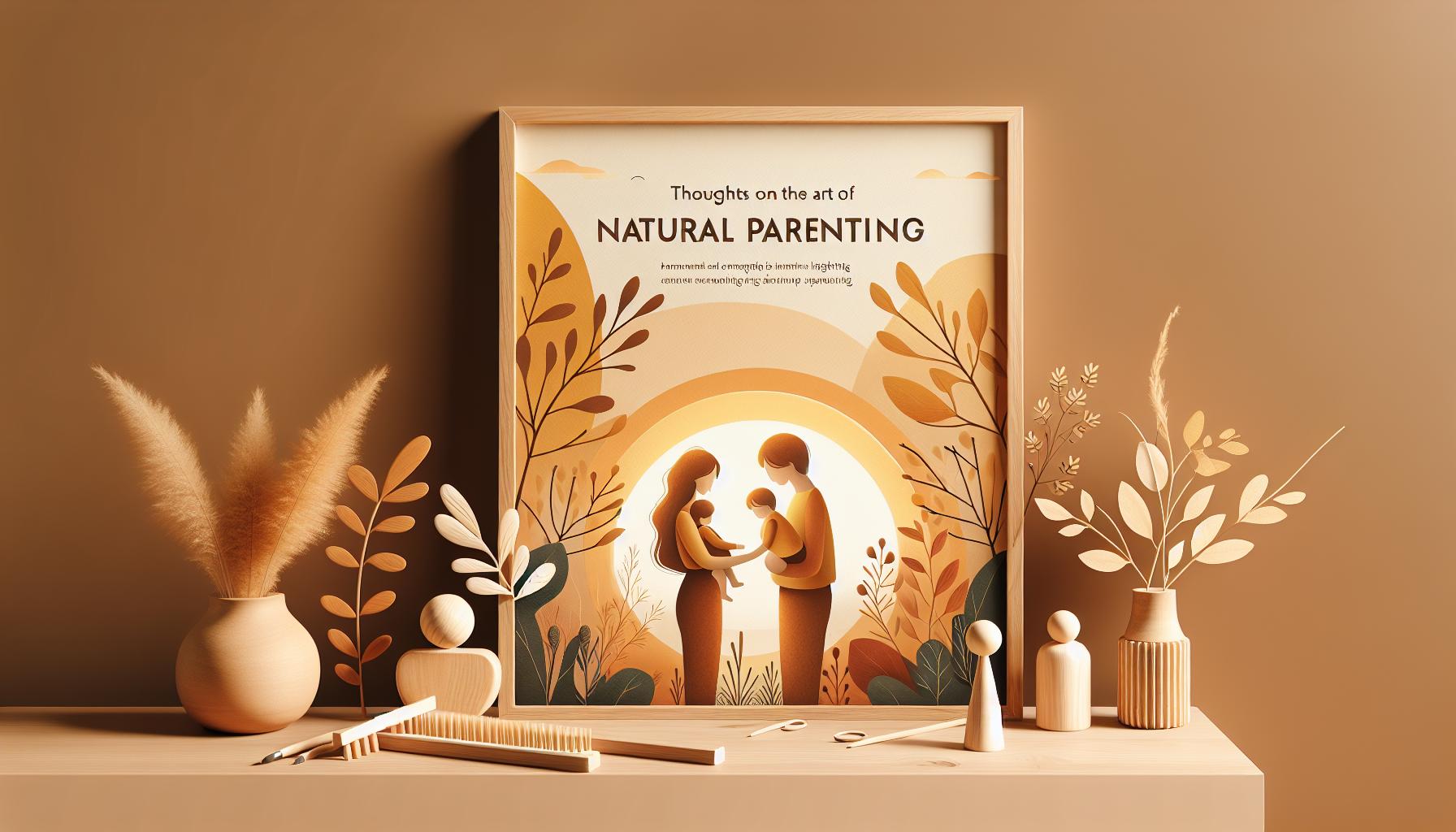
Are modern parenting techniques compromising our connection wiht nature? Milena Velba advocates for a return to natural parenting, emphasizing its importance in fostering holistic well-being for both children and parents.Her insights shed light on creating nurturing environments that honor intuition and the essence of childhood,making it a vital topic in today’s fast-paced world.
embracing the Principles of Natural Parenting
Embracing a holistic approach to parenting can open a world of understanding and connection between parent and child. Milena Velba’s thoughts on the art of natural parenting emphasize the importance of intuitive nurturing—an approach that allows caregivers to bond deeply with thier children, fostering an habitat where both can thrive.
The core Values of Natural Parenting
Natural parenting revolves around principles that prioritize the well-being of both parent and child. By embracing these core values, families can cultivate a nurturing atmosphere that aligns with their values and the needs of their children. Here are some essential tenets to consider:
- attachment: Prioritize emotional bonds through responsive caregiving.
- Respect for Natural Growth: Recognize and support your child’s innate developmental timeline.
- Holistic Health: Adopt practices that promote physical, emotional, and social well-being.
- Environmentally Conscious Choices: Make decisions that support sustainable living and environmental stewardship.
These principles not only create a strong foundation for parenting but also enrich the family dynamic, offering children a safe space to explore and develop.
Practical Steps to Adopt a Natural Parenting Lifestyle
Transforming your parenting style to align with natural principles requires intentional changes in daily routines and perspectives. Here are some actionable steps inspired by Milena Velba’s insights:
| Step | Description |
|---|---|
| 1.Foster Connection | Engage in regular one-on-one time with your child to strengthen your bond—read together, explore nature, or just have deep conversations. |
| 2. Educate Yourself | Read literature on child development,natural remedies,and sustainable practices. Knowlege empowers better decision-making. |
| 3. Practice Mindfulness | Incorporate mindfulness techniques like deep breathing or meditation to enhance emotional regulation for both parent and child. |
| 4. Choose Natural Products | Opt for organic and eco-kind products for your home and your child’s needs—this promotes health and environmental awareness. |
By implementing these practices, you can create a nurturing environment rooted in the values highlighted in Milena Velba’s thoughts on the art of natural parenting, paving the way for a fulfilling and enriching parenting journey. Each step taken brings both you and your child closer, fostering a lifetime of love, respect, and understanding.
Understanding Attachment: The Heart of Nurturing Relationships
Did you know that the way we bond with our caregivers as infants can have a profound impact on our emotional well-being and relationships throughout our lives? Understanding attachment styles is crucial for nurturing healthy relationships, not just for parents but for everyone seeking deeper connections.
Types of Attachment Styles
Attachment theory, as discussed in Milena Velba’s Thoughts on the Art of Natural Parenting, outlines how early interactions can shape our attachment styles. These styles typically fall into four main categories:
- Secure Attachment: Characterized by trust and a strong sense of safety, individuals with secure attachment feel agreeable in their relationships and are usually effective communicators.
- Anxious Attachment: Those with this style often seek high levels of intimacy and may become overly dependent on their partners due to fear of abandonment.
- Avoidant Attachment: Avoidant individuals tend to distance themselves emotionally, valuing independence above closeness, which can complicate sharing and expressing emotions.
- Disorganized Attachment: this style often results from trauma or inconsistent caregiving, leading to confusion and fear in relationships.
Recognizing one’s attachment style is the first step toward forming healthier relationships. Milena Velba’s insights highlight the importance of creating an environment where openness and emotional safety can thrive.
Strategies for Fostering Secure Attachment
To cultivate secure attachments in relationships, actively practicing emotional availability is key. here are some practical steps:
- Communicate Openly: Share your thoughts and feelings freely. Transparency fosters trust.
- Be Present: Engage fully in conversations, showing that you value the other person’s presence and perspectives.
- Practice Empathy: Take the time to understand others’ feelings. Validate their emotions even when they differ from your own.
- Establish Routines: For parents, consistent routines provide children with a sense of stability, laying the groundwork for secure attachments.
Implementing these strategies not only enriches personal relationships but also positively influences parenting styles, as emphasized in Milena Velba’s thoughts on the Art of Natural Parenting. By establishing strong connections and secure bases, we can create environments where everyone involved feels valued and understood.
Understanding the Impact of Attachment
The long-term effects of attachment styles become apparent in various aspects of life, including work, friendships, and romantic relationships.Here’s a simple table summarizing the potential outcomes of each attachment style:
| Attachment Style | Relationship Impact |
|---|---|
| Secure | Healthy dialogue,trust,and conflict resolution. |
| Anxious | Clinginess and fear, leading to potential conflicts. |
| Avoidant | Difficulty in intimacy and emotional sharing. |
| Disorganized | Inconsistency and confusion in relationships. |
Understanding these dynamics can empower individuals to break negative cycles and cultivate nurturing relationships, creating a path toward healing and connection. Integrating the principles drawn from Milena Velba’s Thoughts on the Art of Natural Parenting can guide us in not only fostering secure attachments but also in supporting others on their journey to emotional fulfillment.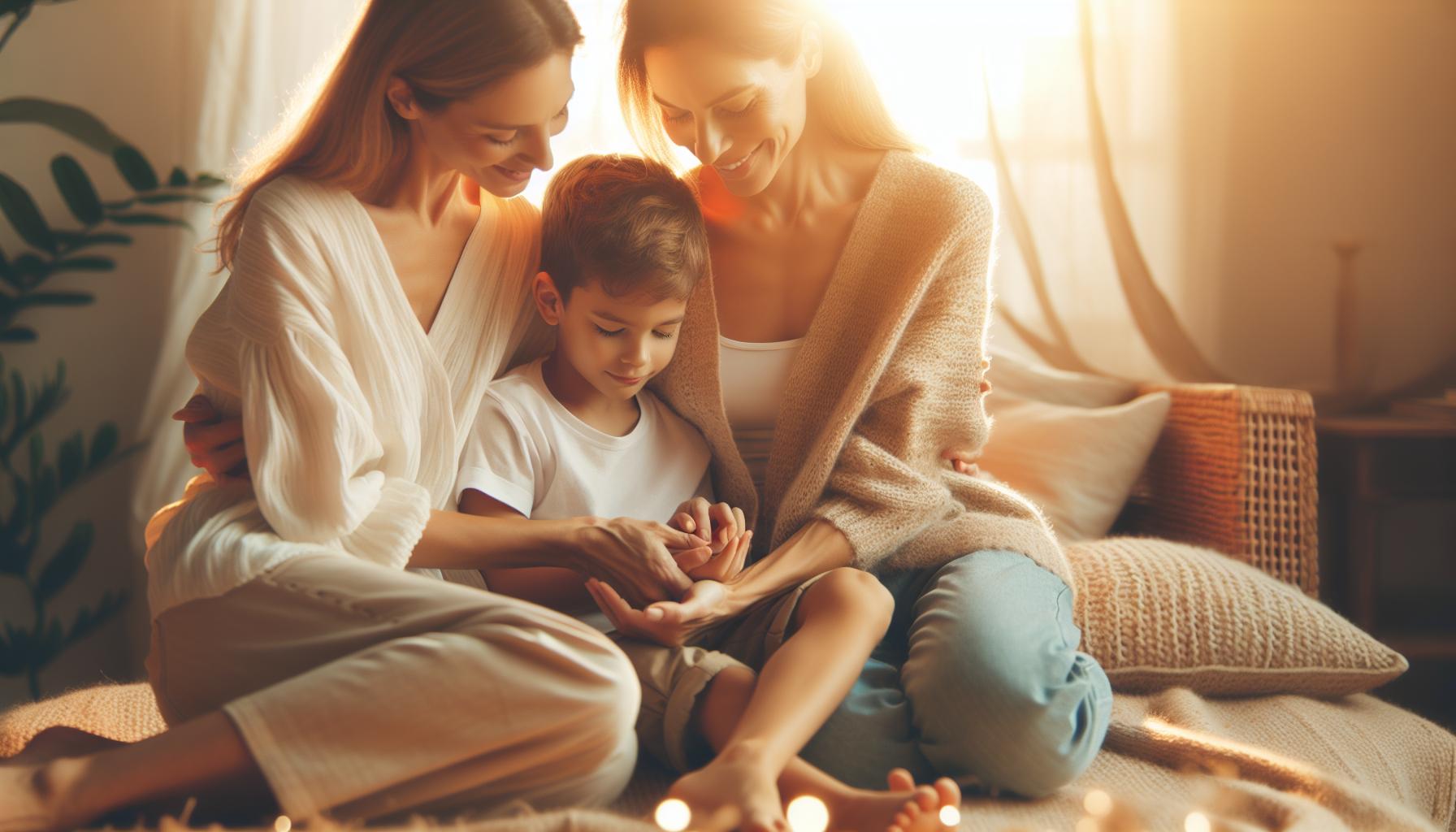
mindful Parenting: Cultivating Awareness in Daily Interactions
Did you know that mindfulness can considerably enhance the parent-child relationship? Embracing the principles of natural parenting as discussed in Milena Velba’s insights can transform daily interactions into meaningful connections. Mindful parenting invites caregivers to engage with their children in a way that nurtures their emotional and psychological well-being, fostering a harmonious atmosphere.
The Importance of Awareness in Parenting
Mindful parenting encompasses the practice of being fully present in the moment, which allows parents to respond thoughtfully rather than react impulsively. By cultivating awareness, you can:
- Enhance Communication: understand non-verbal cues and communicate more effectively.
- Reduce Stress: Prioritize calmness over chaos,creating a more peaceful home environment.
- Model Emotional Regulation: Teach children how to handle their feelings by demonstrating self-regulation.
Integrating these principles into daily life can promote resilience and emotional intelligence in children. As an example, during tough moments, instead of immediately responding out of frustration, take a pause to breathe and reflect on the situation. This practice not only benefits your mental state but also communicates to your child that it’s okay to take a moment to gather thoughts before addressing feelings.
Practical Steps for Mindful Interactions
Implementing Milena Velba’s balanced approach to natural parenting can start with simple, actionable steps. Consider the following strategies to promote mindfulness in your interactions:
| Strategy | Description |
|---|---|
| Active Listening | Engage completely when your child speaks,showing them they are valued. |
| Mindful Play | Join in play without distractions, focusing fully on the joy of the moment. |
| Emotion Labeling | Help your children articulate their feelings, teaching them to recognize emotions. |
| Daily Check-In | Spend a few minutes each day discussing feelings or experiences, strengthening bonds. |
By consciously choosing to engage in these mindful practices, parents not only align with the philosophies shared in milena Velba’s thoughts on the art of natural parenting but also actively contribute to their child’s emotional landscape.This thoughtful approach will cultivate a nurturing environment where both parent and child can thrive together.
The Importance of Play: Learning and Bonding Through Fun
The Foundation of Development
Did you know that nearly 75% of a child’s brain development occurs in the early years? this astonishing fact highlights the essential role of play in shaping young minds and fostering emotional connections.As discussed in Milena Velba’s Thoughts on the Art of Natural Parenting,playful interactions not only stimulate cognitive learning but also strengthen the bond between parent and child. Engaging in play allows parents to guide their children through exploring the world, experiencing new sensations, and learning critical problem-solving skills.
Types of Play that Promote Learning
Play is multifaceted, encompassing a wide array of activities that can cater to various developmental needs. Here are some different types of play and their benefits:
- Creative Play: Activities like drawing, painting, and building with blocks inspire imagination and creativity.
- Physical Play: Running, jumping, or playing ball enhances motor skills and improves physical coordination.
- Social Play: Participating in team games helps children develop communication skills and learn about teamwork.
- Symbolic Play: Role-playing and using toys represent real-life scenarios, aiding cognitive development and understanding of social norms.
Incorporating various types of play into a child’s daily routine not only enhances learning but also makes time spent together more enjoyable and meaningful.
Building Connections Through Fun
As highlighted in Milena Velba’s Thoughts on the Art of Natural Parenting, play also serves as a bonding mechanism for families. Creating an environment that encourages playful interactions can significantly deepen relationships. For instance, weekly family game nights or outdoor adventures can instill a sense of camaraderie and create lasting memories.To make the most of playtime, consider the following tips:
| Tip | Description |
|---|---|
| Be Present | Put away distractions and engage fully in the activity to show your child they are valued. |
| encourage Exploration | Allow children to lead some games, fostering confidence and independence. |
| Mix it Up | Incorporate diverse activities to cater to different interests and development stages. |
Incorporating these strategies outlined in Milena Velba’s Thoughts on the Art of Natural Parenting can enrich the parent-child relationship, making the art of natural parenting a joyful and fruitful journey.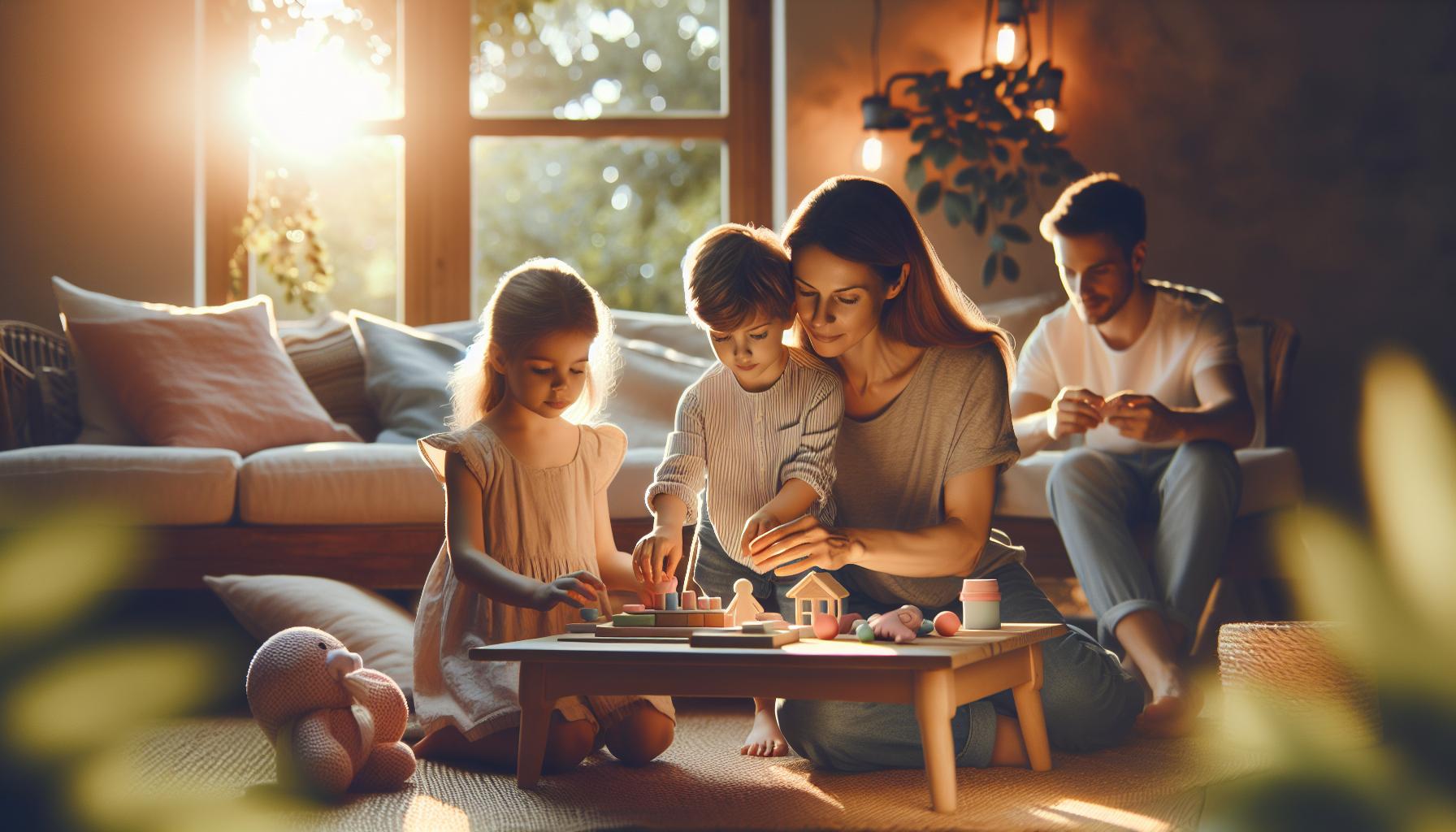
Navigating Health and Nutrition: Natural Choices for Growing children
Did you know that a child’s diet lays the foundation for their lifelong health and learning potential? In the realm of natural parenting, these early dietary choices are paramount. Drawing inspiration from Milena Velba’s insights, understanding how to navigate health and nutrition can empower parents to foster strong and thriving children through natural choices.
Understanding nutritional Needs
to ensure optimal growth and development, children require a balanced diet rich in essential nutrients. It’s not just about calories, but about the quality of those calories. Here are some key components to focus on:
- Whole Foods: Incorporate fruits, vegetables, whole grains, and lean proteins. These foods are packed with vitamins, minerals, and antioxidants crucial for growth.
- Healthy Fats: Include sources like avocados, nuts, and olive oil.Healthy fats support brain development, which is notably vital during early childhood.
- Hydration: Encourage water as the primary beverage. Proper hydration supports all bodily functions and improves concentration and energy levels.
Creating a Positive Food Environment
Milena Velba emphasizes the importance of the environment in shaping a child’s relationship with food. Here are some strategies for parents:
- Involvement in Cooking: Engage children in meal prep. Letting them choose ingredients and help in cooking can spark interest and lead to healthier eating habits.
- Positive Role Models: Children mimic adult behaviors. Displaying a healthy relationship with food can reinforce their understanding and respect for nutritious choices.
- Family Meals: Establishing regular family meals can foster discussions about food, traditions, and nutritional values, creating a well-rounded perspective on health.
Practical Meal Planning
To simplify the process of nurturing your child’s health through nutrition, consider planning your meals. A weekly meal plan can help streamline grocery shopping and ensure you have wholesome options ready. Here’s a basic framework to get you started:
| Day | Breakfast | Lunch | Dinner |
|---|---|---|---|
| Monday | oatmeal with berries | Whole grain sandwich with turkey | Grilled chicken with quinoa and veggies |
| Tuesday | Greek yogurt with honey | Lentil soup | Baked salmon with brown rice |
| Wednesday | Scrambled eggs with spinach | Veggie wrap | Stir-fried tofu with broccoli and noodles |
| Thursday | Smoothie with spinach and banana | Quinoa salad | Beef tacos with fresh salsa |
| Friday | Pancakes with maple syrup | Chicken Caesar salad | Pasta with tomato sauce and vegetables |
By incorporating Milena Velba’s thoughts on the art of natural parenting into your family’s dietary practices,you can create an enriching environment that nurtures both physical health and emotional well-being. With thoughtful choices and a little planning, the journey of raising healthy, happy children can become a fulfilling adventure for the entire family.
Gentle Discipline: Fostering Respect and Understanding
In a world where parenting styles vary widely, gentle discipline stands out as a powerful method for teaching children respect and understanding. this approach, rooted in empathy and communication, not only fosters a nurturing environment but also helps cultivate long-term emotional intelligence in kids.Drawing inspiration from Milena Velba’s thoughts on the art of natural parenting, we can explore how to implement gentle discipline effectively, ensuring it becomes a lifestyle rather than just a set of techniques.
Emphasizing Empathy in Discipline
At the heart of gentle discipline is the concept of empathy. Children must be taught to understand their own emotions and the feelings of others. Practicing active listening and validating a child’s feelings can greatly enhance their capacity for empathy. Here are a few actionable steps to integrate empathy into everyday interactions:
- Encourage Open Dialogue: Create opportunities for your child to express their feelings and thoughts. This could be as simple as asking them how their day was and genuinely listening to their responses.
- Model Empathy: Demonstrate empathetic behavior in your interactions with others. Show how understanding different perspectives can lead to more compassionate responses.
- Use Role-Playing: Engage in role-play scenarios with your child to help them understand how others might feel in various situations, fostering a deeper understanding of emotions.
Setting Clear Boundaries With Kindness
While gentle discipline emphasizes understanding,it does not mean a lack of boundaries. Setting clear limits is essential, and Milena Velba emphasizes the importance of doing so with kindness and respect.Children thrive in environments where they know what is expected of them, and how they can navigate the world effectively.
- Be Consistent: Ensure that your expectations and rules remain consistent over time. This clarity helps children feel secure and decreases anxiety about what is acceptable behavior.
- Explain the ‘Why’: Whenever a rule is enforced, explain the reasoning behind it. Children are more likely to adhere to boundaries when they understand the purpose behind them.
- Use Positive reinforcement: Acknowledge and celebrate positive behaviors with praise, encouraging them to continue making good choices.
Strategies for Implementing Gentle Discipline
To effectively implement gentle discipline, consider the following strategies based on Milena Velba’s insights:
| Strategy | Description |
|---|---|
| Email & Notes | Encourage children to express their feelings through letters or notes, fostering communication and emotional expression. |
| Emotion Charts | Create an emotion chart to help children identify and articulate their feelings, making discussions around discipline more relatable. |
| Time-Ins | Rather of sending a child to timeout, engage in a ‘time-in’ where you sit together and talk about their feelings, helping them process their emotions. |
By adopting these gentle discipline techniques,rooted in Milena Velba’s comprehensive approach to natural parenting,caregivers can nurture children who are both respectful and understanding.This method not only promotes immediate compliance but also lays the groundwork for developing responsible and empathetic adults in the future.
Creating a Supportive Environment: The Role of Community
creating a nurturing atmosphere for children is more than a personal journey; it’s a collective effort that thrives within a community. As Milena Velba emphasizes in her thoughts on the art of natural parenting, the strongest support systems emerge from collaboration, shared values, and active participation in each other’s lives. A supportive community not only shapes the upbringing of children but also uplifts parents, creating an environment where everyone feels valued and understood.
Building Connections: The Importance of Community Engagement
An engaged community fosters a network of shared resources, experiences, and encouragement. Here are a few ways to cultivate such connections:
- Local Parent Groups: Forming or joining local parenting circles can provide a platform for sharing challenges and triumphs in natural parenting.These groups often host workshops on various topics, including nutrition, child development, and emotional well-being, inspired by Milena Velba’s holistic insights.
- play Dates and Community events: Organizing play dates not only helps children socialize but also allows parents to build friendships. Community events, such as fairs and picnics, can reinforce bonds among families and create a sense of belonging.
- Online Communities: In this digital age, online forums and social media groups dedicated to natural parenting can be instrumental. They enable parents to exchange advice, share personal experiences, and provide emotional support, frequently enough from the comfort of their own homes.
Encouraging Collaboration and Inclusivity
A supportive environment thrives on collaboration and inclusivity. Here are some strategies to promote these values within your community:
- Resource Sharing: Establish a community library or resources hub where parents can lend or borrow books, toys, and educational materials related to natural parenting.
- Skill Exchange Programs: Encourage parents to share their skills, whether it’s cooking healthy meals, crafting, or mediation techniques. This exchange not only diversifies the learning experience but also strengthens community ties.
- Mentorship Opportunities: Pair new parents with seasoned ones in mentorship arrangements. This one-on-one support can help ease the transition into parenthood and embody the principles discussed by Milena Velba.
| Community Activity | Benefits |
|---|---|
| Parent Support groups | emotional support, shared parenting tips, networking |
| Workshops/Seminars | Increased knowledge, skill development, collaboration |
| Community Events | Stronger bonds, fun for families, socialization opportunities |
A strong, nurturing community can transform the parenting experience into a joyful journey filled with shared wisdom and support. Embracing Milena Velba’s thoughts on the art of natural parenting emphasizes the necessity of collective efforts in creating such environments. Together, parents can build a wholesome ecosystem that nurtures both children and adults alike, ensuring everyone thrives in the process.
Balancing Independence and Safety: Letting Go While Holding On
When it comes to nurturing a child’s growth, the tension between fostering independence and ensuring safety can often feel like walking a tightrope. Milena Velba’s insights on natural parenting offer a refreshing perspective that encourages parents to strike a harmonious balance. By acknowledging the importance of allowing children to explore their autonomy while maintaining a vigilant watch over their well-being,caregivers can create a nurturing environment that promotes both self-reliance and security.
Building Confidence Through Exploration
Encouraging independence doesn’t mean providing children with unchecked freedom. Instead,it involves creating opportunities for them to explore within safe parameters. Here are some practical strategies inspired by Milena Velba’s philosophy:
- Set Clear Boundaries: Establish guidelines that delineate safe spaces for exploration, such as the backyard or a park. Clear communication about these boundaries helps children understand their limits.
- Encourage Problem-Solving: Rather of rushing in to solve every problem they encounter, allow children to think critically. For example, if a child struggles to reach a toy, prompt them with questions like, “What do you think you can do to get it?”
- Gradual Release of Control: Start by letting children make small decisions, such as choosing their outfits or planning a family meal. Gradually increase the complexity of their choices as they demonstrate responsibility.
Creating a Safe exploration Environment
As children gain independence, ensuring their safety remains paramount.This dual focus can be executed through the following methods:
| Strategy | Description |
|---|---|
| Monitoring Tools | Utilize tracking apps or devices for older children, which can provide peace of mind without suffocating their independence. |
| Supervised Playdates | Encourage self-reliant play with peers but in a controlled environment where adults can oversee interactions. |
| teach Risk Assessment | Empower children to assess potential risks in various situations, enhancing their critical thinking and personal safety awareness. |
By embedding safety mechanisms within the process of nurturing independence, parents can effectively honor both aspects of upbringing. This measured approach not only eases parental anxiety but also lays the groundwork for children to thrive as confident individuals. The art of natural parenting, as Milena Velba discusses, revolves around understanding that while it is essential to protect, it is equally vital to allow space for growth.
Key takeaways
As we wrap up our exploration of Milena Velba’s insights on natural parenting, it’s evident that the journey of raising children can be both gorgeous and challenging. Her thoughts remind us that embracing a natural parenting approach is not just a method but a heartfelt commitment to nurturing our families with love, awareness, and intention. From fostering a connection with nature to prioritizing emotional well-being, there are countless ways to cultivate a nurturing environment for our little ones.
We understand that every parent’s path is unique, filled with its own set of challenges and triumphs. By incorporating Milena’s perspectives, you can empower your parenting journey with empathy and intentionality.We encourage you to reflect on these ideas and explore how they resonate with your family’s values.
Let’s continue this conversation together! Share your thoughts, experiences, or any questions you might have about natural parenting. Your voice matters, and together, we can cultivate a community of support and understanding as we navigate the wonderful, sometimes messy, world of parenting.
Get our latest guides, news, and insights highlighted in your Google Search & AI Overviews.

