
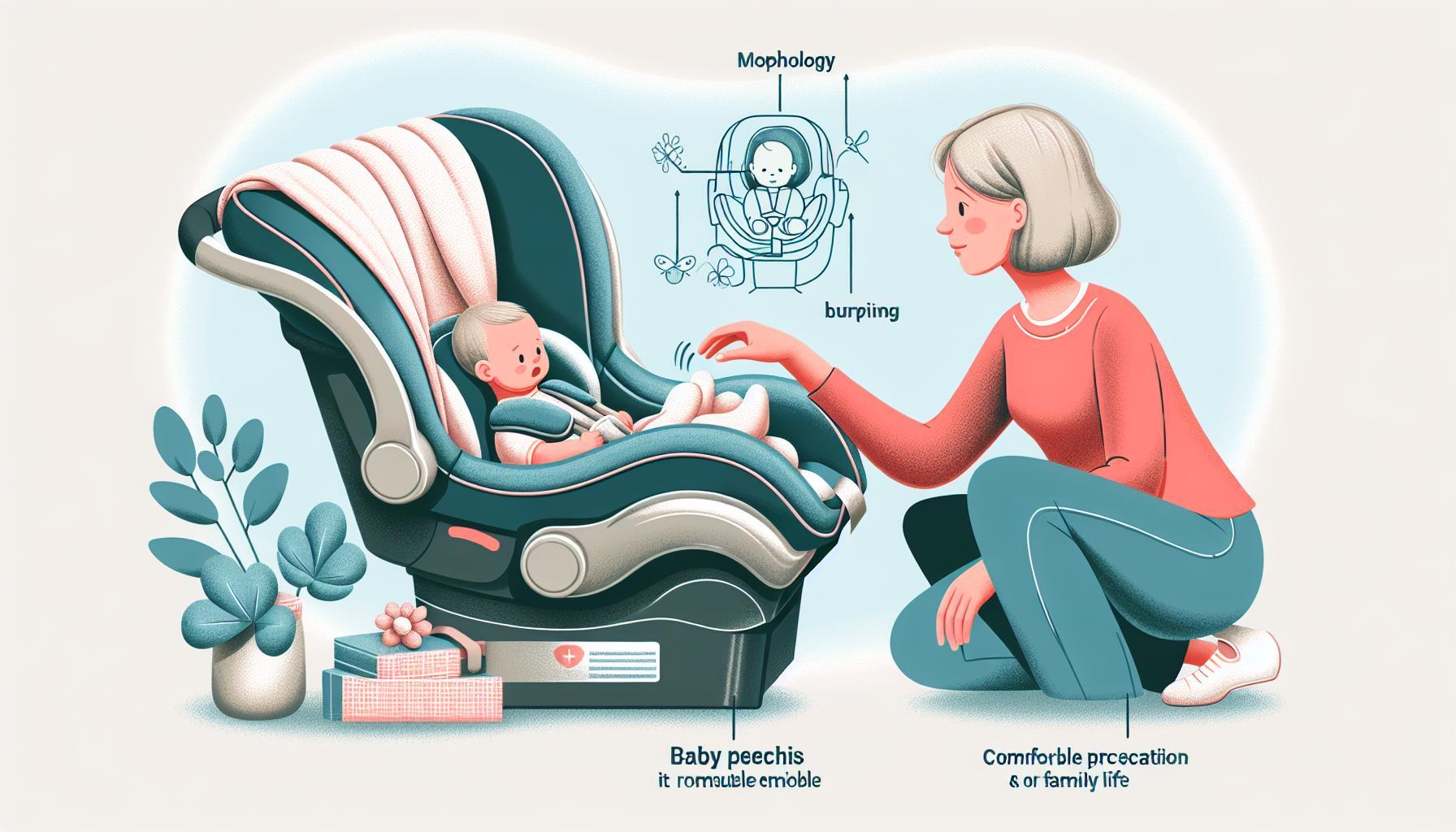
Dealing with a gassy baby in a car seat can quickly turn a pleasant trip into a challenging ordeal. Knowing how to effectively burp your little one while strapped in is crucial for their comfort and your peace of mind.Discover simple techniques that ensure both safety and relief during your travels.
understanding Why Burping is Important for Your Baby
Burping is more than just a cute noise; it’s an essential part of ensuring your baby’s comfort and well-being. When infants feed, they often swallow air along with milk, leading to discomfort and potential crying sessions that can disrupt their peaceful slumber.Understanding the importance of this simple yet vital act can make a significant difference in your parenting journey.
The Role of Burping in Infant Digestion
Burping helps release the air trapped in your baby’s stomach, which can alleviate any discomfort caused by gas. This is especially critically important for babies who are feeding in positions where natural burping might potentially be hindered, such as in a car seat. Failing to burp your baby can lead to:
- Gassiness: Air trapped in the stomach can cause bloating and discomfort.
- Spit-up: Excess gas can lead to a forceful release of milk.
- Restlessness: A gassy stomach can make it hard for babies to settle down.
Effective Techniques for Burping in a Car Seat
Using the right techniques can ensure your baby feels relaxed and agreeable during and after feeding. Here are some effective strategies:
- Gentle Patting: While they are seated, gently pat their back in an upward motion.
- Leaning Forward: Slightly tilt their upper body forward while supporting their head. This can help the air rise more easily.
recognizing Signs of Discomfort
Just like you would be attentive to signs of discomfort in an adult, paying attention to your baby can provide clues about their need to burp. Look for:
- Fidgeting: If your baby starts squirming in the car seat, it may indicate trapped gas.
- Crying or Fussing: If previously content, a sudden change in behavior during or after feeding can signal discomfort.
| Signs of Gas Discomfort | Burping Techniques |
|---|---|
| Fidgeting | Gentle patting |
| Crying | Leaning forward |
| Spitting up | Position adjustment |
By understanding the significance of burping and employing simple techniques like these, you can enhance your baby’s comfort and your peace of mind while traveling. Making burping a priority, even in a car seat, can transform potentially uncomfortable rides into smooth journeys. Regularly practicing these methods will not only address your baby’s eating habits but will significantly improve their overall feeding experience.

Best Practices for Safely Burping a Baby in a Car Seat
When it comes to ensuring your little one is comfortable during car rides, knowing how to properly burp your baby while they’re safely secured in their car seat can make a significant difference. babies often swallow air while feeding, leading to discomfort that can turn a peaceful drive into a challenging ordeal. Understanding the best practices for burping a baby in a car seat allows you to keep your child calm and content, ensuring a smoother journey for both of you.
Use the Right Positioning
The first step in effective burping while your baby is in a car seat is to ensure they are in the correct seated position. While car seats are designed to support your child’s body,slight adjustments can definitely help. A parent can try the following:
- Loosen harness straps: Ensure the harness is not too tight, allowing you to shift the baby slightly without compromising safety.
- Angle adjustment: If your car seat allows,adjust the angle slightly to a more upright position,promoting air expulsion while keeping the baby properly secured.
Gentle Techniques for Burping
Once your confident that your baby is in a comfortable and safe position, choose one of the gentle burping techniques to help release that trapped air. Here are three recommended methods that are effective even in a car seat:
| Technique | Description |
|---|---|
| Patting | Gently pat the baby’s back in a rhythmic motion. Start at the lower back and move upwards.This can feel soothing while helping to release gas. |
| Rubbing | In a slow circular motion, rub the baby’s back while maintaining a light grip. This method is not only effective but can also be comforting for the baby. |
| Leaning Forward | While keeping the baby secured in the seat, lean them slightly forward using your hand beneath their chin to support their head. Light pats can help release gas. |
Timing Is Key
Knowing when to burp your baby during a car ride is equally crucial.If your little one begins to show signs of discomfort—such as fussiness or squirming—initiate a burping session. After feeding is also an optimal time; waiting until you reach your destination can leave your baby unsettled and in need of attention.
By incorporating these best practices for burping your baby while they are safely secured in their car seat, you can navigate your journeys with ease, ensuring a peaceful experience for both you and your child. Remember that every baby is unique; what works for one might not work for another, so remain patient and flexible in your approach.
Techniques to Help Your Baby Release Gas Comfortably
Giving your newborn the comfort they need to release gas can feel like a delicate art. Understanding simple yet effective techniques can make a significant difference in your baby’s comfort levels and overall well-being. Being informed about these methods not only enhances your experience but also ensures your little one feels at ease, especially when traveling in a car seat.
Gentle Movements and Positions
Certain positions can aid in releasing trapped gas, providing relief to your baby. Here are some recommended techniques:
- Cradling Position: Hold your baby upright against your chest with their head slightly above your shoulder. This position can definitely help alleviate pressure on the stomach.
- Lap Technique: Gently place your baby face down across your lap while supporting their head and neck.This method can stimulate the tummy and encourage gas to move out.
- Knees-to-Chest: While lying on their back,gently bring your baby’s knees up towards their chest. Hold for a few seconds to help release any gas.
Rhythmic Patting and Massage
Using rhythmic movements can soothe your baby and help them pass gas. Some effective techniques include:
- Patting Method: Softly pat your baby’s back while in an upright position, similar to the technique for burping after a feed.
- Stomach Massage: With your baby lying on their back, gently massage their tummy in a circular motion using your fingertips. A clock-wise direction is often recommended as it follows the natural direction of digestion.
Timing is Key
Knowing the right moments to apply these techniques can greatly influence effectiveness. Aim to offer assistance:
- Post-Feed: practicing burping techniques right after feeding can prevent gas from building up.
- During Long Trips: Regular breaks during travel can afford moments to relieve gas discomfort. Pull over safely to apply gentle movements and soothing techniques.
| Technique | Description | Ideal Timing |
|---|---|---|
| Cradling Position | Hold your baby upright against your chest. | Post-feeding or when the baby seems uncomfortable. |
| Lap Technique | Lay baby tummy down on your lap while supporting the head. | During travel breaks. |
| Knees-to-Chest | Bring knees up to the chest while lying on their back. | When the baby shows signs of discomfort. |
By combining these effective strategies on how to burp a baby in a car seat, you can enhance your baby’s comfort and ensure they have a peaceful traveling experience.

Signs that Your Baby Needs to Be Burped
Did you know that a baby can sometimes get frustrated simply as they need to burp? Recognizing the signs that your little one is in need of a good burp can not only enhance their comfort but also make your parenting journey smoother, especially when dealing with the unique challenges of a car seat.
Behavioral Signs of Discomfort
It’s crucial to watch your baby for specific cues that suggest they might need to be burped. Here are some common behaviors that can signal the need for relief from gas:
- Crying or Fussiness: If your baby suddenly becomes fussy or starts crying, it might indicate discomfort from trapped gas.
- Clenching Fists: Babies often clench their fists when they’re in discomfort,which can be a clue that gas is building up.
- Arching Back: An arched back can signify that your baby is feeling bloated and is urging for a burp to relieve the pressure.
- Pulling legs Up: If your baby starts to pull their knees towards their chest, it’s a classic sign that they could benefit from a good burp.
Physical Signs to Watch For
In addition to behavioral indicators, ther are also physical signs that might suggest your baby is in need of a burp. Monitoring these signs can help you respond quickly and efficiently, ensuring your child remains comfortable, even when contained in a car seat.
| Physical Sign | Description |
|---|---|
| Excessive Hiccups | Hiccups can often accompany air swallowing and may indicate trapped gas. |
| Belching | if your baby is already belching more than usual, they might need to be burped again. |
| Loose Stools | Infrequently, digestive issues tied to gas could manifest as changes in stool consistency. |
Learning to interpret these signals can be immensely beneficial when figuring out how to burp a baby in a car seat.Not only will it help keep your baby comfortable, but it also paves the way for more peaceful car rides. Always remember that a happy baby leads to a happy parent!
Expert Tips for Making Burping a Breeze in the Car
Traveling with a baby can be a delightful adventure, but it also poses unique challenges, especially when it comes to keeping your little one comfortable. Did you know that many parents struggle with the logistics of burping a baby while they are securely strapped in their car seat? Knowing effective techniques can make this task simpler and less stressful, ensuring that both you and your baby can enjoy the journey ahead.
Utilize the Right Position
The key to successfully burping a baby in a car seat is positioning. Even though car seats restrict movement, you can still create opportunities to burp your child without removing them from safety. Try leaning the car seat back slightly while keeping the baby stable. This angle can definitely help gravity assist in gently coaxing the air bubbles out of their stomach. Additionally, resting your hand on the baby’s chest and supporting their head can give a sense of security.
Gentle Techniques for Effective Burping
Here are some simple techniques to make burping in a car seat more efficient:
- Patting: Use a soft but firm patting motion on the baby’s back. This rhythmic action can help release trapped air without jostling the baby too much.
- Rub and circle: Instead of directly patting,try rubbing the back in circular motions.this can be soothing for the baby and might be more effective if the little one is restless.
- Swaying: A gentle sway from side to side while you’re seated in the passenger seat can sometimes prompt a burp as well. movement often helps digestion.
Timing is crucial
Understanding when to burp is just as important as how to do it.Here’s how timing plays a role in effective burping:
| Situation | When to Burp |
|---|---|
| During feeds | Burp every 2-3 ounces of milk |
| After feeds | Immediately after feeding before securing in the car seat |
| On the road | Every 30-45 minutes if baby seems uncomfortable |
By paying attention to your baby’s cues,you will become adept at timing these burps optimally,which can greatly enhance their comfort during travel.
Common Mistakes to Avoid When Burping in a Car Seat
Did you know that improper burping techniques can lead to discomfort for your baby, especially when they’re secured in a car seat? When you’re on the go, it’s essential to ensure your baby is comfortable and free from gas, but there are common pitfalls that can make this task more challenging than necessary. Here are some mistakes to watch out for in order to effectively burp your baby in a car seat.
Overlooking the Car Seat Position
One common mistake is neglecting the angle of the car seat. Most car seats are designed to help keep infants safe and secure, but this can also affect their ability to burp efficiently. Always check to make sure that the seat is reclined appropriately for your baby’s age. For younger infants, a slight recline is beneficial as it helps gravity assist in moving gas up towards the mouth.
- Too Upright: If the seat is too upright, gas may become trapped, making it harder for your baby to burp.
- Too Reclined: on the other hand, a seat that is too reclined can lead to difficulty in achieving the necessary posture for effective burping.
Inadequate support
Another frequent oversight is not providing adequate support while attempting to burp the baby. Given that car seats have limited mobility,you might find it challenging to position your baby correctly. ensure that you are holding them securely so that their head and neck are well supported during the burping process.
How to Avoid This Mistake:
– Gently place one hand under their chin and the other on their back to maintain support.
– This pent-up gas can lead to fussiness, so you should also be patient and give them a few extra moments if needed.
Skipping techniques
Many caregivers resort to conventional burping methods, but specific techniques work better in a car seat setting. Relying solely on a basic pat can miss the mark. Rather, try the following approaches:
| Technique | Description |
|---|---|
| Gentle Bouncing | While supporting the baby’s back, gently bounce them up and down for a minute or two. |
| Side Leaning | Lean the car seat slightly towards you while keeping a firm grip on the baby to change the angle of their stomach. |
| Slow Circular Motions | Using one hand, make slow, circular motions on the baby’s back to help release trapped gas. |
To ensure a smooth journey, it’s crucial to refine your approach when burping your baby in a car seat. By avoiding these common mistakes, you can definitely help make the experience much more comfortable for your little one, setting the stage for a fuss-free car ride.
Creating a Calm Environment for Burping on the Go
Creating a soothing atmosphere plays a vital role in successfully burping a baby, especially when you’re on the go. babies are sensitive to their surroundings, and a calm environment can significantly aid the burping process and minimize discomfort. Anxiety or distractions can inhibit a baby from allowing air to escape, making it essential to create an ambiance where they feel safe and relaxed.
Tips for Establishing a Calm Car Environment
When you’re in the car,your surroundings can be unpredictable. Here are some actionable strategies to foster a tranquil atmosphere conducive to burping:
- Use Soft Background Music: Gentle lullabies or soft instrumental music can definitely help soothe your baby. The rhythmic sounds may remind them of the womb, enhancing their comfort.
- Maintain a Comfortable Temperature: Ensure that the car’s climate is neither too hot nor too cold. A comfortable temperature will help your baby relax, making the burping process smoother.
- Avoid Overstimulation: Limit luminous lights and loud noises. Consider using window shades to reduce glare and help the baby focus on calming stimuli.
- Plan Your Stops: If you are on a longer journey, try to plan regular stops to nurse, change, and burp the baby. Taking breaks can reduce anxiety for both the parent and child.
Engaging Techniques to Promote Relaxation
In addition to visual and auditory relaxation strategies, incorporating some physical techniques can definitely help:
| Technique | Description |
|---|---|
| Gentle Rocking | Using your body to create a gentle swaying motion while holding the baby can mimic the soothing motion of being held. |
| Skin-to-skin Contact | If feasible, remove outer layers of clothing to hold your baby against your skin, enhancing comfort and bonding, which can ease the burping process. |
| Frequent Familiar Reassurance | Softly speaking or singing to your baby throughout the ride can provide comfort and support relaxation, preparing them for burping. |
by implementing these strategies, you’ll not only help your baby feel more secure but also set the stage for effective burping. The process of learning how to burp a baby in a car seat becomes less daunting, allowing both you and your little one to enjoy your journey.
when to Seek Help: Knowing When Your Baby Needs More Support
When it comes to caring for a newborn, parents frequently enough find themselves navigating a myriad of challenges, from sleepless nights to mastering the art of soothing an upset baby. One such challenge is determining weather your baby needs additional support beyond simple techniques,such as how to burp a baby in a car seat. It’s vital to understand the signs that may indicate your little one is struggling and requires extra help.
Recognizing Red Flags
Understanding your baby’s cues is essential for proper care. Here are some signs which may suggest that your baby needs more support:
- Persistent Fussiness: If your baby is consistently crying and tough to soothe even after you’ve attempted various techniques, it may be time to seek help.
- Feeding Issues: If your infant shows a reluctance to feed, whether in its natural form or after burping, this could signal an underlying issue.
- Excessive spitting Up: while some spitting up is normal, excessive amounts or forceful vomiting might require a pediatrician’s insight.
- Painful crying: If the cry is unusually high-pitched or seems to indicate discomfort, it is important to investigate further.
- Changes in Sleep Patterns: A significant alteration in sleeping behavior can be a clue that something is amiss.
When to Consult a Professional
If you notice any of the signs mentioned above, it is helpful to consult with a healthcare professional. This doesn’t only apply to serious issues, but also to any persistent concerns you might have regarding your baby’s health and wellbeing. Even minor changes in behavior can provide pivotal clues about their developmental state.
While innovative techniques for burping a baby in a car seat may alleviate discomfort in certain specific cases,if your methods fail repeatedly,it’s advisable to explore further. A pediatrician can provide support not only for physical symptoms related to feeding but also offer guidance on effective parenting strategies.
Creating a support Network
Don’t hesitate to reach out to professionals, especially if you feel overwhelmed.Here’s a helpful table to keep track of who to consult for specific concerns:
| Concern | Consultation |
|---|---|
| Persistent crying or fussiness | Pediatrician |
| Feeding difficulties | Lactation Consultant |
| Gastrointestinal discomfort | Pediatric Gastroenterologist |
| lack of developmental progress | Child Advancement Specialist |
| Emotional or behavioral concerns | Pediatric Psychologist |
in short, while learning to burp a baby in a car seat is a crucial skill, it’s equally important to listen to your instincts and seek help whenever necessary. Your baby’s health and comfort should always come first, and knowing when to ask for assistance can make all the difference.
Frequently Asked questions
How to Burp a Baby in a Car Seat: simple Techniques?
To effectively burp a baby in a car seat, gently lean the car seat to one side to help release trapped air. Support the baby’s head and back while giving gentle pats on their back, tilting the seat slightly forward if possible.
Using simple techniques can make a big difference in your baby’s comfort. While holding the baby securely, strive for a comfortable angle in the car seat that helps the air to escape without compromising safety. Always ensure the baby is securely strapped in after burping.
What is the best position to burp a baby in a car seat?
The optimal position for burping a baby in a car seat is to slightly tilt the seat backward at a 45-degree angle. This angle can help release any air trapped in the baby’s stomach while keeping them safe and secure.
Experiment with diffrent angles that make your baby feel comfortable. It’s important to be gentle and keep a steady hold on your child during the process. Ensure that you also remove any toys or blankets that may obstruct their airways.
Why does my baby need to be burped in the car seat?
babies need to be burped in the car seat to alleviate gas buildup,which can cause discomfort. Burping helps facilitate this process, ensuring your baby remains comfortable during travels.
Trapped air can lead to fussiness or crying. Regular burping while in the car seat can prevent these uncomfortable situations. Always check with your pediatrician for their recommendations on feeding and burping routines.
Can I use different techniques to burp my baby in a car seat?
Yes, you can try various techniques to burp a baby in a car seat, such as using gentle pats or even rubbing the back circularly while maintaining a secure grip on the baby.
Each baby is unique, and some may respond better to different techniques. You can refer to resources like this guide on burping for additional methods that might work better for your little one.
How long should I try to burp my baby in a car seat?
Typically, you should try to burp your baby in a car seat for about 1-2 minutes after feeding, or until you hear a burp.If they seem content, you may not need to persist.
Understanding your baby’s cues is crucial. If your baby fidgets or cries after feeding, it might be time to burp them again.Continuous observation will make this process easier.
Is it safe to leave my baby in a car seat while burping?
It is indeed generally safe to burp your baby while they’re in a car seat, provided you ensure they are properly secured and supported during the process.
Make sure that the car seat is positioned safely, and you’re using appropriate techniques to prevent any undue strain on their neck. Always prioritize their safety while burping.
What happens if I don’t burp my baby in a car seat?
If you don’t burp your baby in a car seat, trapped air may lead to discomfort or excessive fussiness. This can make the car ride less enjoyable for you and your baby.
Even if some babies don’t seem to need burping, it’s a good practice to try, especially after eating. Being proactive about burping can minimize potential discomfort during travel.
To Wrap It Up
As we wrap up our exploration of how to burp a baby in a car seat, we hope you feel empowered with these simple, effective techniques that fit seamlessly into your busy life. Remember, every baby is unique, and finding the best method for your little one can take some practice. Don’t hesitate to experiment with different positions or timing, and trust your instincts as a parent.
We understand that parenting comes with its fair share of challenges, but you’re not alone on this journey. As you work to soothe your baby,take a moment for yourself too,because caring for you is just as important as caring for your child. For more tips,tricks,and support on navigating parenting hurdles,explore our other articles and connect with our community. Together, we can make this gorgeous journey a little easier, one step at a time.
Get our latest guides, news, and insights highlighted in your Google Search & AI Overviews.

