

Navigating the postpartum phase can be overwhelming, especially when faced with painful cramping. Manny new mothers seek effective, natural remedies to alleviate discomfort following childbirth. Understanding how to relieve cramping naturally is vital for a smoother recovery,enabling women to embrace motherhood fully and confidently. Discover simple, holistic approaches to ease your postpartum journey.
Understanding Postpartum Cramping: What’s Normal and When to Seek Help
Experiencing cramping after giving birth is common, frequently enough a sign that your body is adjusting back to its pre-pregnancy state. This natural process, referred to as involution, involves the uterus contracting to return to its original size. While some cramping is normal,understanding what to expect and knowing when to seek help is crucial for your postpartum recovery.
What is Normal Cramping?
After giving birth, you may notice varying degrees of cramping, often described as a mild to moderate discomfort. Several factors can influence this experience, including:
- Type of Delivery: Women who have had a vaginal delivery may experience different levels of cramping compared to those who have had a cesarean section.
- Number of Children: More meaningful cramping is frequently enough reported by mothers who have delivered multiple times, as their uterus has to work harder to contract.
- Lactation: Breastfeeding can induce stronger uterine contractions, leading to increased cramping.
Typically, postpartum cramping can last from a few days to a couple of weeks, gradually diminishing in intensity. It’s essential to listen to your body and recognize the signs of what’s normal versus what’s concerning.
When to Seek Help
While experiencing cramping is standard, certain symptoms warrant a call to your healthcare provider. Consider the following criteria for when to seek medical attention:
| Symptom | Action |
|---|---|
| Severe abdominal pain | contact your doctor immediately |
| Persistent cramping beyond two weeks | Schedule an appointment for an evaluation |
| Foul-smelling discharge or heavy bleeding | Seek prompt medical attention |
| Signs of infection (fever, chills) | Immediate consultation with your healthcare provider is necessary |
By staying aware of your symptoms and reaching out for support when needed, you can ensure a smoother transition into motherhood.Engaging with supportive communities and utilizing natural relief methods, as discussed in “After Ease Postpartum: Relieve Cramping Naturally After Birth,” can also contribute to your recovery journey, helping to ease discomfort while ensuring you’re on the right track.
Natural Remedies for Postpartum Pain: Gentle Solutions for New Moms
Did you know that many new mothers experience postpartum cramps similar to menstrual pains? As your body begins to heal after childbirth, these cramps can often be uncomfortable and surprising. Fortunately,there are various natural remedies that can definitely help alleviate this discomfort,making the postpartum period a little more bearable. Embracing a holistic approach can not only nurture your body but also support your emotional well-being during this transformative time.
Herbal Teas for Relief
Sipping on herbal teas can be a soothing way to manage postpartum pain.Here are some recommended options:
- Chamomile: Known for its calming properties, chamomile can definitely help relax the body and ease muscle tension.
- ginger: Anti-inflammatory and warming,ginger helps improve blood circulation,which can alleviate cramps.
- Raspberry Leaf: Often used to tone the uterus, raspberry leaf tea can support uterine recovery and reduce cramping.
Infusing these teas with lemon or honey not only enhances the flavor but also adds a vitamin boost, further supporting overall recovery.
Warm Compresses
One of the simplest yet most effective remedies for postpartum pain is the use of warm compresses. Applying warmth to your abdomen can:
- Relax muscles and reduce tension.
- Improve blood flow, accelerating the healing process.
- Provide a soothing sensation that can ease discomfort.
You can create a warm compress easily by soaking a clean cloth in warm water, wringing it out, and applying it to your tummy. This method not only feels comforting but can also be repeated as needed throughout the day.
Gentle Movement and Stretching
while rest is essential after childbirth, gentle movement can promote circulation and help ease cramps. Consider incorporating light activities such as:
- Walking: A short stroll around the living room or yard can boost mood and stimulate circulation.
- Postpartum Yoga: specific poses can release tension and restore balance in your body.
It’s important to listen to your body and start slowly. Activities like Pelvic Tilts are particularly beneficial for strengthening your core and encouraging uterine contractions gently.
Natural Supplements
Integrating certain natural supplements may also help with postpartum discomfort. Consult with your healthcare provider first, but consider:
| Supplement | Benefits |
|---|---|
| Turmeric | anti-inflammatory properties that relieve pain and support recovery. |
| Omega-3 Fatty Acids | Pain relief and anti-inflammatory effects that enhance healing. |
| Magnesium | Helps relax muscles and alleviate cramping. |
Harnessing these natural solutions can provide comfort as your body adjusts during the postpartum period. Remember, every woman’s experience is unique, and a combination of these remedies may work best for you.Keeping a gentle approach to healing is key, allowing time and nurturing solutions to facilitate your recovery.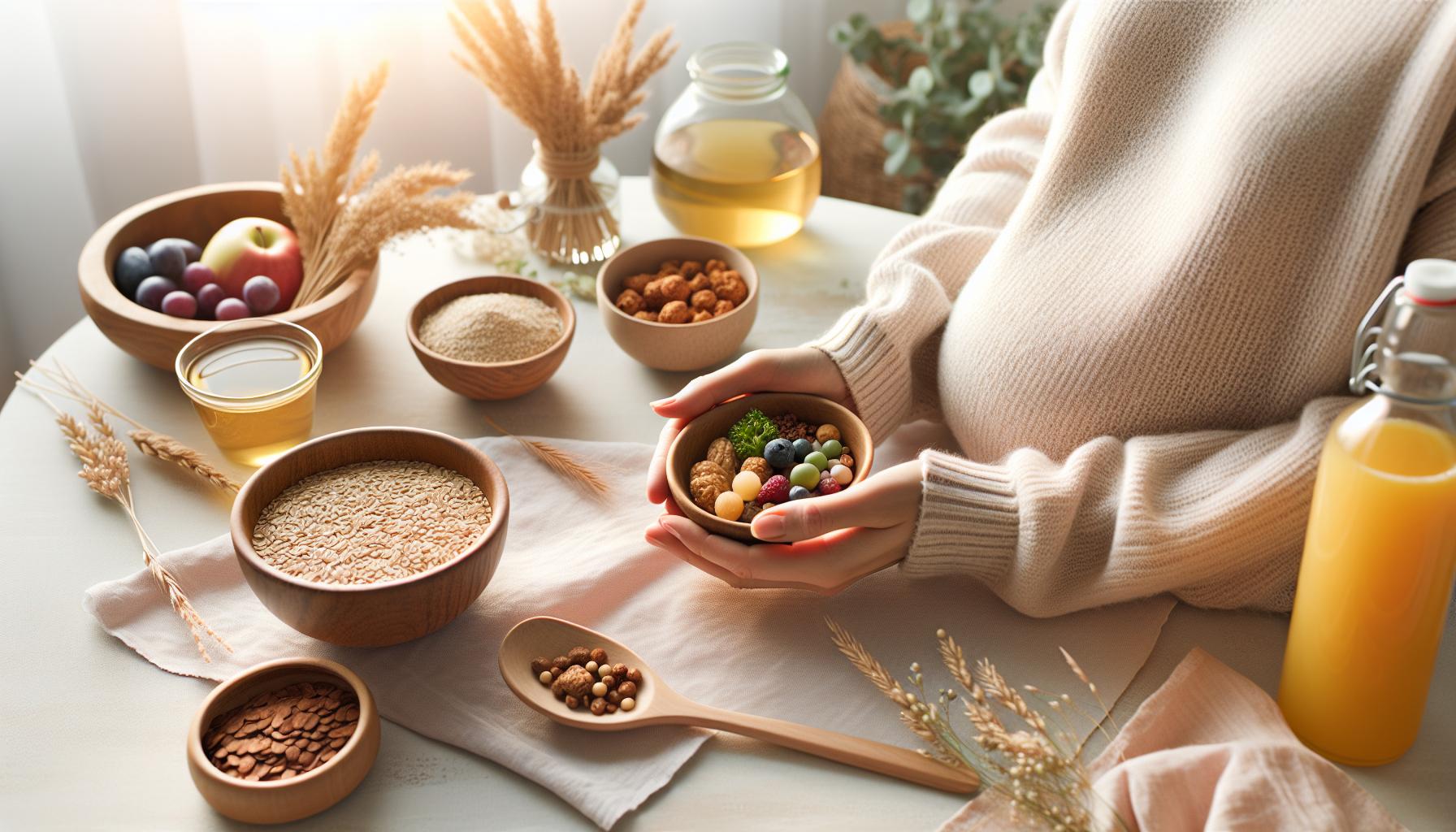
Nutrition for recovery: Foods That Help Ease Post-Birth Discomfort
Nourishing the Body After Birth
the journey through pregnancy and childbirth is profound and transformative, frequently enough leaving mothers in need of thoughtful nutrition to ease post-birth discomfort. As your body begins its recovery, consuming the right foods can play a pivotal role in relieving the discomforts associated with postpartum recovery, such as cramping, fatigue, and mood swings. Proper nutrition not only supports physical healing but also helps in emotional well-being while navigating this new chapter of life.
Key Nutrients to Include
To optimize recovery, focus on incorporating a variety of nutrient-rich foods into your diet. Here are some essential nutrients and their sources that can help alleviate cramping and promote overall recovery after birth:
- Omega-3 Fatty Acids: Reduce inflammation and support mood.
Sources: Fatty fish (like salmon and sardines), walnuts, chia seeds. - Vitamin C: Aids in tissue repair and boosts the immune system.
Sources: Citrus fruits, strawberries, bell peppers, and broccoli. - Magnesium: Helps relax muscles and alleviate cramping.
Sources: Nuts, seeds, leafy greens, and whole grains. - Iron: Essential for replenishing energy levels and preventing anemia.
sources: Lean meats, legumes, spinach, and fortified cereals.
Delicious Recovery Recipes
Making nutritious meals doesn’t have to be a chore! Experiment with simple recipes that incorporate these healing foods. Here’s a sample meal plan to inspire you:
| Meal | Ingredients | Preparation |
|---|---|---|
| Breakfast | Greek yogurt, mixed berries, chia seeds | Layer yogurt with berries and top with chia seeds for a refreshing start. |
| lunch | Spinach salad with grilled chicken, walnuts, and citrus dressing | Mix fresh spinach with slices of grilled chicken, sprinkle with walnuts, and drizzle with citrus dressing. |
| Dinner | Baked salmon with quinoa and steamed broccoli | Season salmon and bake. Serve with fluffy quinoa and lightly steamed broccoli. |
By prioritizing these nutrient-dense foods and enjoying delicious meals, you can naturally support your body’s healing process. Each bite serves as a step toward easing post-birth discomfort and fostering a brighter, more energizing postpartum experience. Don’t underestimate the power of nourishing your body as part of your recovery journey—each thoughtful choice you make can lead to profound benefits.
The Power of Rest and Relaxation: Prioritizing Your Recovery After Birth
The Importance of Rest in Postpartum Recovery
A significant yet frequently enough overlooked aspect of the postpartum experience is the necessity of rest and relaxation. After enduring the physical and emotional rigors of childbirth, new mothers may feel the pressures of motherhood mount quickly. It’s crucial to realise that taking time to rest isn’t just a luxury; it’s essential for healing and recovery. Studies indicate that adequate rest can significantly reduce postpartum complications and help the body’s natural healing processes,including alleviating cramping and discomfort often experienced after birth.
Proper recovery involves creating an environment that fosters relaxation. Here are some strategies you can implement:
- Schedule Nap Times: Incorporate short naps into your daily routine to help combat fatigue. Even 20-minute power naps can rejuvenate you.
- Embrace Quiet Moments: Settle into a peaceful space where distractions are minimal. Consider meditation or deep-breathing exercises to enhance relaxation.
- Delegate Tasks: Don’t hesitate to accept help from friends and family. Allowing others to assist with household chores or childcare can free up valuable time for yourself.
- Limit Screen Time: Reducing exposure to screens can also lessen overstimulation, making it easier to unwind and enjoy peaceful moments.
Creating a Recovery Nook
Establishing a dedicated space for rest can heighten your ability to relax and recover. A “recovery nook” can be as simple as a cozy corner in your room with necessities nearby. Here’s what to include to maximize comfort and rejuvenation:
| Essential Items | Purpose |
|---|---|
| Soft blankets | For warmth and comfort |
| Pillows | To support your body as you relax |
| Hydration station | Keep water and healthy snacks easily accessible |
| Relaxing music or sound machine | To create a soothing atmosphere |
| Books or magazines | A distraction that promotes a mental escape |
Remember, rest is deeply intertwined with your recovery journey. By prioritizing relaxation, you’re not only aiding your body in healing after birth but also setting a harmonious tone for the new chapter of motherhood ahead. Embrace this time; it is indeed an investment in both your physical health and emotional well-being, paving the way for a smoother postpartum experience.
Gentle Movement and Stretching: Alleviating Cramping Safely
Embracing Gentle Movement
After giving birth, many new mothers experience cramping and discomfort as their bodies adjust.While it may be tempting to rest completely, gentle movement plays a crucial role in alleviating these cramps and promoting overall recovery. Engaging in light activity can stimulate blood flow, which helps reduce inflammation and speeds up the healing process. Even modest stretches can help release tension in the abdominal area and restore balance to your body.
Safe Stretching Techniques
To navigate through the early days of postpartum recovery, consider incorporating some gentle stretches into your daily routine. Here are a few simple stretches designed specifically to ease cramping and foster relaxation:
- Cat-Cow Stretch: Get on your hands and knees,inhale as you arch your back (cat),exhale while rounding your spine (cow). This movement gently massages the organs while loosening the back and abdominal areas.
- Seated Forward Bend: While sitting, extend your legs in front.inhale, reach your arms overhead, and as you exhale, gently bend forward towards your legs. This position helps elongate the lower back and relieve tension.
- Knees-to-Chest Pose: Lie on your back, draw your knees to your chest, and gently rock side to side. This soothing motion can alleviate lower abdominal cramps.
Incorporating Movement into Daily Life
Finding ways to incorporate gentle movement doesn’t have to be a chore. Consider these practical tips for seamlessly integrating stretching and movement into your postpartum routine:
| Time of Day | Activity | Duration |
|---|---|---|
| Morning | Gentle stretching routine | 10 minutes |
| Afternoon | Walk around the house or yard | 15-20 minutes |
| Evening | Relaxing yoga session | 20 minutes |
By consciously choosing a few moments each day for gentle stretching and light movement, you can nurture your body’s healing process while fostering a deeper connection with yourself and your newborn. Always listen to your body—if something feels too strenuous, it’s essential to adjust accordingly. Remember, gentle movements can significantly contribute to your recovery journey in the days following childbirth, allowing you to embrace the beauty of motherhood with comfort and ease.
The Role of Hydration: Why Water Matters in Your Postpartum Heal
The Importance of Hydration for Postpartum Recovery
Did you know that staying hydrated is one of the simplest yet most effective ways to support your body during postpartum recovery? Water plays a crucial role not just in your overall health, but specifically in aiding your healing after childbirth. As your body transitions from pregnancy to postpartum, adequate fluid intake can definitely help combat some of the common challenges you might face, including cramping, fatigue, and even mood swings.
The body loses significant fluids during labor and delivery, and hydration is essential to restore what was lost. Water assists in flushing out toxins and waste products, reducing inflammation, and supporting digestive health. Additionally, staying well-hydrated can definitely help ease cramping, a common struggle for postpartum women. When combined with natural remedies such as those discussed in *After Ease postpartum: Relieve Cramping Naturally after Birth*, proper hydration can significantly enhance your recovery experience.
- Promotes Better Circulation: Increased fluid intake improves blood circulation, which helps in delivering nutrients and oxygen to your tissues, promoting faster healing.
- Aids Digestive Health: Staying hydrated can prevent constipation and bloating, common issues postpartum. Coupled with a fiber-rich diet, water can keep your digestive system functioning smoothly.
- Supports Breastfeeding: If you choose to breastfeed, hydration is even more critical.Breast milk is composed largely of water, and staying hydrated can help maintain milk supply.
Tips for Staying Hydrated
To enhance your hydration strategy effectively,consider these practical approaches:
| Tip | Description |
|---|---|
| Set Reminders | Use your phone or a water tracking app to remind yourself to drink regularly throughout the day. |
| Infuse Your Water | Add fruits, herbs, or cucumbers to your water for a refreshing twist that can make hydration more enjoyable. |
| Carry a Water Bottle | Keep a reusable water bottle with you to track your intake; aim for at least 8-10 cups (64-80 ounces) daily,or more if breastfeeding. |
| Eat Water-Rich Foods | Incorporate fruits and vegetables like cucumbers, oranges, and strawberries that have high water content into your meals. |
By making hydration a priority, you will not only aid your body in recovering from childbirth but also improve your overall wellbeing. As you embrace the postpartum phase, think of water as a vital partner in your journey towards healing and renewed strength.
Emotional Well-being: Addressing the Psychological Aspects of Cramping
Understanding the Emotional Landscape
The journey into motherhood is frequently enough celebrated, but the physical aftermath can be equally overwhelming. In addition to the physical discomfort postpartum women may experience, such as cramping, it’s crucial to recognize the emotional toll it may take.Feelings of anxiety, sadness, or frustration can heighten the perception of pain and discomfort. Research indicates that the emotional state of new mothers significantly influences their recovery. For instance, one study found that mothers who felt supported emotionally reported lower levels of pain and a quicker recovery period.
Given this connection, it is vital to cultivate a nurturing environment that supports both psychological and physical healing.Here are some strategies to address emotional well-being:
- Open Communication: Talking about your experience with a partner, friend, or support group can alleviate feelings of isolation.
- Meditation and Mindfulness: Regular practices can help you stay grounded, reducing stress and enhancing your coping mechanisms.
- Seek Professional Help: If feelings of despair or anxiety become overwhelming, don’t hesitate to consult a mental health professional.
- Self-Care Routines: Prioritizing your needs through rest, nourishing food, and light physical activity can significantly impact emotional stability.
building a Support Network
Creating a robust support network is one of the most effective ways to enhance emotional well-being during this sensitive time. Share your feelings with family members or join a postpartum support group. Connecting with others who have experienced similar challenges can create a safe space for discussing emotions and learning new coping strategies.
| Support mechanism | Benefits |
|---|---|
| Family Support | Emotional assurance and practical help at home |
| Peer Groups | Shared experiences leading to decreased feelings of isolation |
| Professional Counseling | Guidance on managing anxiety and depression effectively |
These elements combined can not only ease cramping but also promote a holistic recovery. emphasizing both the emotional and physical aspects of postpartum recovery enables mothers to embrace this new chapter with resilience and confidence, ultimately paving the way to thriving in motherhood. Integrating strategies from resources like *After Ease Postpartum: relieve Cramping naturally After Birth* ensures an all-encompassing approach to the challenges faced during recovery.
Seeking Support: How Partners and Community Can Aid Your Recovery
Recovery after childbirth can frequently enough feel overwhelming and isolating, but it’s essential to remember that support systems play a crucial role in this journey. Whether you are navigating through the discomfort of postpartum cramping or adjusting to the new demands of motherhood, having the right partners and community around you can fundamentally influence your healing process.
Building a Support Network
Engaging with friends, family, and even local community groups can foster an environment where you feel understood and supported. Here are some vital components of an effective support network:
- Friends and Family: They can assist with childcare, cook meals, or simply lend an empathetic ear when you need to talk about your experience.
- Postpartum Support Groups: connecting with other new mothers through support groups, both in-person or online, allows for sharing experiences, tips, and solutions regarding cramping and recovery.
- Healthcare Professionals: Don’t hesitate to seek guidance from your doctor, midwife, or lactation consultant about managing discomfort through natural methods.
Utilizing Community Resources
Community resources can provide additional layers of support, particularly for new mothers recovering from cramping. Here’s how you can leverage these resources effectively:
- Local Classes: Consider enrolling in postpartum yoga or wellness classes that focus on recovery. These classes not only help with physical discomfort but also promote mental well-being and camaraderie.
- Home Visits: Some organizations offer home health visits to new mothers.A nurse or doula can provide personalized tips and supportive care strategies.
- Mom Meetups: Look for community events such as “Mommy and Me” groups, which can help you form bonds with fellow new parents while sharing advice on managing postpartum cramping and other challenges.
Your Role in Seeking Support
Taking the initiative to reach out for help is essential in your recovery journey. here are practical steps you can take:
- Communicate Your Needs: Be open with your partner about how they can assist you during your recovery. Whether it’s a simple massage or taking over nighttime duties, your needs are important.
- Set Boundaries: Don’t be afraid to say no to visitors or other distractions if you require time to focus on your recovery and self-care.
- Stay informed: keep researching about natural remedies for cramping and recovery tips from reputable sources, and share discoveries with your support system.
Gathering around the right individuals can significantly enhance your recovery experience from cramping after birth. By leaning on partners and community resources, you can ensure a smoother transition into motherhood while prioritizing your well-being. Remember,seeking help is not a sign of weakness; it’s a crucial step towards healing.
Frequently Asked Questions
What is After Ease Postpartum: Relieve Cramping Naturally After Birth?
After Ease Postpartum is a holistic approach designed to help new mothers manage and relieve cramping naturally after childbirth. It involves using natural remedies, lifestyle adjustments, and gentle practices to promote healing and comfort.
After birth, many women experience _afterpains_, which are contractions of the uterus as it returns to its pre-pregnancy size. Using *natural methods* such as heat therapy, herbal teas, and hydration can greatly improve comfort during this phase. Incorporating these techniques can make postpartum recovery more manageable and fulfilling.
How can I relieve cramping naturally after birth?
To relieve cramping naturally after birth, consider using heat therapy, staying hydrated, and trying herbal remedies like ginger or chamomile teas. These methods can significantly ease discomfort during the postpartum period.
Applying a warm compress or heating pad on your abdomen helps relax the muscles and alleviate pain. Moreover, staying active by walking can aid recovery while allowing your body to heal. For more tips on managing *postpartum discomfort*, visit our related article on natural postpartum care.
Why do I experience cramping after giving birth?
Cramping after giving birth is primarily caused by uterine contractions that help the uterus shrink back to its pre-pregnancy size. This is a normal part of the postpartum healing process.
While many may find these cramping sensations uncomfortable, they play a crucial role in preventing excessive bleeding and ensuring proper recovery. Understanding this natural process can definitely help new mothers better cope and seek *natural remedies* when needed.
Can I use essential oils for cramping relief postpartum?
Yes, essential oils can be beneficial for cramping relief during the postpartum period. Oils such as lavender and peppermint can offer soothing properties when applied topically or used in a diffuser.
Make sure to dilute essential oils before applying them on your skin and perform a patch test to avoid any allergic reactions. Additionally,consider combining essential oils with a gentle massage to help ease discomfort.Always consult your healthcare provider before using any new treatments during the postpartum phase.
Are there any foods that help with postpartum cramping?
Yes, certain foods can assist with postpartum cramping by providing nutrients that support healing.Foods rich in magnesium,like leafy greens and nuts,can definitely help relax muscles and reduce cramping.
Incorporating anti-inflammatory foods like berries and fatty fish may also contribute to faster recovery. It’s essential to eat a balanced diet that supports your overall health and aids your body’s healing process during this critically important time.
How long do cramping and afterpains last after birth?
Cramping and afterpains typically last for about 3 to 7 days after birth, but the duration can vary among individuals. The intensity and frequency may decrease over time.
Generally, those who have had multiple pregnancies may experience stronger afterpains. If you’re concerned about cramping lasting longer than expected, it’s essential to consult with your healthcare provider for a proper evaluation.
Can I exercise to relieve postpartum cramping?
Yes,gentle exercises can definitely help relieve postpartum cramping by increasing blood circulation and easing tension. Activities such as walking or specific postpartum yoga stretches can be beneficial.
However, it’s crucial to listen to your body and consult with your healthcare provider before resuming any exercise routine. They can provide tailored recommendations based on your individual recovery process and ensure a safer approach to fitness during this delicate period.
The Conclusion
Navigating the postpartum journey can be challenging, but with the right knowledge and support, you can find relief from cramping naturally. By exploring various remedies—like herbal teas, gentle stretches, and breathing exercises—you can empower yourself during this transformative time. Remember,every parent’s experience is unique,and it’s crucial to listen to your body and seek professional advice when needed. As you continue to explore options that work best for you,know that taking care of yourself is just as important as caring for your little one. We encourage you to share your thoughts and experiences, as they can ignite conversations that benefit others on similar paths. Here’s to embracing this new chapter with compassion and resilience!
Get our latest guides, news, and insights highlighted in your Google Search & AI Overviews.

