

Navigating the physical challenges of pregnancy and the postpartum period can feel overwhelming, leaving many new mothers uncertain about how to safely reclaim their strength. Understanding the role of a corrective exercise specialist tailored to these unique stages is crucial for recovery and confidence. Discover how specialized guidance can transform your journey to wellness,ensuring both health and empowerment.
Understanding the Role of a Pregnancy and Postpartum Corrective Exercise Specialist
Did you know that nearly 70% of women experience some type of discomfort during pregnancy, and this can be compounded in the postpartum phase? This reality emphasizes the importance of having a well-trained professional who specializes in corrective exercises specifically tailored for pregnant and postpartum women. A Pregnancy and Postpartum Corrective Exercise Specialist plays a pivotal role in ensuring mothers navigate this challenging period with confidence and support.
The essential Functions of a Specialist
In their capacity, these specialists focus on a variety of crucial aspects that contribute to the overall wellbeing of mothers during and after pregnancy.They assess individual needs and create customized exercise programs that:
- Enhance core strength: A strong core is vital for supporting the growing belly during pregnancy and for recovering abdominal strength postpartum.
- Improve posture: With the physical changes that pregnancy induces, correcting posture can alleviate discomfort and prevent long-term issues.
- Encourage pelvic floor health: Targeted exercises are essential for strengthening the pelvic floor, reducing the likelihood of incontinence or prolapse later.
- Promote safe exercise practices: These specialists ensure that exercises are safe and effective, minimizing the risk of injury during an already vulnerable period.
Real-World Application of Their expertise
Consider the case of a woman who has recently given birth and is struggling with lower back pain.After an initial assessment, a Pregnancy and Postpartum Corrective Exercise Specialist identifies muscle imbalances that likely developed during pregnancy. By introducing a tailored program that includes stretching,strengthening,and functional movement patterns,the specialist helps the new mother regain strength and mobility effectively. each session is designed to foster progress while addressing any pain or discomfort,demonstrating how integral these professionals can be in recovery.
| Specialist Focus Areas | Benefits for Mothers |
|---|---|
| Core Strengthening | Reduced risk of diastasis recti and improved balance. |
| Posture Correction | Decrease in neck and back pain. |
| Pelvic Floor training | Improved bladder control and recovery. |
| Safe Exercise Guidance | Improved confidence in returning to physical activity. |
Ultimately, the guidance of a Pregnancy and Postpartum Corrective Exercise Specialist is instrumental for women looking to navigate the complexities of their changing bodies safely. With the right support, exercise can be transformed into a positive, empowering experience that promotes both physical health and emotional well-being during this transformative journey.
Benefits of Specialized Exercise During and After Pregnancy
Did you know that engaging in specialized exercise during and after pregnancy can considerably transform a woman’s health and well-being? Tailored physical activity not only supports the body’s physiological changes during pregnancy but also enhances recovery postpartum. A Pregnancy and Postpartum Corrective Exercise Specialist can guide women through appropriate exercises that align with their unique needs, ensuring a safe and effective experience.
Physical Benefits
One of the primary advantages of specialized exercise during and after pregnancy is improved physical health. Pregnant women experience a range of bodily changes, such as weight gain, hormonal shifts, and alterations in posture. A focused exercise regimen can help manage these changes and mitigate related discomforts. Consider the following physical benefits:
- Enhanced Strength: Targeted exercises strengthen core muscles, which are crucial for supporting the growing belly and can alleviate back pain.
- Improved Flexibility: Regular stretching and mobility work can enhance flexibility, easing the tension in the hips and lower back.
- Better Posture: Specialized exercises promote postural awareness, reducing strain on the body and enhancing comfort.
- Faster Recovery: Postpartum, engaging in corrective exercises can speed up recovery, helping to rebuild lost strength and stability in the pelvic floor and abdominal muscles.
Mental and Emotional Well-being
Beyond the physical advantages, the emotional benefits of engaging with a Pregnancy and Postpartum corrective Exercise Specialist are profound. Regular exercise has been shown to reduce anxiety and depression, which some women may experience during pregnancy and postpartum. The structured support provided by these specialists can foster a sense of community and accountability, helping women feel more connected and empowered.
Actionable Steps for Incorporating Specialized Exercise
To reap the benefits of specialized exercise, consider the following practical steps:
| Step | description |
|---|---|
| 1. Identify a Specialist | seek a certified Pregnancy and Postpartum Corrective Exercise Specialist who has a deep understanding of the bodyS changes during this period. |
| 2.Establish a Routine | Create a manageable exercise schedule that incorporates balanced workouts tailored to your individual needs, focusing on both strength and flexibility. |
| 3. Listen to Your Body | Adapt exercises based on your comfort levels and health status; it’s crucial to honor your body’s signals. |
| 4. Incorporate mindfulness | Combine physical activity with mindfulness practices, such as deep breathing, to enhance overall well-being. |
By prioritizing specialized exercise,women can not only navigate the physical challenges of pregnancy and postpartum with greater ease but also cultivate a supportive network that empowers them during this transformative period.
Essential Qualifications to Look for in a Corrective Exercise Specialist
Consider this: postnatal women face a plethora of physical changes, and having a educated guide through corrective exercise can make all the difference in their recovery and overall well-being. When searching for a specialist in corrective exercise tailored for pregnancy and postpartum, certain qualifications are non-negotiable. Understanding this aspect can empower both practitioners and expectant mothers in making informed choices.
Key Qualifications to Seek
When evaluating potential specialists, look for a blend of education, certifications, and practical experience that showcases their capability to work with new mothers. Here are the essential qualifications to consider:
- Relevant Certifications: The specialist should possess certifications specifically related to pregnancy and postpartum fitness. Look for credentials from renowned organizations,such as the American Council on exercise (ACE) or the National academy of Sports Medicine (NASM).
- Experience with Special populations: A proven track record of working with postpartum clients is crucial. Ideal candidates will be able to demonstrate their ability to design and implement effective exercise programs tailored to the unique needs of new mothers.
- Continuing Education: The field of corrective exercise is always evolving. Ensure the specialist engages in ongoing education to stay up-to-date with the latest research and techniques related to pregnancy and postpartum recovery.
- Understanding of Common Postpartum Conditions: Specialists should be well-versed in issues such as diastasis recti, pelvic floor dysfunction, and core stability. Their knowledge can help in creating safe and effective exercise plans that avoid exacerbating these conditions.
Evaluating Practical Skills
Beyond just formal qualifications, practical skills can significantly influence a specialist’s effectiveness. Here are some attributes to look for:
| Skill | Description |
|---|---|
| Assessment Techniques | Ability to assess a client’s physical condition and individual needs comprehensively. |
| Interaction Skills | Capacity to clearly explain exercises while fostering a supportive environment. |
| Adaptability | Skill in modifying exercise programs based on ongoing feedback and progress. |
| Empathy and Support | Knowing how to connect emotionally with clients, providing the encouragement they need during what can be a vulnerable time. |
In sum, selecting a corrective exercise specialist with the right qualifications not only ensures safety and efficacy in exercise programs but also enhances the overall experience for postpartum women navigating their journey back to fitness.Through informed choices, mothers can reclaim their strength, health, and confidence with the support of a capable specialist.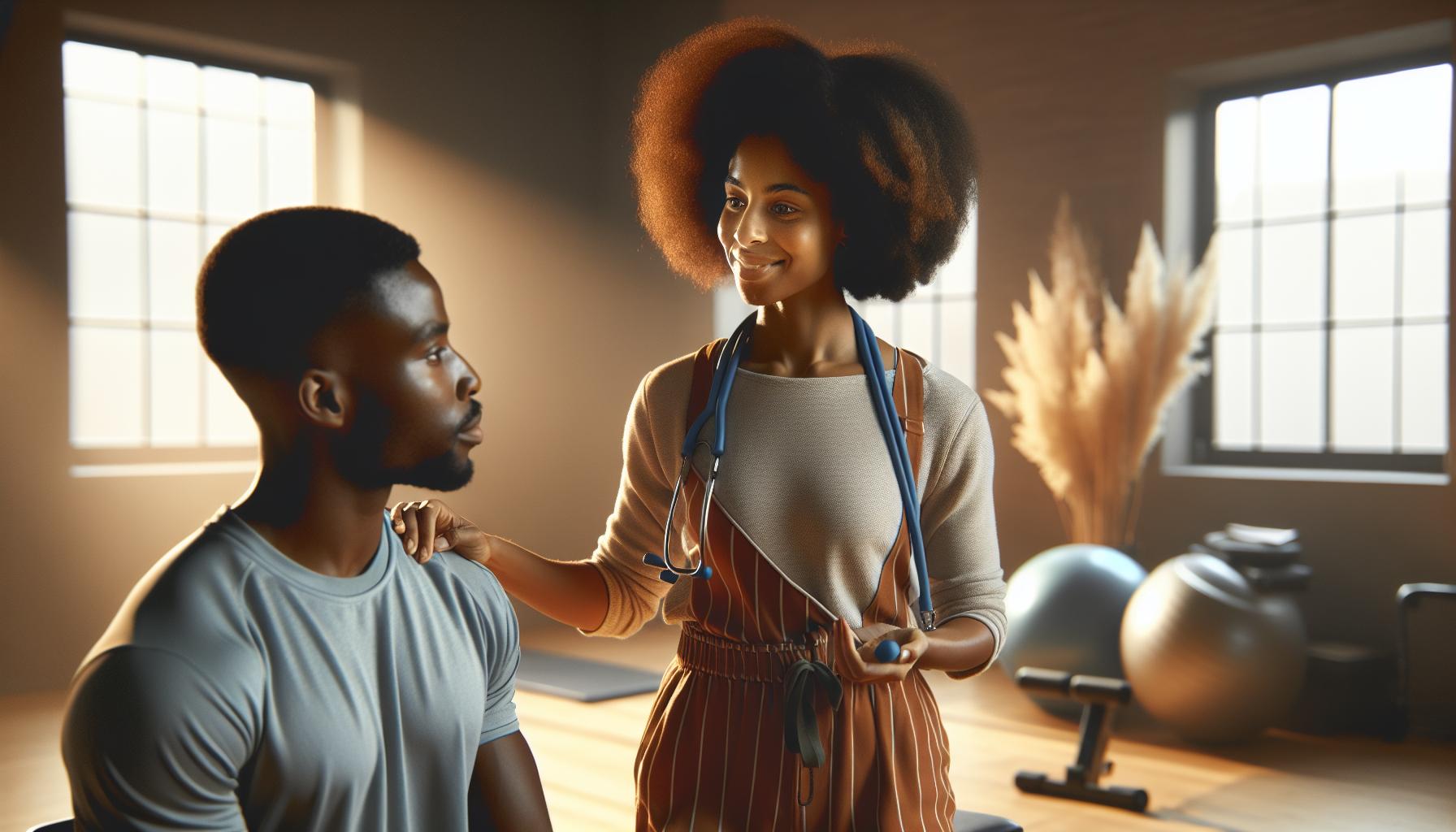
Key Corrective Exercises for Every Stage of Pregnancy
Pregnancy comes with a host of changes to a woman’s body, and corrective exercises play an essential role in managing these transformations at every stage. From alleviating discomfort during pregnancy to rehabilitating after childbirth,the benefits of working with a Pregnancy and Postpartum Corrective Exercise Specialist can be profound. Here’s a comprehensive look at key exercises tailored to each trimester and the postpartum period, helping you maintain strength, balance, and overall well-being.
First Trimester
During the first trimester, the focus should be on maintaining core stability and pelvic alignment. The body is starting to adjust, and gentle exercises can ease the transition.
- Pelvic Tilts: These help strengthen the lower back and pelvic floor while improving posture.
- Clamshells: Great for activating the glute muscles, which can offset the additional weight and stress on the back.
- cat-Cow Stretch: A gentle flow that helps maintain spinal flexibility and relieve tension in the back.
Second Trimester
As the pregnancy advances, focus shifts to maintaining strength and adapting exercises to accommodate a growing belly. It’s also critically importent to start incorporating more stability-focused movements.
- Side-Lying Leg Lifts: Strengthen the outer hips, which are crucial for maintaining balance.
- Forearm Plank: A safer option that helps to engage core muscles without excessive strain.
- Wall Push-ups: A modified push-up helps maintain upper body strength while minimizing strain on the abdomen.
Third Trimester
In the final weeks, comfort and gentle movements take precedence. The goal is to prepare for labor and maintain mobility.
- Seated Forward Bend: This stretch aids in relaxation and keeps the hamstrings flexible.
- Standing Calf Raises: Strengthens the calves and promotes circulation, which is beneficial as swelling may occur.
- Squats: Gentle squats can definitely help improve lower body strength and are beneficial for preparing for labor.
Postpartum Phase
Once the baby arrives, focus on regaining core stability and overall strength while being mindful of the body’s recovery process.
| Exercise | Description | Benefits |
|---|---|---|
| Diaphragmatic breathing | Focus on deep breathing to engage the diaphragm. | Helps reconnect with core muscles. |
| Knees-to-Chest Stretch | Lie on your back and bring knees to your chest. | Release pressure on the lower back. |
| Modified Plank | Plank from knees to activate core without excessive strain. | Builds essential core strength. |
Implementing these key corrective exercises can significantly enhance the pregnancy and postpartum experience.A Pregnancy and Postpartum Corrective Exercise Specialist can provide personalized guidance and programs aligned with your unique needs, ensuring you stay safe and effective throughout your journey.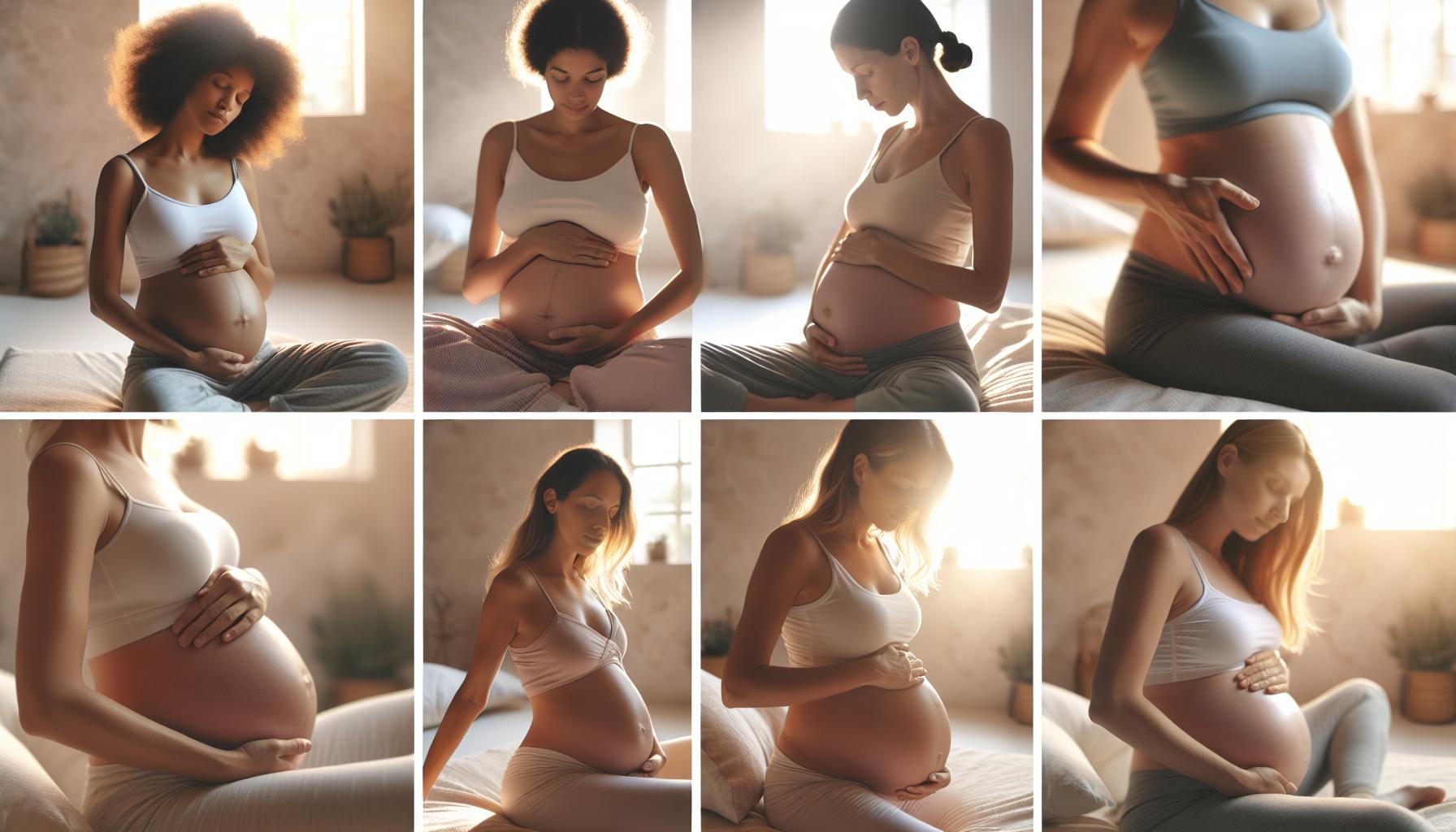
Postpartum Recovery: Why It Matters and How to Approach It
did you know that over 60% of mothers experience some form of physical discomfort or mental health challenges in the postpartum period? This statistic underscores the importance of focusing on recovery after childbirth. Understanding the significance of postpartum recovery and the various methods available can pave the way for a smoother transition into motherhood and enhance overall well-being.
The Importance of Postpartum Recovery
Postpartum recovery is a crucial aspect of maternal health that often goes overlooked in the hustle and bustle of new parenthood. During this time, a woman’s body undergoes numerous changes, from hormonal fluctuations to physical adaptations due to childbirth.These changes can contribute to issues such as pelvic pain, diastasis recti, and even emotional challenges like postpartum depression. Prioritizing recovery not only aids in physical healing but also supports mental health, helping new mothers regain their strength and confidence.
Investing time and resources into postpartum recovery can lead to numerous benefits:
- Physical Rehabilitation: Targeted exercises can help restore core strength and pelvic floor integrity, critical for preventing long-term complications.
- Mental Wellness: Engaging in corrective exercises has been linked to improved mood and decreased anxiety, key components of postpartum mental health.
- Enhanced Bonding: Participating in recovery activities can promote quality time with the newborn, strengthening the mother-child bond.
- Empowerment: Taking charge of one’s recovery helps mothers feel more in control during a transformative time.
approaching Postpartum Recovery Mindfully
Effective postpartum recovery begins with a comprehensive approach tailored to individual needs. Here’s how new mothers can get started:
- Consult with Professionals: Engaging a Pregnancy and postpartum Corrective Exercise Specialist can provide personalized guidance. These specialists are trained to address specific recovery needs and can design programs focused on individual recovery goals.
- Incorporate Gentle Movements: Low-impact exercises such as walking, gentle stretching, and pelvic floor exercises can be beneficial. start slow and listen to your body—gradual progression is key to avoiding injury.
- Prioritize Nutrition and Hydration: A balanced diet rich in nutrients can support healing and energy levels. Foods high in antioxidants, omega-3 fatty acids, and fiber should be staples in a postpartum diet.
- Practice Mindfulness and Stress Relief: Techniques such as deep breathing, yoga, or meditation can definitely help alleviate the mental stress frequently enough associated with new motherhood.Incorporating these practices can improve emotional well-being.
| Recovery Activity | Benefits |
|---|---|
| Pelvic Floor Exercises | Strengthens pelvic muscles and reduces incontinence |
| Core Stabilization | Improves posture, stability, and reduces back pain |
| stretching | Increases flexibility and helps relieve tension |
| Cardiovascular Activities | Boosts mood, energy, and cardiovascular health |
By understanding the necessity of postpartum recovery and employing practical strategies, mothers can foster both physical healing and emotional resilience. Embrace this journey with the support of specialists, the right resources, and a community focused on empowering new mothers through every step of their recovery.
Common Concerns: Addressing Pain and Discomfort through Corrective Exercise
Did you know that up to 80% of women experience back pain during pregnancy, and many continue to face discomfort postpartum? This highlights the critical role that tailored exercise can play in alleviating pain and discomfort as part of a comprehensive recovery plan.Engaging in corrective exercise designed specifically for pregnancy and postpartum recovery can address these concerns effectively, empowering women to regain strength and comfort during this transformative phase of life.
understanding Common Pain Areas
Various factors contribute to discomfort for expectant and new mothers, frequently enough stemming from physical changes during pregnancy and the demands of caring for a newborn. Some of the most common issues include:
- Lower back pain: As the center of gravity shifts, many women experience strain on their spinal structures.
- Pelvic pain: Hormonal changes and the growing belly can lead to instability in the pelvic region.
- Diastasis recti: This separation of the abdominal muscles can cause weakness and discomfort in the core.
- Weakness in postural muscles: With new demands on the body, women frequently enough find that their upper back and shoulder muscles are overstressed.
corrective Exercises for Relief
Incorporating corrective exercises can significantly improve comfort levels and overall well-being. Below is a table outlining some effective exercises, the target areas, and their benefits:
| Exercise | Target Area | Benefits |
|---|---|---|
| Cat-Cow Stretch | Spine and abs | Increases spinal flexibility and core strength. |
| Pelvic Tilts | Lower back and pelvis | strengthens core while relieving lower back tension. |
| Knees-to-Chest Stretch | Hip flexors | Stretches lower back and relieves pelvic discomfort. |
| Wall Angels | Shoulders and upper back | Improves posture and strengthens weak muscles. |
It’s crucial to consult with a qualified Pregnancy and Postpartum Corrective Exercise Specialist to ensure that these exercises are performed safely and effectively. They can tailor a regimen that accounts for individual needs, limitations, and any specific pain concerns.
Empowering Recovery
Remember,the journey through pregnancy and postpartum recovery is unique,with each woman’s experience varying greatly. Corrective exercise not only addresses pain but also fosters a deeper connection with one’s body, promoting confidence and empowerment. By committing to a structured approach to exercise, women can experience a remarkable change, overcoming discomfort and embracing the joys of motherhood with renewed vigor. Incorporating these practices as part of a comprehensive rehabilitation strategy can lead to lasting benefits, setting the foundation for a healthier and more active life.
Creating a Supportive Community: Finding Resources and Connections
Creating a supportive environment during pregnancy and the postpartum period can significantly impact overall health and well-being. Studies show that women who engage in supportive communities report lower levels of stress and better outcomes both physically and emotionally. By leveraging resources and building connections, you can create a nurturing space that encourages healing and growth.
Connecting with Professionals
As you embark on your journey as a new parent, it’s essential to connect with professionals who specialize in pregnancy and postpartum health. This includes Pregnancy and Postpartum Corrective Exercise Specialists, lactation consultants, and mental health professionals. Here are some ways to find and engage with these specialists:
- Search for certified specialists through local health organizations or online directories.
- Attend workshops and community events that focus on maternal health.
- Participate in online forums and support groups where professionals often share valuable insights.
Building relationships with these experts not only provides you with personalized guidance but also helps you stay informed about the resources available in your area.
utilizing Online Communities
In today’s digital age, online platforms serve as a vital hub for support and connection. From social media groups to dedicated forums,the internet houses a wealth of information and connections tailored to your needs. Here are some tips for effectively using these resources:
- Join Facebook groups focused on pregnancy and postpartum topics; these can often provide local recommendations and support.
- Participate in Instagram communities where professionals and new parents share advice and personal experiences.
- Utilize apps and websites designed specifically for maternal health, which frequently enough include features like forum discussions, expert Q&As, and localized resources.
These online communities can offer emotional support, practical advice, and a sense of belonging that many new parents crave.
Local Resources and Support Groups
Finding local support groups can be a game changer. Many communities offer programs specifically for expectant and new mothers that provide opportunities for connection and learning.
| Type of Resource | Description | Where to Find |
|---|---|---|
| Birthing Classes | Education on the birthing process along with coping techniques | Hospitals, community centers |
| Postpartum Support Groups | A safe space to share experiences and feelings | Local community centers, health clinics |
| Yoga and Fitness Classes | Exercise tailored for pregnancy and postpartum recovery | Fitness studios, local gyms |
By becoming an active participant in these groups, you can develop meaningful relationships, exchange valuable resources, and foster a supportive community that helps navigate the complexities of pregnancy and postpartum life.Creating connections and utilizing available resources can enhance your journey toward health and wellness during this transformative time.By joining forces with others, both online and offline, you can create a network that not only supports you but also empowers you as you embrace the changes that come with motherhood.
empowering Yourself: Tips for Staying Active and Healthy Throughout Your Journey
Did you know that staying active during and after pregnancy can significantly impact not just physical health, but also emotional well-being? Engaging in a well-structured exercise routine as guided by a Pregnancy and Postpartum Corrective Exercise Specialist can empower you to embrace motherhood with strength and vitality. Here are essential tips to help you remain active and maintain your health throughout this transformative journey.
Create a Supportive Environment
Surround yourself with encouraging family and friends who understand your commitment to health. Joining a community of new mothers or engaging with a local exercise group tailored for postpartum women can provide motivation and accountability. Regular social interactions can significantly elevate your mood, making it easier to adopt a more active lifestyle.
Prioritize Consistency
Establishing a consistent routine is key to forming healthy habits during your pregnancy and postpartum. Here’s a practical framework to help you stay on track:
- Set Realistic Goals: Start with small, attainable objectives that fit your lifestyle and gradually increase their intensity.
- Schedule workouts: Treat your fitness sessions like important appointments—schedule them into your calendar.
- Mix It Up: Incorporate a variety of activities such as walking, swimming, or postnatal yoga to keep things interesting and engage different muscle groups.
Focus on Core and Pelvic Floor Strengthening
A strong core and pelvic floor can profoundly affect postpartum recovery. Engaging in exercises specifically designed to strengthen these areas is crucial. Consult with a qualified specialist to learn about safe and effective movements, ensuring they are tailored to your needs.
| Type of Exercise | Benefits |
|---|---|
| Pelvic Floor Exercises | Improves bladder control and supports recovery from childbirth. |
| Core Stabilization Workouts | Enhances posture and reduces back pain. |
| Yoga or Pilates | Increases flexibility and aids relaxation,plus it targets core strength. |
Listen to Your Body
As you navigate your pregnancy and postpartum period, it’s vital to hone in on your body’s signals. Fatigue, discomfort, or any signs of distress are your body’s ways of indicating that you may need to adjust your activity level. Always prioritize your well-being and consult with your healthcare provider or a qualified specialist to ensure that your exercise regimen aligns with your health goals.
Implementing these strategies will not only keep you active but also enrich your overall experience of motherhood, reducing stress and promoting a healthier lifestyle. Embrace the journey with confidence, knowing that small consistent efforts can lead to meaningful changes.
Frequently Asked Questions
What is a Pregnancy and Postpartum Corrective Exercise Specialist?
A Pregnancy and Postpartum Corrective Exercise Specialist is a trained professional who helps women manage their physical fitness during and after pregnancy. They focus on safely addressing specific needs and issues related to maternity, such as core strength, pelvic floor health, and posture.
these specialists are knowledgeable about the changes a woman’s body goes through during pregnancy and postpartum, tailoring exercise programs to accommodate various stages of recovery. They understand how to *promote safe movement* and help alleviate discomfort, making postnatal rehabilitation smoother.For more information, you can check out our article on benefits of corrective exercise during pregnancy.
Why does corrective exercise matter during pregnancy and postpartum?
Corrective exercise plays a vital role in supporting a woman’s body through pregnancy and its aftermath. It helps counterbalance physical changes caused by hormonal fluctuations, weight gain, and postural shifts, reducing risks of injury and complications.
Moreover, engaging in tailored physical activity boosts mental well-being and enhances muscle strength, both crucial for labor, delivery, and recovery. Effective exercises can improve *core stability* and pelvic floor strength, fostering a healthier recovery experience postpartum.
How can I find a qualified Pregnancy and Postpartum Corrective Exercise Specialist?
To find a qualified Pregnancy and Postpartum Corrective Exercise Specialist, look for certified professionals through reputable organizations that focus on maternal health. Online directories often have listings based on location and specialty.
It’s essential to ensure that your specialist has proper certifications and experience dealing with your specific needs. Asking for recommendations from your healthcare provider or local parenting groups can also lead to valuable insights and referrals.
can I start corrective exercise during pregnancy?
Yes, you can start corrective exercise during pregnancy, provided you have medical clearance from your healthcare provider. Engaging in tailored exercises can improve strength and alleviate discomfort common during pregnancy.
It’s important to work with a specialist who can guide you on safe movements and modifications. These exercises focus on enhancing *overall well-being* and preparing your body for labor, making the transition postpartum smoother.
What types of exercises are included in a postpartum recovery program?
A postpartum recovery program typically includes a mix of exercises focusing on restoring core strength, improving pelvic floor function, and enhancing overall fitness. Common exercises might involve gentle stretches, *diaphragmatic breathing*, and stability work.
Specialists often emphasize functional movements that help ease daily tasks, such as lifting and carrying the baby. Strengthening the core and pelvic floor can also prevent future issues related to incontinence and back pain.
Why is pelvic floor health essential during postpartum recovery?
Pelvic floor health is crucial during postpartum recovery as it directly impacts bladder control,pelvic stability,and sexual health. A strong pelvic floor can help mitigate issues like postpartum incontinence and prolapse.
Postpartum exercise programs typically include targeted pelvic floor exercises to strengthen this area gradually. Discussing your concerns with a specialist can tailor a program that enhances your confidence and overall well-being.
How long does it take to see results from corrective exercise postpartum?
The time it takes to see results from corrective exercise postpartum varies for each individual, depending on factors such as personal health, consistency, and the specific goals set with your specialist. Many women start noticing improvements in strength and comfort within a few weeks.
Generally, regular participation in a focused recovery program leads to gradual enhancements in mobility and core strength, encouraging a sense of accomplishment as you navigate your new role as a parent.
In Conclusion
Navigating the journey of pregnancy and postpartum recovery can be both rewarding and challenging.Understanding the role of a Corrective Exercise Specialist can significantly enhance your experience, providing tailored strategies to support your body’s unique needs. Remember, it’s essential to prioritize your well-being during this transformative time, as it not only benefits you but also positively impacts your growing family.
We encourage you to delve deeper into the resources available to you—whether it’s connecting with certified specialists, exploring community support, or looking into educational materials that resonate with your circumstances. Each small step you take towards understanding and improving your physical health will empower you on this journey. You’re not alone; every parent faces challenges, and seeking guidance is a proactive way to nurture both your body and your family.Embrace this journey with confidence and curiosity,and know that you have the tools at your disposal to thrive. Happy exploring!

