
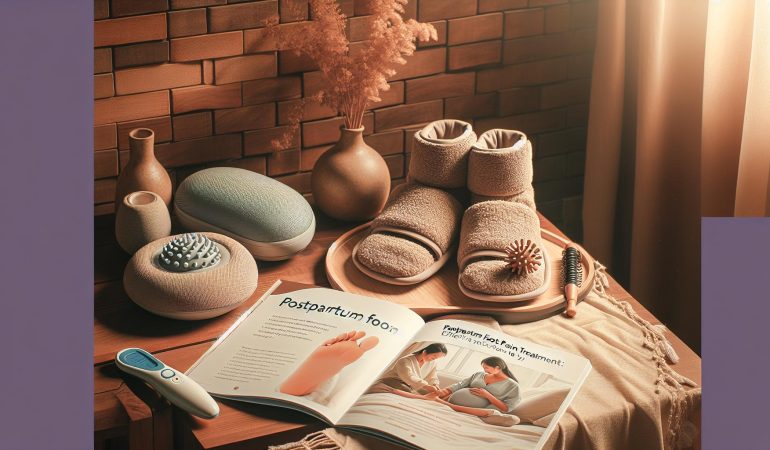
Experiencing foot pain after childbirth? You’re not alone. Many new mothers face discomfort as their bodies adjust post-pregnancy.Understanding effective treatments and solutions for postpartum foot pain is essential for recovery and well-being. This article explores practical strategies to alleviate discomfort, helping you regain your comfort and mobility during this transformative time.
Understanding Postpartum Foot Pain: What to Expect After Giving Birth
Understanding Postpartum Foot pain
After the incredible journey of childbirth, many new mothers might find themselves grappling with unexpected challenges, such as foot pain. This discomfort can stem from various factors, including hormonal shifts, weight fluctuations, and changes in walking pattern during pregnancy. More than just a minor annoyance, postpartum foot pain can be a significant adjustment for many women soon after giving birth.
Several elements contribute to the onset of this issue. For instance, during pregnancy, the body produces the hormone relaxin, which allows ligaments to stretch and helps accommodate the growing baby.However, this increased versatility can lead to instability in the foot’s arch, causing discomfort that may linger long after delivery. Additionally, many women gain weight during pregnancy, putting extra strain on their feet. When the baby is finally born, the weight may shift, leading to a range of foot discomfort.
Common Symptoms of Postpartum Foot Pain
It’s essential to recognize the common symptoms associated with postpartum foot pain, as early intervention can ease the discomfort. Typical signs may include:
- Arch pain: Increased pressure on the arches can lead to soreness.
- Heel pain: Conditions like plantar fasciitis may develop,especially if you’re standing or walking more post-delivery.
- Swelling: Retained fluid can contribute to swollen feet, exacerbating pain.
- General discomfort: This may present as an achy feeling throughout the foot.
If you’re experiencing these symptoms, understanding their origin is the first step toward effective postpartum foot pain treatment. Remember, your body has undergone significant changes, and it’s crucial to give it time to recover while taking proactive measures to manage any discomfort.
Effective Solutions to Try
To alleviate postpartum foot pain, consider implementing a combination of self-care practices and professional help. Strategies may include:
| Solution | Description |
|---|---|
| Footwear | Invest in supportive shoes that fit well,avoiding heels and opting for cushioning. |
| Stretching Exercises | Incorporate gentle stretches to improve flexibility and reduce tension in the feet. |
| cold Therapy | Applying ice packs can help reduce swelling after long periods of standing. |
| Physical Therapy | A professional can tailor a rehabilitation program specific to your needs. |
These remedies can pave the way for a smoother recovery, allowing you to enjoy your new role as a parent with less pain and more comfort. Taking the first steps towards addressing postpartum foot pain can lead to long-term relief and healthier daily activities. Remember, while it’s normal to experience discomfort after childbirth, ongoing issues should be discussed with a healthcare provider for further evaluation and tailored treatment options.
Common Causes of Foot Pain After Childbirth
Understanding the Roots of Foot Pain After Childbirth
It’s not uncommon for new mothers to experience foot pain in the months following childbirth. While the joy of welcoming a baby can be overwhelming,it’s essential to understand the various factors contributing to this discomfort.Hormonal changes,physical strain,and lifestyle adjustments during pregnancy and postpartum can significantly impact foot health.
- Hormonal Fluctuations: The surge in relaxin, a hormone that softens ligaments and joints in preparation for delivery, can lead to increased flexibility but may also contribute to instability in the feet. Consequently, many women find that their foot arches flatten, resulting in pain or discomfort.
- Weight Gain and Distribution: During pregnancy, weight gain often shifts the body’s center of gravity. This shift puts additional stress on the feet. Even post-delivery, new mothers may continue to carry extra weight, which can exacerbate foot pain.
- Changes in Foot Structure: A woman’s feet can actually change shape during pregnancy due to hormonal effects and weight bearing. According to studies, many women report an increase in shoe size post-pregnancy, which can lead to discomfort if shoes are not properly fitted.
- Increased Physical Activity: Caring for a newborn often means more time on your feet. The sudden increase in mobility,from diaper changes to feeding,can lead to fatigue and strain,further aggravating any existing pain.
Postpartum Conditions That Can Lead to Foot discomfort
In addition to the hormonal and physical changes that occur during and after pregnancy, certain postpartum conditions can specifically contribute to foot pain. These include:
- Plantar Fasciitis: Characterized by pain in the heel and bottom of the foot, plantar fasciitis is common in women who have experienced fluid retention and weight fluctuations during pregnancy.
- Metatarsalgia: This condition involves pain and inflammation in the ball of the foot and can occur due to increased load on the foot structure as a direct result of pregnancy weight.
- Diastasis Recti: A separation of abdominal muscles can affect pelvic stability and posture, which indirectly puts pressure on the feet.
Being aware of these potential sources can help new mothers identify their specific causes of foot pain and seek appropriate postpartum foot pain treatment. Understanding the interplay between elevated hormone levels, physical changes, and daily activities is crucial in addressing and managing discomfort effectively.
expert Tips for alleviating Postpartum Foot Discomfort
Did you know that many new mothers experience foot pain after childbirth due to various physical changes? The shift in weight, hormonal fluctuations, and the demands of caring for a newborn can all contribute to postpartum foot discomfort. Fortunately, with the right strategies, you can effectively manage this common issue.
Focus on Footwear
Choosing the right shoes is crucial for alleviating discomfort.Here are some tips to consider when selecting footwear in the postpartum period:
- Opt for Supportive Shoes: Select shoes with arch support and cushioning to help distribute weight evenly across your feet.
- Avoid High Heels: Heels can exacerbate pain and strain on your feet. Stick to flats or low-heeled shoes until you’re fully recovered.
- Consider Custom Orthotics: If your foot pain persists, consider consulting a podiatrist for custom orthotics that provide additional support.
Stretch and Strengthen
Incorporating gentle stretches and exercises into your daily routine can make a significant difference in managing postpartum foot pain. Here are some recommended stretches:
| Stretch/Exercise | Description | Duration |
|---|---|---|
| Calf Stretch | Stand facing a wall, with one leg back and heel on the ground. Lean into the wall to stretch the calf. | Hold for 15-30 seconds, repeat 3 times. |
| Toe Stretch | sit down and stretch your toes apart, holding for a few seconds. This helps improve flexibility. | Hold for 10 seconds, repeat 5 times. |
| Foot Roll | Use a golf ball or tennis ball to roll under your foot, focusing on areas of soreness. | 2-3 minutes per foot. |
Pace Yourself and Rest
Remember, recovery takes time! It’s essential to listen to your body and not overexert yourself. Here are some strategies to help you pace your activities:
- Use Foot Elevation: Elevating your feet while resting can help reduce swelling and relieve pressure.
- Schedule Breaks: When caring for your newborn, take regular breaks to sit down and rest your feet.
- Gradually Increase Activity: As you gain strength, slowly reintroduce activity to avoid aggravating your foot pain.
By implementing these expert tips, you can take significant strides toward alleviating postpartum foot discomfort. Remember that consistent small changes can lead to lasting relief, enabling you to focus on what matters most—your precious new arrival!
Simple Exercises to Strengthen Your Feet Postpartum
Engaging in simple foot exercises can significantly alleviate postpartum foot pain and strengthen your feet after childbirth. The body’s changes during pregnancy can lead to weakened foot muscles, increased arch flatness, and heightened foot discomfort. By incorporating a few targeted exercises into your daily routine, you can facilitate recovery and regain strength and stability in your feet.
Foot Stretching Exercises
One of the simplest ways to begin your recovery is with gentle stretching exercises. These help to restore flexibility and blood flow to your feet, relieving tightness from swollen arches or tired muscles.
- Toe Stretch: While seated, ensure your feet are flat on the floor. Gently spread your toes as wide as possible and hold for 5-10 seconds. Repeat this 5-10 times.
- Calf Stretch: Stand facing a wall, with one foot forward and the other leg extended behind you. Keep the back heel on the ground and gently lean into the wall until you feel a stretch in your calf. Hold for 15-30 seconds and switch legs.
- Arch Stretch: Sit down with one foot crossed over the opposite knee. Using your hands, gently pull your toes back towards your shin to stretch the arch of your foot. Hold for 10-15 seconds on each side.
Strengthening Exercises
Once you feel pleasant with stretching, it’s essential to incorporate strengthening exercises. These not only combat postpartum foot pain but also help in rebuilding the strength you may have lost during pregnancy.
- Marble Pickup: Place a few marbles or small objects on the floor. Using your toes, pick them up and place them in a bowl. This exercise enhances the dexterity of your toes and strengthens the foot muscles.
- Towel Curl: While seated, lay a towel flat on the ground. Use your toes to scrunch the towel towards you. This motion is excellent for engaging the muscles in the arch of your foot.
- Heel Raises: Stand up straight, hold onto a chair for balance, and slowly rise onto your toes, then lower yourself back down. Aim for 10-15 repetitions to build calf and foot muscle strength.
Table Summary of Foot Exercises
| Exercise | Description | benefits |
|---|---|---|
| Toe Stretch | Spread toes wide; hold for 5-10 seconds | Increases flexibility |
| Calf Stretch | Lean into a wall with one leg back | enhances calf flexibility |
| Marble Pickup | Pick up marbles with your toes | Improves toe dexterity |
| Towel Curl | Scrunch towel towards you using toes | Strengthens arch muscles |
| heel Raises | Rise onto your toes and lower | Strengthens calf and foot muscles |
By committing to these simple exercises, you can effectively target the underlying causes of postpartum foot pain, allowing you to regain mobility and comfort.Remember to consult your healthcare provider before starting any new exercise regimen, especially when recovering from childbirth.
Choosing the Right Footwear for Comfort and Support
Understanding the Impact of Footwear on Postpartum Comfort
The journey through postpartum recovery is a multifaceted experience, often accompanied by both physical and emotional challenges. One frequently enough overlooked aspect is the importance of proper footwear, which can significantly influence comfort and support during this delicate time. Worn-out shoes or those lacking proper arch support can exacerbate discomfort, leading to persistent foot pain. Choosing the right footwear can play a crucial role in alleviating issues and promoting a more comfortable daily routine.
Key Features to Look for in Postpartum Footwear
When selecting shoes to support your postpartum recovery, consider the following essential features:
- Arch Support: Look for shoes that provide adequate arch support to distribute weight evenly and reduce strain on your feet.
- Cushioning: Opt for footwear with ample cushioning to absorb shock and ease pressure points, especially during long hours on your feet.
- Stability: Choose shoes that offer a firm sole to support your posture; this can help in preventing further pain or injury.
- Size and Fit: Make sure to measure your feet post-delivery, as foot size can change after pregnancy. Avoid tight shoes to allow for swelling.
Types of Footwear to Consider
Various styles of shoes cater to postpartum needs, making it essential to identify what works best for you:
| Type of Footwear | Benefits |
|---|---|
| Walking Shoes | Excellent cushioning and support for daily activities. |
| Sneakers | Versatile and comfortable, ideal for postpartum exercise or casual outings. |
| Orthotic Sandals | Breathable and stylish options with supportive footbeds. |
| Slip-On Shoes | Convenient for quick outings, often easy to wear with minimal bending. |
Real-World Footwear Solutions
Many new mothers have found relief in investing in high-quality footwear designed explicitly for support. for instance, brands like Clarks and New Balance offer exceptional options that combine both style and functionality. Additionally, utilizing insoles or orthotics can provide the extra support needed, especially if your feet are sensitive. Prioritizing comfort without sacrificing aesthetics empowers mothers to feel grate as they care for their little ones.
taking the time to select the right footwear can substantially lower the risk of exacerbating postpartum foot pain, paving the way for a smoother recovery journey. The effects of proper shoes ripple into overall well-being, making them an essential aspect of postpartum foot pain treatment and comfort.
When to Seek Professional Help for Persistent Foot Pain
Did you know that nearly 60% of women experience foot pain during the postpartum period? While some discomfort is expected as your body transitions after childbirth,certain signs indicate it’s time to seek professional help.
Recognizing When to Get Help
It’s essential to listen to your body and recognize when everyday discomfort has escalated into something that requires medical attention. Here are some indicators that you should consult a healthcare professional:
- Persistent Pain: if your foot pain lasts longer than a few weeks and doesn’t respond to home treatments like rest or over-the-counter pain relievers, it may be time to seek an evaluation.
- Swelling and Redness: Significant swelling, redness, or warmth in the foot can be a sign of inflammation or infection, warranting professional evaluation.
- Difficulty Walking: If you find that pain is impacting your ability to perform daily activities or care for your newborn, it’s a clear signal to seek help.
- Joint Instability: If you experience joint instability or a feeling that your foot may “give way,” this can indicate more severe issues requiring medical intervention.
- Numbness or Tingling: Any persistent numbness, tingling, or shooting pain may point to nerve damage or compression and should not be ignored.
Consulting a Professional
When you decide to seek help, start with your primary care provider, who can assess your symptoms and potentially refer you to a specialist, such as a podiatrist or an orthopedic doctor. It can be helpful to track your symptoms, noting the intensity, duration, and any activities that exacerbate the pain. This will provide your healthcare provider with valuable details for a more thorough evaluation.
| Symptom | Action to Take |
|---|---|
| Persistent Pain | Schedule an appointment with your healthcare provider. |
| Swelling & Redness | Consider urgent care for immediate evaluation. |
| Difficulty Walking | Physical therapy may be necessary; consult a specialist. |
| Joint Instability | Get a referral to an orthopedic specialist. |
| Numbness or Tingling | Undergo nerve assessment tests; schedule with a neurologist if needed. |
Remember, early intervention is key to effective postpartum foot pain treatment. By recognizing the warning signs and seeking appropriate help, you can work towards regaining comfort and mobility, allowing you to focus on what truly matters: enjoying your new role as a parent.
Natural Remedies for Swift Relief from Postpartum Foot Pain
Did you know that many new mothers experience postpartum foot pain, which can significantly affect their mobility and overall well-being? As the body undergoes massive changes during pregnancy and after childbirth, it’s common for foot discomfort to arise. Fortunately, there are several natural remedies that can provide swift relief and promote healing, allowing you to embrace motherhood comfortably.
Gentle Foot soaks
One of the most soothing and effective natural remedies for postpartum foot pain is a relaxing foot soak.Consider soaking your feet in warm water mixed with Epsom salts, which can help reduce inflammation and ease soreness.
- Epsom salt contains magnesium that helps to relax muscles and soothe pain.
- Add a few drops of essential oils, like lavender or peppermint, for an extra touch of relaxation.
- Soak your feet for 15-20 minutes, allowing the warmth to penetrate and soothe tired muscles.
Stretching and strengthening Exercises
Incorporating gentle stretching and strengthening exercises into your routine can also help alleviate postpartum foot pain. These exercises not only improve flexibility but also strengthen the muscles that support your feet.
- Calf stretches: Stand facing a wall, place your hands on the wall for support, and step one foot back while keeping it straight, bending the front knee to feel a stretch in the calf.
- Toe curls: While seated,place a small towel on the floor and use your toes to scrunch it towards you.This strengthens the intrinsic muscles of the foot.
massage Therapy
Massage can be a game-changer in managing postpartum foot pain. Simple self-massage techniques can promote blood circulation and alleviate tension. Here’s how you can do it:
- Foot rolls: Use a golf ball or massage ball under your foot,rolling from the heel to the toes to relieve tightness.
- Hand massage: Place your thumbs on the arch of your foot and apply gentle pressure while simultaneously moving your fingers to the toes.
Herbal Remedies and Natural Supplements
Integrating herbal remedies and natural supplements into your diet may also assist in reducing inflammation and supporting recovery from postpartum foot pain.
| Herbal Remedy | Benefits |
|---|---|
| Turmeric | Anti-inflammatory properties that help reduce pain. |
| Ginger | Helps combat swelling and aids digestion. |
| Willow Bark | A natural pain reliever that can reduce discomfort. |
these natural remedies can provide much-needed relief from postpartum foot pain, allowing you to navigate the demands of motherhood with greater ease.
Balancing rest and Activity: Finding Your Footing in Motherhood
Finding Harmony in Your New Role
Motherhood is a beautiful yet demanding journey, and balancing rest with activity is crucial for your physical and mental well-being. Many new mothers experience postpartum foot pain, which can further complicate the quest for equilibrium. Understanding how to effectively manage both rest and activity can help alleviate discomfort and promote recovery.
the Importance of Rest
Rest is not merely a luxury; it’s a necessity for new mothers.Recovery from childbirth is pivotal, especially when dealing with issues like postpartum foot pain. Prioritizing sleep and relaxation allows your body to heal and regain strength. Consider these tips to improve your rest:
- Schedule Downtime: Engage in short periods of rest daily, even if it’s just 10-15 minutes. Use this time to lounge on the couch or practice deep-breathing exercises.
- Sleep When the Baby Sleeps: This age-old advice remains practical; napping when your baby does can help replenish your energy.
- Create a Calming Environment: Ensure your resting space is cozy and quiet. Dim the lights and eliminate distractions to encourage relaxation.
Integrating Activity into Your Day
While rest is crucial, gentle activity is also essential for recovery. Activities like walking can enhance circulation, reduce foot pain, and elevate your mood. Consider the following approaches:
- Short Walks: Aim for brief daily strolls, gradually increasing duration as your comfort grows. This can ease foot strain while allowing you to enjoy fresh air.
- Foot Exercises: simple stretches can provide an excellent way to alleviate tension in your feet. Toe curls and seated ankle rotations are great starting points.
- Incorporate Movement in Routine: Turn mundane tasks like laundry or dishwashing into opportunities for light movement.Stand on your toes or shift your weight from one foot to another during these activities.
Creating a Balanced Schedule
Finding an effective balance between rest and activity requires a well-thought-out schedule. Here’s a simple table to guide you in structuring your day:
| Time | Activity | Rest/Activity Balance |
|---|---|---|
| 6:00 AM – 7:00 AM | Wake up,light breakfast | Rest (1 hour) |
| 7:00 AM – 8:00 AM | Gentle stretching,baby care | Activity (1 hour) |
| 8:00 AM – 9:00 AM | Naptime for baby | Rest (1 hour) |
| 9:00 AM – 10:30 AM | Short walk,light chores | Activity (1.5 hours) |
| 10:30 AM – 12:00 PM | Naptime for baby | Rest (1.5 hours) |
Ultimately, the key is to listen to your body and find a rhythm that works for you. By balancing rest and activity thoughtfully, you will not only manage postpartum foot pain more effectively but also nurture a healthier, happier you. This harmonious approach can make all the difference in navigating the beautiful yet challenging world of motherhood.
Insights and conclusions
postpartum foot pain can be a frustrating challenge for many new parents, but it’s important to remember that you’re not alone in this experience. By exploring effective treatment options, such as stretching exercises, supportive footwear, and professional therapies, you can find relief and regain comfort as you continue your parenting journey.Each step you take towards healing and self-care contributes to your overall well-being, allowing you to embrace the joys and demands of parenthood. We encourage you to keep learning and seeking advice, engaging with healthcare professionals, and connecting with others who share your experiences.Together, we can navigate these challenges, ensuring that you feel supported and empowered every step of the way. Your journey through parenthood is unique, and taking care of yourself is just as important as caring for your little one. Remember, every footstep counts!
Get our latest guides, news, and insights highlighted in your Google Search & AI Overviews.

