
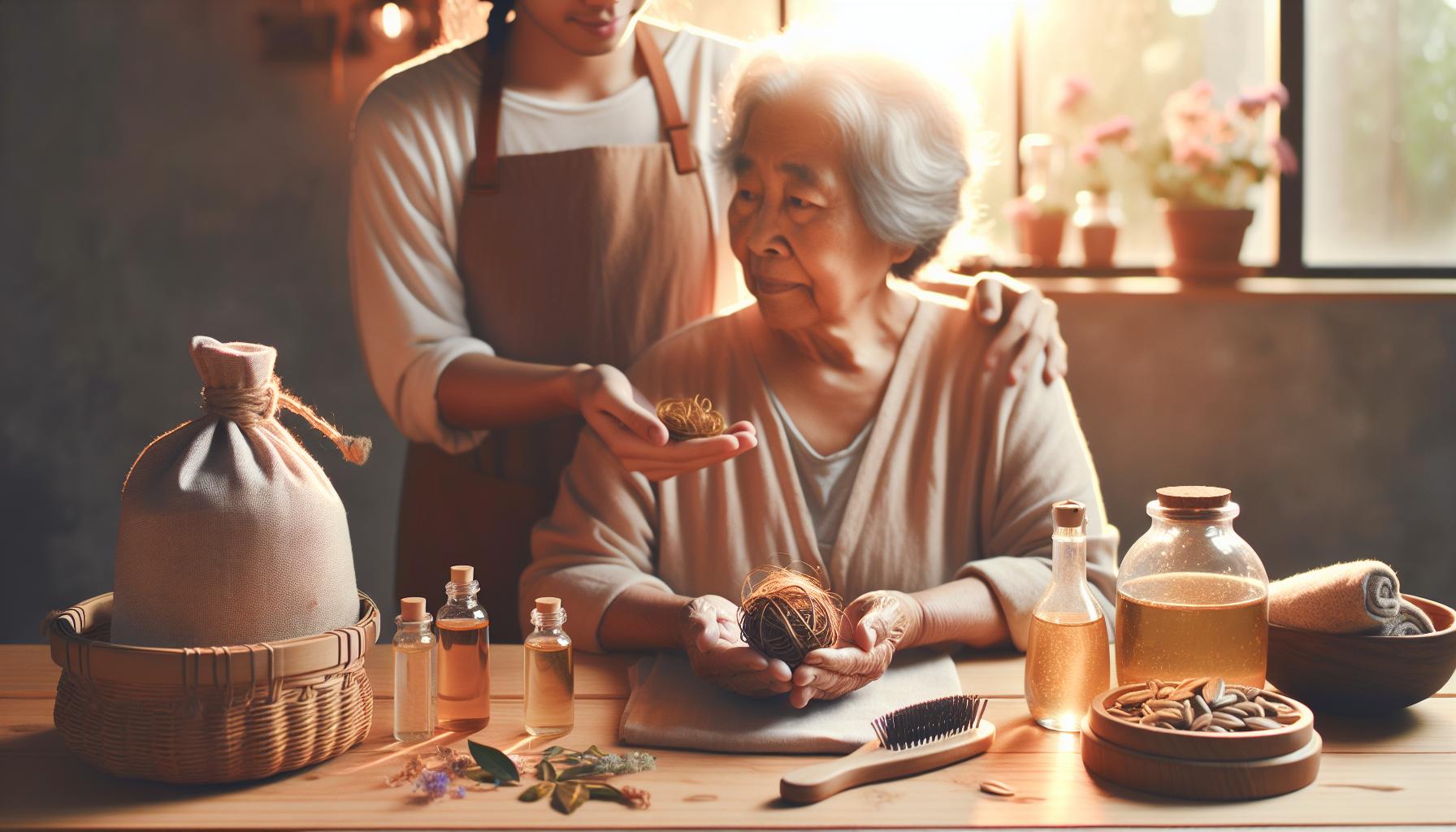
After the joy of welcoming a new baby, many women face an unexpected challenge—thinning hair or hair loss. this common issue post-pregnancy can be distressing, but effective home remedies exist to combat it. Discovering natural solutions not only restores confidence but also promotes overall hair health during this transformative time.
understanding Postpartum Hair Loss: What to Expect
Did you know that nearly 50% of new mothers experience hair loss in the months following childbirth? this phenomenon, known as postpartum hair loss, is a natural process that can be surprising and distressing for many. Understanding what to expect during this period can empower you to manage it effectively and regain your hair’s vitality.
What Causes Postpartum Hair Loss?
During pregnancy, elevated levels of hormones, especially estrogen, keep your hair in a longer growth phase, meaning fewer strands fall out. However, after giving birth, hormone levels fluctuate significantly, which can trigger an extensive shedding process. This usually occurs around three to six months postpartum and is frequently enough characterized by more hair loss than what might have been typical before pregnancy.
How Long Does It Last?
Postpartum hair loss can vary greatly among women.For many, the shedding begins around the third month and can last up to six months, but some may notice a return to their regular hair growth cycle as early as six weeks postpartum. Below is a general timeline of what you might expect:
| timeline | What to Expect |
|---|---|
| 0-3 Months | Minimal hair loss; hair may feel thicker due to hormonal changes. |
| 3-6 Months | Increased shedding; noticeable thinning, particularly around the hairline. |
| 6-12 Months | Shedding slows down; hair starts to regain normalcy. |
Recognizing the Signs
If you’re experiencing postpartum hair loss, you may notice several signs:
- increased Hair Shedding: Finding more strands on your brush or in the shower drain.
- Thinning Hair: A noticeable decrease in volume, particularly around the temples or crown of the head.
- Change in Texture: Your hair may feel softer or finer than it did before.
- Patchy Areas: Some women may notice bald patches or a receding hairline.
While alarming, these changes are typically temporary. Implementing some effective home remedies for hair loss after pregnancy that actually work can definitely help in promoting healthier hair growth and restoring confidence. By nurturing your hair and scalp, you can mitigate some of the effects of postpartum shedding and cultivate a supportive habitat for regrowth.
Nourishing Your Hair: Essential Nutrients for recovery
Did you know that what you put inside your body can significantly affect the health and appearance of your hair? During the postpartum phase, many women experience hair loss, a condition frequently enough exacerbated by hormonal changes and nutritional deficiencies.to combat this, focusing on key nutrients can make all the difference, providing your hair with the strength and vitality it needs to recover and flourish.
To support hair recovery, consider incorporating the following essential nutrients into your diet:
- Protein: Hair is primarily made of a protein called keratin. Ensuring you have enough protein in your diet is crucial for hair growth. foods rich in protein include lean meats, fish, eggs, and plant-based options like beans and lentils.
- Iron: Insufficient iron levels can lead to hair thinning. Sources of iron include leafy greens, red meat, and enriched cereals.
- Omega-3 fatty Acids: These healthy fats nourish the hair follicles and can be found in fatty fish, walnuts, and flaxseeds.
- Vitamins:
- Vitamin A: Promotes sebum production, which keeps hair hydrated. Sweet potatoes and carrots are excellent sources.
- Vitamin C: Aids in collagen production, vital for hair structure.Citrus fruits and bell peppers are packed with this vitamin.
- Biotin: Essential for hair growth, you’ll find biotin in foods like eggs, nuts, and avocados.
To visualize how these nutrients contribute to hair health, take a look at the following table which outlines food sources and their nutritional benefits:
| Food Source | Key Nutrients |
|---|---|
| Salmon | Omega-3 Fatty Acids, Protein |
| Spinach | Iron, Vitamin A, Vitamin C |
| Eggs | Protein, biotin |
| Sweet Potatoes | Vitamin A |
| Nuts (Almonds, Walnuts) | Omega-3 Fatty Acids, Biotin |
Incorporating these nutrients through a balanced diet can act as powerful home remedies for hair loss after pregnancy that actually work. Aim to create meals that include a variety of these foods, and consider consulting with a healthcare provider to tailor your nutritional needs as you navigate this period of recovery.With the right dietary support, your hair can regain its luster and resilience, reflecting the vibrant new life you’re nurturing.
natural Oils That Promote Hair Growth: Tried and Tested
Unlocking the Power of Natural Oils
Did you know that many cultures have relied on natural oils for centuries to nourish and promote hair growth? These oils not only serve as a remedy for hair loss but also strengthen and revitalize hair after pregnancy, giving new mothers the confidence they deserve. Incorporating these oils into your hair care routine can be a simple yet effective home remedy for hair loss after pregnancy that actually works.
Essential Oils for Hair Growth
there are several natural oils that stand out for their hair-boosting properties. Below is a selection of some of the most effective ones:
- Castor Oil: Rich in ricinoleic acid, castor oil enhances blood circulation in the scalp, which can stimulate hair follicles. Regular application may lead to thicker and healthier hair.
- Rosemary Oil: This essential oil is known for its hair growth properties. A study has indicated that rosemary oil may be as effective as minoxidil in stimulating hair growth.
- Coconut Oil: Penetrating the hair shaft deeply,coconut oil prevents protein loss and helps maintain moisture,essential for healthy hair growth.
- Jojoba Oil: Mimicking the natural oils of the scalp, jojoba oil helps to unclog hair follicles and promote healthy growth.
- Olive Oil: Packed with antioxidants and vitamin E, olive oil nourishes the scalp and hydrates hair, making it less prone to breakage.
How to Use Natural Oils Effectively
Incorporating these oils into your hair care routine is simple. Here are some effective ways to use them:
| Oil | application Method | Suggested Frequency |
|---|---|---|
| Castor Oil | Massage into scalp; leave for 30 minutes before washing | 1-2 times a week |
| Rosemary Oil | Dilute with a carrier oil, apply directly to scalp | 2-3 times a week |
| Coconut Oil | Apply to hair and scalp; leave overnight for deep conditioning | 1 time weekly |
| Jojoba Oil | Use as a leave-in conditioner after washing | Every wash |
| Olive Oil | Use as a hot oil treatment once a month | Once a month |
By integrating these natural oils into your self-care rituals, you not only promote hair growth post-pregnancy but also pamper your scalp, providing a rejuvenating experience.These home remedies for hair loss after pregnancy that actually work will set the foundation for healthier,stronger hair,giving you the lush locks you’ve always desired.
Herbal Remedies for Hair Regrowth: Nature’s Healing Power
Did you know that some of the most effective hair regrowth solutions could already be at your fingertips? Herbal remedies, imbued with the time-honored wisdom of nature, have been used for centuries to combat hair thinning and loss—especially in women experiencing hormonal fluctuations after pregnancy. These remedies not only promote regrowth but also nourish the scalp, leading to healthier, stronger hair.
Powerful Herbs for Hair restoration
Incorporating specific herbs into your hair care routine can yield remarkable results. Here are a few notable herbal remedies that have shown promise for boosting hair regrowth:
- Aloe Vera: Known for its soothing properties, aloe vera can cleanse the scalp, reduce dandruff, and promote hair growth. Use fresh aloe vera gel directly on the scalp and wash it out after 30 minutes for best results.
- Bhringraj (Eclipta alba): This revered herb is often termed the “king of herbs” for hair health. It can be applied as an oil or a paste, providing nutrients that may reverse hair thinning.
- Nettle Leaf: Rich in vitamins A, C, D, and K, nettle leaf can be consumed as tea or applied as an infusion to fortify hair follicles and enhance circulation.
- Fenugreek seeds: With its high protein and nicotinic acid content, fenugreek helps in hair follicle rejuvenation. Soak the seeds overnight, grind them into a paste, and apply it to your scalp, rinsing it after 30 minutes.
How to Create Your Herbal treatments
Crafting your herbal remedies can be a simple and rewarding process.Here’s a quick guide to making herbal oils and rinses:
| herb | Preparation Method | Instructions |
|---|---|---|
| Bhringraj | Herbal oil | Infuse bhringraj leaves in coconut or sesame oil for 15 days; strain and apply to the scalp weekly. |
| Fenugreek | Hair mask | Soak fenugreek seeds overnight,blend into a paste,apply for 30 min,then wash out. |
| Nettle | Hair rinse | Steep nettle leaves in water for 20 minutes; strain and use as a final rinse after shampooing. |
These natural treatments can seamlessly become part of your hair care routine, offering a holistic approach to regrowing hair after pregnancy. Implementing these remedies not only fosters growth but can also transform the overall health of your hair, presenting Mother Nature as a powerful ally in your journey to recovery.
Stress management Techniques to Combat hair Loss
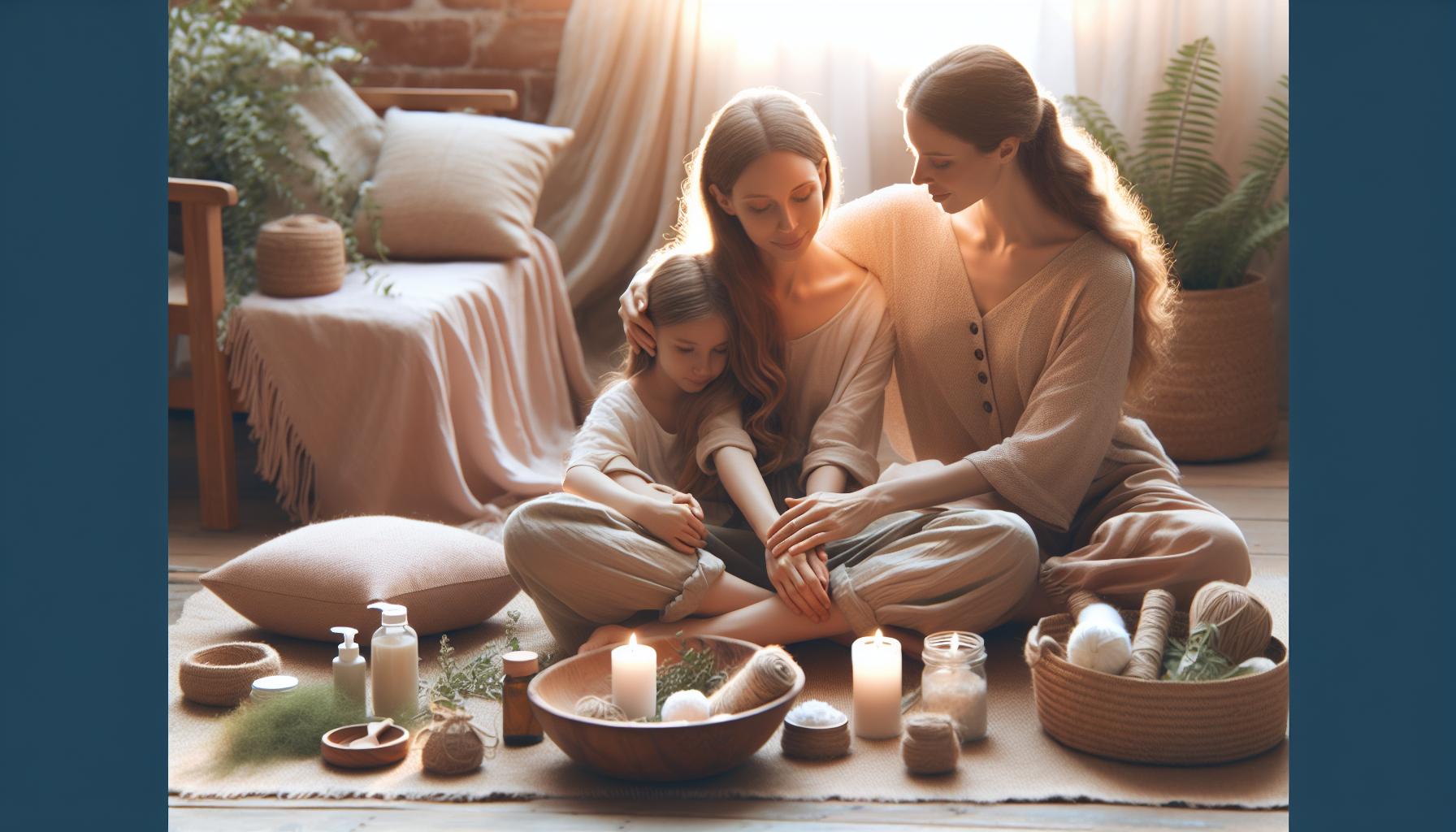
Stress is a common contributor to hair loss, particularly for new mothers navigating the challenges of motherhood and hormonal changes after pregnancy. Engaging in effective stress management techniques not only helps improve overall well-being but can also play a significant role in curbing hair loss. Here are several methods that can help alleviate stress, consequently supporting healthier hair growth.
Mental and Emotional Well-being
Taking care of your mental health is crucial.activities that engage both the mind and body can significantly reduce stress levels. Consider these practices:
- Meditation: Practicing mindfulness meditation can enhance emotional resilience. Just 10-15 minutes a day can create a calm mind, reducing stress and its negative impact on hair health.
- Deep Breathing Exercises: Focus on slow, intentional breaths. Techniques like the 4-7-8 method (inhale for 4 seconds, hold for 7, exhale for 8) can ground you and mitigate feelings of anxiety.
- Journaling: Writing about your experiences and emotions can provide an outlet for your thoughts. Reflecting on positive moments each day can shift your mindset toward gratitude,which can further reduce stress.
Physical Activity
Regular physical activity is a fantastic way to manage stress levels and promote overall wellness. Incorporate these strategies into your routine:
- Yoga: A blend of physical poses, breathing techniques, and meditation, yoga helps build strength while promoting relaxation. Postures such as Child’s pose and Legs-Up-The-Wall can be particularly soothing.
- Walking: A simple yet powerful exercise; a brisk walk in nature can elevate your mood and clear your mind. aim for at least 30 minutes daily.
- Group Classes: Joining a class can provide social interaction and an added layer of support. it can be anything from tai chi to dance, making movement a fun and enriching experience.
Support Networks
Building a strong support network is essential for coping with stress. Here are ways to create deeper connections:
- Connect with Other New Moms: Sharing experiences, challenges, and feelings can foster strong relationships. Consider joining a local or online parenting group.
- Seek Professional Help: Don’t hesitate to reach out to therapists or counselors who specialize in postpartum issues. Professional counseling can provide tailored strategies to handle stress effectively.
- Family and Friends: Lean on your loved ones for support. Schedule regular check-ins or outings, as spending quality time with those you trust can significantly lighten emotional burdens.
| Technique | Benefits |
|---|---|
| Meditation | Enhances focus and emotional stability |
| Yoga | improves versatility and reduces anxiety |
| Journaling | Encourages emotional expression and gratitude |
| Walking | Boosts mood and increases physical health |
Incorporating these stress management techniques can be a game-changer for new mothers experiencing hair loss. As you embrace these practices, not only will you feel more in control, but you may also notice improvements in hair growth alongside your emotional and physical well-being. Remember, managing stress is a vital component of holistic approaches like the Home Remedies for Hair Loss After Pregnancy That Actually Work.
Gentle Hair care Practices for New Moms

Embracing Gentle Hair Care
Navigating motherhood is a miraculous journey, but it often comes with unexpected challenges—one of which is hair loss.Many new moms experience shedding that can be disheartening. Instead of resorting to harmful treatments or complex routines, adopting gentle hair care practices can help mitigate damage and support new growth. Here are some easy, effective ways to care for your hair during this delicate time.
- Prioritize Moisture: Hydration is essential for healthy hair. incorporate nourishing oils such as coconut or argan oil into your routine.Warm a small amount in your hands and apply it mainly to the ends of your hair to prevent dryness and breakage.
- Choose Soft Tools: Use wide-toothed combs or brushes designed for detangling to minimize hair snags. Avoid tugging and opt for gentle strokes instead; this reduces the chance of pulling out fragile strands.
- Limit heat Styling: Cutting back on heat tools like blow dryers and straighteners can help preserve the natural texture and strength of your hair. Embrace your natural waves or curls, or style your hair loosely for a chic, effortless look.
- Frequent Conditioning: Incorporate deep conditioning treatments into your weekly regimen. This could be a store-bought product or a DIY mask made from ingredients like yogurt and honey that provide nourishment and shine.
Diet and nutrition for Healthy Hair Growth
A balanced diet plays a pivotal role in combating postpartum hair loss. Foods high in vitamins and minerals promote hair strength and stimulate regrowth. Consider including the following essentials in your meals:
| Food | Benefits |
|---|---|
| Eggs | Rich in protein and biotin—crucial for hair health. |
| Spinach | Packed with iron and vitamin A that aid in hair growth. |
| Salmon | Omega-3 fatty acids promote a healthy scalp. |
| Sweet Potatoes | Loaded with beta-carotene, supporting healthy hair. |
Adopt a Mindful Approach
Lastly, stress management is crucial. The challenges of motherhood can lead to anxiety, which is often reflected in physical health, including hair loss. Engaging in activities such as yoga, meditation, or even a simple walk can help reduce stress and improve overall well-being. Connecting with other moms for support can also provide both emotional relief and practical tips that align perfectly with home remedies for hair loss after pregnancy that actually work. Remember, nurturing your hair requires patience, just like nurturing a newborn; gentle, consistent care will yield the best results over time.
When to Seek Professional Help: Knowing Your Options
Experiencing hair loss after pregnancy is a common phenomenon, with hormonal changes and the physical fatigue of motherhood playing significant roles. While many women might initially turn to home remedies for hair loss after pregnancy that actually work, there are pivotal moments when self-care alone may not suffice.Recognizing these signs can empower you to take the next steps towards recovery.
Recognizing the Signs
While some shedding is normal in the months following childbirth, excessive hair loss can indicate underlying issues that require professional intervention. here are some signs that it’s time to seek expert help:
- Persistent shedding: If hair loss continues for more than six months beyond childbirth.
- thinning in Specific Areas: Look for bald patches or an unusual widening of the part in your hair.
- Changes in Hair Texture: If your hair feels weaker, duller, or more fragile than previously.
- Associated Symptoms: Noticeable weight gain or loss, fatigue, or changes in menstrual cycles.
Your Options for Professional Help
Once you’ve identified troubling signs, there are various avenues for professional assistance available to you. Consider the following options:
| Professional Type | What They Offer |
|---|---|
| Dermatologist | Assessment of scalp health, diagnosis of hair loss types, and prescription treatments. |
| Trichologist | Specialized advice on hair and scalp health,including tailored treatment plans. |
| Nutritionist | Guidance on dietary choices that support hair growth, with an emphasis on postpartum nutrition. |
| Primary Care Physician | Comprehensive check-up to rule out underlying health issues like thyroid imbalances. |
By understanding your options, you can navigate the journey of hair loss more effectively. Consulting with a professional can lead to tailored treatments or lifestyle recommendations—enhancing your chances of regaining your luscious locks and wellbeing in the process. Don’t hesitate to reach out for help; the strength to overcome this challenge often lies in seeking the right support.
Insights and Conclusions
As we wrap up our exploration of home remedies for hair loss after pregnancy that truly make a difference, remember that you’re not alone on this journey.The physical and emotional changes that accompany motherhood can be overwhelming, but there are effective, natural solutions to help you reclaim your hair and boost your confidence. From nourishing oils to balanced dietary choices,each remedy we discussed offers a gentle way to support your post-pregnancy body.
Don’t hesitate to give these remedies a try and observe what works best for you – every person’s journey is unique. We encourage you to share your experiences with fellow parents and to keep learning about self-care practices that nurture both your body and spirit. You deserve to feel beautiful and empowered as you navigate this new chapter of your life. Keep exploring, stay hopeful, and embrace the fantastic parent you are!
Get our latest guides, news, and insights highlighted in your Google Search & AI Overviews.

