

As a breastfeeding parent, effectively managing your expressed milk can be a daunting challenge. The Pitcher Method offers a practical and efficient way to store milk while ensuring itS freshness and safety. Understanding this technique not only simplifies the pumping process but also supports your baby’s nutritional needs, making it an essential topic for nursing families.
Understanding the Pitcher Method: A Gentle Approach to Milk Storage
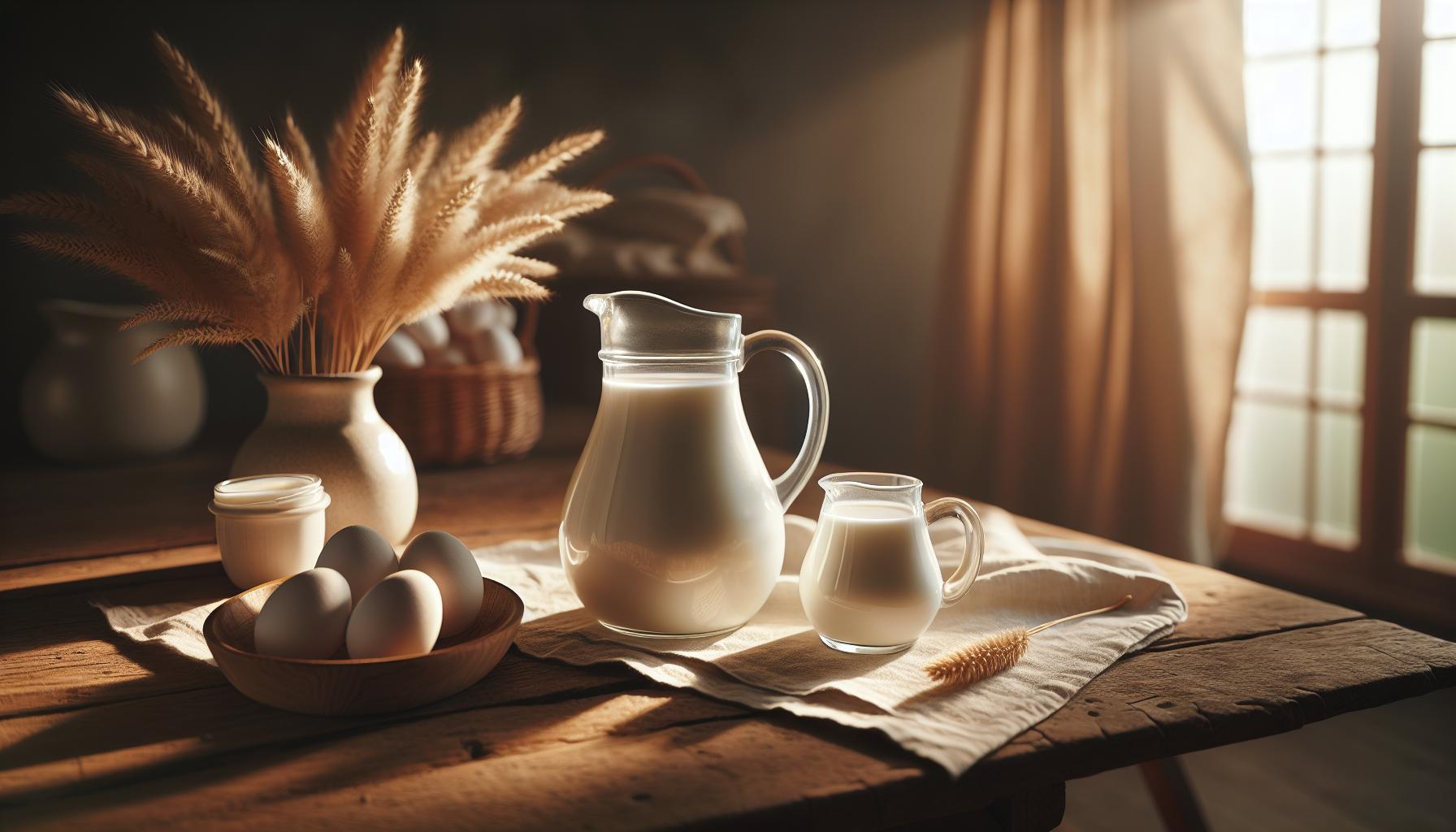
Did you know that storing milk effectively can make a world of difference for nursing mothers and their babies? The Pitcher Method offers a practical and gentle approach to milk storage, ensuring that the liquid gold—breast milk—remains safe, fresh, and nutritious for your little one. This method not only simplifies the storage process but also maximizes the use of space and minimizes waste.
What is the Pitcher Method?
The Pitcher Method involves using a designated pitcher to collect and store breast milk. Unlike traditional storage methods that frequently enough rely on individual bags or containers,this technique encourages mothers to collect milk throughout the day in a single pitcher,which can then be stored in the refrigerator. This consolidated approach allows for easier tracking of the total amount of milk collected and reduces the chances of forgetting previously pumped milk.
Key Benefits of the Pitcher Method
There are several advantages to adopting the Pitcher Method when it comes to milk storage:
- Simplified storage: One container reduces clutter in your fridge and streamlines the storage process.
- Waste reduction: By aggregating milk, you minimize the risk of accidentally discarding unused milk.
- Nutritional preservation: The method promotes better preservation of nutrients, as milk is kept fresh without frequent temperature changes from multiple transfers.
- Visibility: It becomes easier to monitor how much milk you have on hand.
How to Implement the Pitcher Method
To effectively use the Pitcher Method of storing milk when pumping or nursing, follow these simple steps:
- Choose the right pitcher: opt for a clean, BPA-free pitcher with a lid that can hold a sufficient amount of milk without taking too much space in your refrigerator.
- Label your milk: Each time you pump, label the pitcher with the date and time of collection.This will help you keep track of freshness.
- Combine milk appropriately: According to the CDC, milk can be combined if it is at the same temperature. If you’re mixing freshly expressed and refrigerated milk,ensure the freshly expressed milk is cooled before mixing.
- Store safely: Keep the pitcher in the main compartment of the fridge, where temperatures remain consistent, rather than in the door where they can fluctuate.
- Plan for usage: Use older milk first to maintain freshness, ideally within 4-7 days if refrigerated.
Implementing this practical method can considerably enhance the efficiency of your milk storage routine, allowing you more time to bond with your baby while knowing that their nutritional needs are being met with the utmost care.
Step-by-Step Guide to Using the Pitcher Method Effectively
Using the Pitcher Method for storing milk can revolutionize your pumping or nursing routine, ensuring that your baby always has access to fresh milk while maximizing your storage options. This method minimizes waste, maintains milk quality, and simplifies milk management. Here’s how to effectively implement the Pitcher Method in your daily breastfeeding or pumping routine.
Planning: Gather Your Supplies
Before you begin, ensure you have everything needed for the Pitcher Method:
- High-quality pitcher: Choose a clean, food-grade pitcher that can hold the amount of milk you plan to store.
- Storage bags or containers: These are essential for individual portions you may need to later freeze or share.
- Measuring cups: For precise measurement of your milk volumes.
- Labels: To mark the dates and volumes of stored milk for easy tracking.
Using the Pitcher Method
- Pumping or Collecting Milk: Start by pumping or collecting milk directly into the pitcher during your sessions. If you’re nursing, express the milk into the pitcher after feeds to capture any additional milk.
- Mixing Milk Volumes: As you pump throughout the day, pour fresh milk into the pitcher. Mixing different pumping sessions is beneficial as long as all milk is of similar temperature and safely within the same day. The Pitcher Method allows you to blend milk from different times to avoid waste.
- Storage: Once the pitcher reaches its capacity—or at the end of the day—divide the milk into smaller, labeled portions using storage bags or containers. this facilitates easy thawing and warming and ensures you use older milk first, adhering to the first-in, first-out rule.
- Cleaning and Maintenance: After each use, be sure to thoroughly clean the pitcher to prevent any bacterial growth. Regularly inspect your supplies for freshness, ensuring everything remains in good condition for your little one.
Benefits of the Pitcher Method
Utilizing the Pitcher Method streamlines your milk storage process and brings several benefits:
| Benefit | description |
|---|---|
| Reduced Waste | By mixing milk from different sessions, you minimize the chances of throwing away unused milk. |
| Better Institution | This method allows you to maintain a cohesive overview of your milk supply, avoiding chaos in your fridge or freezer. |
| Enhanced Freshness | Mixing similar temperature milk provides a consistent quality that babies appreciate. |
With this structured approach, the Pitcher Method of storing milk when pumping or nursing becomes a hassle-free and efficient way to ensure your newborn has access to fresh milk, ultimately enhancing your breastfeeding experience.
Best Practices for Pumping and Storing Milk with Confidence

Did you know that properly storing breast milk can help maintain its quality and nutritional value for your little one? Utilizing the pitcher method of storing milk is one of the most efficient strategies for nursing and pumping mothers. this technique not only maximizes storage space but also ensures easy access to milk without sacrificing quality.Below are best practices that will help you pump and store milk with confidence.
Understanding the Pitcher Method
The pitcher method revolves around collecting milk in a large container, allowing you to pour out smaller portions as needed. this technique simplifies the process of handling multiple pumps throughout the day, creating a more streamlined approach.
Key Best Practices
- Choose the Right Container: Select a pitcher that is specifically designed for breast milk storage. It should be BPA-free, and preferably made of glass or high-quality plastic.
- Label Everything: to avoid confusion, label your pitcher with the date and time of pumping. This practice helps ensure you use the oldest milk first, following the FIFO (first in, first out) rule.
- Store Properly: Refrigerate or freeze your milk promptly after pumping. The pitcher method allows you to consolidate your milk, but temperatures should always be kept at the recommended levels—42°F (5°C) or colder for refrigerator storage, and -4°F (-20°C) or colder for freezing.
- Maintain Cleanliness: Always wash your hands before handling any pumping equipment. After using the pitcher, clean it thoroughly with hot, soapy water or place it in the dishwasher to eliminate any potential contaminants.
Storage Guidelines
It’s essential to understand how long breast milk can be stored based on the conditions. The following table encapsulates key storage times to keep your milk safe and effective:
| Storage Method | Refrigerator | Freezer |
|---|---|---|
| Freshly Pumped milk | Up to 4 days | Up to 6 months |
| Thawed Milk | Up to 24 hours | N/A |
| Previously Frozen milk | Up to 24 hours | N/A |
Building Confidence in Your Process
Experience plays a vital role in developing confidence when pumping and storing milk. Familiarizing yourself with the pitcher method and actively applying its best practices leads to less stress during your breastfeeding journey. Consider joining online communities or local support groups to share tips and experiences with other nursing mothers who are also utilizing the pitcher method.Remember, every drop counts, and with the right knowledge, you’ll be able to provide the best for your baby.
How Temperature Plays a Role in Milk Preservation

Maintaining the quality and safety of milk, whether it’s freshly pumped or stored for later use, is crucial for nursing mothers. one of the simplest yet most effective ways to ensure the safety of milk is by understanding how temperature influences its preservation. The Pitcher Method of Storing Milk When Pumping or Nursing Explained offers practical guidance, but let’s delve deeper into the temperature’s role in this process.
Understanding Temperature’s Impact on Milk quality
Milk is a perishable product,and its quality can degrade rapidly if not stored correctly.bacteria thrive in warmer conditions, which can lead to spoilage like souring or curdling. For nursing mothers, understanding the maximum safe temperature for storing milk can make all the difference in the effectiveness of the Pitcher Method. The USDA recommends the following temperature guidelines:
| Temperature Range | Storage Duration |
|---|---|
| Room Temperature (up to 77°F / 25°C) | Up to 4 hours |
| Refrigerator (32°F to 39°F / 0°C to 4°C) | Up to 5 days |
| freezer (0°F / -18°C or lower) | up to 6 months |
Best Practices for Temperature Management
When implementing the Pitcher Method of Storing Milk When Pumping or Nursing, it’s vital to include specific steps to manage temperature throughout the process:
- Pre-chill Your Pitcher: Place your storage pitcher in the refrigerator for at least an hour before use. This ensures that the milk will stay cool for a longer period after pumping.
- Avoid temperature Fluctuations: Keep milk consistently at recommended temperatures. minimize the time milk spends at room temperature during transitions from pumping to storage.
- Label and Date: Clearly label your milk storage containers with the date and time of pumping.This practice enables you to keep track of freshness and allows for better organization in your refrigerator or freezer.
By taking these precautions,nursing mothers can effectively extend the shelf life of their milk. Understanding how temperature plays a pivotal role in milk preservation not only enhances safety but also supports the health and nutrition of their little ones.
Tips for Labeling and Organizing Your Milk Storage
Keeping your milk supply organized is essential for any breastfeeding or pumping parent,especially when using the Pitcher Method for storing milk. An efficient labeling and organization system not only helps in tracking your contributions but also ensures that you’re using the freshest milk for your little one. Here are some strategies to streamline your milk storage process.
Effective Labeling Strategies
When it comes to labeling your milk containers, clarity is key. Here are some guidelines to make your milk storage easier:
- Date and Time: Always label each container with the date and time of expression. This allows you to use the oldest milk first, adhering to the “first in, first out” (FIFO) principle.
- quantity: Indicate how many ounces or milliliters of milk the container holds. This helps caregivers know portions at a glance.
- Type of Milk: If you’re combining milk from different pumping sessions, it’s helpful to mark whether it’s fresh milk or thawed milk.
Organizing Your Milk Storage
Once your bottles are labeled, proper organization will help you easily access what you need when it’s time to feed your baby. Consider the following tips:
- Dedicated Milk Space: Designate a specific area in your refrigerator or freezer for your milk. Using a shelf or a bin will keep it separate from other items, reducing the chances of accidental spillage or misplacement.
- Category Bins: Use separate bins to categorize your milk by time or type – such as, morning milk in one bin and evening milk in another. This makes it easier to grab what you need without rummaging through your entire supply.
- Temperature Zones: Understand that different shelves in the fridge may have varying temperatures. Store your milk on the middle shelves where the temperature is most stable.
Visual Organization with Tables
A visual tracking system can also enhance your organization efforts. Below is a simple sample table template you can adapt to keep track of your stored milk:
| Date | Time | Amount (oz) | Type (Fresh/Thawed) |
|---|---|---|---|
| 2023-10-15 | 08:30 AM | 6 | Fresh |
| 2023-10-14 | 05:00 PM | 4 | Thawed |
By implementing these labeling and organizational strategies, you can simplify your milk storage process effectively using the pitcher Method of Storing Milk When Pumping or Nursing Explained.A well-structured system not only saves time but also ensures that your baby receives the best quality nutrition.
Common Issues and Solutions When Using the Pitcher Method
Did you know that the way you store your milk can significantly impact its freshness and quality? While the Pitcher Method of Storing Milk When Pumping or Nursing Explained is lauded for its efficiency and effectiveness, users can encounter a variety of challenges. Understanding these common issues—and their solutions—can make your storage experience much smoother.
Typical Challenges with the Pitcher Method
While the pitcher Method simplifies milk storage, it’s not without its hiccups. Here are a few common issues you might face:
- Spillage Risk: When pouring milk into smaller containers for feeding, you may experience spills, leading to waste.
- Temperature Discrepancies: Moving milk in and out of cold storage without proper handling can cause temperature fluctuations, affecting shelf life.
- odor or Taste Absorption: If not stored properly, milk can absorb odors from the environment, impacting its taste.
- Lack of Clear Labels: Without labeling, it can be hard to keep track of storage dates, risking the use of expired milk.
Effective Solutions to Common Issues
To address these challenges, consider implementing the following strategies:
- Utilize Spill-Proof Containers: Invest in containers designed to prevent leakage during transfer. Look for ones with secure lids, reducing the risk of spillage.
- Check Temperature Regularly: Use a thermometer to ensure the milk stays within the recommended storage temperature of 32°F to 39°F (0°C to 4°C). Keeping the pitcher filled to the brim can minimize temperature changes when adding new milk.
- Store in an Odor-Free Environment: Use high-quality, airtight containers to protect your milk from absorbing fridge odors. Consider using a dedicated shelf for milk storage.
- Implement a Labeling System: Use waterproof labels or a marker to record pumping dates and expiration dates on your containers. A simple color-coding system can also help you quickly identify the oldest milk.
A Practical Example
If you notice your milk occasionally developing an off-flavour, consider a simple habit: make it a point to regularly check the freshness of items in your fridge. Keep frequently used items in the front while moving older milk or perishables to the back. By enhancing your organizational system, you ensure that the milk you store using the Pitcher Method remains fresh and ready whenever you need it.
These actionable steps will not only help you navigate the common pitfalls associated with the Pitcher Method of Storing Milk When Pumping or Nursing Explained but also ensure that your milk stays fresh, safe, and ready for use.
Expert Insights: What Pediatricians Say About Milk Storage
Did you know that the way you store breast milk can significantly impact its freshness and nutritional value? Understanding the best practices for milk storage is crucial, especially for new parents navigating the world of breastfeeding and pumping. Pediatricians emphasize that following proper storage methods not only ensures the safety of the milk but also maximizes its benefits for your baby.
Why Choose the Pitcher Method?
The pitcher Method of storing milk, as described in recent guidance, offers a practical way to manage your milk supply effectively. Many pediatricians advocate for this method due to its efficiency and simplicity. Instead of pouring milk into individual containers every time you pump, this technique allows you to combine amounts into a single pitcher. This approach minimizes waste by allowing you to use leftover milk from different sessions without compromising quality.A common concern about milk storage is the risk of contamination. Pediatricians recommend ensuring that the pitcher is clean and made from safe materials. Using glass or BPA-free plastic keeps the milk free from harmful chemicals. Additionally, when combining milk from different pumping sessions, always remember to cool freshly pumped milk before adding it to previously refrigerated milk. This cautious step helps maintain the freshness and nutritional integrity of the stored milk.
Expert Recommendations and Best Practices
Here are some key recommendations from pediatricians regarding the storage and usage of milk:
- Storage Timelines: Breast milk can be stored in the refrigerator for up to four days and in the freezer for six months or longer, depending on the conditions. Always label your milk with the date and time.
- Temperature Control: Keep your refrigerator temperature at or below 4°C (39°F) and the freezer at -18°C (0°F) to ensure optimal storage conditions.
- Thawing and Reusing: Always thaw frozen milk in the refrigerator or in a warm water bath. Never refreeze thawed milk to avoid compromising its quality.
For clarity, consider the following table summarizing popular breast milk storage practices:
| Storage Environment | Duration | Notes |
|---|---|---|
| Fridge (4°C / 39°F) | Up to 4 days | Store in the back of the fridge, not in the door. |
| Freezer (-18°C / 0°F) | Up to 6 months | Use in a chest freezer for best quality. |
| Room Temperature (25°C / 77°F) | Up to 4 hours | Use within this timeframe for best safety. |
These insights from pediatricians not only reinforce the importance of the Pitcher Method but also provide a framework for all caregivers to follow. By prioritizing safe storage practices, parents can ensure their little ones receive the best nutrition, even when stored milk is utilized.
Real Stories: parents Share Their Experience with the Pitcher method
Real-Life Experiences with the Pitcher Method
In the world of parenting, every decision, especially regarding feeding, can lead to a myriad of emotions—from joy to anxiety. The Pitcher Method of storing milk while pumping or nursing has garnered attention for its simplicity and effectiveness. Here, parents share their heartfelt stories of how this method transformed their pumping and nursing experiences, providing insights that could guide others in similar situations.
- Jenny’s Journey: After returning to work, Jenny was anxious about maintaining her milk supply while pumping. She embraced the Pitcher Method and found that storing milk in a pitcher allowed her to easily manage and monitor the quantities. “It felt less overwhelming,” she recalls. “I could see how much I had and knew exactly what my baby was getting on a daily basis.” Jenny also appreciated that the pitcher kept everything in one place, which made it easier for her to fill bottles during late-night feedings.
- Mike and Emily’s Experiment: New parents Mike and Emily initially struggled with the chaos of pumping and feeding. after discovering the Pitcher Method, they turned their chaotic routine into a streamlined process. “It allowed us to batch our milk storage,” they said.”Rather of filling several bags and juggling storage space in the freezer, we could simply pour into the pitcher and easily store it.” They also enjoyed the adaptability of using the milk from the pitcher throughout the day, instead of worrying about freeze and thaw cycles.
- Aisha’s Success with Multiples: for mom Aisha, who was nursing twins, the Pitcher Method became a lifesaver. Managing two babies’ feeding needs concurrently is no small feat. Using the pitcher helped her quickly consolidate her pumped milk, ensuring that both babies had enough to eat. “It was one less thing to stress about,” she shared. “I just poured from the pitcher into bottles and labeled them for the next feeding.” This method significantly reduced the time spent on preparation, allowing her to dedicate more moments to cuddle her babies.
Key Takeaways from parents
The experiences shared by these parents highlight several practical advantages of the Pitcher Method that can benefit others:
| Advantage | Description |
|---|---|
| Convenience | Storing milk in a pitcher simplifies the process of tracking amounts and minimizing waste. |
| Space-saving | Using a pitcher frequently enough requires less freezer or fridge space compared to traditional methods. |
| Efficiency | Parents can quickly pour and serve milk from the pitcher, saving time during feeding routines. |
Through sharing their real stories, these parents illustrate that the Pitcher Method of storing milk while pumping or nursing is more than just a technique; it’s a lifestyle change that can alleviate some of the pressures associated with feeding infants. Embracing this method has empowered them to focus more on their precious moments with their little ones rather than the logistics of preparing their feeds.
In Summary
the Pitcher Method for storing milk while pumping or nursing offers a practical and efficient way to manage your milk supply,ensuring that your little one receives the best nutrition possible. By understanding this method, you can simplify your feeding routine, minimize waste, and create a more organized system for your milk storage. Remember, every parent’s journey is unique, and finding what works for you and your family is paramount. We encourage you to explore more about breastfeeding techniques, storage tips, and milk management strategies. You’ve taken an critically important step in your parenting journey—keep seeking knowledge, connecting with others, and empowering yourself with the tools you need. Your dedication makes a difference not only for your child but for your whole family. Happy feeding!
Get our latest guides, news, and insights highlighted in your Google Search & AI Overviews.

