

Navigating the challenges of breastfeeding can be daunting, especially when it comes to sustaining comfort and maintaining discretion in public. Nipple covers offer a practical solution, allowing mothers to feel secure and confident while nursing. This article explores essential silicone and fabric options that enhance both comfort and convenience for breastfeeding mothers on the go.
Understanding Nipple Covers: A New Ally for Breastfeeding Moms
did you know that many breastfeeding moms face the dual challenge of comfort and discretion during nursing? For those navigating the world of motherhood, nipple covers have emerged as an essential tool in their arsenal. These innovative products not only provide physical comfort but also allow mothers to breastfeed with confidence, whether at home or on the go.
Why Choose Nipple Covers?
Nipple covers cater to the needs of breastfeeding mothers by offering multiple benefits:
- Comfort: Soft materials and sleek designs minimize friction and irritation, making breastfeeding a more pleasant experience.
- discretion: With nipple covers, moms can feel secure that their breastfeeding sessions remain private, even in public settings.
- Protective Barrier: Thay provide a layer of protection against leaks and chafing, which can be particularly advantageous during the early months when mothers may experience sensitivity.
Types of Nipple Covers
Not all nipple covers are created equal, and selecting the right type can significantly affect your breastfeeding experience. Check out this simple comparison of various types:
| Type | Material | Best For |
|---|---|---|
| Silicone Covers | Silicone | Everyday use; discreet under clothing |
| Fabric Covers | Cotton or Bamboo | Sensitive skin; allergy considerations |
| Adhesive Covers | Medical-grade adhesive | Firm hold for active moms |
When selecting nipple covers, consider factors such as the duration of use, your level of activity, and personal sensitivities. For instance, mothers with sensitive skin might prefer fabric covers made from organic materials, while those needing a firmer grip may lean toward adhesive versions.
Real-World Applications
Breastfeeding moms have discovered several ways to incorporate nipple covers into their daily routines. Such as, moms who work in professional settings frequently enough find that wearing silicone covers under blouses allows them to nurse discreetly during breaks. Additionally, on playdates or social gatherings, these covers allow for a seamless transition between nursing discreetly and engaging with friends.
Incorporating nipple covers into your breastfeeding journey not only supports comfort and discretion but also empowers you to embrace motherhood fully. As each new day brings its own challenges,having this ally by your side can make all the difference in your breastfeeding experience.
The Benefits of Using Nipple Covers During Your Nursing Journey
Did you know that using nipple covers during the nursing journey can significantly enhance your comfort and confidence as a breastfeeding mother? As you navigate this intimate yet sometimes challenging experience, nipple covers—also known as breast pads—can serve as invaluable tools that promote both comfort and discretion, making breastfeeding a more enjoyable experience.
Enhanced Comfort
During breastfeeding, some mothers may experience sensitivity or irritation, especially in the early days when nursing becomes a new routine. Nipple covers can provide a soft barrier that reduces friction from clothing and prevents chafing. This cushioning effect allows moms to focus on nurturing their little ones rather than on discomfort from raw, sore nipples.
- Protection against irritation: The silicone or fabric materials of nipple covers shield sensitive areas from clothing, minimizing the risk of discomfort.
- Heat and moisture management: Many nipple covers are designed with breathable materials that wick away moisture, keeping the area dry and cool.
discretion in Public Spaces
One of the moast common concerns for nursing mothers is how to breastfeed discreetly in public. nipple covers can significantly alleviate these worries by providing a seamless look under clothing, making it easier to nurse without feeling exposed. They allow for a more agreeable experience while navigating public spaces, whether at a park, shopping mall, or a family gathering.
Benefits of Discreet Nursing with Nipple Covers
| Advantage | Description |
|---|---|
| Confidence Boost | Wearing nipple covers can help you feel more assured, enabling you to nurse anywhere. |
| Flexible Outfit Choices | Nipple covers provide versatility in wardrobe, allowing you to wear a wider range of clothing without worrying about showing too much. |
| Speedy and easy Application | Many nipple covers are designed for simple placement and removal, making it quick to prepare for nursing sessions. |
By integrating nipple covers into your breastfeeding toolkit, you’re not only enhancing your comfort during this special time but also embracing the freedom to feed your baby without restrictions. In every feeding session, they serve as unsung heroes, supporting you in meeting both your needs and those of your little one.
Choosing the right Nipple Covers: What to Look For
When it comes to breastfeeding, convenience and comfort are paramount. One ofen overlooked aspect is the choice of nipple covers, which can significantly influence the breastfeeding experience. Well-chosen nipple covers not only provide discretion but also enhance comfort, making the experience more enjoyable for both mother and baby.
Material Matters
The type of material used in nipple covers is crucial for comfort and effectiveness. Look for options made from soft, breathable fabrics such as silicone, cotton, or polyurethane. Silicone covers are often praised for their adaptability and ability to mold to the shape of the breast while providing a waterproof barrier, essential for nursing mothers who may encounter leaks. On the other hand, cotton offers a more natural feel, which can be especially soothing for sensitive skin.
Adhesive Quality
A reliable adhesive is another critical aspect when choosing nipple covers. You want a product that adheres securely but is also gentle on your skin for easy removal. Check for products that feature skin-friendly adhesives,which can provide long-lasting support without causing irritation. It’s also an excellent idea to perform a patch test before widespread use, ensuring that the adhesive won’t provoke an allergic reaction or discomfort.
Fit and Size
Finding the right fit is essential for maximizing the effectiveness of your nipple covers. Many brands offer various sizes and shapes to accommodate different breast sizes and breast shapes. A poorly fitting cover might shift during use, leading to potential discomfort. before purchasing, consider your specific needs and if possible, consult a sizing guide provided by the manufacturer. This could save you from discomfort and ensure a perfect fit.
Additional Features to Consider
Some nipple covers come with additional features that can enhance your breastfeeding experience. Here are a few aspects to keep in mind:
- Reusability: Opt for reusable covers for cost-effectiveness and environmental sustainability.
- Thermal Regulation: Certain covers offer features like heat retention or cooling properties, which may provide extra comfort.
- Washability: Ensure that the covers can be easily cleaned, especially during the breastfeeding period.
You can quickly compare various models and their features in the following table:
| Brand | material | Adhesive | Price | Reusable |
|---|---|---|---|---|
| Brand A | Silicone | Skin-friendly | $15 | Yes |
| Brand B | Cotton | Hypoallergenic | $10 | No |
| Brand C | Polyurethane | Durable | $20 | Yes |
By keeping these considerations in mind,you can choose the nipple covers that best suit your needs as a breastfeeding mother,combining comfort and discretion for a positive experience.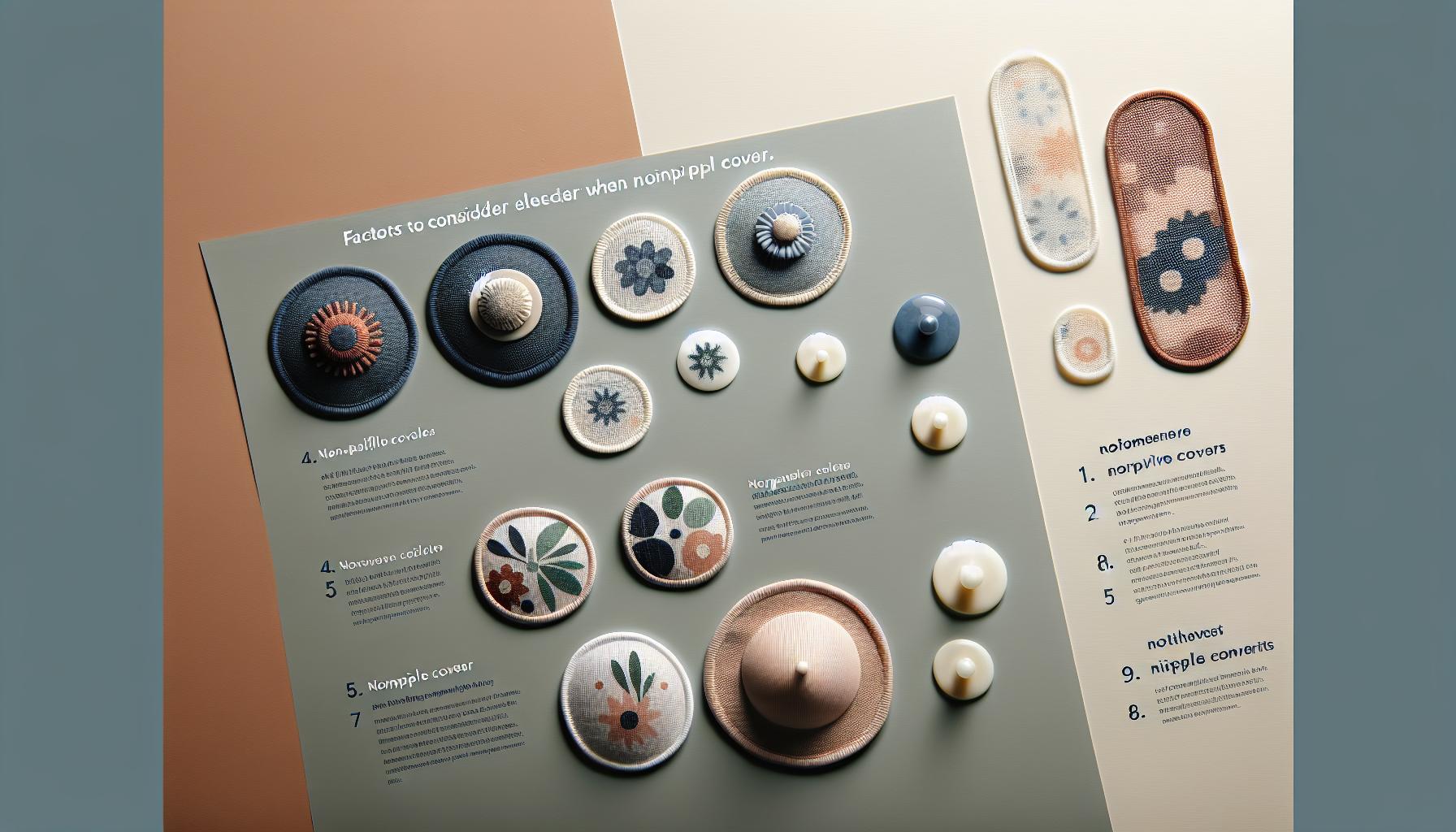
How to Use Nipple Covers for Maximum Comfort and Discretion
Did you know that over 85% of breastfeeding mothers seek ways to enhance their comfort and maintain discretion while nursing? Nipple covers have emerged as a popular solution to these needs, allowing mothers to feel empowered and confident during feeding sessions. Understanding the best practices for utilizing these covers can make a notable difference in your breastfeeding experience.
Choosing the Right Nipple Covers
Selection is key when it comes to ensuring comfort and discretion. Opt for nipple covers that are not only soft against the skin but also adhesive and breathable. Here are some factors to consider when shopping for the perfect nipple cover:
- Material: Choose silicone or fabric options that are skin-friendly and hypoallergenic.
- Shape: Look for covers that conform to your natural breast shape for enhanced fit.
- Adhesive quality: Ensure that the adhesive is strong enough to hold through feeding sessions without irritation.
Application and Removal Techniques
Proper application and removal of nipple covers can significantly influence comfort levels. Follow these simple steps to maximize your experience:
- Clean your skin: Start with clean,dry skin to ensure that the adhesive sticks effectively.
- Position correctly: Gently press the nipple cover onto your breast, centering it over your nipple.
- Check for fit: Smooth out any air bubbles or wrinkles for a seamless finish.
When it comes to removal,gently peel the cover from the edge to prevent any tearing.If you experience discomfort during removal, consider using warm water to loosen the adhesive.
Caring for Your Nipple Covers
To maintain the longevity and effectiveness of your nipple covers, proper care is crucial. Here’s how to keep them in excellent condition:
- Cleaning: Wash them gently with mild soap and water after each use to remove any milk residue and skin oils.
- Storage: Keep them in a clean, dry environment, ideally in a dedicated case or pouch to protect them from dust and damage.
For those who may use them frequently, having a few pairs on hand can ensure you always have a clean, comfortable option available.
| Tip | Details |
|---|---|
| Frequency of Use | Consider alternating covers to allow each pair to recover its adhesive qualities. |
| Skin Sensitivity | If irritation occurs, discontinue use and consult with a healthcare provider. |
Utilizing nipple covers the right way can transform your breastfeeding journey, blending both comfort and discretion seamlessly into your routine.
Caring for Your Nipple Covers: Tips for Longevity and Hygiene
Caring for your nipple covers is essential not just for maintaining their integrity but also for ensuring your breastfeeding experience remains comfortable and discreet. Many new mothers invest in these handy essentials to provide support and coverage, and understanding how to care for them can enhance their longevity significantly.
Cleaning Techniques
One of the most critical aspects of maintaining nipple covers is proper cleaning.Depending on the material,different methods may be required:
- Silicone Covers: Rinse them under warm water after each use,using a gentle soap. avoid harsh chemicals that can degrade the material over time.
- Fabric covers: Wash them by hand in cold water with a mild detergent, then lay them flat to dry. never wring them out, as this may distort their shape.
- Disposable Covers: Dispose of them after use, as they are designed for single-use. Avoid trying to wash and reuse them.
Storage Tips
How you store your nipple covers can greatly impact their lifespan. Here’s how to keep them in great condition:
- Store silicone and fabric covers in a cool, dry place away from direct sunlight to prevent discoloration or deformation.
- Use a small pouch or case to protect them from dust and damage, especially during travel.
- Avoid stacking heavy items on top of them, as this may lead to creasing or tearing.
Hygiene and Usage Best Practices
Maintaining hygiene is crucial for both you and your baby. Follow these best practices:
| Practice | Description |
|---|---|
| Regular Checks | Inspect your nipple covers for any signs of wear and tear regularly. Replace them if you notice any damage. |
| Minimal Skin Contact | Try to minimize direct skin contact, particularly if you have sensitive skin, which can affect the integrity of the covers. |
| Follow Manufacturer Guidelines | Always adhere to the care instructions provided by the manufacturer for optimal care and performance. |
By implementing these tips into your routine, you’ll help ensure that your nipple covers remain a reliable aid in your breastfeeding journey, allowing you to prioritize comfort and discretion at all times.
Expert Insights: Pediatrician and Lactation Consultant Perspectives
Did you know that comfort and discretion are two primary concerns for many breastfeeding mothers? While the joy of nursing is undeniable, the challenges surrounding it often make mothers seek innovative solutions. This is where nipple covers come into play, offering both practical benefits and peace of mind.Gaining insights from pediatricians and lactation consultants can provide a comprehensive understanding of their role during this significant phase.
Understanding Nipple Covers from a Pediatrician’s Perspective
Pediatricians emphasize the importance of both comfort and functionality when it comes to breastfeeding aids. Many recommend nipple covers as a viable option for new mothers. Some key points highlighted by pediatric experts include:
- Protection: Nipple covers can prevent irritation and chafing for mothers with sensitive skin during the nursing process.
- Discretion: For mothers aiming to maintain privacy while breastfeeding, nipple covers can offer a discreet solution without compromising the bond with their baby.
- Ease of Use: Pediatricians advocate for products that are easy to apply and clean, ensuring that moms can focus on their newborn rather than worrying about complicated products.
moreover, recognizing the signs that a baby is ready to breastfeed can help mothers establish a consistent routine.Pediatricians encourage mothers to observe their baby’s cues before using nipple covers, ensuring smooth transitions from cover to skin.
Lactation Consultants Weigh In on effectiveness
Lactation consultants bring additional insights by focusing on the practicality and long-term effects of using nipple covers during breastfeeding. They provide a nuanced take on how these covers can complement a prosperous nursing experience:
- Support for Latching: While some mothers find nipple covers helpful, consultants warn that they can occasionally interfere with latching. It’s essential to choose designs that allow for effective skin-to-skin contact when needed.
- Material Matters: Lactation consultants note that the choice of materials is crucial. Breathable fabrics that mimic the skin can facilitate better integration into a mother’s breastfeeding practice.
- Emotional Well-being: Breastfeeding is as much an emotional journey as it is a physical one. By providing a sense of control, nipple covers can reduce anxiety about public breastfeeding, positively impacting a mother’s nursing experience.
incorporating feedback from both pediatricians and lactation consultants highlights the multifaceted benefits of nipple covers for breastfeeding. Their input reinforces that choosing the right product can lead to a more comfortable and discreet experience, enhancing the breastfeeding journey for mothers and their babies alike.
Navigating Common Concerns: When to Consider Nipple Covers
Did you know that over 80% of breastfeeding mothers experience challenges with comfort and discretion while nursing in public? This statistic underscores the importance of finding practical solutions, such as nipple covers, to make the breastfeeding experience more enjoyable and less stressful. Understanding when to consider nipple covers can definitely help you navigate common concerns that arise during breastfeeding, ensuring you feel confident and at ease.
Understanding Your Needs
Every breastfeeding journey is unique, and your comfort level with public nursing might vary based on personal preference, societal norms, and your baby’s feeding habits. Here are a few scenarios where nipple covers may become essential:
- Public Settings: If you often find yourself breastfeeding in public spaces and feel self-conscious, nipple covers can provide a layer of discretion while keeping you comfortable.
- Active Lifestyle: For active mothers who need to nurse on the go, nipple covers can eliminate the worry of wardrobe malfunctions or visible milk leakage.
- Skin Sensitivity: Some mothers experience soreness or sensitivity that discourages direct contact. Nipple covers can help create a barrier while still allowing you to nurse comfortably.
Choosing the Right Time
Recognizing the right situation to use nipple covers involves assessing your environment and personal comfort.Here are a few indicators that suggest it might be a good time to consider nipple covers:
| Indicator | Suggestion |
|---|---|
| Feeling Insecure | When you’re in a crowded place and feel exposed, opt for nipple covers. |
| High Activity | During sports or physical activities, use nipple covers for added support and comfort. |
| Weather Conditions | In cold weather, nipple covers can provide extra warmth and protection. |
Using nipple covers can significantly boost your breastfeeding experience, allowing you to focus on bonding with your baby rather than worrying about your surroundings.Whether you are navigating the challenges of nursing in public,dealing with skin sensitivity,or enjoying the freedom of an active lifestyle,nipple covers can be a practical solution that offers both comfort and discretion.
Real stories from Moms: nipple Covers in Action
Did you know that many moms out there consider nipple covers a game-changer in their breastfeeding journey? These little wonders not only provide comfort but also offer a sense of discretion that can make all the difference in public settings.
Comfort Meets Confidence
Many mothers have shared their experiences, revealing how nipple covers transformed their breastfeeding routines. For instance, Sarah, a new mom from california, recalls, “I was getting really anxious about nursing in public. I wore these nipple covers during a picnic outing, and they made me feel so much more at ease. I didn’t have to worry about my clothes or the visibility of my nipples when I was feeding my baby.” This sentiment is echoed by numerous mothers who appreciate feeling secure and comfortable, allowing them to focus solely on their baby’s needs.
A variety of Experiences
Different moms have found various uses for nipple covers, enhancing their breastfeeding journeys. Here are a few relatable stories:
- Jessica, a mom of two: “I use them during my morning jogs. They help avoid any chafing from movement, and I feel more confident running with my kids.”
- Lisa, who frequently attends social gatherings: “I wore nipple covers at a wedding, and it was such a relief! I felt stylish and comfortable nursing without any worries about my dress.”
- Emma,a busy working mom: “I keep a pair in my bag for those unexpected moments at work. They’re discreet and allow me to nurse whenever necessary.”
These personal anecdotes show how versatile nipple covers can be, providing comfort not just for breastfeeding, but also for active lifestyles and social engagements.
| Mom’s Name | Situation | Benefit of Nipple Covers |
|---|---|---|
| Sarah | Picnic Outing | Enhanced comfort and ease for public breastfeeding |
| Jessica | Morning Jog | Prevention of chafing during physical activity |
| Lisa | Social Gathering | Stylish and discreet nursing solution |
| Emma | At Work | Convenient for unexpected nursing moments |
nipple covers are not just for aesthetics; they provide practical solutions tailored to the everyday needs of breastfeeding mothers. With comfort and discretion at their disposal, moms can navigate the challenges of breastfeeding with confidence, no matter where they are.
FAQ
What are Nipple Covers for breastfeeding?
Nipple covers for breastfeeding are specialized products designed to provide comfort and discretion while nursing. They help prevent chafing, protect sensitive skin, and allow you to breastfeed in public without feeling exposed.
These covers are frequently enough made from soft, flexible materials that conform to the breast’s shape. Many options are available, such as silicone or fabric covers, which can enhance your breastfeeding experience by making it more comfortable and *less stressful*.
How do Nipple Covers for Breastfeeding work?
Nipple covers for breastfeeding work by providing a barrier between your breast and clothing, preventing friction and irritation. they also help keep breast pads in place, ensuring you stay dry and comfortable.
Many breastfeeding parents find that using nipple covers significantly improves their ability to nurse discreetly in public settings. Moreover, they can be easily washed and reused, making them an *eco-friendly choice* for nursing mothers.
Can I use Nipple Covers while breastfeeding?
Yes, you can use nipple covers while breastfeeding.They are designed to help you nurse comfortably without compromising your baby’s access to the breast.
When selecting nipple covers,look for options that are specifically made for breastfeeding.They should fit securely and not interfere with your baby’s latch. For guidance on how to coordinate the use of nipple covers with breastfeeding, check our article on breastfeeding tips.
Why do I need Nipple Covers for Breastfeeding?
Nipple covers for breastfeeding can enhance comfort and discretion during nursing. They are particularly useful for new mothers dealing with *nipple sensitivity* or those who want to feel more secure when breastfeeding in public.
The right nipple cover can help reduce the anxiety associated with breastfeeding in various environments, allowing you to enjoy your nursing journey more fully. By creating a barrier between the skin and clothing, they also help prevent chafing and discomfort.
What materials are best for nipple Covers for Breastfeeding?
The best materials for nipple covers include soft silicone, breathable cotton, or moisture-wicking fabrics. Each material promotes comfort while providing adequate coverage during breastfeeding.
Silicone covers are popular for their *flexibility* and ease of cleaning,while cotton options are frequently enough preferred for their softness and natural feel against the skin. Choose a material that aligns with your comfort needs and lifestyle.
When should I start using Nipple Covers for Breastfeeding?
You can start using nipple covers for breastfeeding as soon as you begin nursing. Many mothers find them helpful during the early days when nipples are more sensitive.
Introducing nipple covers can ease the transition into breastfeeding by minimizing discomfort. It’s important to select covers that fit well and ensure they don’t interfere with your baby’s latch as you begin your nursing journey.
Do Nipple Covers for Breastfeeding come in different sizes?
yes, nipple covers for breastfeeding come in various sizes to accommodate different breast shapes and sizes. It’s essential to choose the right size to ensure comfort and effectiveness.
Most brands offer size guides to help you select the appropriate cover for your body.opting for the right size will enhance your breastfeeding experience, providing both comfort and discretion.
The Way Forward
As we wrap up our exploration of nipple covers for breastfeeding, it’s clear that finding comfort and discretion can make a significant difference in your journey. Whether you’re dealing with sensitive skin, navigating public spaces, or simply seeking a little extra confidence, the right nipple covers can provide the support you need. Remember, every parent’s experience is unique, and prioritizing your comfort is essential for both you and your baby. We encourage you to explore different options that align with your lifestyle and preferences, and don’t hesitate to reach out to fellow parents or professionals for advice. Engaging with community resources can offer additional insights and encouragement as you make choices that work best for you. Embrace this journey with confidence—your comfort is just as important as your baby’s well-being!
Get our latest guides, news, and insights highlighted in your Google Search & AI Overviews.

