

Many nursing mothers seek natural ways to enhance their milk supply and overall health, raising the question: can nettle benefit breastfeeding? This powerful herb is known for its rich nutritional profile, but understanding its benefits and precautions is crucial for moms. Explore how nettle can support lactation while ensuring safe use during this transformative phase.
Understanding Nettle: A Nutritional Powerhouse for Nursing Mothers
Did you know that nettle, often dismissed as a pesky weed, is actually a powerhouse of nutrition, especially for nursing mothers? This resilient plant is packed with vitamins and minerals that can play a important role in supporting maternal health and enhancing breast milk quality. Understanding the nutritional benefits of nettle is crucial for any nursing mother looking to optimize her diet.
The Nutritional Profile of Nettle
Nettle leaves are not just rich in folklore and history; thay are also brimming with essential nutrients. Here are some of the standout components that make nettle a beneficial addition to the diets of nursing mothers:
- Vitamins: Nettle is high in vitamins A, C, K, and several B vitamins, which are vital for both energy levels and immune function.
- Minerals: This green powerhouse provides significant levels of iron, calcium, magnesium, and potassium, supporting bone health and overall well-being.
- Protein: Nettle leaves contain a surprising amount of protein, which is crucial for repairing tissues and producing breast milk.
- Antioxidants: Rich in flavonoids and carotenoids, nettles help combat oxidative stress, a common concern for new mothers.
Health Benefits for Nursing Mothers
Incorporating nettle into a nursing mother’s diet can yield numerous health benefits. For instance, the iron content in nettle can help combat postpartum anemia, a condition that affects many women. Additionally, the calcium found in nettle is beneficial for nursing mothers as it supports strong bones and teeth for both the mother and baby.Moreover, nettle can aid in increasing milk production. Several studies suggest that women who consume herbs like nettle may experience enhanced lactation. It is indeed also believed that the anti-inflammatory properties of nettle can support recovery after childbirth, making it an excellent natural remedy for mothers seeking to reclaim their strength.
How to incorporate Nettle into Your Diet
For those eager to reap the benefits of nettle while breastfeeding, there are various tasty ways to include this leafy green in your meals:
- Nettle Tea: Brew fresh or dried nettle leaves in hot water for a soothing drink that’s easy to digest.
- Soups and Stews: Add cooked nettles to your favorite soups or stews for an nutritious boost.
- Herbal Infusions: Blend nettles with other lactogenic herbs like fennel or fenugreek for added benefits.
- Salads and Smoothies: Use young nettle leaves in salads or blend into smoothies for a nutrient-dense meal.
With its impressive nutritional profile and myriad health benefits, nettle is indeed a worthy ally for nursing mothers. Embracing this remarkable herb can not only support the health of mothers but also contribute to the nourishment of their little ones. Always consult with a healthcare provider before making significant changes to your diet, particularly when breastfeeding, to ensure that it aligns with your unique health needs.
How Nettle Can Support Lactation and Nutritional Health
Did you know that nettle, a plant often overlooked in the herbal community, has been traditionally celebrated for its potential to support lactation? For nursing moms, incorporating nettle into their diet can offer a multitude of benefits that not only assist with breast milk production but also enhance overall nutritional health.
How Nettle Supports Lactation
Nettle is praised for its nutrient-rich profile, making it a valuable ally for breastfeeding mothers. It is packed with essential vitamins and minerals,including:
- Vitamins A,C,and K – Vital for immune function and bone health.
- Iron – Significant for combating postpartum anemia.
- calcium – Supports both maternal and infant bone health.
- Magnesium – Aids in muscle relaxation and reduces stress.
These nutrients not only cater to the health needs of the nursing mother but also contribute to the quality of breast milk. High-quality milk is critical for infant growth and growth, making nettle consumption particularly advantageous during this period.
Practical Ways to Incorporate Nettle
Integrating nettle into your diet as a nursing mother can be simple and delicious. Here are a few practical suggestions:
- Add fresh nettle leaves to soups and stews for a nutritious boost.
- Prepare nettle tea by steeping dried leaves; this can serve as a comforting beverage that promotes hydration.
- Blend nettle into smoothies along with fruits and yogurt for a nutritious breakfast or snack.
For convenience, nettle supplements in the form of capsules or tinctures are also available, but it is indeed essential to consult with a healthcare professional before adding any new supplements to your regimen.
Considerations for Using Nettle
While nettle is generally safe, it’s critically important for nursing mothers to observe some precautions. Some potential side effects may include digestive upset or allergic reactions.Also, those on medication or with specific health conditions should seek medical advice prior to using nettle.
here’s a quick overview of things to keep in mind:
| Consideration | Description |
|---|---|
| Allergies | Be aware of any personal allergies to nettle or related plants. |
| Medication Interactions | Consult with a healthcare provider to avoid potential drug interactions. |
| Dosage | Start with small amounts to assess tolerance, then gradually increase. |
incorporating nettle into the diet of breastfeeding mothers presents a holistic approach to enhancing lactation and supporting nutritional health, making it an excellent choice for those navigating the rewarding journey of nursing.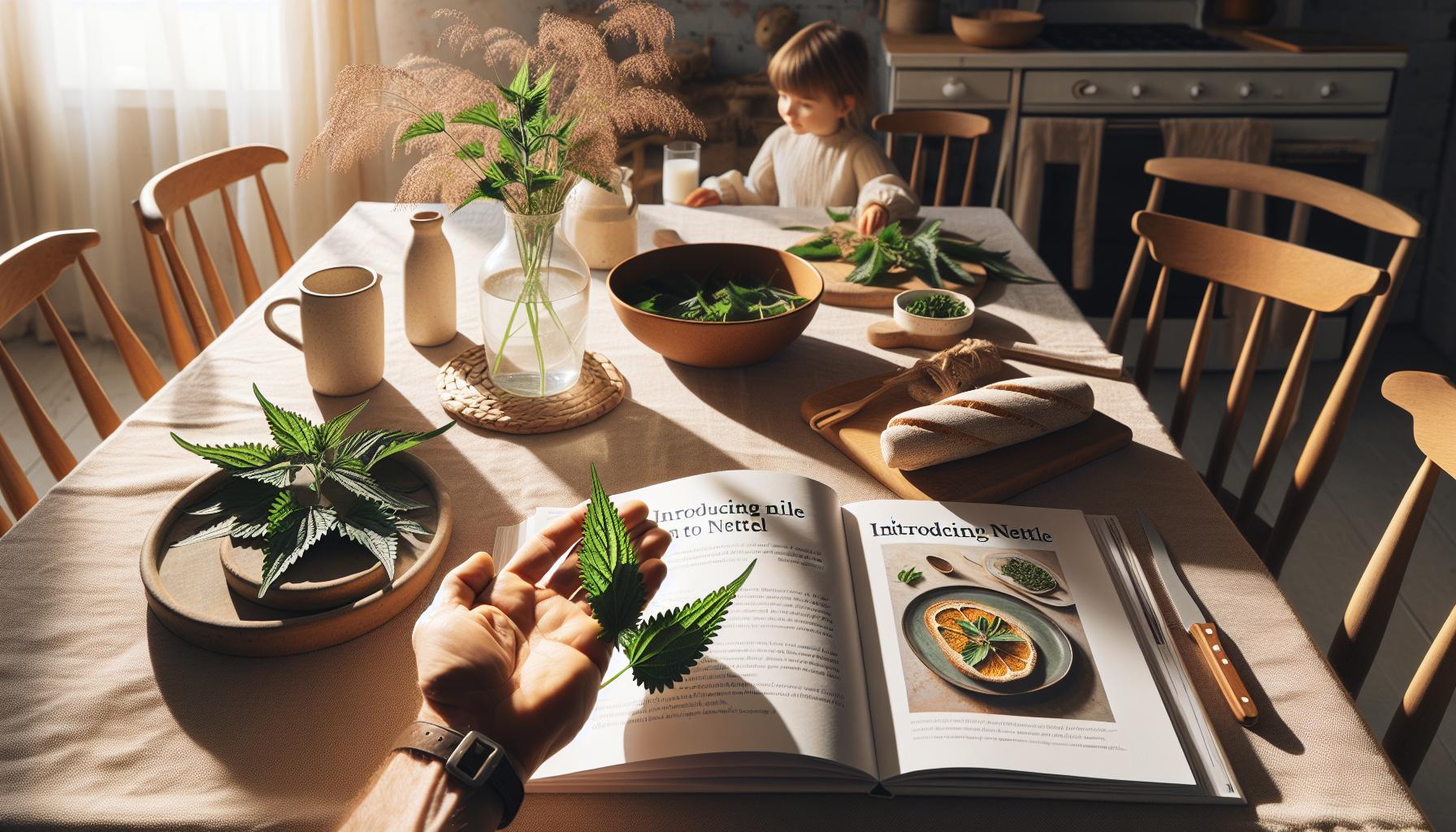
Precautions When Introducing Nettle into Your Diet
Understanding the Importance of Caution
When considering the inclusion of nettle in a breastfeeding mother’s diet, it’s essential to navigate this potent herb with care. While nettles are celebrated for their nutritional benefits and potential to enhance milk supply, like any new food, they are not without risks. This understanding is crucial to harnessing their advantages while safeguarding both mother and baby.
Key Precautions to Take
Before adding nettle to your meals or herbal teas, keep the following precautions in mind:
- Consult with a Healthcare Professional: Always discuss any new herbs or supplements with your healthcare provider, especially during the breastfeeding phase. They can guide you on appropriate dosages and potential interactions with medications.
- Start slowly: If you’re new to consuming nettle, begin with a small amount to monitor for any adverse reactions in both you and your baby. Gradually increase your intake as you observe how your body reacts.
- Choose the Right Form: Opt for organic dried nettle leaves or powdered forms rather than raw nettles, as the latter can cause skin irritation and may not be safe for consumption.
- Stay Hydrated: Nettle can have a mild diuretic effect, so it’s crucial to drink plenty of water to avoid dehydration.
- Watch for Allergies: Some individuals may have allergic reactions to nettle. Keep an eye out for any signs like rash, itching, or gastrointestinal discomfort, and discontinue use if symptoms occur.
Potential Interactions to Consider
Being informed about potential interactions is vital for nursing moms incorporating nettle into their diets. Here’s a simple reference table outlining some notable interactions:
| Medication/Condition | Possible Interaction |
|---|---|
| Blood Thinners | Nettle may enhance the effects, increasing bleeding risk. |
| Diuretics | May amplify the diuretic effect leading to dehydration. |
| Blood Pressure Medications | Nettle can possibly lower blood pressure further; monitor levels. |
Understanding these interactions can empower nursing moms to make informed decisions. Always err on the side of caution and prioritize safety when considering nettle as part of your diet during breastfeeding.
Expert Tips for Seamlessly Incorporating Nettle into Meals
Mindful Cooking with nettle
Incorporating nettle into your meals not only adds a nutritious boost but also connects you with a world of flavors that can enhance your overall culinary experience.Known for their high nutritional value—rich in iron, calcium, and vitamins A and C—nettle can be an excellent ally for nursing moms looking to support their health during breastfeeding. Here are expert tips to help you utilize this powerful herb effectively in your kitchen.
- Choose Fresh or Dried Nettle: Fresh nettle leaves are best when in season, typically appearing in early spring.if fresh nettles are hard to find, dried ones are a great alternative and can be used in soups, teas, or sprinkled over salads.
- Cooking to Neutralize stings: Always cook nettle before consuming to neutralize its stinging properties. boiling, steaming, or sautéing the leaves for just a few minutes is enough to transform them into a safe ingredient.
- Add to smoothies: For an easy way to integrate nettle into your diet, blend a handful of cooked nettles into your favorite smoothie.The taste is mild and easily masked by fruits like bananas or berries, while providing a nutrient-packed boost.
- Enhance Soups and Stews: Toss in steamed or sautéed nettles into soups and stews during the last few minutes of cooking. They pair well with ingredients like potatoes,carrots,and onion,adding depth and a touch of earthiness to your dish.
Creating Nettle-Focused Dishes
For those who want to explore the culinary potential of nettle, consider featuring it as the star ingredient in your meals. Here’s a simple recipe for a Nettle Soup that can serve as a delightful and nutritious option for breastfeeding mothers.
| Ingredients | Quantity |
|---|---|
| Fresh Nettle Leaves | 4 cups, washed and chopped |
| Onion | 1, diced |
| Garlic | 2 cloves, minced |
| Vegetable Broth | 4 cups |
| Olive Oil | 2 tbsp |
| Salt and Pepper | To taste |
Instructions:
1. In a pot, heat olive oil over medium heat and sauté the onion until it’s translucent.
2. Add the garlic and cook for an additional minute until fragrant.
3.Pour in the vegetable broth and bring to a boil.
4.Add the nettle leaves and lower the heat, simmering until the leaves wilt (about 5 minutes).
5.Blend the soup until smooth, season with salt and pepper, and serve warm.
By incorporating dishes like this into your diet,you not only embrace the myriad benefits of nettle but also craft meals that are nutritious and satisfying during the breastfeeding journey. The combination of nettle with other ingredients maximizes its health benefits while ensuring delicious flavors.
Addressing Common Concerns: nettle and Allergies
Many nursing moms are turning to natural remedies for various health benefits, and nettle, in particular, is frequently enough praised for its nutritional profile. Though,the use of nettle,like any herbal supplement,can raise common concerns among those with allergies. understanding how nettle interacts with potential allergic reactions can help you make informed decisions about its inclusion in your breastfeeding regimen.
Understanding Allergies Related to Nettle
Nettle (Urtica dioica) is known for its supportive properties during breastfeeding, such as enhancing milk production and providing essential nutrients. However, it’s crucial to be aware of potential allergic reactions when incorporating nettle into your diet, especially if you have a history of allergies to related plants or herbs. Some characteristics of nettle and its potential allergens include:
- Cross-Reactivity: Individuals allergic to plants in the same family, such as mint or ragweed, might experience similar reactions to nettle.
- Pollen Allergies: Nettle releases pollen, which can aggravate those with existing pollen allergies.
- Skin Reactions: Topical contact with nettle can cause skin irritation or dermatitis in susceptible individuals.
Before introducing nettle into your diet, it’s advisable to perform a patch test or consult with a healthcare professional, especially if you have known sensitivities.
Signs of Nettle Allergy
Recognizing the signs of an allergic reaction is crucial, particularly for nursing mothers eager to benefit from nettle’s properties without compromising their health. Common symptoms may include:
| Symptom | Description |
|---|---|
| Skin Rash | Itchy hives or welts that appear after contact with the plant. |
| Respiratory Issues | Wheezing, coughing, or difficulty breathing, especially during pollen season. |
| Digestive Distress | Nausea, vomiting, or diarrhea may occur after consumption. |
If you experience any of these symptoms after consuming nettle, it’s crucial to discontinue its use and consult a healthcare provider.
Practical Tips for Using Nettle Safely
To safely incorporate nettle into your breastfeeding diet while minimizing allergy concerns, consider the following tips:
- Start Slowly: Introduce nettle gradually into your diet. Begin with small amounts to assess your sensitivity.
- Choose Quality Products: Opt for high-quality, organic nettle supplements or teas to reduce the risk of contaminants.
- Consult a Professional: Discuss with your healthcare provider before adding nettle to your regimen, especially if you have a history of allergic reactions.
By staying informed and cautious, nursing moms can enjoy the benefits of nettle while effectively managing concerns about allergies. The right approach can empower you to make the best decisions for your health and your breastfeeding journey.
The Role of Nettle in Enhancing Milk Quality
did you know that incorporating certain herbs into a nursing mother’s diet can significantly impact the quality of her breast milk? One such herb, nettle, has been traditionally celebrated for its numerous benefits, particularly its potential to enhance the nutritional profile of milk for breastfeeding mothers.
Nettle’s Nutritional Power
Nettle is a *nutrient-dense plant*, rich in essential vitamins and minerals that not only support maternal health but also contribute to improving milk quality. Some of the key nutrients found in nettle include:
- Iron: Crucial for maintaining energy levels and preventing anemia, which is critically important for nursing moms.
- Calcium: Supports bone health for both mother and child.
- Vitamin C: Enhances the immune system and promotes the absorption of iron.
- Magnesium: Aids in muscle relaxation and reduces fatigue.
These nutrients not only enrich the mother’s body but also translate into higher-quality milk, ensuring that infants receive the best possible nourishment.
Research Insights
Studies suggest that the inclusion of nettle can enhance the fat content in breast milk, which is crucial for an infant’s growth and brain development. As a notable example, a *2019 study* highlighted that mothers who consumed nettle experienced a notable increase in milk fat levels, which is vital for energy provision to the infant.
| Nutritional component | Benefit for Nursing Mothers | Impact on Milk Quality |
|---|---|---|
| Iron | Prevents anemia | Higher iron levels in milk |
| Calcium | Supports maternal bone health | Contributes to infant bone development |
| Vitamin C | Boosts immune function | Improved antioxidant properties in milk |
Practical Tips for Nursing Moms
Incorporating nettle into a diet is relatively simple. Nursing moms can consume nettle in various forms, such as:
- Nettle tea: Brew a soothing cup, which can also help with hydration.
- Cooked nettle: Add to soups or stews to maximize nutrient absorption.
- Nettle powder: Sprinkle in smoothies or yogurt for added nutrition.
However, while nettle provides numerous benefits as discussed in “Nettle and Breastfeeding: benefits and Precautions for Nursing Moms,” it’s essential to consult with a healthcare provider before adding any new herb to your diet. This ensures that your specific nutritional needs are met and that any potential interactions with other medications or conditions are considered.
Balancing Herbal Remedies: When to Consult a Healthcare Provider
Did you know that while many moms seek the natural benefits of herbal remedies like nettle during breastfeeding, not all herbal treatments are suitable for every individual? As lactating women delve into the world of herbal solutions, it is indeed crucial to consider when a consultation with a healthcare provider becomes necessary.
Understanding the Role of Healthcare Providers
Incorporating herbal remedies into your postpartum care can be beneficial, but it’s essential to remember that every nursing mother’s body has unique needs. The benefits of nettle as a nourishing herb—rich in vitamins and minerals—make it appealing. However,potential interactions with medications and individual health conditions should not be overlooked.Consulting a healthcare provider ensures that you are making informed choices about including nettle in your diet, especially if you have pre-existing health issues.
Signs It’s Time to Reach Out
While many find success in using nettle, certain circumstances warrant a conversation with a healthcare professional. Here are some signs that suggest you might want to consult someone knowledgeable about herbal remedies:
- Change in health conditions: If you have a chronic illness or have recently experienced health changes,seeking advice is beneficial.
- Medication interactions: If you are taking medications, particularly blood thinners or diuretics, discussing the use of nettle is crucial to avoid adverse reactions.
- Unusual symptoms: If you experience any unexpected symptoms after introducing nettle into your diet, such as digestive issues, allergies, or other health concerns, a professional consultation is advisable.
- Long-term use: If you plan to use nettle for an extended period, a healthcare provider can help monitor any potential side effects.
Creating a Thorough care Plan
When consulting with a healthcare provider about nettle and breastfeeding, consider preparing a list of your health history, current medications, and any herbal remedies you’re interested in. This information can help them give the best advice tailored to your circumstances.
| Considerations | Actions |
|---|---|
| Chronic Health Conditions | Schedule an appointment with your doctor to discuss herbal options. |
| Current Medications | Provide a complete list of medications to your healthcare provider. |
| Concerns About Symptoms | Contact your pediatrician or OB/GYN if unusual symptoms arise. |
| Plan for Duration of Use | Discuss with your provider about periodic check-ins during your herbal regimen. |
Understanding the intersection of nettle and breastfeeding is central to optimizing your health and that of your baby. Making informed decisions about when to consult a healthcare provider is key to safely enjoying the benefits of herbal remedies while minimizing risks.
Inspiring Recipes: Enjoying Nettle During Breastfeeding
Discover the Power of Nettle in Your Diet
Nettle is not just a wild plant; it’s a treasure trove of nutrients that can significantly enhance your diet during the breastfeeding phase. Packed with vitamins, minerals, and antioxidants, nettles can be a fantastic addition to your meals. Incorporating this powerhouse herb can definitely help support your lactation and overall health as a nursing mother. Here are some delectable recipes that allow you to enjoy nettle’s myriad benefits while also tantalizing your taste buds.
Nutritious Nettle Recipes
- Nettle and Spinach Smoothie – Blend fresh nettle leaves with spinach, banana, and almond milk for a delicious, nutrient-rich smoothie that’s perfect for breakfast or a snack. The combination is not only tasty but will also ensure you’re getting plenty of vitamins.
- Nettle Soup – Sauté onions and garlic in olive oil, then add fresh nettle leaves and vegetable broth. Simmer for 15 minutes and finish with a touch of cream and seasoning.This warm soup can be a comforting and nutritious meal that nourishes both you and your baby.
- Nettle Pesto – Blend nettle leaves with olive oil, nuts (like walnuts or pine nuts), parmesan cheese, and garlic for a unique twist on traditional pesto. Toss it with whole grain pasta or spread it on whole grain bread for a delicious, satisfying meal.
- Dehydrated Nettle Tea – If you prefer a simpler preparation, consider making nettle tea by steeping dried nettle leaves in hot water. This soothing beverage is not only easy to prepare but also helps keep you hydrated, which is crucial for breastfeeding mothers.
Cooking Tips and precautions
While using nettle in your dishes, ensure that you properly wash and handle the leaves to avoid any sting. Cooking or steaming nettle reduces its sting effect, making it safe to consume. It’s also advisable to introduce nettle into your diet gradually to monitor any adverse reactions, particularly if you’ve never consumed it before. Always consult with a healthcare provider or a lactation consultant if you have concerns about dietary changes while breastfeeding.
Utilizing nettle in your meals not only enriches your diet but also supports healthy lactation. Each delightful recipe showcases how you can celebrate this herbal wonder, ensuring you and your baby enjoy the fullness of its benefits during this lovely phase of motherhood.
final Thoughts
As we wrap up our exploration of nettle and its role in breastfeeding, it’s clear that this remarkable herb offers a range of benefits for nursing moms, from boosting milk supply to providing essential nutrients. Though, it’s equally critically important to approach its use with caution, keeping in mind individual sensitivities and health conditions.
Navigating the journey of motherhood can be both rewarding and challenging, and making informed choices about what you consume during breastfeeding is a vital part of that experience. We encourage you to listen to your body, consult with healthcare providers, and consider how integrating nettle coudl support your breastfeeding journey.
As you continue to explore ways to enhance your well-being and that of your little one, remember that every step you take in learning and discovering is part of a beautiful journey. We invite you to dive deeper into related topics, share your experiences, and connect with a community of parents who are just as dedicated to nurturing their families. Your journey matters, and we’re here to support you every step of the way.
Get our latest guides, news, and insights highlighted in your Google Search & AI Overviews.

