

are you a new mom yearning for a brighter smile but worried about the safety of teeth whitening during breastfeeding? This concern is common,as maintaining dental aesthetics while ensuring your baby’s health is paramount. In this article, we’ll explore safe whitening options, helping you achieve a confident smile without compromising your breastfeeding journey.
Understanding Teeth whitening Options While Breastfeeding
Did you know that nearly half of new mothers consider their appearance during breastfeeding, including the color of their teeth? Bright, white teeth can boost confidence, but it’s essential to ensure that any whitening methods chosen are safe during this crucial time. Understanding the options available for teeth whitening while nursing can help new mothers navigate their choices without compromising the health of their baby.
Safe Whitening Methods for Nursing Mothers
When it comes to teeth whitening during breastfeeding,prioritizing safety is paramount. Hear are some common options and considerations:
- Whitening Toothpaste: Many brands offer whitening toothpaste that can help remove surface stains. These products generally contain baking soda or activated charcoal and are considered safe to use while breastfeeding.
- Whitening Strips: Over-the-counter whitening strips may also be effective. They typically have lower concentrations of bleaching agents than professional treatments, making them a safer choice while nursing.
- In-Office Treatments: For mothers looking for more dramatic results, consult a dentist. They can offer methods that are specifically tailored,ensuring the health of both mother and baby is protected.
- Natural Remedies: Ingredients like baking soda, strawberries, or hydrogen peroxide diluted in water can serve as natural whitening agents.Though, it’s advisable to test these on a small stain first and consult with a healthcare professional.
What to Avoid While Breastfeeding
Even though some methods may seem appealing, certain whitening treatments should be approached with caution or entirely avoided:
| Whitening Options | Safety status While Breastfeeding |
|---|---|
| Bleaching Kits | Not Recommended |
| Laser Whitening | Consult Your Dentist |
| Professional Bleaching Gel | Not Recommended |
| Homemade bleaching Drinks | Proceed with Caution |
it’s essential to consult a healthcare provider before starting any whitening treatment. While many products are marketed as safe, individual circumstances can vary, and specific ingredients might not be suitable for breastfeeding women. Always prioritize health and consider seeking advice from professionals who understand both dental aesthetics and maternal health. By making informed choices, breastfeeding mothers can enjoy brighter smiles without jeopardizing the wellbeing of their little ones.
The Safety of Whitening Ingredients: What You Need to Know
The Safety of Whitening Ingredients
Whitening teeth during breastfeeding raises an significant question: Are the ingredients going into whitening products safe for both mothers and their infants? Understanding the composition and potential effects of these ingredients is critical for nursing mothers who wish to enhance their smiles without compromising their baby’s health. Many common whitening agents have been thoroughly researched, and knowing which ingredients to avoid can make all the difference.
Common Whitening Ingredients and Their Safety
While various whitening products exist, their active ingredients can vary in safety. Here are some of the most prevalent ingredients used in teeth whitening,along with their safety profiles during breastfeeding:
| Ingredient | Safety Profile |
|---|---|
| Hydrogen peroxide | Generally considered safe in low concentrations; however,excessive use can lead to gum sensitivity. |
| Carbamide Peroxide | Breaks down into hydrogen peroxide; typically regarded as safe when used judiciously. |
| Sodium Bicarbonate (Baking Soda) | Safe and a natural whitener, low risk for nursing mothers. |
| Whitening Strips | Most contain safe concentrations of hydrogen or carbamide peroxide, but checking specific brands is recommended. |
| Activated Charcoal | Generally safe, but its long-term effects on enamel and potential ingestion are still under review. |
Considerations for Safe Whitening
When considering teeth whitening while breastfeeding, it’s vital to follow some practical guidelines to ensure safety. Here are actionable steps mothers can take:
- Consult a Dentist: Before starting any whitening regimen, it is indeed advisable to seek professional advice tailored to your specific situation.
- Choose Low-Concentration Products: Opt for over-the-counter products with lower concentrations of hydrogen or carbamide peroxide.
- time Your Treatments Wisely: If you choose to use whitening products,do so instantly after breastfeeding to minimize potential transfer of ingredients to your baby.
- Monitor for Sensitivity: Be aware of any changes in your gum health or sensitivity during the whitening process.
By staying informed about the safety of whitening ingredients, breastfeeding mothers can enjoy a brighter smile while ensuring their baby’s well-being. Remember to prioritize safety and seek out products that both brighten your teeth and align with your health goals.
Expert Recommendations for Safe Whitening Practices
Guidelines for Safe Teeth Whitening
It’s essential for breastfeeding mothers to prioritize their health and the well-being of their infants while considering aesthetic improvements like teeth whitening. the good news is, there are safe ways to enhance your smile without compromising your nursing experience. Here are some expert recommendations to guide you through the process.
- Consult Your Dentist: Before starting any whitening regimen, arrange a consultation with your dentist. They can assess your dental health, discuss the best options for you, and address any concerns regarding safety during breastfeeding.
- Opt for Natural remedies: If you prefer a more gentle approach, natural whitening techniques using ingredients like baking soda or hydrogen peroxide in vrey diluted forms can be effective. These methods typically have fewer side effects and are considered safer during lactation.
- Choose Lower-Strength Products: If going for commercial whitening products, opt for those without harsh chemicals or those specifically formulated for sensitive teeth. Look for dental products that are FDA-approved and labeled as safe for breastfeeding mothers.
- monitor Your Diet: Incorporate foods known to promote oral health, like crunchy fruits and vegetables, which can help whiten teeth naturally. Reducing staining beverages (like coffee and red wine) can also aid in maintaining a brighter smile.
Timing and Usage Recommendations
While it’s crucial to consider what products you use, timing can also play a significant role in ensuring safe whitening practices.
| Whitening Method | Timing | Usage Frequency |
|---|---|---|
| Whitening Toothpaste | Daily | 2-3 times a day |
| Natural Remedies (e.g., Baking Soda) | Weekly | Once a week |
| Over-the-Counter Kits | Recommended after weaning | Follow package instructions |
Sticking to these recommendations ensures that you can enhance your smile while also keeping your health and your baby’s safety as a top priority. Always listen to your body and consult professionals whenever in doubt.This balance can help you regain that confident smile without any undue stress during a pivotal time in your life.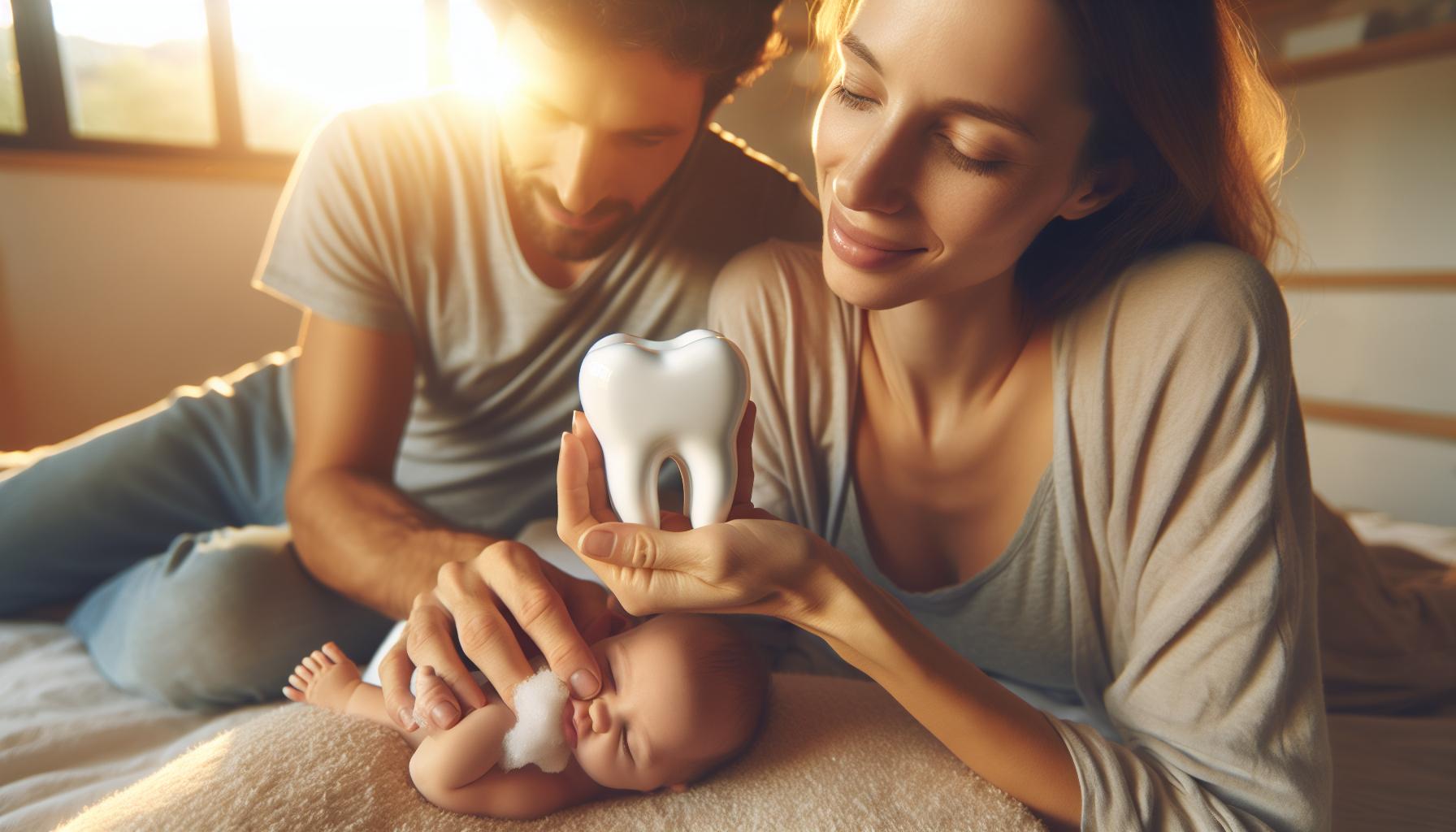
Natural Teeth Whitening Methods for New Parents
Safe and Natural Teeth Whitening for new parents
For new parents,juggling the demands of a newborn with personal care can frequently enough feel unfeasible. Though,achieving a brighter smile doesn’t have to be! There are natural teeth whitening methods that are safe for breastfeeding mothers,ensuring that your oral health routine fits seamlessly into your new lifestyle. These methods not only enhance your smile but also keep your gums and teeth healthy as you embrace the parenting journey.
- Baking Soda and Lemon Juice: This dynamic duo is a popular, all-natural whitening treatment. Mix a small amount of baking soda with fresh lemon juice to form a paste. apply this to your toothbrush and gently brush your teeth. The mild abrasiveness of baking soda combined with the citric acid from lemon can help lift stains.
- Activated Charcoal: Known for its detoxifying properties, activated charcoal can help absorb impurities and stains. While it’s essential to ensure safety, using it occasionally can brighten your smile. Sprinkle some onto your toothbrush and brush gently; though, be cautious with frequent use to avoid enamel wear.
- Strawberries: This flavorful fruit holds a secret! Strawberries contain malic acid, which can help naturally whiten teeth. Just mash a few ripe strawberries and apply the paste to your teeth,leaving it on for about five minutes before rinsing thoroughly.
- Oil Pulling: An ancient Ayurvedic practice, oil pulling involves swishing coconut oil around in your mouth for 10-20 minutes.This method is believed to remove impurities and may contribute to a whiter smile while also promoting better gum health.
Considerations for Safe Whitening
As a new parent, it’s vital to choose methods that are gentle and safe for both you and your baby. Here’s a simple table summarizing the natural methods highlighted above,alongside their respective benefits:
| Natural Method | Benefits | Safety for Breastfeeding |
|---|---|---|
| baking Soda and Lemon Juice | Mild abrasive; natural brightener | Generally safe; use sparingly |
| Activated Charcoal | Detoxifying; stain removal | Consult your dentist before use |
| Strawberries | Natural acid; delicious | Safe for breastfeeding |
| Oil Pulling | Improves gum health; removes impurities | Safe and beneficial |
By incorporating these natural teeth whitening methods into your routine,you can confidently maintain your smile even amidst the demands of parenthood. Remember, these strategies are not just about aesthetics but also about supporting your ongoing dental health while being mindful of your breastfeeding journey.
Consulting Your Dentist: A Step Toward Informed Choices
Understanding the Importance of Professional Guidance
When it comes to making decisions about your dental health, especially during breastfeeding, turning to a professional can provide peace of mind and clarity. Dentists are equipped not only with knowledge about the latest in cosmetic dentistry but also about the specific considerations that apply to new mothers.This includes understanding the potential risks associated with whitening agents and how they might affect both you and your infant.
By consulting your dentist, you can gain insight into personalized options that reflect your unique oral health status and breastfeeding journey. Discussing your goals for teeth whitening can lead to tailored advice regarding which treatments – if any – are safe during this period. For instance, your dentist might suggest alternatives to over-the-counter whitening products that could be harsher or riskier while nursing.
Questions to Discuss with Your Dentist
Before your appointment,prepare a list of questions to ensure you cover all your concerns.Writing down your thoughts can help provide direction to your discussion. You might consider the following:
- Are any whitening agents safe to use while breastfeeding?
- How can I achieve a brighter smile without compromising my baby’s health?
- What professional whitening options are available and how do they compare to at-home treatments?
- Are there any specific ingredients I should avoid in whitening products?
Engaging openly with your dentist will not only equip you with knowledge but might also ease any worries you have about balancing your cosmetic desires with breastfeeding responsibilities.
What to Expect During Your Consultation
During your visit, your dentist will likely perform a thorough examination of your oral health. They can evaluate your teeth and gums to determine if you’re a suitable candidate for any form of whitening treatment. Additionally, they will discuss your dietary habits, daily oral hygiene, and any othre factors that might impact your whitening goals.
It’s beneficial to keep a record of any products you’re currently using,and also your breastfeeding schedule. This information can aid your dentist in recommending the safest and most effective whitening solutions.
In some cases, your dentist might highlight that certain methods, while effective, could necessitate waiting until you’ve finished breastfeeding or suggest a gradual approach to avoid overwhelming your body with strong chemicals. Ultimately, professional guidance ensures that your pursuit of a whiter smile aligns with your commitment to a healthy breastfeeding experience.
Managing Expectations: Results and Timeframes for Teeth Whitening
Understanding the Timeline for Teeth Whitening
When embarking on a teeth whitening journey, especially during breastfeeding, it’s crucial to manage your expectations regarding the results and timeframes. While many people experience noticeable improvements in their tooth shade after just one session, the extent of whitening can vary substantially based on several factors, including the method used and individual dental characteristics.
Typically, there are three main types of teeth whitening options: professional in-office treatments, at-home kits, and natural remedies. Each option delivers diffrent results over varying timeframes:
| Whitening Method | Time to Results | Expected Shade Betterment |
|---|---|---|
| Professional In-Office Treatment | 1-2 hours | 4-8 shades |
| At-Home Whitening kits | 1-2 weeks | 2-6 shades |
| Natural Remedies (e.g., baking soda, activated charcoal) | Ongoing use | Minimal (1-2 shades) |
Factors Influencing Results
Various factors can influence the effectiveness of teeth whitening while breastfeeding.Firstly, the initial shade of your teeth plays a significant role; those with darker stains or deeper enamel discoloration might find their results differ from those with minor yellowing. Moreover,the type of stains—be they intrinsic (from within the tooth) or extrinsic (surface stains from food and beverages)—will respond differently to treatment.
Tips for Maximizing Results:
- Follow Instructions: Adhere to the product guidelines carefully.
- Consistency is Key: Regular treatments over a prescribed duration can lead to optimal results.
- Post-Whitening Care: Avoid staining foods and beverages immediately after treatment to ensure lasting effects.
By understanding these aspects, breastfeeding individuals can better navigate their teeth whitening options while setting realistic expectations for results and timeframes. This not only helps in achieving that bright, confident smile but also in ensuring that the process is safe and effective during this sensitive time.
Supporting Your Oral Health While Nursing
Maintaining Healthy Gums and Teeth During Nursing
Breastfeeding is a lovely journey for both mother and child, yet it comes with its own set of challenges. One of the lesser-known issues nursing mothers face is the impact of hormonal changes on oral health. Increased hormones during lactation can lead to swelling and bleeding of the gums, making it essential to adopt diligent oral care practices.
To support your oral health while nursing, consider the following tips:
- Regular Brushing: Brush your teeth at least twice a day using fluoride toothpaste. This helps prevent cavities, which can be exacerbated by sugary cravings during breastfeeding.
- Floss Daily: Don’t skip flossing! It removes plaque and food particles that brushing can’t reach, reducing the risk of gum disease.
- Stay Hydrated: Dehydration can affect saliva production. Drink plenty of water to help maintain saliva levels, which play a crucial role in oral health.
- Choose Nutrient-Rich Foods: A balanced diet rich in vitamins and minerals supports both your overall health and your teeth. Incorporate plenty of dairy, fruits, vegetables, and whole grains.
Overcoming Common Dental Issues While Nursing
It’s important to be aware that nursing can sometiems lead to specific dental concerns, such as cavities or dry mouth. To combat these, you may implement simple solutions. For instance, consider using a mouthwash that is alcohol-free to avoid further drying your mouth and teeth. additionally, using a humidifier while you sleep can help alleviate dry mouth symptoms.
The table below summarizes practical options for maintaining oral health during your breastfeeding journey:
| Oral Health Issue | Recommended Action |
|---|---|
| Swollen Gums | Regular dental check-ups and a soft-bristle toothbrush |
| Cavities | Limit sugary snacks, and ensure proper brushing |
| Dry Mouth | hydrate frequently and use saliva substitutes if needed |
By embracing these strategies, you can safeguard your dental health while enjoying the rewarding experience of nursing. Always consult with a healthcare provider for personalized advice tailored to your unique situation, especially if you’re considering teeth whitening options during this special time.
Addressing Common Concerns: Myths and Facts About Whitening
Many new mothers may feel self-conscious about their smiles during breastfeeding, leading them to wonder about teeth whitening options. However, misinformation surrounding teeth whitening can create unnecessary anxiety. Addressing common myths with factual information can help you make informed decisions.
Debunking Common Myths
- Myth: Teeth whitening products are harmful while breastfeeding.
Fact: Most professional tooth whitening treatments, such as those offered at dental offices, use hydrogen peroxide or carbamide peroxide in safe concentrations. According to recent studies, these ingredients do not adversely affect breast milk or the health of breastfeeding infants when used responsibly.
- myth: Professional whitening is the only safe option.
Fact: While professional treatments have their benefits, some at-home whitening kits are also safe for use during breastfeeding. Look for products that are ADA-approved and have been tested for safety. Always consult with your dentist before starting any whitening regimen.
- Myth: Whitening treatments are ineffective for nursing mothers.
Fact: Provided that the products are safe and used correctly, mothers can achieve desired results. Many breastfeeders report successful whitening experiences with at-home kits that focus on gradual whitening.
Choosing the right Whitening Method
When contemplating how to whiten your teeth during this sensitive period, consider these safe whitening tips:
| Whitening Method | Safety During Breastfeeding | Effectiveness |
|---|---|---|
| Professional whitening | Generally safe; consult your dentist | Fast and effective results |
| At-home kits | Safe if ADA-approved | Gradual results |
| Natural remedies (e.g., baking soda) | Safe, but consult your dentist | Variable effectiveness |
ultimately, when considering whitening options, ask yourself about your priorities and comfort level. You can maintain your oral health while also enjoying a bright smile during this precious time of motherhood. Just remember, the key is to consult healthcare professionals and stay informed about the safety of any method you choose.
In Conclusion
As you embark on your journey of self-care while navigating the beautiful challenges of motherhood, remember that your health and well-being are just as important as your little one’s. Whitening your teeth while breastfeeding can raise concerns, but with the right knowledge and precautions, you can feel confident in taking small steps towards brighter, healthier smiles. Always opt for gentle, safe methods and consult your healthcare provider when in doubt. Your journey is unique, and finding balance is key. We encourage you to explore more tips on self-care and parenting, and remember—you’re doing an amazing job! Embrace this stage of life with love and care, and don’t hesitate to reach out if you have more questions. You’ve got this!

