
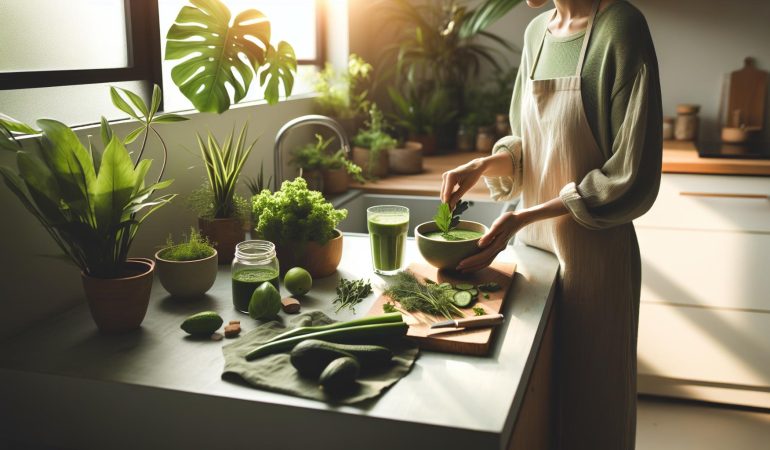
As new mothers navigate the complexities of breastfeeding, the question arises: Is it safe to incorporate superfood blends like Bloom Greens into their diets? Understanding the benefits and potential risks of these nutrient-dense products is crucial for ensuring both maternal health and optimal infant nutrition. Let’s explore how Bloom Greens may fit into your breastfeeding journey.
understanding Bloom Greens: what Are They and How Do They Work?
Bloom Greens have gained immense popularity among health enthusiasts for their nutrient-dense formulation that supports overall wellness. These powdered greens typically combine a variety of plants, vegetables, and superfoods, aimed at boosting energy, enhancing digestion, and providing essential vitamins and minerals. But as more individuals, especially new mothers, consider incorporating them into their diets, questions about their safety and utility arise—particularly regarding the query: Can I Drink bloom Greens While Breastfeeding? Benefits and Risks.
Nutritional Profile of Bloom Greens
A typical serving of Bloom Greens includes a mix of ingredients that may offer an abundance of health benefits.Here’s what you can generally expect from these powders:
- Vitamins and Minerals: Essential nutrients like Vitamin A, C, K, and magnesium are frequently enough present in high concentrations.
- Antioxidants: Ingredients such as spirulina and chlorella contribute powerful antioxidants that help reduce oxidative stress.
- Digestive Support: Many formulations include prebiotics and probiotics, which are crucial for gut health.
This unique combination can potentially provide numerous benefits, especially for breastfeeding mothers looking to enhance their nutrition. However, it’s crucial to be aware of how these components interact with your body during this particular phase of life.
How Bloom Greens Work
the mechanics of how Bloom Greens function in the body are as fascinating as their ingredients. These powders work synergistically to promote various aspects of health:
- Energy Boost: The natural nutrients in Bloom Greens can enhance your energy levels without the jitters associated with caffeine.
- Digestive Health: The fiber and probiotics found in these powders support digestive regularity, which can be especially beneficial for postpartum moms experiencing digestive changes.
- Nutrient Density: By consuming a small scoop, you can significantly increase your intake of essential nutrients, which is critical for both you and your breastfeeding baby.
It’s importent to note that while Bloom Greens can be a great addition to your diet, their efficacy can vary based on individual physiology and dietary needs. Thus, consulting with a healthcare professional before adding them to your regimen during breastfeeding is always advisable.
Potential Risks Associated with Consumption
While the benefits of Bloom Greens are promising, some risks may need to be considered, especially for breastfeeding mothers:
| Potential Risk | Description |
|---|---|
| Allergic Reactions | Some ingredients may trigger allergies in sensitive individuals. |
| Heavy Metals | Certain greens can contain heavy metals; sourcing matters. |
| Digestive Upset | Overconsumption can lead to gastrointestinal issues, particularly if you’re not used to high fiber. |
Understanding Bloom Greens and weighing their benefits against potential risks is essential for making informed decisions about your diet, especially while breastfeeding. By staying educated and consulting with healthcare providers, mothers can navigate this journey more confidently, ensuring both their health and that of their baby.
Benefits of Bloom Greens for Nursing Mothers
Did you know that the nutritional choices you make while breastfeeding can significantly impact both your health and your baby’s progress? for nursing mothers seeking to boost their dietary intake, Bloom Greens may present a plethora of benefits. Packed with essential vitamins, minerals, and antioxidants, this superfood blend not only helps support a mother’s health but also contributes to the quality of breast milk.
Nourishment for You and Your Baby
During breastfeeding, the nutritional demands on a mother’s body are heightened. Bloom Greens contains a range of nutrients that are crucial during this period, such as:
- Vitamins A and C: Essential for immune support and skin health.
- Calcium: important for maintaining bone health and supporting lactation.
- Iron: Critical for energy levels and preventing postpartum anemia.
- Fiber: Promotes digestive health, which can often be a concern during breastfeeding.
Including Bloom Greens in your diet can help ensure that you are not only meeting your nutritional needs but also passing along vital nutrients through breast milk to your baby.
Boosting Energy Levels
Breastfeeding can be exhausting, and many new mothers find themselves experiencing fatigue. The nutrient-dense profile of Bloom Greens can help combat this fatigue. For instance, the presence of B vitamins in the blend plays a fundamental role in energy metabolism. A quick boost of energy from Bloom Greens could be just what you need for those long nights of nursing.
Enhancing Milk Quality
Many mothers wonder, “Can I drink Bloom Greens while breastfeeding?” The answer leans towards a supportive yes; the nutrients found in these greens may enhance milk quality. Research suggests that a diet rich in leafy greens can lead to higher concentrations of nutrients in breast milk.
Here’s a simple breakdown of how Bloom Greens contributes to lactation:
| Nutrient | Benefit for Lactation |
|---|---|
| Omega-3 fatty Acids | Supports brain development in infants. |
| Folic Acid | Reduces the risk of deficiencies in both mother and baby. |
| Magnesium | Helps in muscle relaxation and stress reduction. |
By incorporating Bloom Greens into your diet,you’re not just fostering your own health,but you’re also nourishing your precious little one!
Potential Risks of Drinking Bloom Greens While Breastfeeding
While the allure of nutrient-rich supplements is undeniable, nursing mothers must tread carefully.When considering whether it is indeed safe to consume Bloom greens during breastfeeding,weighing the potential risks is crucial to safeguarding both mother and child.
what Ingredients May Cause Concern?
Bloom Greens typically contains a blend of various superfoods,including spirulina,chlorella,and various green powders. Although many of these ingredients are praised for their health benefits, they may also pose risks to breastfeeding mothers:
- Heavy Metal Contamination: Some algae-based supplements can contain harmful concentrations of heavy metals like lead or mercury, which can be harmful to an infant.
- Allergenic Ingredients: Components such as wheatgrass or certain herbal extracts may provoke allergic reactions in sensitive individuals and could potentially affect the baby.
- Excess Fiber: While dietary fiber is essential, excessive amounts can lead to gastrointestinal issues, such as gas or bloating, which might be uncomfortable for both the mother and the breastfeeding infant.
Potential Interactions with Medications
Another risk associated with consuming Bloom Greens during breastfeeding relates to potential interactions with medications. If a breastfeeding mother is on medication, specific ingredients in Bloom Greens may alter absorption rates or effectiveness. For instance, certain green superfoods can affect the metabolism of pharmaceuticals.
It’s essential for nursing mothers to consult healthcare providers about any supplements they wish to incorporate into their diet to avoid any unforeseen complications.
Holistic Considerations
along with ingredient-specific concerns, a holistic approach is beneficial. Breastfeeding requires a balanced diet that supports both the mother’s well-being and milk quality. Excessive supplementation might overshadow the importance of whole foods rich in essential nutrients. Opting for diverse, organic foods as primary nutrition may be a much safer and effective strategy.
Always prioritize user feedback, as personal experiences can shed light on how Bloom Greens may affect breastfeeding. Keeping a journal to track any changes in the baby’s behavior or health after incorporating any new supplement can also provide valuable insights into its effects.

Expert Opinions: What Do Nutritionists Say About Bloom Greens?
When it comes to nourishing both mother and baby, the opinions of nutritionists can provide invaluable insights, especially for those exploring dietary supplements like Bloom Greens during breastfeeding. Many new mothers wonder about the implications of introducing such products into their diets, and understanding the consensus among experts can help navigate these waters effectively.
Nutritionists Weigh In
According to registered dietitians and lactation consultants, the primary factors to consider include the ingredient profile of Bloom Greens, individual nutritional needs, and potential sensitivities.
- ingredient Openness: Nutritionists emphasize the importance of knowing what’s in a supplement.many formulations contain a mix of greens, fruits, and adaptogens. Breastfeeding mothers are encouraged to choose products with clear labeling and high-quality ingredients.
- Individual Health Needs: Each mother and baby may have unique dietary needs. A personalized approach to nutrition is essential. Consulting with a healthcare provider can help tailor advice, ensuring that both mother and child are getting the nutrients they need without unnecessary additives.
- Potential Allergens: Certain components in Bloom Greens could be allergens or irritants for some individuals. Nutritionists recommend introducing any new supplement gradually and monitoring for any adverse reactions.
Common Concerns Addressed
Experts often highlight various benefits and risks associated with consuming Bloom Greens during the breastfeeding period. Some of the potential benefits include increased nutrient intake, which can support energy levels and overall well-being, essential for new mothers trying to recover post-pregnancy.Though, risks such as excessive intake of certain vitamins, like Vitamin A—frequently enough found in greens—can pose challenges when breastfeeding.
| Benefits | Risks |
|---|---|
| Boosts immune system and energy | Risk of allergic reactions |
| Provides essential vitamins and minerals | Possible excess vitamin intake |
| Supports overall health and wellness | Interaction with medications |
while many nutritionists acknowledge the potential advantages of Bloom Greens for breastfeeding mothers, they advocate a cautious approach. Tailoring intake to individual health circumstances, ensuring safety through proper knowledge of ingredients, and consulting with healthcare professionals remain paramount when considering how to incorporate such supplements into postpartum nutrition plans.
How to Introduce Bloom Greens into Your Breastfeeding Diet
Introducing nutrient-dense foods into your breastfeeding diet can significantly enhance your well-being and milk production. Bloom Greens, renowned for their rich blend of superfoods, provide essential vitamins and minerals that not only support your health but also benefit your baby through breast milk. To safely incorporate this green powerhouse into your daily routine, consider the following strategies.
Start with Small Amounts
When introducing any new supplement or food during breastfeeding, moderation is key. Start with a small serving of Bloom Greens, such as a teaspoon mixed into a smoothie or yogurt. This gradual approach helps monitor how your body responds and ensures that your baby adjusts to any changes in your milk’s taste or composition.
Pair with Other nutrient-Rich Foods
Enhance the nutritional impact of Bloom Greens by pairing them with other wholesome ingredients. here are some complementary foods to consider:
- Fruits: Bananas, berries, or mangoes can add natural sweetness.
- Nuts and seeds: almonds or chia seeds provide healthy fats and protein.
- Dairy or dairy alternatives: Yogurt or almond milk can create a creamy base for your smoothie.
As you experiment with these combinations,you’ll discover delightful flavors while boosting the overall nutritional profile of your meals.
Stay Hydrated and Mind Your Diet
While incorporating Bloom Greens, remember that hydration plays a crucial role in breastfeeding. Always drink plenty of water throughout the day, especially when consuming fiber-rich greens. Additionally, strive for a balanced diet that includes adequate carbohydrates, healthy fats, and proteins to fuel your body.
Example Meal Plan Incorporating Bloom Greens
Here’s a simple meal plan to get you started:
| Meal | Ingredients |
|---|---|
| Breakfast | Oatmeal with a teaspoon of Bloom Greens, topped with banana and almonds |
| Snack | greek yogurt mixed with a scoop of Bloom Greens and fresh berries |
| Lunch | Salad with mixed greens, avocado, quinoa, and a sprinkle of Bloom Greens |
| Dinner | Stir-fried vegetables with tofu and a side of Bloom Greens blended into a sauce |
By methodically introducing Bloom Greens into your breastfeeding diet, you reap potential benefits while being mindful of your body and your baby’s needs. This fusion of flavors and nutrients can ultimately lead to a happier and healthier breastfeeding journey.
Listening to Your body: Signs to Watch For When Consuming Bloom Greens
be Attuned to Your Body’s Signals
Every woman’s body responds differently to dietary changes, especially during breastfeeding. Paying close attention to how you feel after consuming Bloom Greens is crucial. These nutrient-dense blends can offer remarkable benefits, but they may also trigger unexpected reactions. Monitoring your body for specific signs can definately help you determine if this supplement is a good fit for you while navigating the complexities of breastfeeding.
Signs to Look Out For
while Bloom Greens are generally considered safe, it’s essential to be aware of some potential responses your body might exhibit.Here’s what to keep in mind:
- Digestive Changes: If you notice any alterations in your digestion, such as bloating, gas, or diarrhea, it might be a sign that the ingredients in Bloom Greens are not sitting well with you. Start with small servings to see how your body reacts.
- Allergic reactions: If you experience hives, itching, or trouble breathing after consuming bloom Greens, this could indicate an allergy. Discontinue use instantly and consult a healthcare provider.
- Energy Levels: While many breastfeeding mothers enjoy increased energy following the addition of nutrient-rich foods like Bloom Greens, others may feel overly stimulated or jittery. Monitor your caffeine intake, as some blends may contain stimulants.
- Milk Supply Fluctuations: Some users report changes in milk supply after starting Bloom Greens. If you notice a decrease in your supply, consider adjusting the quantity and observing if this has any effect.
Practical Steps for Monitoring
To assess your body’s response effectively, consider keeping a daily journal. Record your feelings, any physical symptoms, and changes in your milk supply after consuming Bloom Greens. This will help you identify patterns and make informed decisions. you may also find it beneficial to discuss your experiences with a healthcare professional, particularly a lactation consultant, who can provide personalized advice and support. Utilizing this proactive approach will empower you to enjoy the advantages of Bloom greens while ensuring both you and your baby thrive during this critically important time.
Alternatives to Bloom Greens: Exploring Other Nutrient-Dense Options
Did you know that there are many nutrient-dense greens available that can support your health while breastfeeding? While Bloom Greens may offer beneficial nutrients, exploring other options can provide variety and additional health benefits. Let’s delve into some great alternatives that can complement your diet and keep you energized during this critically important time.
leafy Greens
Leafy greens are one of the most accessible and nutritious options. They are packed with vitamins A, C, and K, minerals like calcium, and are low in calories. Here are some excellent choices:
- Spinach: Rich in iron and calcium, spinach is versatile and can be added to smoothies, salads, or cooked dishes.
- kale: This hardy green overflows with antioxidants and is a fantastic source of vitamins K and C. Use it in salads or as a sautéed side.
- Swiss Chard: With its vibrant colors,Swiss chard offers magnesium and potassium,essential for muscle function and hydration.
By incorporating these leafy greens into your meals, you can easily boost your nutrient intake without relying solely on products like Bloom Greens.
Superfoods to Consider
Along with leafy greens, several superfoods can offer extensive health benefits. these foods are often nutrient powerhouses that can enhance your diet while breastfeeding:
| Superfood | Benefits | how to Use |
|---|---|---|
| Spirulina | High in protein and essential amino acids, supports immunity. | Add to smoothies or mix into yogurt. |
| Moringa | Rich in vitamins A, C, and iron; promotes energy levels. | Use in teas or as a powder in recipes. |
| Chia Seeds | High in omega-3 fatty acids, fiber, and protein; supports digestion. | Add to smoothies, oatmeal, or make chia pudding. |
Each superfood comes with its unique benefits, making it easy to find one or more that suit your taste and nutritional needs while exploring alternatives to Bloom Greens.
Herbs and Edible Leaves
Don’t forget the power of herbs! Many culinary herbs are rich in vitamins, minerals, and antioxidants. Consider the following:
- Basil: Known for its anti-inflammatory properties, basil can be added to sauces, salads, or used as a garnish.
- Parsley: A great source of vitamins K and C, parsley can add flavor to any dish or smoothie.
- Mint: Helps with digestion and can be a refreshing addition to teas or desserts.
Incorporating these fresh herbs not only elevates the flavor of your dishes but also enhances the nutrient profile, making them worthy contenders in your breastfeeding diet. As you explore alternatives to Bloom Greens, you’ll find an abundance of options to ensure you’re nourished and energized.
Balancing Your Diet: Combining Bloom Greens with Breastfeeding Needs
When nurturing a new life, every bite you take counts. As a breastfeeding mother,ensuring that you get complete nutrition is crucial—not just for you,but for your baby as well. With its rich blend of nutrients, Bloom Greens can be a beneficial addition to your diet, as long as it’s balanced with your breastfeeding needs. This supplement is packed with vitamins A, C, K, and various minerals, making it a superfood that can potentially support your body’s demands during this challenging yet rewarding time.
The Nutritional Needs of Breastfeeding Mothers
Breastfeeding places increased nutritional demands on mothers, requiring more protein, healthy fats, vitamins, and minerals. Understanding these needs can help you determine how supplements like Bloom Greens might fit into your daily routine. Here are some key areas to consider:
- Increased Caloric Intake: Mothers should aim to consume an additional 300-500 calories per day.
- Hydration: Staying well-hydrated is critical; dehydration can impact milk production.
- Rich source of Calcium and Iron: These minerals are vital for both maternal health and milk production.
Integrating Bloom Greens into Your Daily Routine
Adding Bloom Greens to your diet need not be complicated. Here are some effective strategies for incorporating this nutrient-dense supplement while keeping your nutritional needs in check:
- Start Slowly: Introduce bloom Greens gradually—perhaps in a smoothie or alongside a meal—to monitor how your body reacts.
- Combine with Whole Foods: mix Bloom Greens with a protein source (like yogurt or nut butter) and healthy fats (such as avocado) to create well-rounded meals.
- stay Alert for Reactions: Some babies may react to certain greens through breast milk, so it’s essential to watch for any signs of discomfort or allergies in your infant.
Nutritional Comparison Table
| Component | Recommended Daily Intake for Breastfeeding Moms | Approximate Amount in Bloom Greens (per serving) |
|---|---|---|
| Calcium | 1,200 mg | 100 mg |
| Iron | 9-10 mg | 1.5 mg |
| Vitamin C | 120 mg | 30 mg |
| Folic Acid | 500 mcg | 60 mcg |
understanding the balance between your diet and the nutritional needs of your breastfeeding child is essential. While Bloom Greens can enhance your health, it’s vital to remember that whole foods should remain the staple of your diet. Opt for a diverse menu filled with fruits, vegetables, lean proteins, and whole grains to ensure optimal nourishment for both you and your baby.The right approach not only enriches your breastfeeding experience but also sets the foundation for your baby’s growth and development.
In Conclusion
considering whether to incorporate Bloom Greens into your breastfeeding journey is a decision that merits careful thought. As we’ve explored,these nutrient-rich greens can offer a variety of health benefits,from enhancing your nutrient intake to potentially boosting your energy levels during this demanding stage of motherhood. However, it’s also important to remain aware of potential risks and to listen to your body’s unique needs.
Navigating motherhood can be overwhelming, and it’s perfectly okay to seek guidance along the way. As you make choices for your health and your little one’s wellbeing,remember the value of consulting with a healthcare professional who can provide personalized advice. We encourage you to explore and educate yourself further on this topic, whether through our other articles or reputable resources tailored for breastfeeding parents. Your wellness matters, not just for you, but for your family. Embrace this journey with confidence, knowing you’re taking steps towards informed and mindful parenting.

