

As new mothers seek ways to optimize their nutrition for both themselves and their babies, the age-old practice of consuming bone broth emerges as a powerful ally. Packed with essential nutrients, this nourishing elixir not only supports postpartum recovery but also enhances breastfeeding by enriching breast milk with vital components.Discover how incorporating this wholesome broth into your diet can benefit both mom and baby.
The Nutritional Powerhouse: What Makes Bone Broth Beneficial for Nursing Moms?
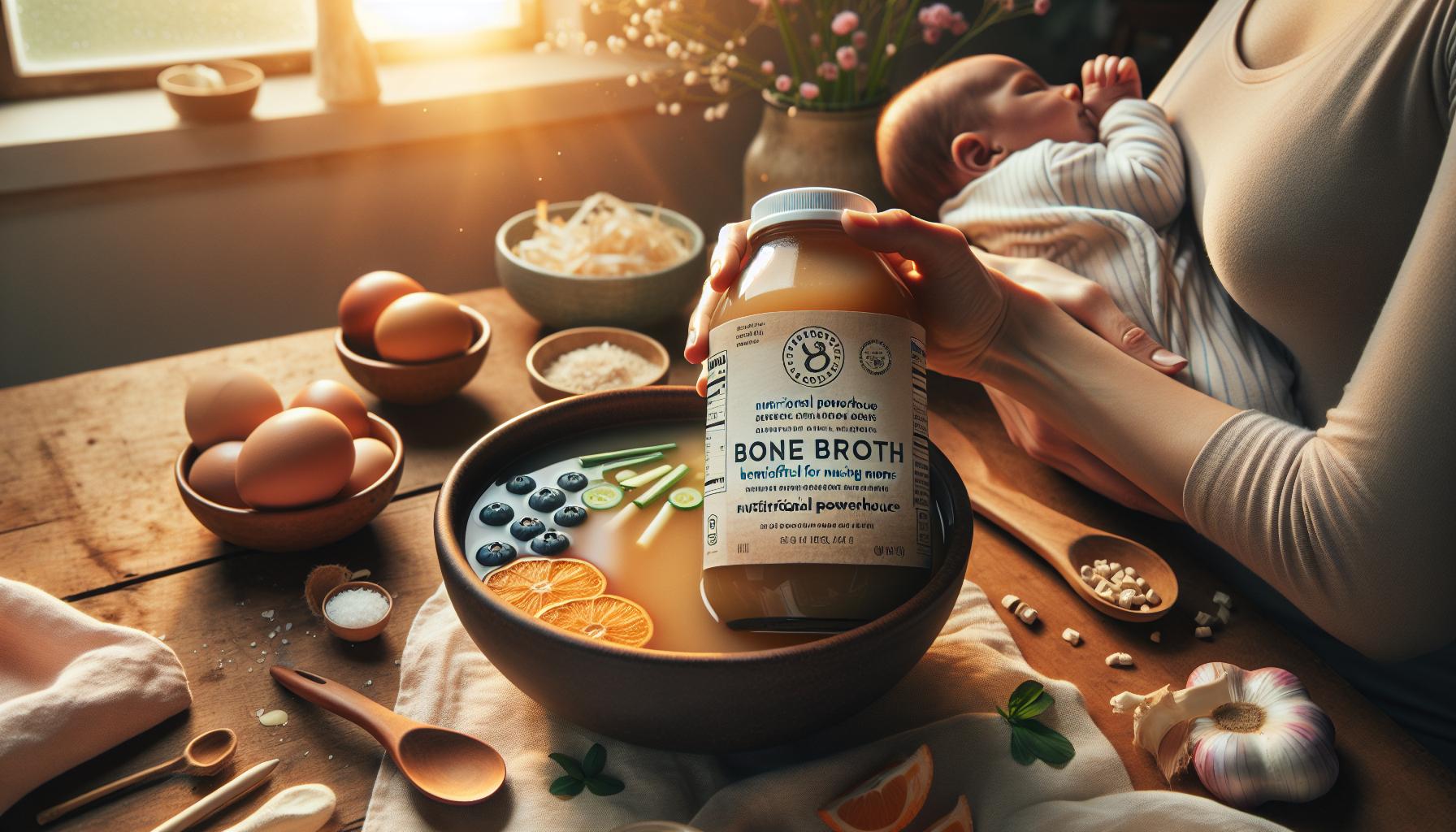
Did you know that bone broth has been celebrated for centuries not just as a comforting food, but as a potent source of nutrition? For nursing moms, this humble elixir offers a wealth of benefits that can enhance both their health and that of their little one.
Nutrient-Rich Composition
Bone broth is packed with essential nutrients that are crucial during the breastfeeding period. It’s made by simmering bones, which releases a concoction of minerals and vitamins, including:
- Collagen: Vital for skin, joint health, and may help with postpartum recovery.
- Gelatin: Promotes gut health and aids digestion, which can be beneficial for both mother and baby.
- Minerals: Such as calcium,magnesium,and phosphorus,which are necessary for strong bones and overall bodily functions.
- Amino Acids: Like glycine and proline, support tissue repair and immune function.
- Electrolytes: Help maintain hydration and balance, especially crucial during breastfeeding.
These nourishing components work together to reinforce the immune system and promote healing, making bone broth a superb choice for new mothers looking to maintain their strength and vitality.
Simplified Nutritional Support
The demands of breastfeeding can leave mothers feeling fatigued and depleted. Incorporating bone broth into their diet may help alleviate some of these challenges. Here’s how:
| Benefit | How It Helps |
|---|---|
| Increased Hydration | Bone broth is an excellent way to meet fluid requirements while providing essential nutrients. |
| Energy Boost | The protein-rich content offers sustained energy without heavy digestion. |
| Calm Digestive System | Supports gut health, which can lead to less gas and discomfort for nursing infants. |
Incorporating bone broth into a nursing mom’s diet not only aids in replenishing lost nutrients but also simplifies meal planning, making it easier to maintain a healthy eating routine during the busy days of caring for a newborn.
Versatile and Delicious
One of the best aspects of bone broth is it’s versatility. It can be enjoyed as a warm beverage, used as a base for soups, or added to various recipes to enrich flavors and nutrition. For moms who are busy or feeling overwhelmed, keeping a stash of homemade or store-bought bone broth on hand can be a game changer.the benefits of bone broth extend beyond mere nourishment; they play an integral role in fostering wellness for both nursing moms and their babies. By incorporating this nutritional powerhouse into their diets, moms can enjoy a delicious way to support their journey through breastfeeding while ensuring they’re getting the essential nutrients that aid in their recovery and overall health.
How Bone Broth supports Milk Production and Quality
Bone broth is an age-old remedy celebrated for its myriad health benefits, notably for mothers who are breastfeeding. The rich nutritional profile of bone broth can play a pivotal role in enhancing both milk production and quality,ensuring that nursing mothers have the support they need for optimal breastfeeding.
Nutrient Density for Enhanced Lactation
One of the most significant advantages of bone broth lies in its nutrient density. Packed with vitamins, minerals, and amino acids, it serves as a powerhouse of nutrition that supports lactation. Key components such as:
- Collagen: Vital for tissue repair and regeneration,collagen in bone broth can help maintain the integrity of breast tissue.
- Gelatin: This natural protein can aid gut health, promoting better absorption of nutrients essential for producing high-quality breast milk.
- Minerals: Calcium, magnesium, and phosphorus found in bone broth contribute to a healthier milk composition, enriching it with vital nutrients for the baby.
These nutrient-rich elements not only support the mother’s health but also ensure that her milk supply remains robust and nourishing for her child.
hydration and Milk Volume
Hydration is crucial for maintaining milk supply, and bone broth is an excellent source of hydration due to its liquid form. Unlike plain water,the electrolytes and nutrients in bone broth can enhance fluid absorption,helping to keep nursing mothers adequately hydrated. A well-hydrated mother is more likely to produce an optimal volume of milk, positively impacting both the frequency and quality of feedings.
To maximize the benefits of bone broth for breastfeeding, mothers should consider:
- Incorporating a cup of bone broth into their daily routine, especially during meals.
- Using bone broth as a base for soups, stews, or sauces to enhance flavor and nutrition.
- Combining bone broth with nutrient-dense foods like leafy greens and healthy fats for a balanced meal.
| Nutritional Component | Benefit for Breastfeeding |
|---|---|
| Collagen | Supports tissue integrity and repair |
| Gelatin | Aids gut health, improving nutrient absorption |
| Calcium | Helps in milk composition |
| Magnesium | Supports nerve and muscle function, improves overall wellness |
Incorporating bone broth into a nursing mother’s diet not only bolsters her health but also reinforces the bond of nourishment between mother and baby. By making this nutrient-dense broth a staple in their dietary routine, mothers can enhance their milk production and improve the quality of the milk they provide, ensuring that their little ones receive the best foundation for growth and development.
Key Nutrients in Bone Broth That Benefit Both Mom and Baby

Did you know that the foundation of a strong and healthy body starts with the nutrients found in nourishing foods? One such superfood, bone broth, packs a nutrient-dense punch that can considerably benefit both breastfeeding mothers and their babies.
Essential Nutrients in Bone Broth
Bone broth is a powerhouse of essential nutrients that support recovery after childbirth and foster optimal growth in infants. Here are some key components:
- Collagen: this protein is vital for maintaining the integrity of connective tissues, including skin and cartilage. For breastfeeding moms, collagen can aid in healing after delivery and improve skin elasticity.
- Gelatin: Derived from collagen, gelatin supports gut health, which is essential for nutrient absorption both for the mother and the baby through breast milk.
- Amino Acids: Bone broth is rich in amino acids like glycine and proline, which contribute to the building blocks of proteins. These are crucial for recovery after childbirth and are important for the developing tissues of infants.
- Minerals: bone broth contains vital minerals such as calcium, magnesium, and phosphorus, which play critical roles in bone health and development for both mom and baby. Increased calcium intake through bone broth can also help prevent postpartum bone density loss.
- Hydration: Adequate hydration is essential during breastfeeding. consuming bone broth not only replenishes fluids but also provides electrolytes that prevent dehydration.
How These Nutrients Support Mom and Baby
The nutrients found in bone broth serve dual purposes. For new mothers, they aid in recovery, especially in healing and restoring strength after labor. The amino acids from broth can enhance recovery times and reduce postpartum fatigue, making it easier to care for a newborn. From a baby’s viewpoint, the benefits transfer through breast milk, ensuring that infants receive vital building blocks needed for growth and development.
| Nutrient | Benefits for Mom | Benefits for Baby |
|---|---|---|
| Collagen | Promotes skin elasticity & recovery | Supports growth and development |
| Gelatin | Improves gut health | Enhances nutrient absorption |
| Amino Acids | Speeds healing & reduces fatigue | Crucial for muscle development |
| Minerals | Improves bone health | Contributes to overall growth |
| Hydration | Prevents dehydration & fatigue | Maintains milk supply |
Integrating bone broth into a postpartum diet is an excellent way to harness its powerful nutritional profile, ultimately promoting the well-being of both mother and baby.Whether sipped as a warm drink or used as a base for nutritious soups, the versatility of bone broth makes it an easy addition to daily meals.
Simple Ways to Incorporate Bone Broth into Your Daily Routine

When it comes to nourishing both mom and baby during breastfeeding, bone broth emerges as a powerhouse of nutrients. This traditional elixir is not only rich in minerals, collagen, and amino acids, but it also offers a myriad of benefits that can be seamlessly integrated into your daily lifestyle. Here are some simple yet effective ways to add bone broth into your routine, enhancing your health as you nurture your little one.
In Your Morning Routine
start your day with a nourishing cup of bone broth instead of coffee or tea. Not only does this warm beverage provide hydration,but it also sets a positive tone for your nutrition throughout the day. To elevate the experience, consider adding:
- Herbs and Spices: Incorporate ginger, turmeric, or garlic for added flavor and health benefits.
- A Splash of Apple Cider Vinegar: This can enhance the nutrient absorption from the broth.
- Fresh Vegetables: Toss in some spinach or kale for an extra vitamin boost.
As a Base for Meals
Utilize bone broth as a hearty base for soups, stews, or risottos. Its rich flavor can significantly enhance the taste of your meals while adding depth to their nutritional value. here’s a simple recipe for a wholesome soup:
| Ingredients | Quantity |
|---|---|
| Bone Broth | 4 cups |
| Vegetables (Carrots, Celery, Onions) | 2 cups, chopped |
| Protein (chicken, Beans, or Tofu) | 1 cup |
| Herbs (Thyme, Parsley) | To taste |
| Salt and Pepper | To taste |
Simply sauté the vegetables, add the broth and protein of your choice, season, and let simmer. This not only provides a comforting meal but also amplifies the health benefits of bone broth for both breastfeeding moms and their babies.
In Smoothies and Nutritional Drinks
Another innovative way to incorporate bone broth is by adding it to smoothies. While it may sound unconventional,the flavor can be masked with fruits and nutrient-dense ingredients. For a creamy, nutritious smoothie, try blending:
- Bone Broth: 1 cup
- Banana: 1 ripe
- Spinach: 1 handful
- Nut Butter: 1 tbsp for healthy fats
- Honey or Maple Syrup: For natural sweetness
this nourishing drink not only caters to your taste buds but also delivers essential nutrients that support both your health and breast milk quality.
By adopting these straightforward techniques to incorporate bone broth into your daily life,you can maximize the nursing benefits for you and your baby while enjoying a delicious boost in nutrition.
From Comfort to Nourishment: The Emotional Benefits of Bone broth During Breastfeeding
Did you know that a single bowl of bone broth can offer more than just physical sustenance? for new mothers navigating the challenges of breastfeeding, it can be a profoundly comforting ritual that nourishes not just the body but also the spirit. The emotional benefits of consuming bone broth during this transformative phase in motherhood are vast, fostering a sense of well-being that resonates far beyond the dinner table.
Comfort and Security in a Bowl
Breastfeeding can sometimes feel overwhelming,especially for first-time moms.In times of uncertainty, there’s something incredibly grounding about a warm bowl of bone broth. It serves as a soothing meal that’s easy to prepare and digest, promoting a sense of comfort and security. This can be particularly beneficial during late-night feedings or early mornings when energy levels are low. When moms prioritize nourishing beverages like bone broth, they are also nurturing their emotional health, helping to combat feelings of fatigue or stress.
- Rich in collagen: Supports skin and joint health, contributing to a sense of physical wellness.
- Aids digestion: The gelatin in bone broth can help prevent digestive upset,providing relief and peace of mind.
- Flavor customization: Moms can easily alter the flavor profile,making each bowl a unique experience that can evoke fond memories.
building Connection Through Nourishment
Sharing a meal is often more than about food—it’s about connection and shared experiences. Enjoying bone broth can become a cherished ritual for mothers and their partners or families. This act of preparing and consuming food together nourishes relationships and establishes a supportive atmosphere in which a new mom can thrive.
Consider inviting family members to join in the process. Use the broth as a base for soups or stews that everyone can enjoy. Not only does this provide additional nutrition, but it also fosters conversations and bonding moments that create lasting memories.
| Ingredient | Emotional Benefit |
|---|---|
| Carrots | Boosts mood—rich in natural sugars that can lift spirits. |
| Celery | Calming effects—contains compounds that help reduce anxiety. |
| Onions | Comforting aroma—nostalgic scents can enhance feelings of safety. |
Embracing the emotional benefits of bone broth can help new mothers transition from the physical demands of breastfeeding to a more holistic approach to well-being. so the next time you simmer a pot of nourishing bone broth, remember that you’re not just feeding your body—you’re nurturing your soul and deepening connections with those who matter most.
Expert Tips: Choosing the Best Bone Broth for Your Family

When it comes to supporting health during breastfeeding, the importance of a nourishing diet cannot be overstated.Bone broth, renowned for its rich supply of nutrients, can be a cornerstone for both mom and baby. However, with an abundance of options available on the market, choosing the right bone broth can feel overwhelming. Here are some expert tips to help you select the best bone broth for your family, ensuring you make informed choices that maximize the breastfeeding benefits.
Look for Quality Ingredients
When selecting bone broth, prioritize products that are made with high-quality, organic ingredients. Here are the key aspects to consider:
- Grass-fed bones: Opt for bone broth made from grass-fed animals to ensure a richer nutrient profile and avoid exposure to harmful additives.
- vegetable inclusion: Many broths enhance flavor and nutrition with vegetables like carrots, onions, and celery. These added nutrients can provide extra health benefits.
- Minimal additives: Choose options that avoid artificial flavors, colors, and preservatives. A short and recognizable ingredient list is usually a good indicator of quality.
Consider Nutritional Content
Evaluating the nutritional makeup of bone broth can provide insight into its potential benefits. Look for broths that are high in:
– Collagen and gelatin: Essential for gut health, skin elasticity, and overall joint mobility.
– Amino acids: Key for muscle repair and energy levels during breastfeeding.
– Minerals: Calcium, magnesium, and phosphorus are crucial for both you and your baby’s health.
To simplify your comparison, consider using the table below when evaluating different brands:
| Brand | Collagen (g/serving) | Amino Acids (g/serving) | Minerals (mg/serving) |
|---|---|---|---|
| Brand A | 10 | 8 | 120 |
| Brand B | 12 | 7 | 100 |
| Brand C | 15 | 9 | 150 |
Pay Attention to Preparation Methods
The preparation method of bone broth can greatly influence its nutritional profile. here are some signs of a well-prepared broth:
- Slow simmered: A good bone broth should be simmered for an extended period (24-48 hours) to extract maximum nutrients from the bones.
- Homemade versus store-bought: if you’re up for it, making your own bone broth allows you to control the ingredients and tailor it to your family’s taste.
- Packaging: Look for broth sold in glass jars or BPA-free containers,as these options are generally safer and more environmentally friendly than plastic alternatives.
With these tips in mind, selecting the best bone broth will not only support your health during the breastfeeding journey but also provide vital nutrients for your growing baby. Prioritizing high-quality ingredients, nutritional content, and proper preparation methods ensures that you choose a product that meets your family’s needs effectively.
How to prepare Homemade Bone Broth for Maximum Health Benefits
Bone broth is becoming increasingly recognized for its health-boosting properties, especially for breastfeeding moms looking for a nourishing way to support both their own health and that of their baby. This rich elixir is packed with vitamins, minerals, and collagen, making it an essential addition to any nursing mother’s diet. Preparing homemade bone broth can elevate your nutritional intake while ensuring maximum health benefits,both for you and your little one.
Choosing the Right Ingredients
To create a nutrient-dense bone broth, start with high-quality ingredients. Opt for bones from grass-fed, pasture-raised animals, as these will be richer in omega-3 fatty acids and devoid of harmful chemicals. Here’s a fast guide:
- Bones: Beef knuckles, marrow bones, chicken carcasses, or turkey bones.
- Acidic component: A splash of apple cider vinegar aids in extracting minerals from the bones.
- Vegetables: Aromatics like onions, carrots, celery, and garlic enhance flavor and nutrition.
- Herbs and spices: thyme, rosemary, bay leaves, and black pepper can be added for additional health benefits.
Crafting Your Bone Broth
Making bone broth is a simple process that allows you to reap the health rewards over time. Follow these steps to ensure an optimum result:
- Roast the bones: For deeper flavor, roast your bones in the oven at 400°F (200°C) for about 30 minutes.
- Combine ingredients: place your roasted bones, vegetables, and herbs in a large pot or slow cooker. Add enough water to cover the ingredients and include a couple of tablespoons of apple cider vinegar.
- Simmer: If using a stove, bring to a boil and then lower the heat to simmer for 12-24 hours.For slow cookers, set on low for 24-48 hours.
- Strain and store: Once done, strain out the solids and store your broth in jars or freezer bags for later use.
Maximizing Health Benefits
To truly harness the benefits of bone broth for breastfeeding, consider incorporating it into your daily routine.As an example:
| Serving Suggestions | Benefits |
|---|---|
| Morning cup of broth | Boosts immunity and provides a hearty start to the day. |
| Use as a cooking base | Enhances nutritional value in soups, stews, and grains. |
| Add to sauces | Intensifies flavor while keeping your meals nutrient-rich. |
By preparing homemade bone broth,not only can you savor a deliciously wholesome drink,but you are also giving yourself the nourishment you need during those crucial months of breastfeeding,promoting health for both mom and baby alike.
Addressing Common Concerns: Is Bone Broth Safe While Breastfeeding?
Ensuring Safety for Mother and Child
When considering dietary choices during breastfeeding, many mothers often wonder about the safety of certain foods and drinks, including bone broth. It’s a question worth examining, especially as bone broth is rich in nutrients that can greatly benefit both mothers and their babies. Packed with proteins, collagen, and essential minerals, bone broth offers a multitude of health advantages, but understanding any potential concerns is essential for breastfeeding mothers.
One of the primary concerns about consuming bone broth while breastfeeding is the source of the bones used in the broth. It’s crucial to ensure that the bones are sourced from healthy, pasture-raised animals. This not only mitigates the risk of harmful bacteria but also ensures that the broth is nutrient-dense and free from toxins.
- Organic Bones: Using bones from organic, grass-fed animals helps avoid harmful antibiotics and hormones.
- Proper Cooking: Cooking bone broth for an extended period (12-24 hours) at a simmer can help eliminate potential bacteria, ensuring it’s safe for consumption.
- Moderate Intake: While bone broth is beneficial, moderation is key. Aim for 1-2 cups per day to avoid any potential digestive discomfort.
Listening to Your Body and Baby
It’s critically important for breastfeeding mothers to tune into how their body and their baby react after consuming bone broth. If a mother notices any adverse reactions such as digestive issues or discomfort in her baby, it may be wise to reevaluate incorporating bone broth into her diet.In general,most women find that the nourishing properties of bone broth enhance their overall well-being,helping to maintain energy levels while supporting milk production.
for most mothers, bone broth can be an excellent addition to a balanced diet while breastfeeding, providing necessary nutrients that support both health and lactation.However, consulting with a healthcare provider or a lactation consultant before making significant dietary changes can help ensure that choices made are the best fit for both mother and baby. Always prioritize quality and listen to your body—it’s the best guide during this fulfilling journey of breastfeeding.
The Conclusion
As we wrap up our exploration of bone broth’s incredible benefits during breastfeeding, we hope you feel empowered in your journey as a parent. From its rich supply of nutrients that support both your health and your baby’s growth to its warming, comforting nature, bone broth emerges as a nourishing ally during this special time. remember, taking care of yourself is just as critically important as nurturing your little one. We encourage you to experiment with different recipes,share your experiences with your community,and continue seeking out knowledge that enriches your parenting journey. You’re doing an amazing job, and with each small choice, you’re building a strong foundation for both you and your child. Here’s to nourishing moments ahead!

